I didn’t always think much about brushing my teeth. Like most people, I treated it as a small, automatic habit—something I squeezed into my mornings while half-awake and rushed through at night when I was too tired to care. It felt routine, almost trivial. But over time, I started noticing small problems: sensitive gums, occasional bleeding, and that not-so-fresh feeling even right after brushing. That’s when I realized something uncomfortable—I had been brushing my teeth my whole life, but I had never actually learned how to do it properly.
So I started paying attention. Not all at once, but slowly—through dentist visits, random articles, and small experiments with my own habits. And what I found surprised me: most of us are making the same basic mistakes every single day without realizing it.
Let me walk you through some of the most common brushing mistakes—and more importantly, how to avoid them.
1. Brushing Too Hard Doesn’t Mean Cleaner Teeth
For the longest time, I thought brushing harder meant doing a better job. It felt logical—if you scrub harder, you remove more dirt, right?
Wrong.
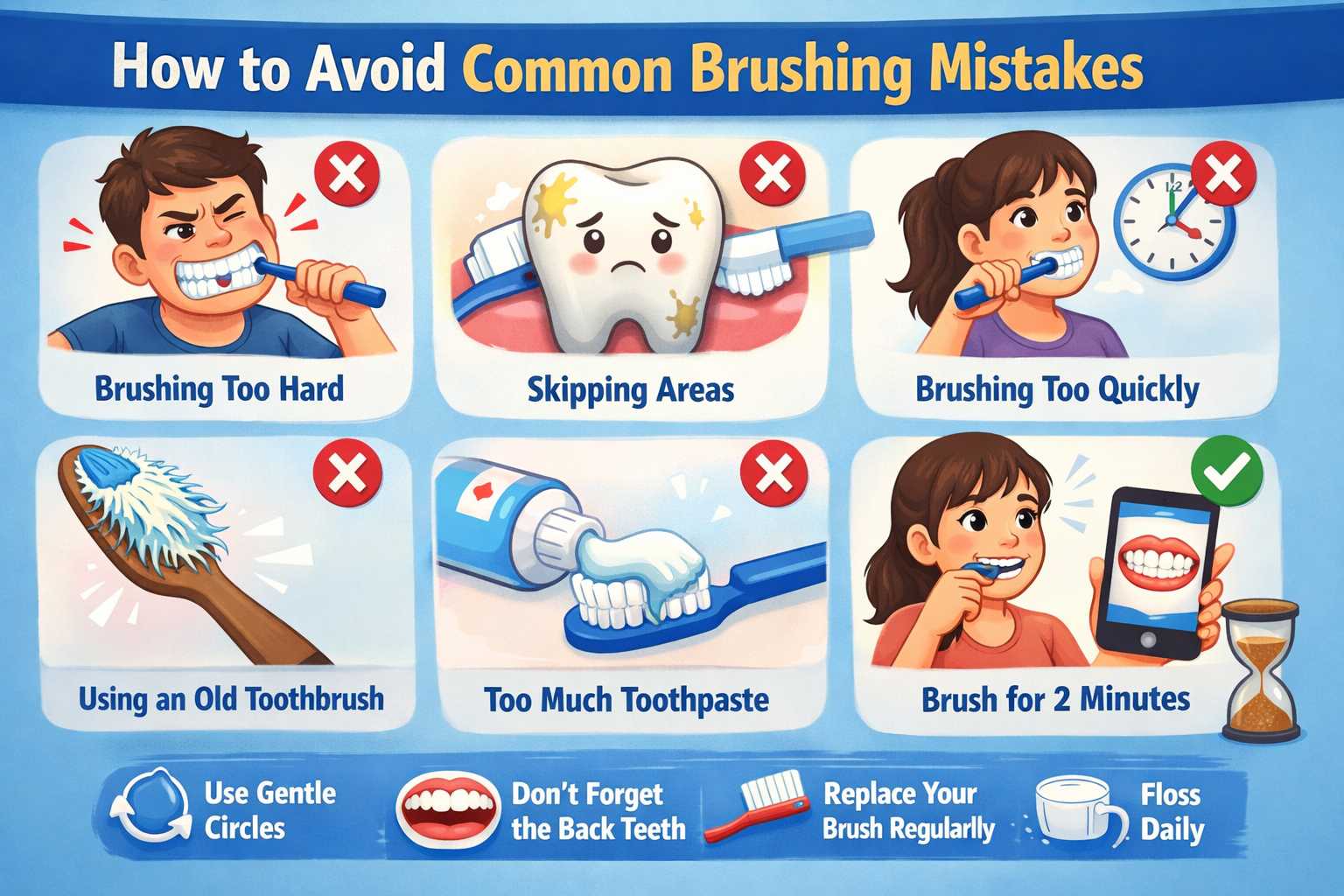
Your teeth aren’t dishes, and your gums definitely aren’t something you should be scrubbing aggressively. Brushing too hard can wear down enamel over time and irritate your gums, sometimes causing them to recede. I didn’t notice it at first, but eventually, my gums became more sensitive, especially when drinking something cold.
The fix was surprisingly simple: lighten up. A gentle, controlled motion works far better than aggressive scrubbing. Think of it like polishing rather than scraping. If your toothbrush bristles are frayed after just a few weeks, that’s a sign you’re brushing too hard.
2. Using the Wrong Toothbrush
I never used to think much about toothbrushes. I’d grab whatever was cheapest or most convenient. But not all toothbrushes are created equal.
Hard-bristled brushes might seem effective, but they can actually damage your enamel and irritate your gums. Most dentists recommend using a soft-bristled toothbrush, and once I switched, the difference was noticeable. My mouth felt cleaner, but also more comfortable.
Also, size matters. A brush head that’s too big makes it harder to reach the back teeth properly. If you’ve ever skipped those back corners because it felt awkward, your toothbrush might be the problem.
3. Brushing Too Quickly
I used to be guilty of the 30-second brush. You know the type—quick, distracted, and done before you even realize it.
The recommended time for brushing is at least two minutes. It sounds longer than it is, but when you actually try it, you’ll notice how easy it is to rush. I started timing myself once, and it was honestly eye-opening. What I thought was two minutes was barely one.
Now, I mentally divide my mouth into four sections and spend about 30 seconds on each. It gives me structure and ensures I don’t neglect any area.
4. Ignoring the Gum Line
This is one mistake I didn’t even realize I was making.
Most of us focus on the flat surfaces of our teeth because they’re easy to see and reach. But plaque tends to build up along the gum line, where the tooth meets the gum. If you’re not brushing there properly, you’re missing one of the most important areas.
The trick is to angle your toothbrush slightly—about 45 degrees—toward the gums and use small, gentle strokes. It feels a bit different at first, but once you get used to it, it becomes second nature.
5. Forgetting the Tongue
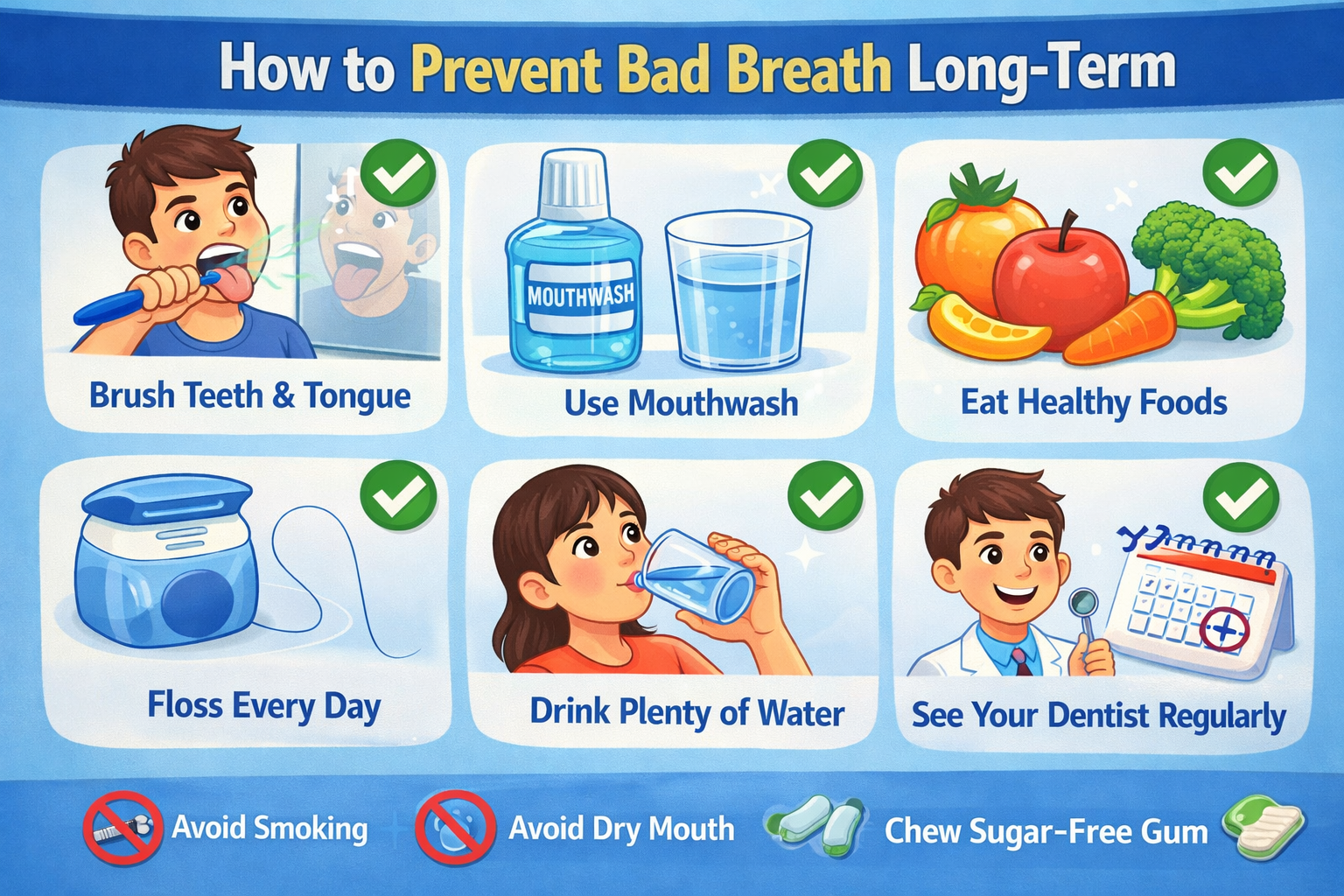
For a long time, I thought brushing my teeth was enough. But bad breath doesn’t just come from your teeth—your tongue plays a huge role.
Bacteria can accumulate on the surface of your tongue, especially toward the back. If you’ve ever brushed your teeth and still felt like your breath wasn’t fresh, this might be why.
Now, I make it a habit to gently brush my tongue or use a tongue scraper. It takes just a few seconds, but it makes a noticeable difference.
6. Rinsing Immediately After Brushing
This was one of the most surprising things I learned.
After brushing, I used to rinse my mouth thoroughly with water. It felt like the natural final step. But doing this actually washes away the fluoride from your toothpaste—the very thing that helps protect your teeth.
Now, instead of rinsing right away, I just spit out the excess toothpaste and let the remaining fluoride sit on my teeth for a while. It felt strange at first, but it’s a small change with real benefits.
7. Not Replacing Your Toothbrush Often Enough
I’ll admit—I used to keep the same toothbrush for way too long. As long as it still looked “okay,” I didn’t think twice about it.
But over time, bristles wear down and become less effective at cleaning. They can also harbor bacteria. The general recommendation is to replace your toothbrush every three to four months, or sooner if the bristles start to fray.
Now I treat it like a seasonal reset—every few months, new toothbrush, fresh start.
8. Brushing Right After Eating
This one might sound counterintuitive.
After eating, especially something acidic like citrus or soda, your enamel temporarily softens. Brushing immediately can actually cause more harm than good.
I used to brush right after meals, thinking I was being responsible. Now I wait about 30 minutes before brushing. If I really need to freshen up, I’ll rinse my mouth with water instead.
9. Being Inconsistent With Night Brushing
If I’m being honest, this was my biggest weakness.
Skipping brushing at night feels harmless in the moment—especially when you’re tired—but it’s actually the most important time to brush. During sleep, your mouth produces less saliva, which means bacteria have an easier time growing.
Once I understood that, I started treating nighttime brushing as non-negotiable. No matter how tired I am, I make sure it gets done.
10. Thinking Brushing Alone Is Enough
For years, I thought brushing twice a day was all I needed. But brushing alone doesn’t clean everything—especially the spaces between your teeth.
That’s where flossing comes in.
I used to avoid flossing because it felt tedious. But once I started doing it regularly, I noticed my gums were healthier, and my mouth felt cleaner overall. It’s one of those habits that seems small but makes a big difference over time.
Final Thoughts
Looking back, it’s strange how something as simple as brushing your teeth can be so easy to get wrong. It’s not about doing more—it’s about doing it better.
What changed for me wasn’t just learning the “right” techniques, but becoming more mindful of the process. Slowing down, paying attention, and treating it as an act of care rather than a chore.
Because at the end of the day, brushing your teeth isn’t just about avoiding cavities. It’s about taking care of yourself in small, consistent ways. And sometimes, those small habits are the ones that matter most.
If you’ve been making some of these mistakes, don’t worry—you’re definitely not alone. The good news is that every single one of them is easy to fix, starting today.