I still remember the first time my dentist showed me my teeth on that tiny handheld mirror. At first glance, everything looked normal—just the same smile I saw every morning. But then she pointed out the faint yellowish film clinging near my gum line. “That’s plaque,” she said casually, as if it were no big deal. But to me, it suddenly felt like I had been ignoring something important all along.
That moment stuck with me, not because it was dramatic, but because it was so… ordinary. Plaque isn’t something that appears overnight with warning signs. It builds quietly, patiently, every single day. And if you don’t pay attention, it slowly turns into something harder to deal with—tartar, gum issues, and even tooth decay.
So if you’re here wondering how to remove plaque effectively, you’re already doing something right. Let’s walk through this together—not just as a set of instructions, but as a habit that grows with you.
Understanding Plaque: The Quiet Build-Up
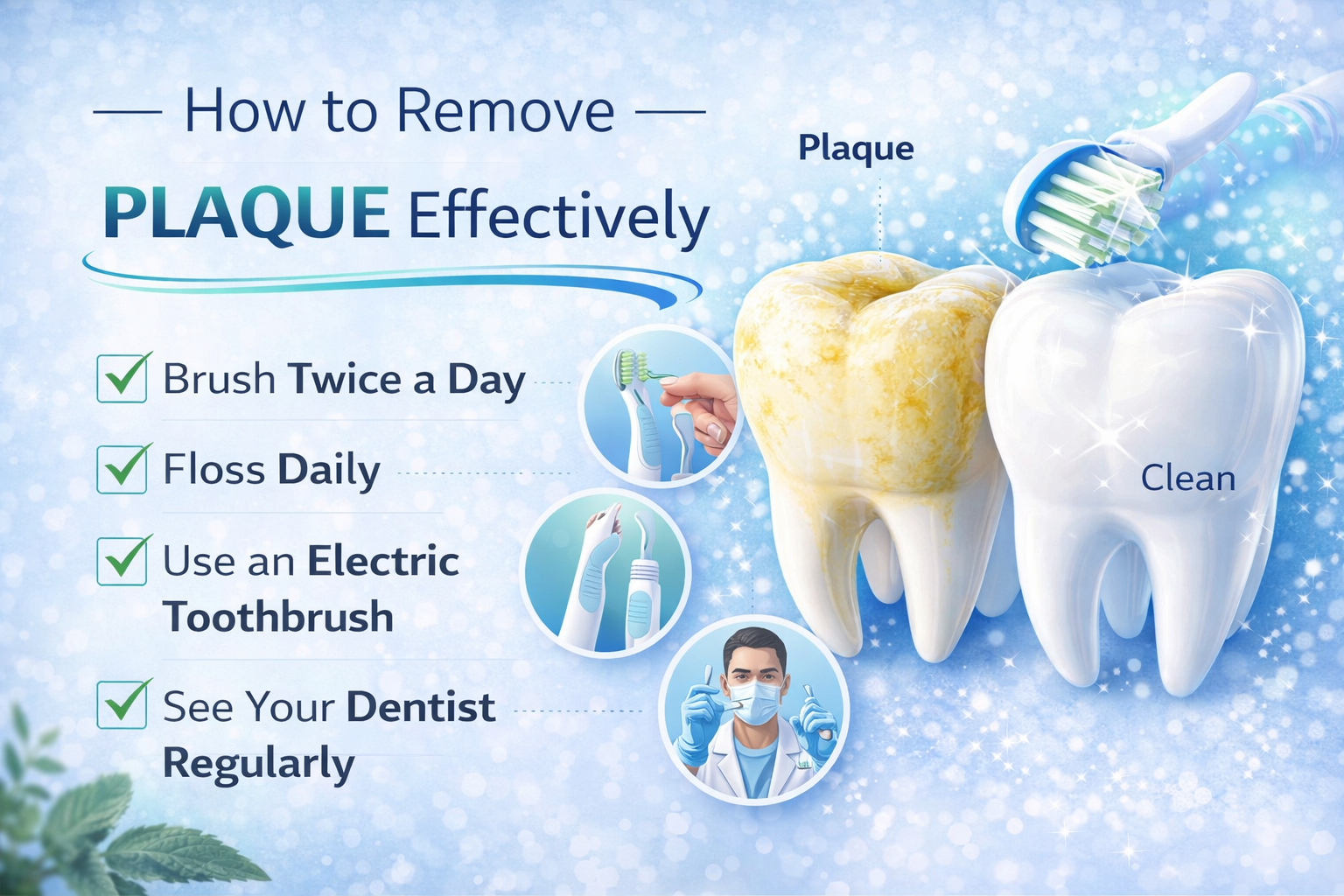
Before getting rid of plaque, it helps to understand what it actually is. Plaque is a sticky film of bacteria that forms on your teeth after you eat or drink, especially sugary or starchy foods. It’s almost invisible at first, which is why it’s easy to ignore.
What surprised me most was how quickly it forms. Within hours after brushing, plaque begins to rebuild. That realization changed how I thought about brushing—not as a once-in-a-while task, but as a daily reset.
Brushing: More Than Just a Routine
For a long time, I thought brushing my teeth twice a day was enough. And technically, it is—but only if you’re doing it properly.
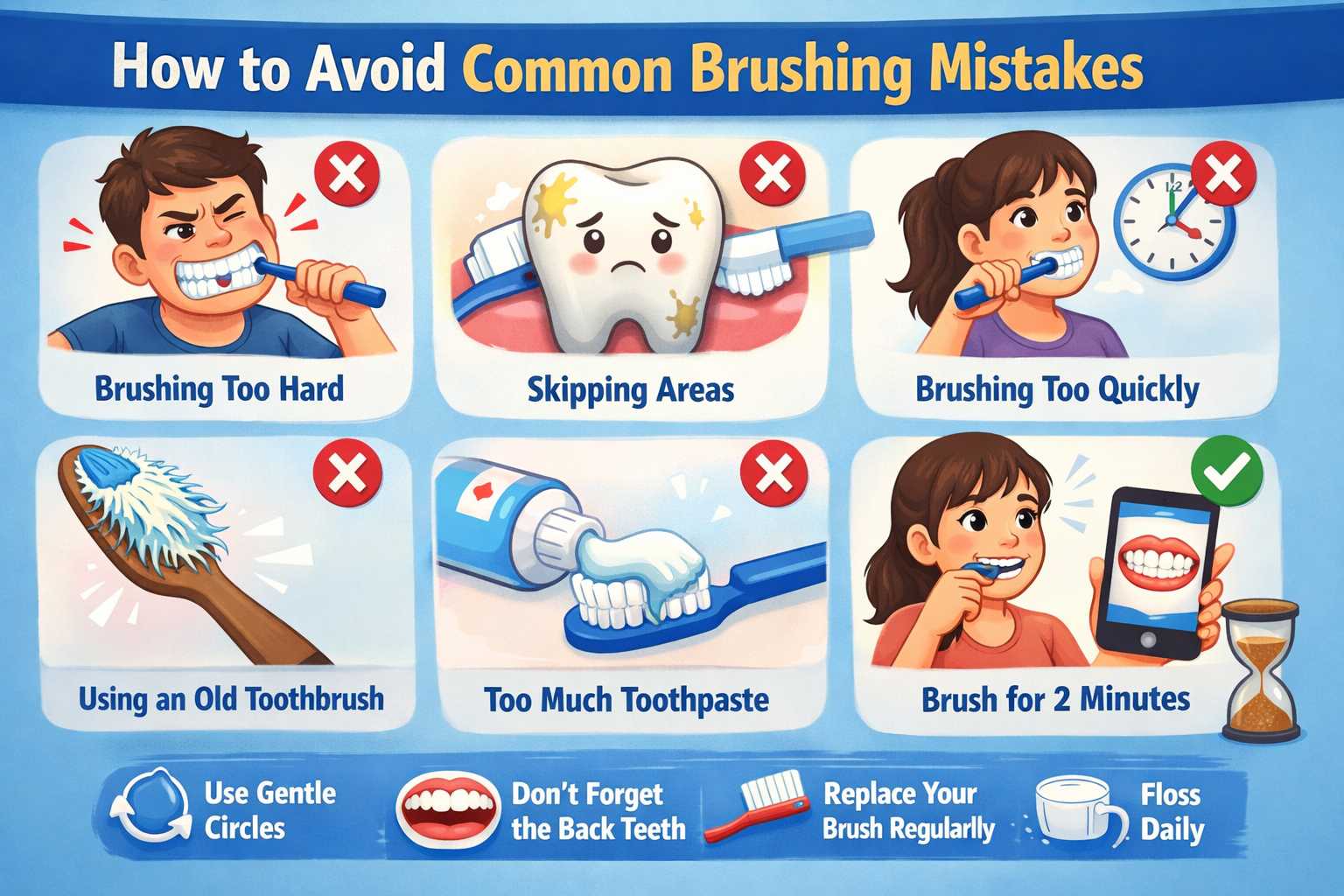
I used to rush through brushing in under a minute, barely paying attention. But effective plaque removal takes time and intention.
Here’s what made a difference for me:
- Brushing for at least two minutes: It sounds simple, but timing yourself changes everything.
- Using gentle, circular motions: Scrubbing too hard doesn’t remove more plaque—it can actually irritate your gums.
- Reaching every surface: Front, back, and especially along the gum line where plaque loves to hide.
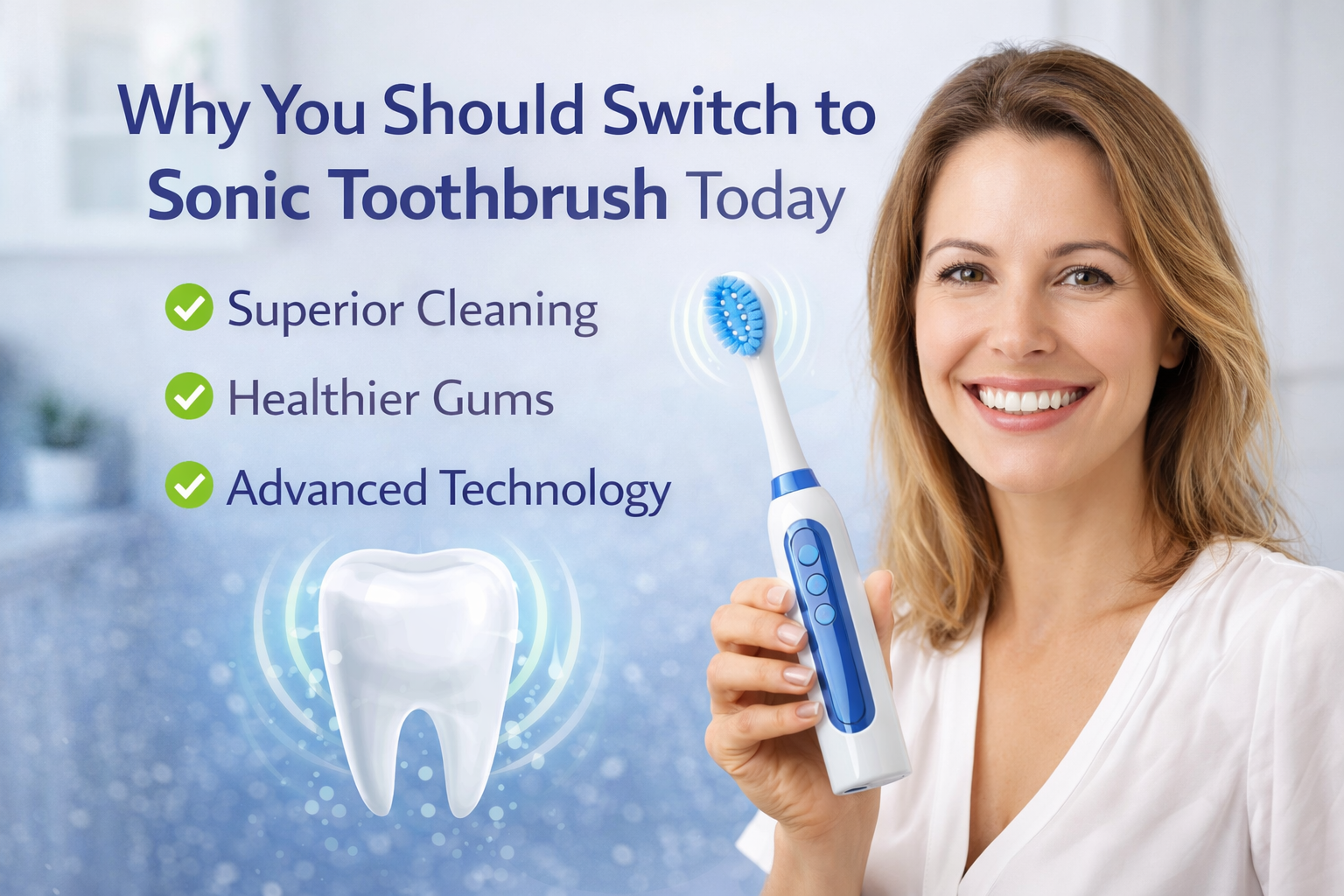
Switching to an electric toothbrush also helped. Not because it’s “fancier,” but because it does a more consistent job, especially on days when I feel tired or distracted.
Flossing: The Step Most People Skip
I’ll be honest—flossing used to feel unnecessary. My teeth looked clean, so why bother?
But plaque doesn’t just sit where you can see it. It hides between your teeth, in spaces your toothbrush can’t reach. Skipping flossing is like cleaning only half your room and calling it done.
When I finally committed to flossing daily, I noticed something unexpected: my gums stopped bleeding after a few days. That bleeding wasn’t caused by flossing—it was a sign that plaque had been sitting there too long.
If traditional floss feels awkward, there are alternatives:
- Floss picks
- Water flossers
- Interdental brushes
The best option is simply the one you’ll actually use consistently.
Mouthwash: The Supporting Role
Mouthwash isn’t a replacement for brushing or flossing, but it does play a helpful role.
Think of it as the finishing touch. It helps reduce bacteria, freshens breath, and reaches areas you might have missed. I started using an antibacterial mouthwash at night, and it gave me a sense of completeness—like I had fully taken care of my teeth before going to sleep.
Just be mindful to choose one that suits your needs. Not all mouthwashes are the same.
Diet: The Part No One Talks About Enough
This was probably the hardest lesson for me. You can brush and floss perfectly, but if your diet constantly feeds plaque, you’re fighting an uphill battle.
Sugary snacks, soda, and even some processed foods create an environment where plaque thrives. It doesn’t mean you have to give them up completely—but awareness matters.
Some small changes I found helpful:
- Drinking water after meals
- Limiting constant snacking
- Choosing crunchy fruits and vegetables like apples or carrots
These aren’t strict rules. They’re just small adjustments that make a noticeable difference over time.
Professional Cleaning: When Home Care Isn’t Enough
No matter how careful you are, there are limits to what you can do at home. Plaque that isn’t removed hardens into tartar, and once that happens, only a dentist can remove it.
I used to think dental visits were only necessary when something hurt. But regular cleanings—usually every six months—prevent problems before they start.
There’s something oddly satisfying about that polished, just-cleaned feeling after a dental appointment. It’s like hitting a reset button.
Building the Habit: The Real Challenge
If there’s one thing I’ve learned, it’s that removing plaque effectively isn’t about doing everything perfectly. It’s about consistency.
Some days, you’ll feel tired. Some nights, you’ll want to skip flossing. It happens. What matters is coming back to the routine the next day.
What helped me stay consistent was linking oral care to other habits:
- Brushing right after waking up and before bed
- Flossing while listening to music
- Keeping everything easily accessible
It turns the process from a chore into something almost automatic.
The Subtle Confidence of a Clean Smile
There’s no dramatic moment when you realize plaque is gone. It’s more subtle than that.
It shows up in small ways:
- Your teeth feel smooth when you run your tongue over them
- Your gums look healthier
- Your breath feels fresher throughout the day
And maybe most importantly, you stop worrying about it.
That quiet confidence—knowing you’re taking care of yourself—is what makes all the effort worth it.
Final Thoughts
Removing plaque effectively isn’t about perfection or expensive tools. It’s about understanding how small, daily actions add up over time.
If I could go back to that moment in the dentist’s chair, looking at that mirror, I wouldn’t feel embarrassed. I’d just feel more aware.
Because plaque isn’t the enemy—it’s a reminder.
A reminder that the little things we do every day, even the ones that seem insignificant, shape our health in ways we don’t always see immediately.
And sometimes, taking care of yourself starts with something as simple as picking up a toothbrush… and actually taking your time.
tạo file name ảnh chuẩn seo