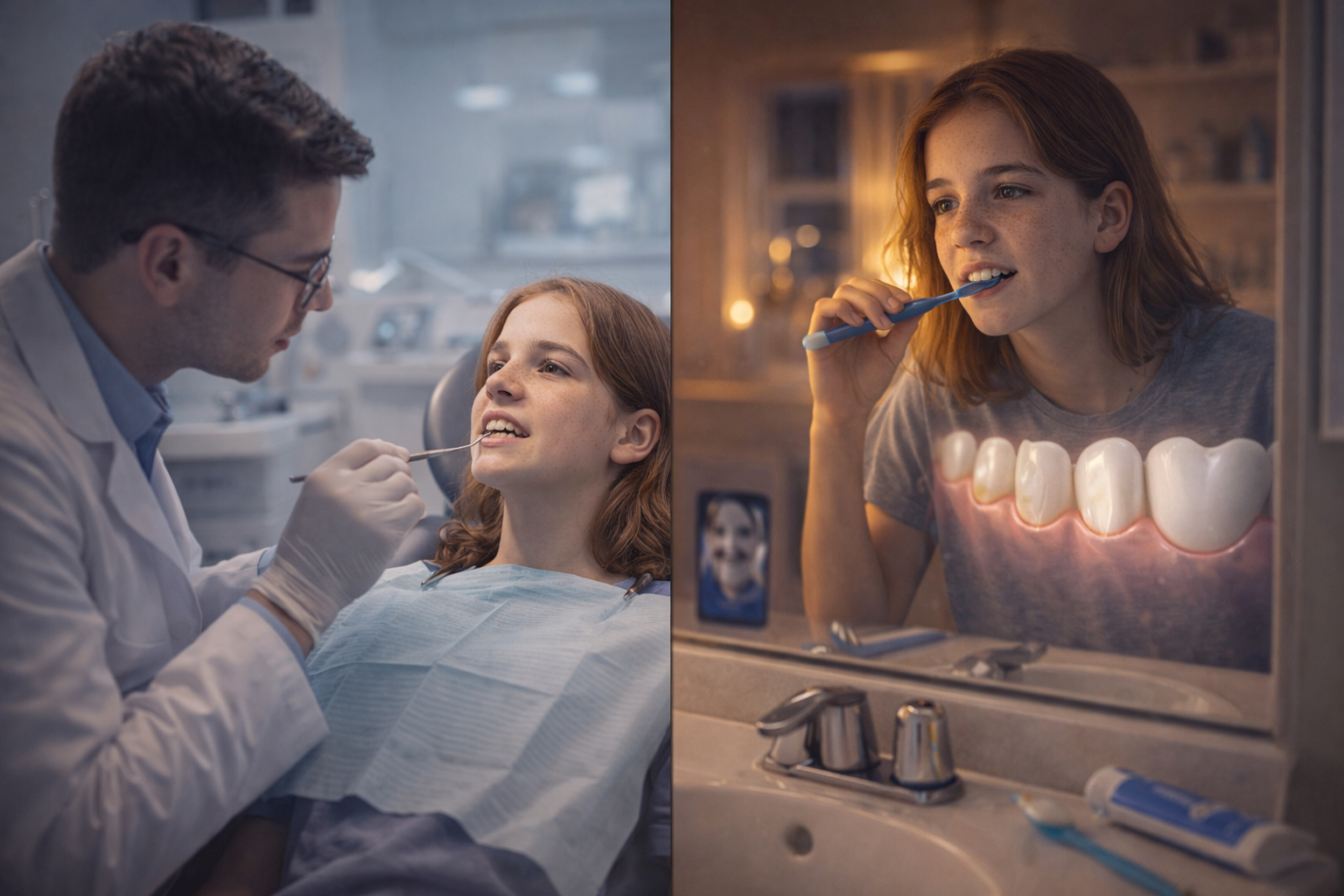
I still remember the faint smell of antiseptic and the low hum of machines the first time I sat in a dental chair as a child. The experience felt cold, clinical, and, to be honest, a little intimidating. The dentist worked carefully, but everything—from the tools to the lighting—seemed designed more for function than comfort. Back then, dental care felt like something you endured rather than something that adapted to you.
Fast forward to today, and the story is changing. Dental care is no longer just about fixing problems; it’s about predicting them, preventing them, and making the entire experience feel almost seamless. Technology is reshaping dentistry in ways that once felt like science fiction, and what fascinates me most is how quietly these innovations are weaving themselves into everyday life.
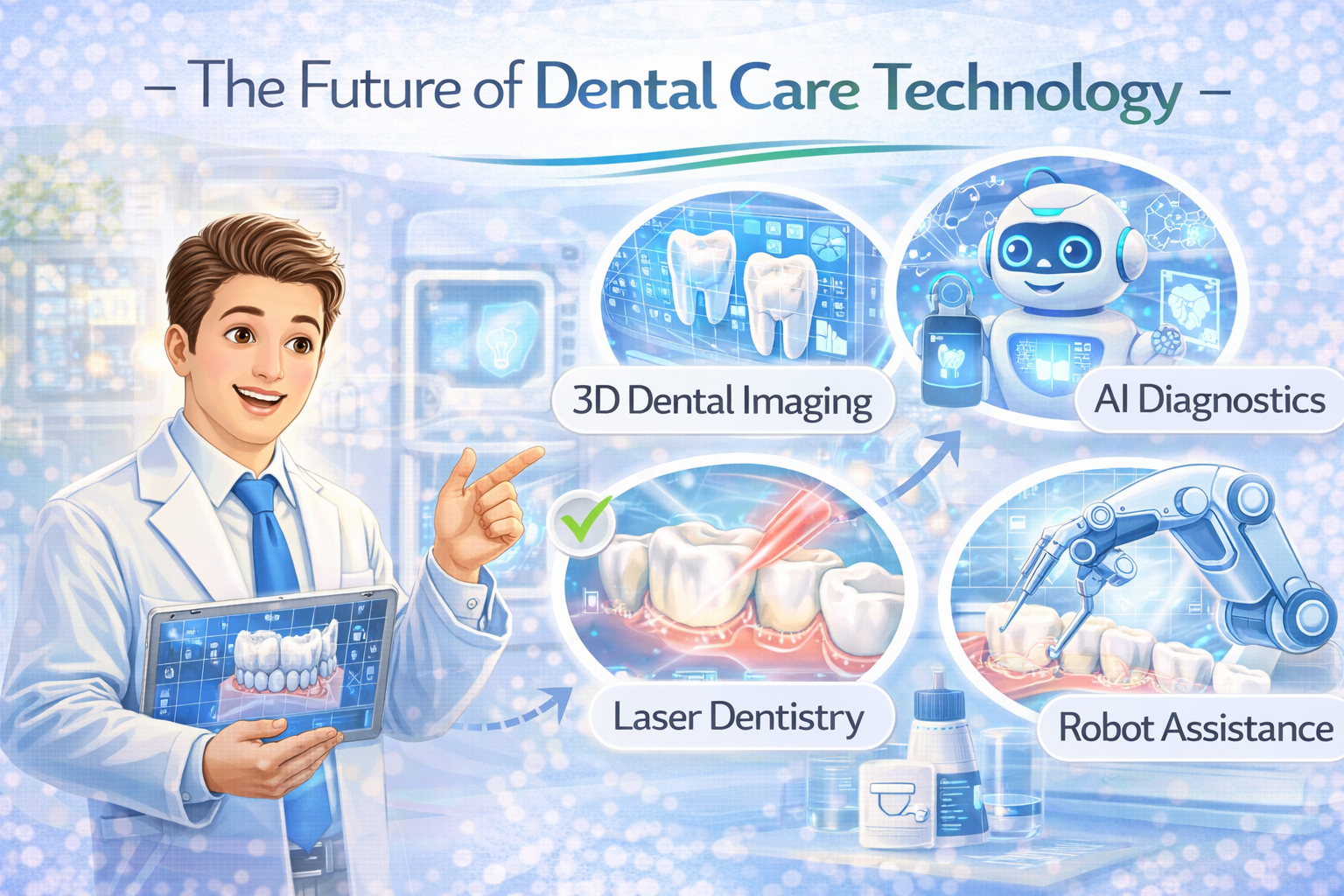
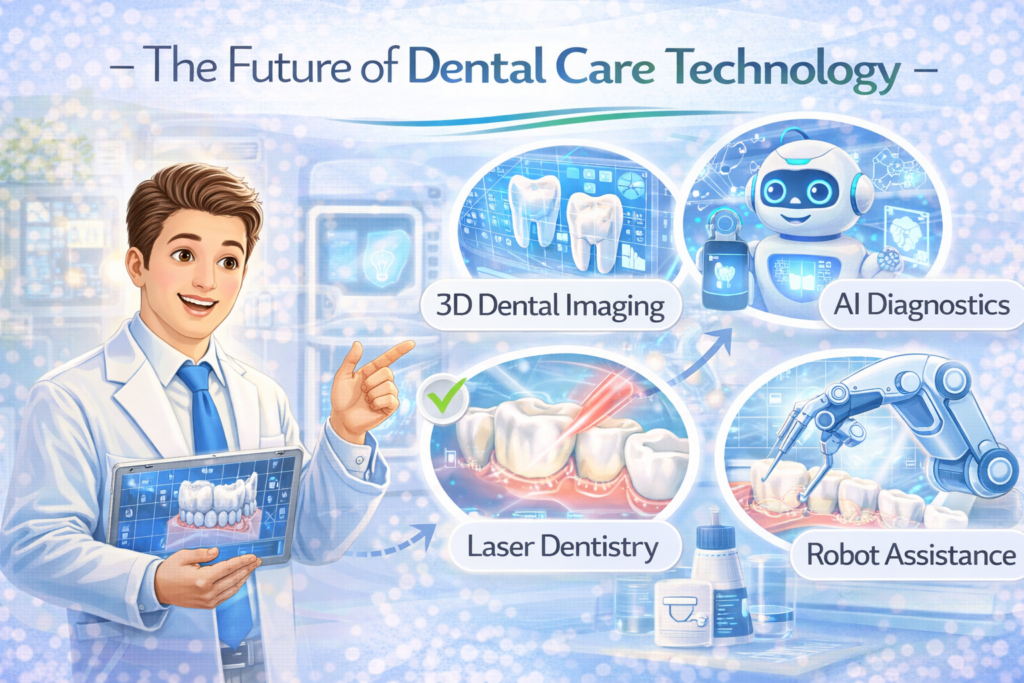
One of the most noticeable shifts is how early detection has improved. In the past, cavities or gum disease often went unnoticed until they caused discomfort. Now, with digital imaging and AI-powered diagnostics, dentists can identify issues long before you feel a thing. It’s almost like having a second set of eyes—ones that don’t get tired or miss subtle details. These systems analyze X-rays and scans with remarkable precision, highlighting areas of concern that might otherwise slip through.
I spoke to a friend recently who had a routine check-up. She expected the usual quick inspection, but instead, her dentist showed her a 3D model of her teeth on a screen. Every tiny crack, every early sign of decay, was mapped out clearly. She told me it felt less like being told what was wrong and more like being invited to understand her own health. That shift—from passive patient to informed participant—might be one of the most important changes technology brings.
Then there’s the rise of 3D printing, which feels almost magical when you think about it. Not long ago, getting a dental crown meant multiple visits, temporary fittings, and weeks of waiting. Today, some clinics can design and print a custom crown in just a few hours. You walk in with a problem and walk out with a solution the same day. It’s efficient, yes, but it also reduces the stress that comes with prolonged treatments.
And it doesn’t stop there. Aligners, for example, have transformed orthodontics. Traditional braces, with their wires and brackets, used to be the only option for straightening teeth. Now, clear aligners offer a more subtle alternative. What’s interesting isn’t just their appearance, but how they’re created. Using digital scans and predictive modeling, dentists can map out the entire journey of your teeth—from where they are now to where they should be. You’re not just starting a treatment; you’re seeing its future before it even begins.
Another area that’s quietly revolutionizing dental care is teledentistry. At first, the idea of a virtual dental consultation sounded a bit odd to me. How could someone examine your teeth through a screen? But it turns out, for many situations—follow-ups, initial assessments, or even monitoring ongoing treatments—it works surprisingly well. Patients can send images, discuss concerns, and receive guidance without stepping into a clinic. For people in remote areas or those with busy schedules, this isn’t just convenient; it’s transformative.
Of course, technology isn’t only about efficiency. It’s also about comfort. One of the biggest fears people have about dental visits is pain. Advances in laser dentistry are helping to address that. Lasers can be used for procedures that once required drills, reducing discomfort and often eliminating the need for anesthesia. The experience becomes quieter, less invasive, and, for many, far less anxiety-inducing.
I can’t help but think about how different my childhood experiences would have been if these tools had existed back then. The fear wasn’t just about pain—it was about the unknown. Technology, in many ways, is removing that uncertainty. When patients can see, understand, and even predict what’s happening, the experience becomes less intimidating.
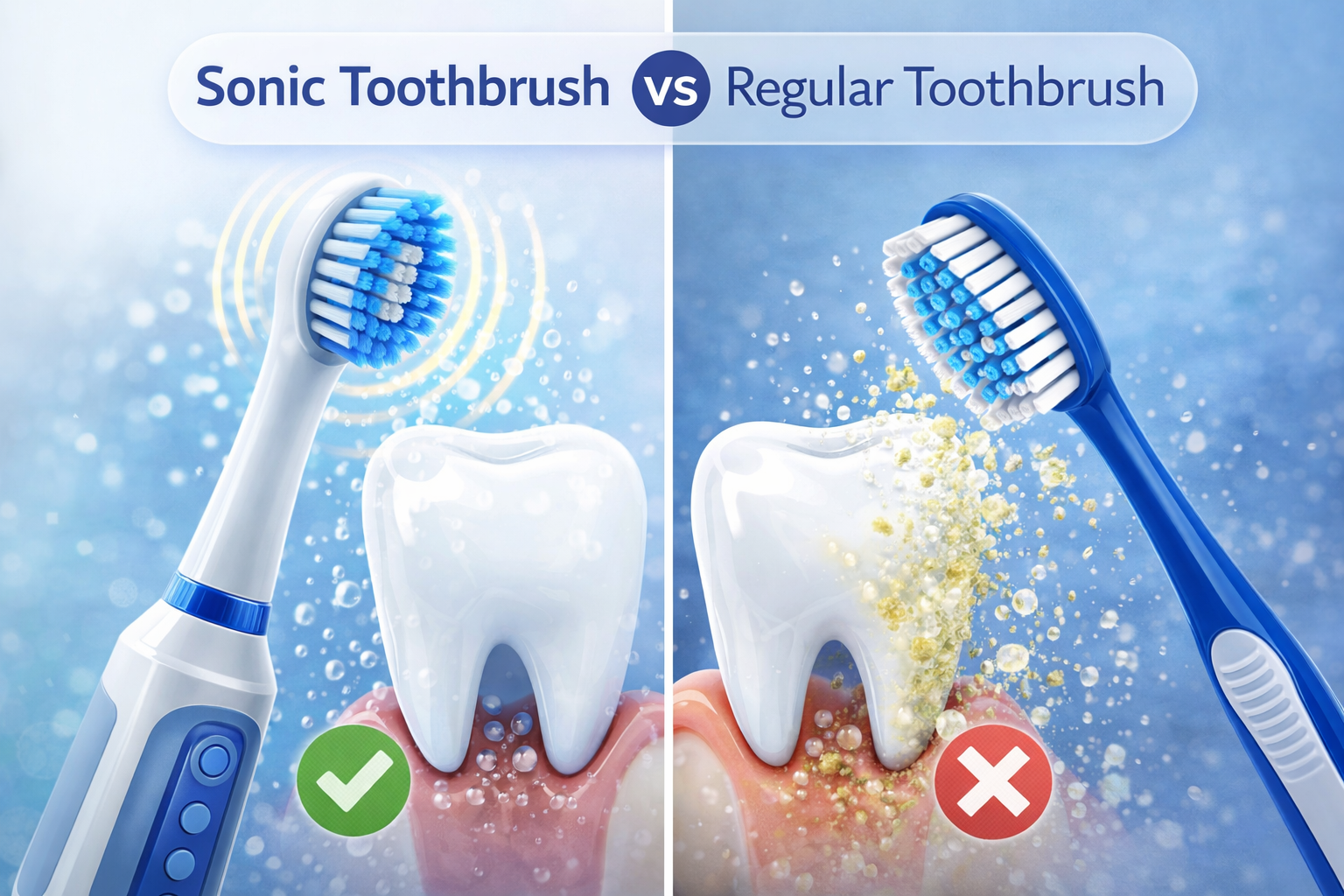
There’s also an exciting intersection between dental care and wearable technology. Smart toothbrushes, for instance, are no longer just gimmicks. They track brushing habits, provide real-time feedback, and even connect to apps that help users improve their technique. It’s like having a tiny coach in your bathroom, guiding you toward better habits every day.
What’s particularly interesting is how these devices collect data over time. Patterns emerge—areas you tend to miss, times when your brushing becomes less effective—and this information can be shared with your dentist. Instead of relying solely on what happens during a check-up, dental care becomes a continuous process, informed by daily behavior.
Artificial intelligence plays a role here as well. Imagine an app that not only tracks your brushing but also predicts your risk of developing cavities based on your habits, diet, and history. It could send reminders, suggest changes, and even alert your dentist if something seems off. This kind of proactive care shifts the focus from treatment to prevention, which is ultimately where healthcare is most effective.
Robotics is another frontier that’s beginning to emerge. While fully automated dental procedures might still be a way off, robotic assistance is already enhancing precision in certain treatments. The idea isn’t to replace dentists but to support them—reducing human error and improving outcomes. It’s a partnership between human expertise and technological accuracy.
As I think about all these advancements, I’m struck by how personal dental care is becoming. Technology isn’t just making procedures faster or tools more advanced; it’s tailoring care to the individual. From customized aligners to data-driven insights, everything is moving toward a more personalized experience.
But with all this innovation comes an important question: how do we keep the human element intact? Dentistry, at its core, is about trust. No matter how advanced the tools become, patients still need to feel understood and cared for. Technology should enhance that connection, not replace it.
I’ve noticed that the best dental experiences today strike a balance. They use technology to inform and improve care, but they also prioritize communication and empathy. A screen might show you a detailed scan of your teeth, but it’s the dentist who explains what it means, answers your questions, and reassures you when you’re nervous.
Looking ahead, I can’t help but feel optimistic. The future of dental care isn’t just about better machines or smarter software; it’s about creating experiences that are more comfortable, more transparent, and more aligned with the needs of patients. It’s about turning something that many people dread into something that feels manageable—even empowering.
If you had told my younger self that one day dental visits could involve 3D models, AI analysis, and nearly painless procedures, I probably wouldn’t have believed you. But here we are, on the edge of a new era where technology and care go hand in hand.
And perhaps the most exciting part is that this is only the beginning. As innovations continue to evolve, the dental chair may become less of a place you fear and more of a place where you feel in control of your health. That, to me, is a future worth looking forward to.