I didn’t always think much about my teeth.
When I was younger, brushing felt like one of those things adults forced you to do without explaining why it actually mattered. I would rush through it, sometimes skip flossing entirely, and convince myself that as long as nothing hurt, everything was fine. It wasn’t until a routine dental visit—one I almost didn’t go to—that I realized how much those small daily habits actually shape your health.
The dentist didn’t say anything dramatic. No lectures, no scary warnings. Just a calm explanation: “What you do every day matters more than what you do once in a while.” That sentence stuck with me more than anything else. Healthy teeth aren’t the result of one perfect day of care—they’re built quietly, through consistent habits that often feel too small to matter.
Over time, I started paying attention. Not just to what I was doing, but to how those habits made me feel. And slowly, those “small things” began to feel less like chores and more like a kind of self-respect.
It Starts with the Simplest Habit: Brushing Properly
Brushing your teeth seems obvious, but doing it properly is something many people overlook.
For the longest time, I thought brushing harder meant cleaning better. It felt logical—more pressure, more effectiveness. But that’s not how it works. Brushing too hard can actually damage your enamel and irritate your gums. I had to relearn something I thought I already knew.
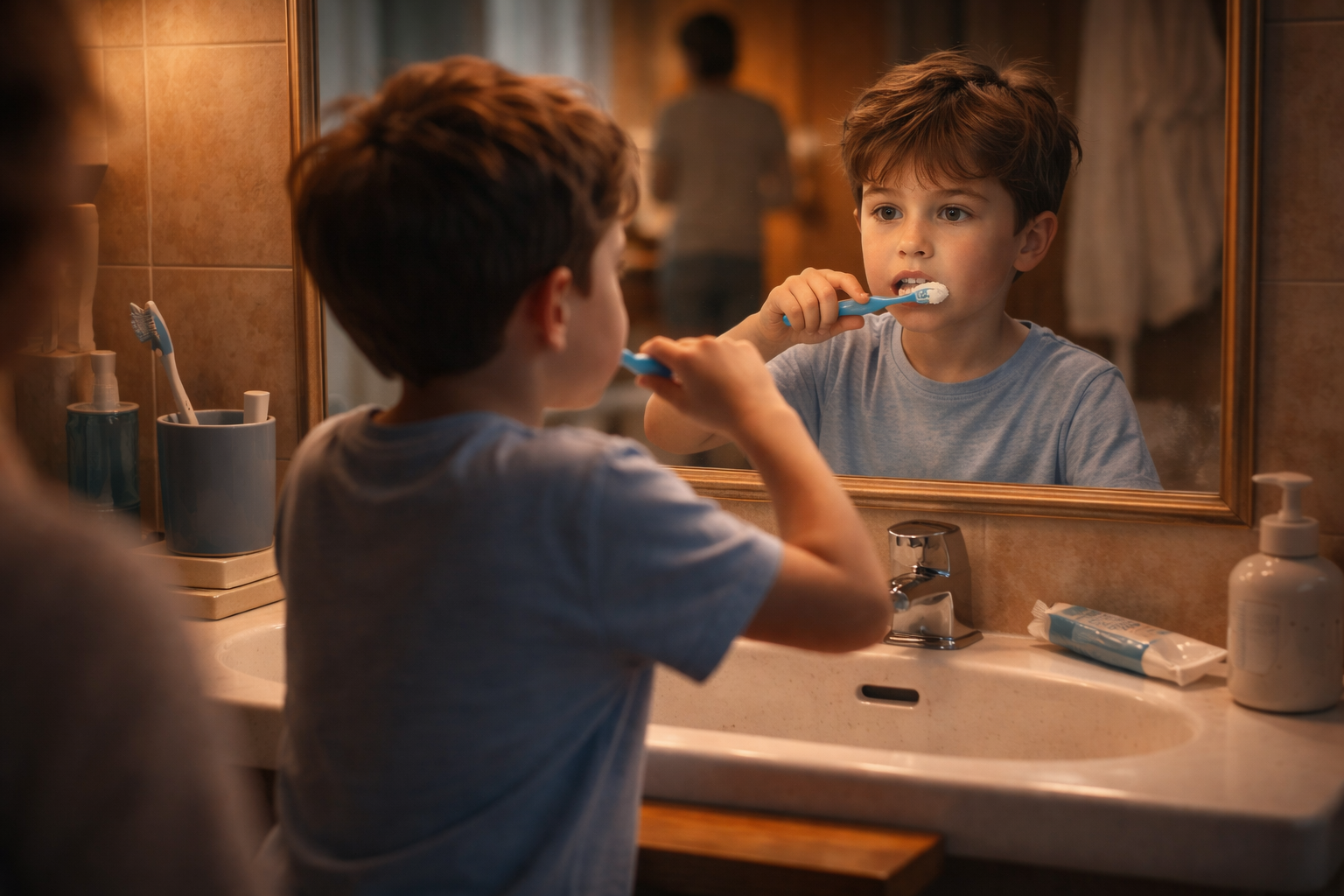
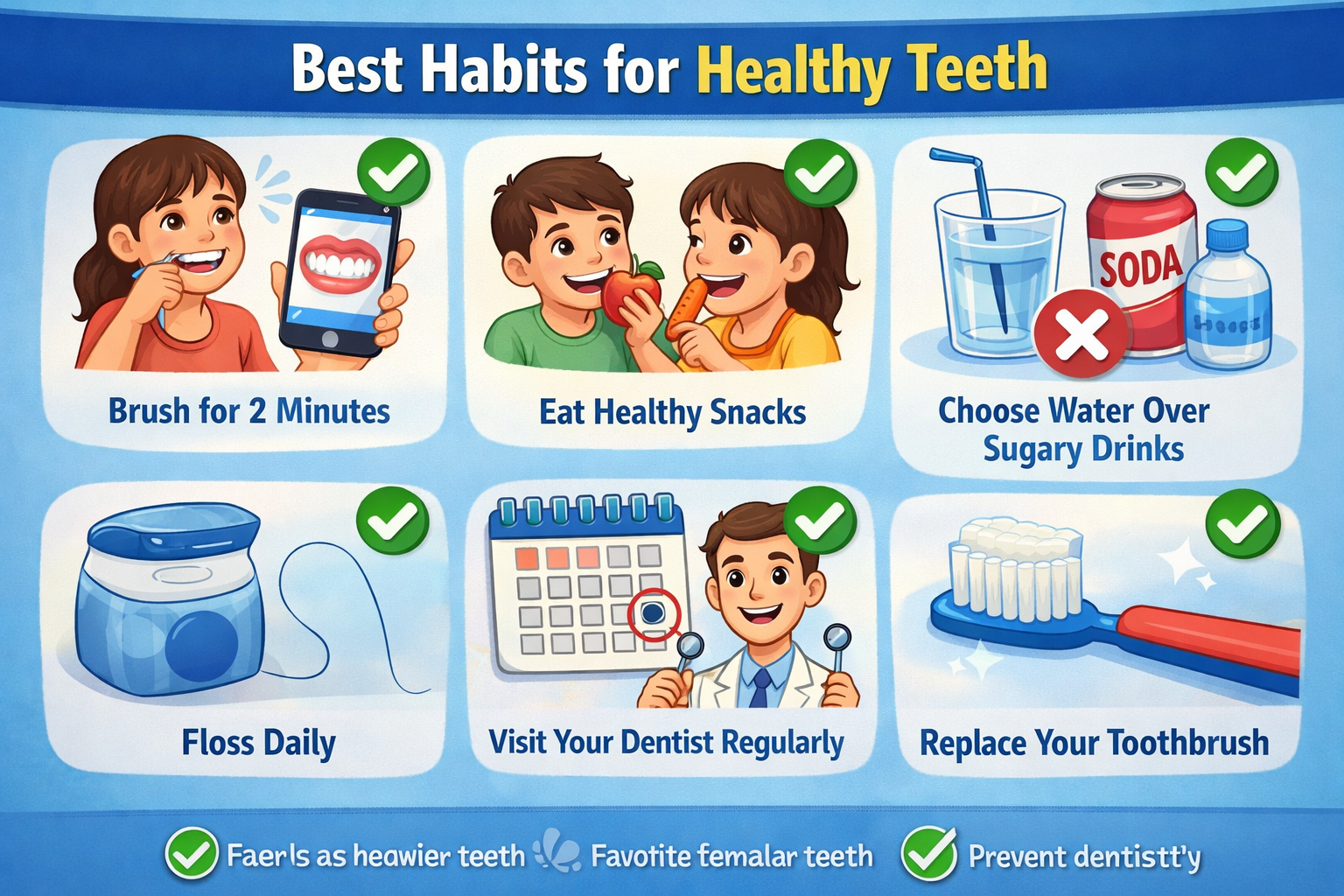
Now, I brush gently, using small circular motions instead of aggressive back-and-forth scrubbing. It takes a bit longer, but it feels more intentional. Two minutes, twice a day. That’s the standard advice, but when you treat those two minutes as time you’re investing in yourself rather than rushing through, it changes the experience.
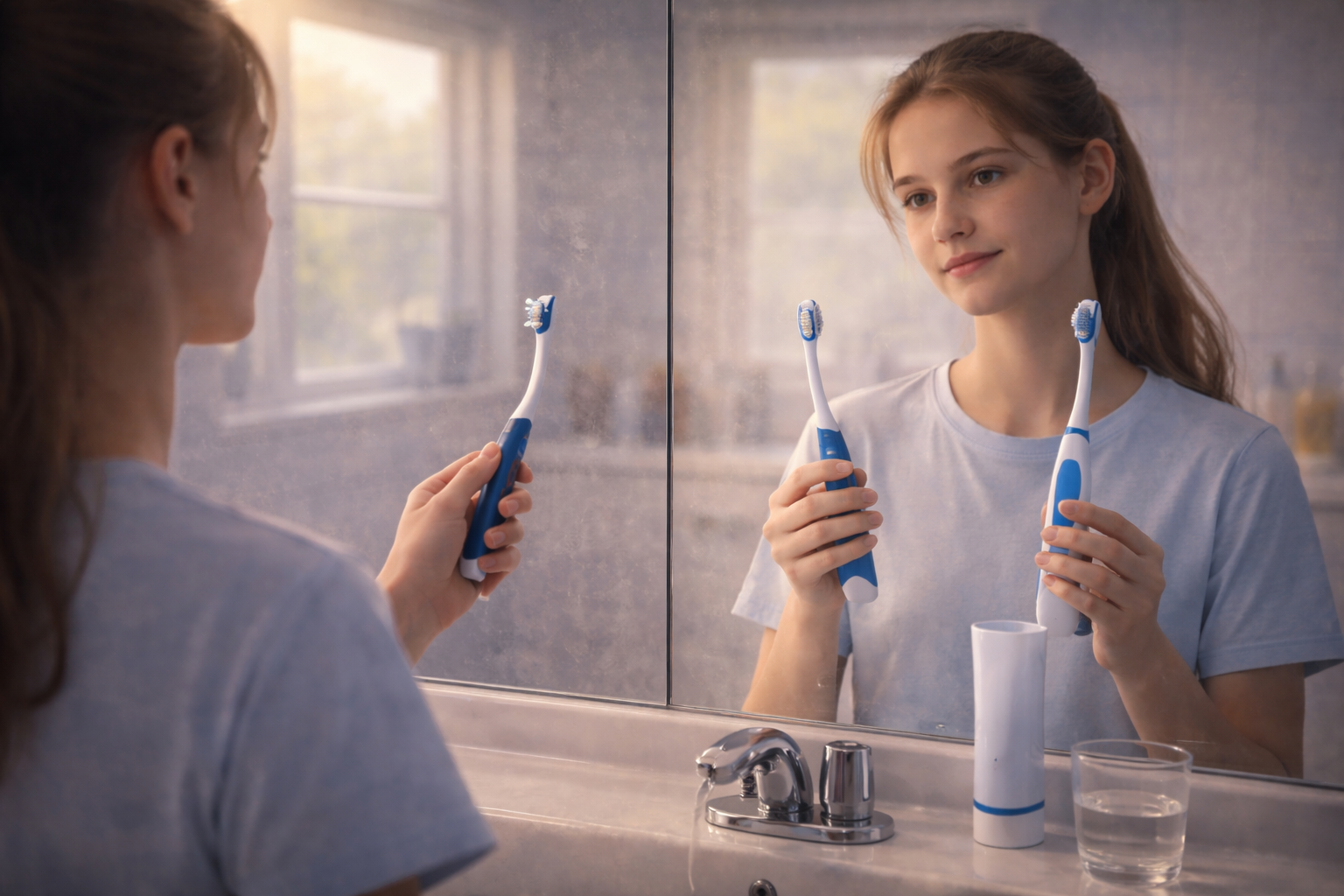
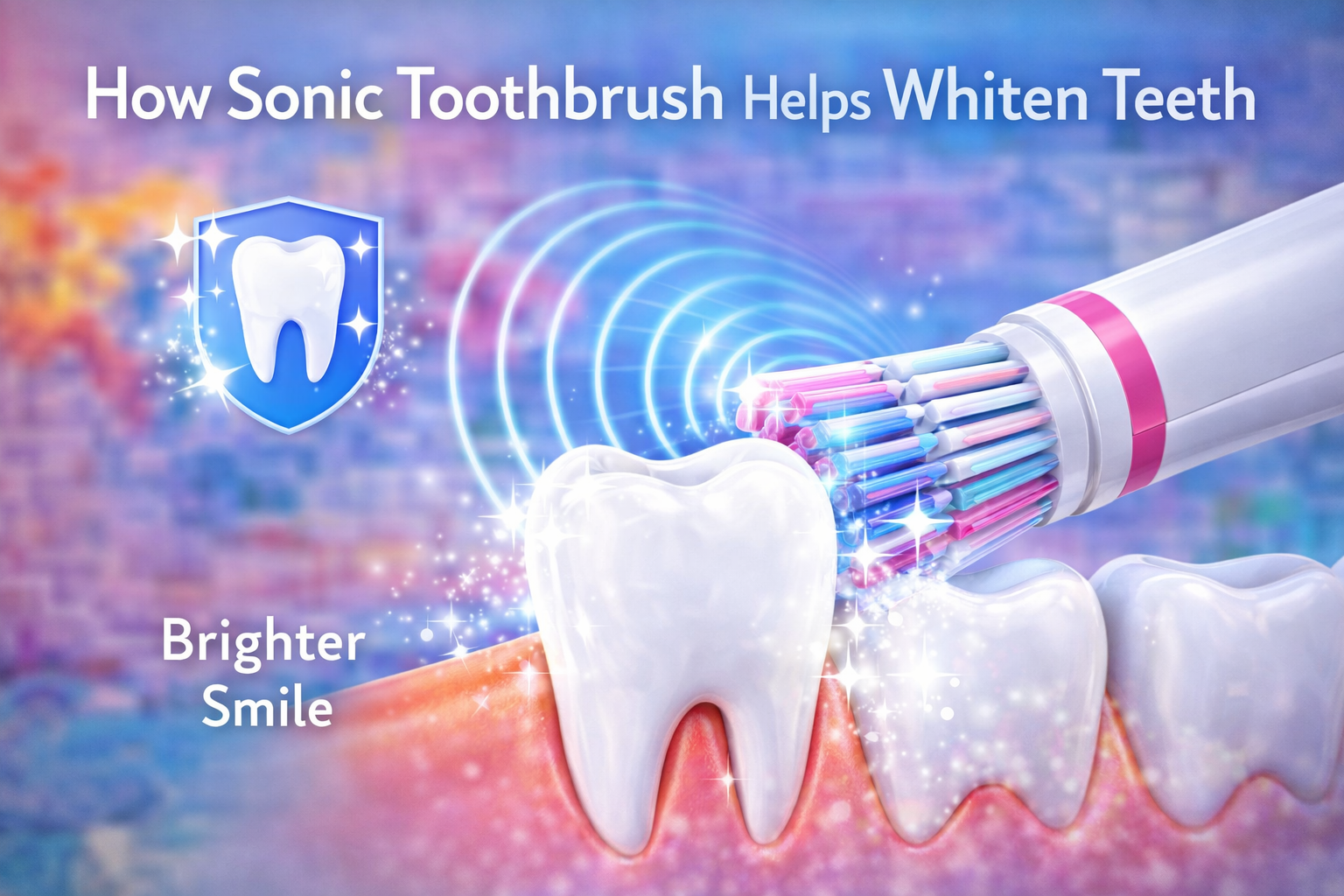
It also helped to find a toothbrush I actually liked using. A soft-bristled brush made a noticeable difference. And switching to an electric toothbrush later on made things even easier—it kind of guides you into brushing correctly without overthinking it.
Flossing: The Habit People Avoid (But Shouldn’t)
If brushing is the obvious habit, flossing is the one people tend to ignore.
I used to skip it all the time. It felt unnecessary, maybe even a little annoying. But the truth is, brushing alone can’t reach everything. Food particles and plaque settle between your teeth in ways your toothbrush simply can’t handle.
The first time I committed to flossing regularly, I noticed something almost immediately—my gums felt healthier. Less irritation, less sensitivity. It wasn’t a dramatic transformation, but it was enough to make me realize that flossing wasn’t optional.
The trick, I found, is not to think of flossing as a big task. It’s a small step, one that takes less than a minute once you get used to it. Some people prefer traditional floss, others like floss picks. It doesn’t really matter which you choose—what matters is consistency.
What You Eat Shows Up in Your Smile
There’s a connection between diet and dental health that’s easy to underestimate.
Sugary snacks and drinks are the obvious culprits, but it’s not just about avoiding sugar entirely—it’s about understanding how often you’re exposing your teeth to it. Frequent snacking, especially on sugary or acidic foods, creates an environment where bacteria thrive.
I didn’t realize how much this mattered until I started paying attention to my habits. Sipping sugary drinks over long periods, for example, is worse than drinking them quickly. It keeps your teeth under constant attack.
On the other hand, certain foods actually help your teeth. Crunchy fruits and vegetables like apples and carrots can act as natural cleaners. Drinking water, especially after meals, helps wash away food particles and neutralize acids.
It’s not about perfection. You don’t have to eliminate every treat. But being mindful of what you eat—and how often—can make a bigger difference than you might expect.
Regular Dental Visits: More Important Than They Seem
For a long time, I saw dental visits as something you only needed when there was a problem.
That mindset is more common than people admit. If nothing hurts, why go?
But dental checkups aren’t just about fixing issues—they’re about preventing them. Dentists can catch small problems before they turn into bigger ones. A minor cavity is much easier to deal with than a major one. Early gum issues can be managed before they become serious.
What surprised me most was how routine visits actually reduced anxiety. The more regularly you go, the less intimidating it feels. It becomes just another part of taking care of yourself, like getting a haircut or going for a checkup.
The Role of Consistency Over Perfection
One of the biggest lessons I’ve learned is that consistency matters more than perfection.
There were days when I missed a flossing session or rushed through brushing. At first, I felt like that meant I had failed somehow. But health doesn’t work that way. It’s not about being perfect every single day—it’s about showing up most of the time.
If you build habits that are realistic and sustainable, they become part of your routine without much effort. And over time, those small actions add up in ways you don’t immediately notice.
Listening to Your Body
Your teeth and gums often tell you when something isn’t right—you just have to pay attention.
Bleeding gums, sensitivity, persistent bad breath—these aren’t things to ignore. They’re signals. Not necessarily signs of something serious, but definitely signs that something needs attention.
I used to brush off small symptoms, assuming they’d go away on their own. But paying attention early can save you from bigger problems later. It’s a simple shift in mindset: instead of reacting to problems, you start preventing them.
Building Habits That Last
The hardest part of any healthy routine is not starting—it’s maintaining it.
What helped me was connecting these habits to something bigger. Instead of seeing brushing and flossing as tasks, I started seeing them as part of how I take care of myself. It’s a small act, but it reflects something larger: discipline, awareness, and respect for your own health.
Sometimes, motivation fades. That’s normal. But habits don’t rely on motivation—they rely on routine. Once something becomes part of your daily rhythm, it no longer feels like a decision you have to make.
A Quiet Kind of Confidence
Healthy teeth don’t just affect your physical health—they influence how you feel.
There’s a quiet confidence that comes from knowing you’re taking care of yourself. It shows up in small ways: smiling more freely, speaking without hesitation, not worrying about discomfort or appearance.
It’s not about having perfect teeth. It’s about feeling comfortable, healthy, and at ease.
Final Thoughts
If there’s one thing I’ve learned, it’s this: the best habits for healthy teeth are not complicated.
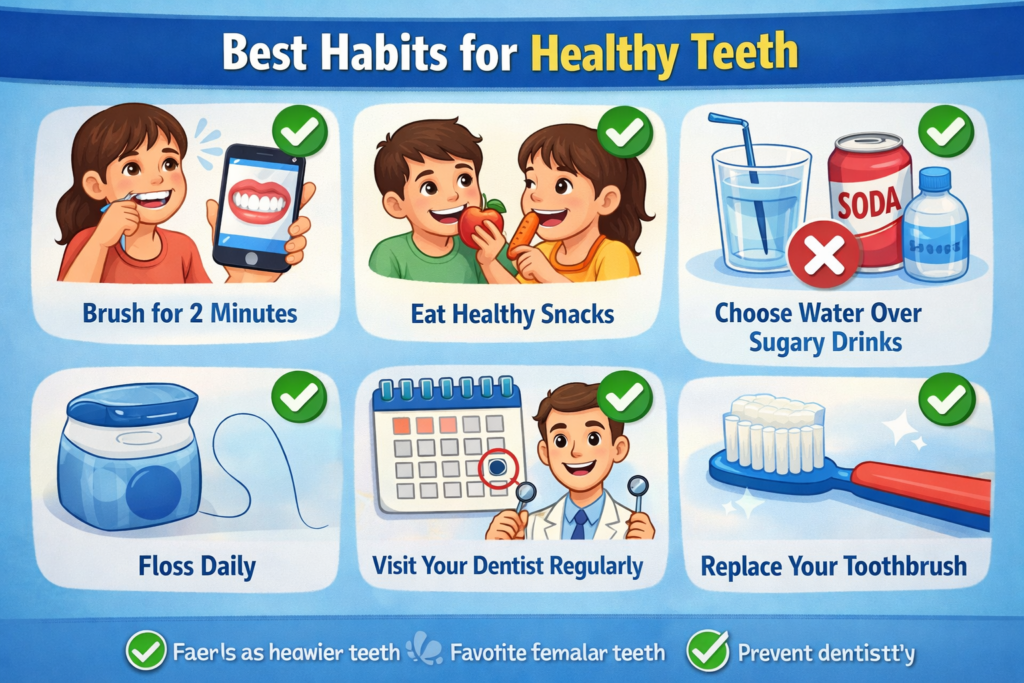
They’re simple, almost ordinary—brushing properly, flossing regularly, eating mindfully, and visiting the dentist. But their impact is anything but ordinary.
What makes them powerful is not how impressive they are, but how consistent they are.
And maybe that’s the real lesson here—not just about dental health, but about life in general. The small things you do every day matter more than the big things you do occasionally.
At first, it might feel like effort. But over time, it becomes something else entirely.
Just part of who you are.