
When people talk about health, they often think about exercise routines, balanced diets, or getting enough sleep. But one small daily practice quietly shapes our overall well-being more than we might realize: oral hygiene. Our mouths are the gateway to the body. A healthy smile does more than make photos look better—it protects our confidence, comfort, and long-term health.
I didn’t always understand this. Like many people, I used to see brushing my teeth as a simple task to check off before leaving the house or going to bed. It wasn’t something I thought deeply about. That changed over time, especially after learning how small habits—done consistently—can transform dental health completely.
Good oral hygiene isn’t about perfection. It’s about building simple routines that quietly protect your teeth and gums day after day. Here are ten habits that, when practiced consistently, can make a remarkable difference.
1. Start and End Your Day With Proper Brushing
The most basic habit is also the most important: brushing your teeth twice a day.
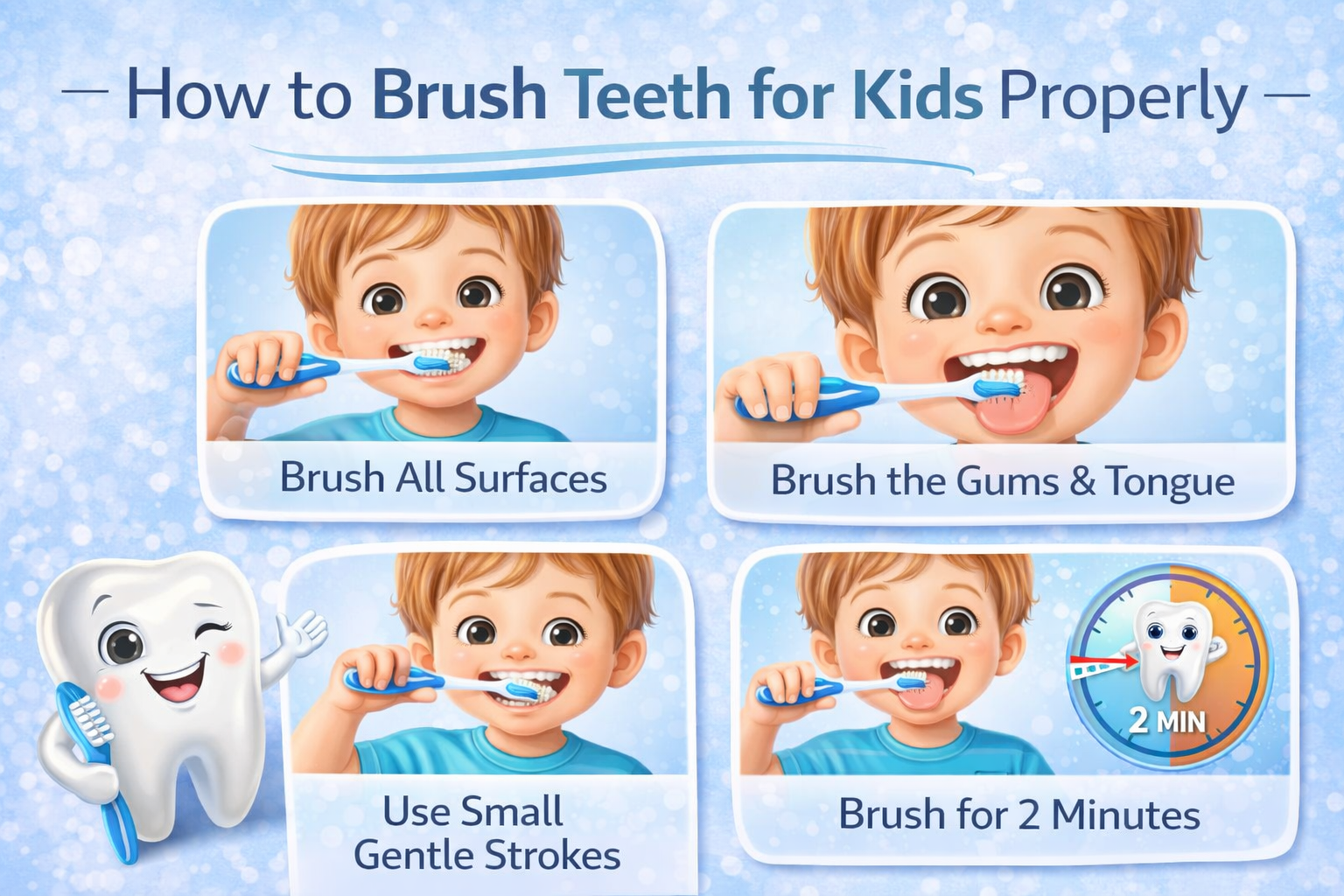
But brushing isn’t just about quickly moving a toothbrush around your mouth for ten seconds before rushing out the door. Effective brushing takes time and attention. Dentists recommend brushing for at least two minutes, making sure you reach every surface of each tooth.
Think of it as a small moment of self-care. In the morning, brushing wakes you up and clears away bacteria that built up overnight. At night, it removes the food particles and plaque that collected throughout the day.
Using a soft-bristled toothbrush and gentle circular motions helps clean effectively without irritating your gums. Over time, this simple routine becomes second nature—like tying your shoes before leaving home.
2. Don’t Skip Flossing
If brushing cleans the visible surfaces of your teeth, flossing reaches the places your toothbrush cannot.
For years, I thought flossing was optional. It felt like something dentists mentioned but most people ignored. But once you understand how plaque builds up between teeth, it becomes clear why flossing matters.
Food particles can get trapped in tight spaces where bacteria thrive. Flossing removes these hidden bits before they turn into plaque or cause gum irritation.
It doesn’t take long—usually less than a minute. Yet this tiny habit can prevent cavities between teeth and reduce the risk of gum disease. Over time, flossing becomes less of a chore and more of a satisfying part of the routine.
3. Use Mouthwash Wisely
Mouthwash isn’t a replacement for brushing or flossing, but it can be a helpful addition.
A good antibacterial mouthwash helps reduce harmful bacteria in the mouth and freshens breath. Some types also contain fluoride, which strengthens enamel and helps prevent cavities.
The key is moderation and choosing the right product. Alcohol-free mouthwashes are often gentler and less likely to cause dryness. Using mouthwash once or twice daily after brushing can provide an extra layer of protection.
Think of mouthwash as the finishing touch to your oral care routine.
4. Stay Hydrated Throughout the Day
Water is one of the simplest yet most powerful tools for oral health.
When you drink water regularly, it helps rinse away food particles and bacteria that might otherwise stick to your teeth. Water also supports saliva production, which plays an important role in neutralizing acids produced by bacteria.
Saliva is the mouth’s natural defense system. Without enough hydration, the mouth becomes dry, making it easier for bacteria to grow.
Keeping a water bottle nearby throughout the day encourages frequent sipping and supports both oral health and overall wellness.
5. Be Mindful of Sugary Snacks
Sugar is one of the biggest contributors to tooth decay.
When sugar sits on the teeth, bacteria feed on it and produce acids that gradually weaken enamel. Over time, this process can lead to cavities.
This doesn’t mean you must eliminate all sweets from your life. Instead, awareness and moderation are key.
Try to avoid frequent snacking on sugary foods throughout the day. If you do enjoy something sweet, rinsing your mouth with water afterward can help reduce its impact. Pairing sugary treats with meals rather than eating them alone also helps minimize damage.
Small adjustments like these can protect your teeth without making life feel restrictive.
6. Choose Tooth-Friendly Foods
Some foods naturally support oral health.
Crunchy fruits and vegetables—like apples, carrots, and celery—help stimulate saliva production and gently clean the surfaces of teeth. Dairy products such as cheese and yogurt contain calcium and phosphates that strengthen enamel.
Nuts, leafy greens, and fish also contribute essential nutrients that support healthy teeth and gums.
A balanced diet doesn’t just nourish the body—it strengthens the structures that support your smile.
7. Replace Your Toothbrush Regularly
A toothbrush doesn’t last forever.
Over time, the bristles become worn and less effective at cleaning teeth. Dentists generally recommend replacing your toothbrush every three to four months, or sooner if the bristles start to fray.
Using an old toothbrush is a bit like trying to sweep the floor with a worn-out broom. It might still move dirt around, but it won’t do the job properly.
Keeping a fresh toothbrush ensures that your daily brushing routine remains effective.
8. Avoid Using Teeth as Tools
Many people have a habit of using their teeth to open packages, tear tape, or bite nails. It seems harmless in the moment, but these actions can cause chips, cracks, or unnecessary stress on the teeth.
Teeth are incredibly strong, but they’re not designed to replace scissors or bottle openers.
Developing awareness of these small habits helps prevent accidental damage that might require dental repair later.
9. Schedule Regular Dental Checkups
Even with excellent daily care, professional checkups remain essential.
Dentists can detect early signs of cavities, gum problems, or other issues long before they become painful or visible. Professional cleanings also remove hardened plaque—known as tartar—that cannot be removed by brushing alone.
Visiting the dentist every six months helps maintain long-term oral health and prevents small problems from becoming bigger ones.
Think of these visits as routine maintenance for your smile.
10. Be Consistent, Not Perfect
Perhaps the most important habit is consistency.
Oral hygiene isn’t about doing everything perfectly every single day. Life gets busy, and sometimes routines slip. What matters most is returning to healthy habits and maintaining them over time.
Small daily actions—brushing, flossing, drinking water, and making thoughtful food choices—add up. Months turn into years, and those tiny habits quietly protect your teeth and gums.
A healthy smile isn’t built in a day. It grows from consistent care, patience, and attention to the little things.
Final Thoughts
Good oral hygiene is one of those areas of life where simple routines can create powerful long-term results. Each small habit—whether it’s brushing carefully, flossing regularly, or choosing water over sugary drinks—acts like a protective shield for your teeth.
Over time, these practices become more than just health habits. They become moments of mindfulness woven into daily life.
And perhaps that’s the most beautiful part of oral care: the realization that caring for your smile is really another way of caring for yourself.