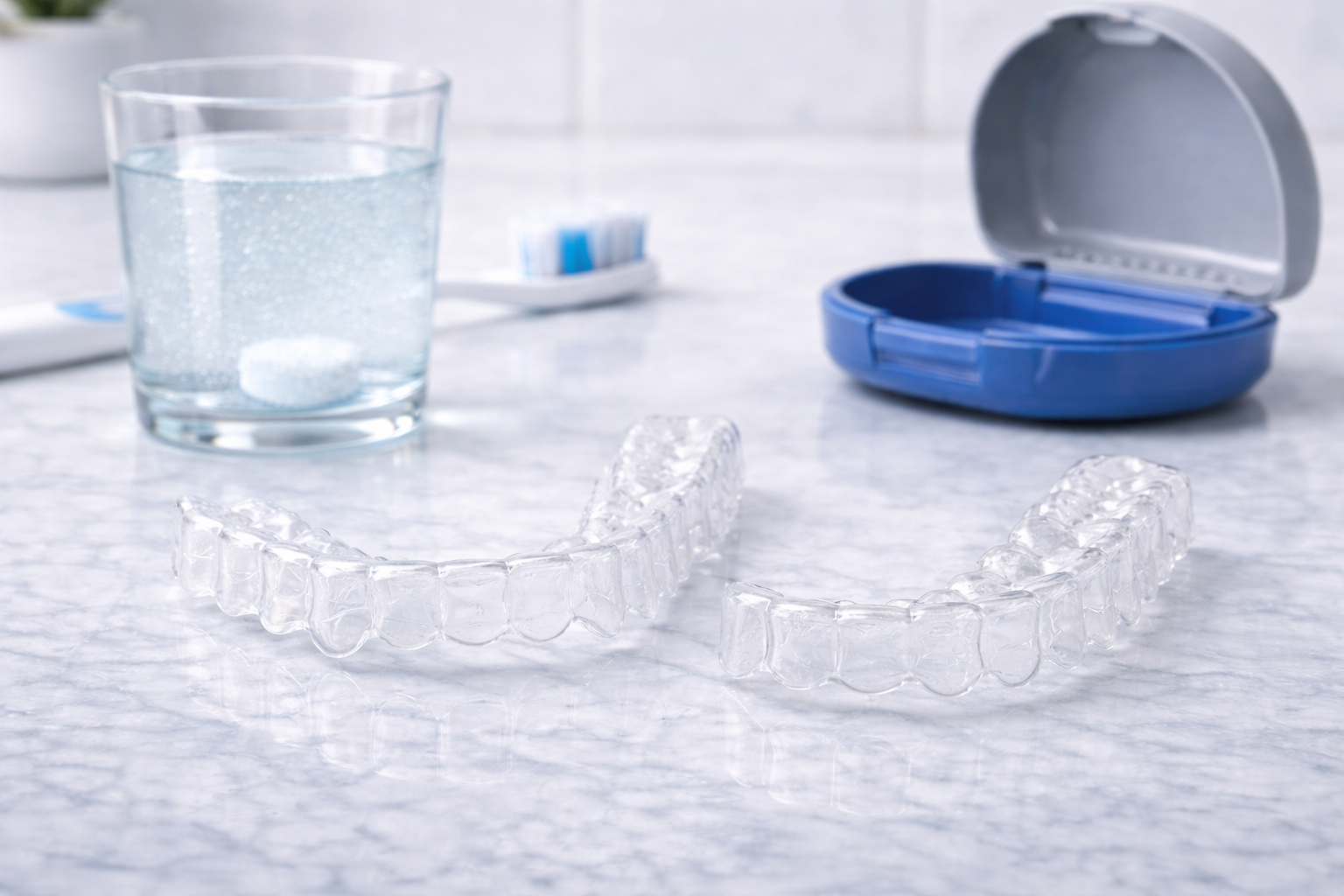
The first time I heard about ultrasonic cleaning, I had no idea what it meant. The term sounded technical, almost futuristic, like something you would hear in a science lab or a high-tech factory. But the surprising thing was where I encountered it: at a dentist’s office.
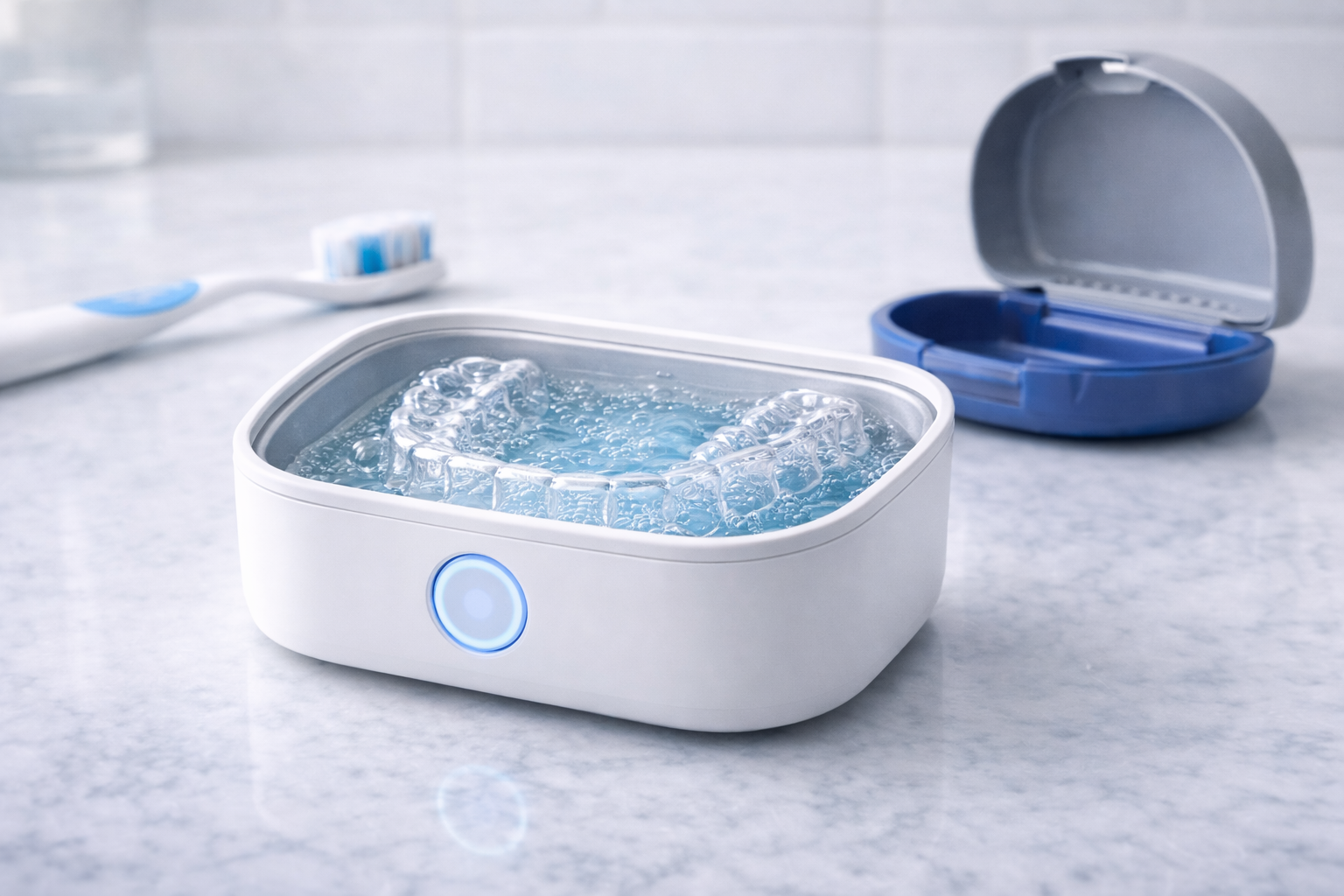
I had brought my retainer in for a checkup because it had started to look cloudy, even though I cleaned it regularly. The dental assistant took it from me, placed it into a small metal container filled with liquid, pressed a button, and said, “We’ll clean it with an ultrasonic cleaner.”
Within minutes, my retainer came back looking noticeably clearer.
Naturally, I became curious. What exactly had just happened inside that machine? And how could it clean something so thoroughly in such a short amount of time?
That experience sent me down a path of learning about ultrasonic cleaning—what it is, how it works, and why it’s used in so many industries, from dentistry to jewelry to electronics.
What Is Ultrasonic Cleaning?
Ultrasonic cleaning is a method of cleaning objects using high-frequency sound waves combined with a liquid cleaning solution.
Although it might sound complicated, the basic idea is surprisingly simple.
An ultrasonic cleaner uses sound waves that are far above the range of human hearing—usually between 20,000 and 40,000 vibrations per second. These sound waves travel through a liquid solution and create millions of microscopic bubbles.
Those tiny bubbles play the key role in the cleaning process.
When the bubbles form and collapse rapidly, they create a phenomenon called cavitation. This process produces tiny bursts of energy that gently remove dirt, oils, bacteria, and other contaminants from surfaces.
What makes ultrasonic cleaning so effective is that it can reach tiny crevices and microscopic spaces that ordinary cleaning methods might miss.
The First Time I Saw It in Action
Watching an ultrasonic cleaner work for the first time is surprisingly fascinating.
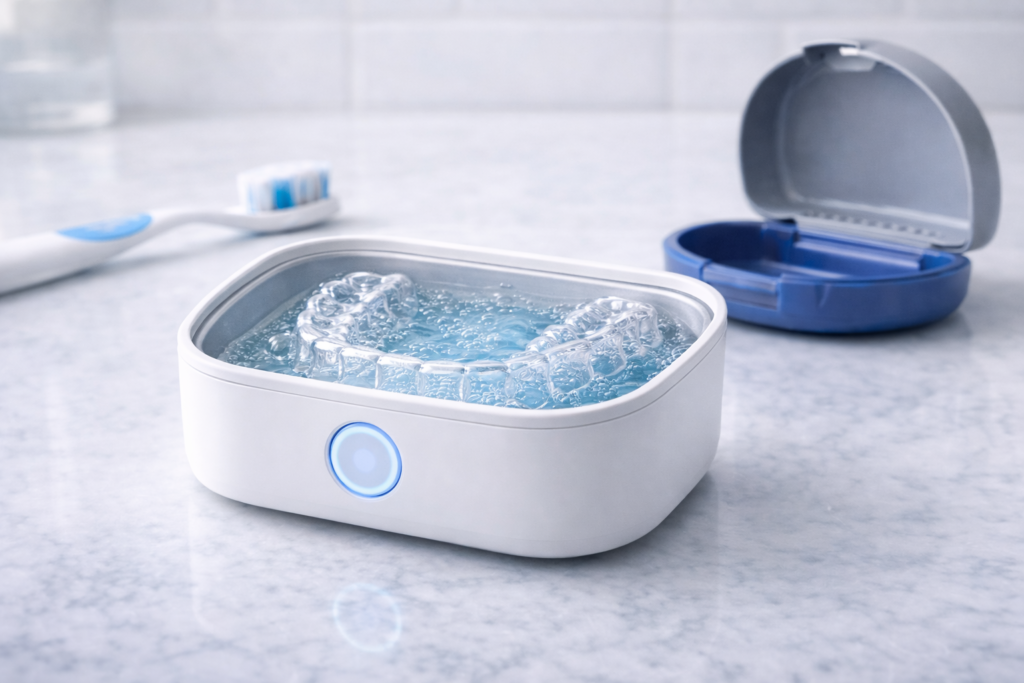
At my dentist’s office, the machine itself looked simple—just a small metal tank with a lid. When the assistant placed my retainer inside, the liquid seemed completely calm.
But once the machine turned on, something interesting happened. The surface of the water began to vibrate slightly. You couldn’t see the bubbles clearly, but the entire container seemed to hum softly.
Inside the liquid, millions of microscopic cleaning events were happening every second.
Even though the process looked gentle, it was extremely effective.
Within a few minutes, the buildup that had been sitting on my retainer for weeks had been loosened and removed.
How Ultrasonic Cleaning Actually Works
To understand ultrasonic cleaning more clearly, it helps to break the process into simple steps.
Step 1: Filling the Tank
The ultrasonic cleaner contains a tank that is filled with water or a specialized cleaning solution.
The solution helps break down oils, debris, and contaminants.
Step 2: Placing the Object Inside
Items that need cleaning—such as retainers, dental tools, jewelry, or small mechanical parts—are placed into the liquid.
Often, they are placed inside a small basket so they don’t touch the bottom of the tank directly.
Step 3: Generating Sound Waves
Once the machine is turned on, it produces high-frequency sound waves that travel through the liquid.
These sound waves create alternating pressure cycles.
Step 4: Cavitation Bubbles Form
During these pressure cycles, microscopic bubbles begin to form in the liquid.
These bubbles grow and collapse extremely quickly.
Step 5: Tiny Cleaning Energy Bursts
When the bubbles collapse, they release small bursts of energy.
These bursts gently dislodge dirt, plaque, grease, or other particles from the surface of the object.
The process continues thousands of times per second until the object becomes clean.
Why Ultrasonic Cleaning Is So Effective
One of the most interesting things about ultrasonic cleaning is that it works in places that traditional cleaning tools can’t reach.
Think about objects with tiny grooves, holes, or complex shapes.
For example:
- Dental retainers
- Jewelry with intricate designs
- Watches
- Small mechanical parts
- Laboratory equipment
Trying to clean these objects with a brush can be difficult. Brushes can only reach the surfaces they physically touch.
Ultrasonic cleaning, however, works throughout the entire liquid environment.
Because the cavitation bubbles form everywhere in the solution, they can clean even the smallest spaces.
Where Ultrasonic Cleaning Is Commonly Used
Before learning about ultrasonic cleaning, I assumed it was mainly used in dentistry. But it turns out that this technology is used in many different industries.
Dentistry
Dental offices frequently use ultrasonic cleaners to sanitize:
- Dental instruments
- Orthodontic retainers
- Aligners
- Dentures
It helps remove debris before instruments are sterilized.
Jewelry Cleaning
Many jewelry stores use ultrasonic cleaners to restore shine to rings, necklaces, and bracelets.
The tiny bubbles remove oils and dirt trapped in small decorative settings.
Medical Equipment
Hospitals and laboratories often use ultrasonic cleaning for delicate tools that require thorough cleaning.
Electronics and Engineering
Ultrasonic cleaning is also used to clean small electronic components and precision mechanical parts.
These items often contain spaces that are impossible to reach manually.
Ultrasonic Cleaning for Retainers and Aligners
For people who wear orthodontic appliances, ultrasonic cleaners can be especially useful.
Retainers and aligners have small grooves and tight surfaces where plaque and bacteria can accumulate.
Even with regular brushing, it can be difficult to remove buildup completely.
Ultrasonic cleaning can help loosen and remove:
- Plaque deposits
- Bacteria
- Mineral buildup
- Food particles
Because the process is gentle, it can clean the appliance without requiring aggressive scrubbing.
Is Ultrasonic Cleaning Safe?
One of the first questions people often ask is whether ultrasonic cleaning is safe for delicate objects.
In most cases, the answer is yes.
Ultrasonic cleaning works through tiny energy bursts in liquid, rather than harsh physical scrubbing. This makes it a relatively gentle cleaning method.
However, not every object should be cleaned ultrasonically.
Certain delicate materials, loose gemstones, or fragile items may require alternative cleaning methods.
That’s why professionals often recommend checking whether an item is suitable for ultrasonic cleaning before placing it in the machine.
The Growing Popularity of Ultrasonic Cleaners at Home
In recent years, small ultrasonic cleaners designed for home use have become more common.
These devices are often marketed for cleaning:
- Jewelry
- Eyeglasses
- Retainers
- Aligners
- Small metal accessories
They are usually compact and easy to use. Most models require only water or a mild cleaning solution.
Many people appreciate the convenience of being able to clean small personal items regularly without visiting a professional.
A Technology That Works Quietly
What I find most interesting about ultrasonic cleaning is how subtle the process appears.
From the outside, the machine looks simple. There are no visible brushes, no intense movement, and no dramatic chemical reactions.
Yet inside that quiet tank of liquid, millions of microscopic bubbles are forming and collapsing every second, performing an incredibly precise cleaning process.
It’s a reminder that sometimes the most effective technology works in ways we can barely see.
Final Thoughts
Ultrasonic cleaning might sound like a complex scientific concept, but its core idea is surprisingly elegant.
By using high-frequency sound waves and microscopic bubbles, ultrasonic cleaners can remove dirt, bacteria, and buildup from surfaces that are difficult to clean manually.
This technology has become an important tool in many fields, including dentistry, jewelry care, medical equipment cleaning, and precision engineering.
Whether used in a professional setting or at home, ultrasonic cleaning offers a powerful way to keep delicate items clean without harsh scrubbing.
And the next time you see a small humming machine quietly cleaning something in a dentist’s office, you’ll know that beneath the surface, thousands of tiny bubbles are hard at work.