I didn’t always think much about my gums. Like most people, I focused on my teeth—their color, their alignment, the occasional cavity that forced me into a dentist’s chair. Gums felt like the quiet background of the mouth, something that simply existed to hold everything together. It wasn’t until I experienced that subtle, persistent discomfort—a slight swelling, a hint of bleeding when I brushed—that I began to realize how much I had been overlooking.
At first, I ignored it. Life was busy, and it didn’t seem urgent. But over time, those small signs grew harder to dismiss. Brushing became uncomfortable. Flossing felt like a chore I wanted to avoid. And somewhere in the back of my mind, a question started to form: what happens if I keep ignoring this?
That question led me down a path of learning—not just about gum disease itself, but about how easily it can be prevented with simple, consistent habits.
The Quiet Beginning of a Bigger Problem
Gum disease doesn’t usually arrive dramatically. It starts quietly, almost politely, as gingivitis. You might notice a little redness, some puffiness, or bleeding when you brush. It’s easy to brush it off—literally and figuratively—thinking you just brushed too hard.
But the truth is, those are early warning signs. Your gums are trying to tell you something: bacteria are building up along the gumline, forming plaque that irritates the tissue. Left alone, this plaque hardens into tartar, and that’s when things begin to escalate.
I remember the first time a dentist explained this to me. He didn’t lecture or scare me. He simply said, “Your gums are reacting to what you’re not removing.” That sentence stuck with me. It reframed everything. It wasn’t about fear—it was about responsibility.
Building a Routine That Actually Works
The idea of “taking care of your gums” can sound vague, but in reality, it comes down to a few consistent habits. The challenge isn’t knowing what to do—it’s doing it regularly, even on days when you’re tired or distracted.
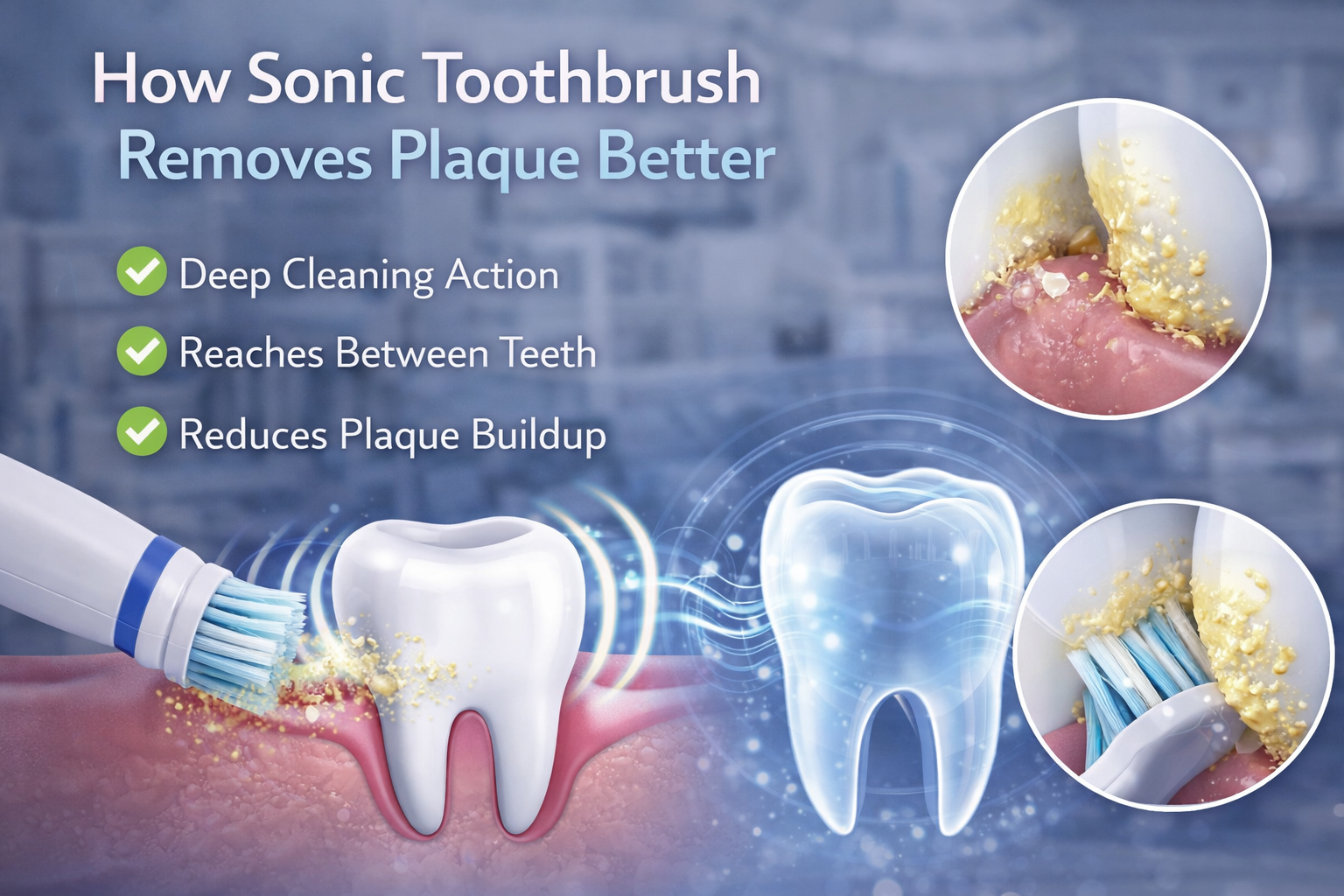
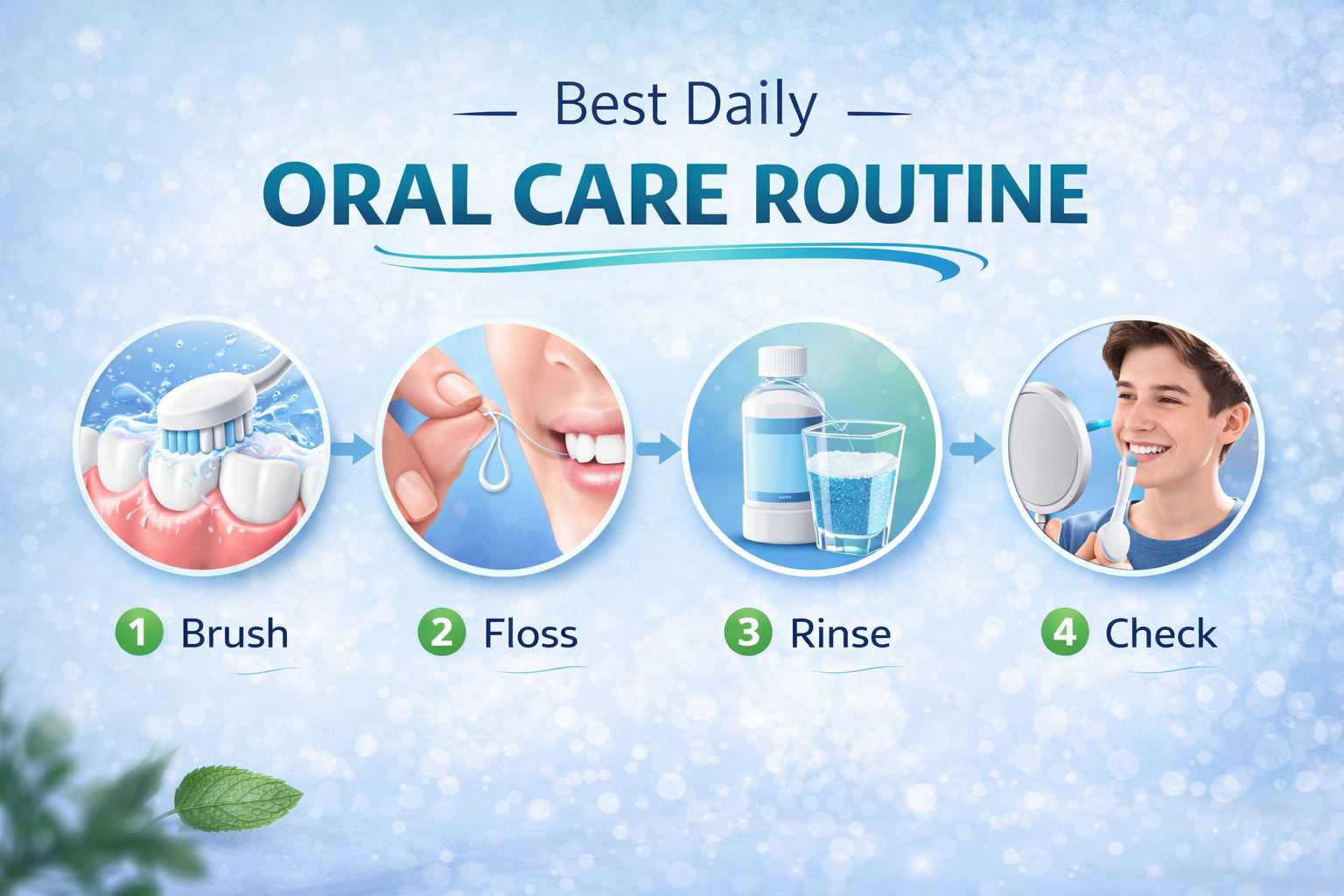
Brushing, for example, is something we all do. But how often do we really pay attention to how we brush? I used to rush through it, focusing mainly on my teeth. Over time, I learned to slow down, to angle the brush toward the gumline, to treat that area with care rather than neglect.
It wasn’t about brushing harder—it was about brushing smarter.
Flossing was another story. For years, I treated flossing like an optional extra, something I’d do the night before a dental appointment. But once I understood that flossing removes plaque from places a toothbrush can’t reach, it started to feel less optional and more essential.
At first, it felt tedious. But like any habit, it became easier with time. Eventually, it became part of my routine—something I did without overthinking.
And that’s the key: consistency beats intensity. You don’t need perfect technique every single time. You just need to show up for your routine, day after day.
The Role of What You Eat
It surprised me how much diet plays a role in gum health. I had always associated sugar with cavities, but I hadn’t thought much about how it affects the gums.
Sugary and starchy foods feed the bacteria in your mouth, helping them grow and produce acids that irritate your gums. Frequent snacking makes it worse, because it gives those bacteria a constant supply of fuel.
I didn’t overhaul my diet overnight. Instead, I made small changes. I became more mindful of how often I was snacking. I started drinking more water, especially after meals, to help wash away food particles.
Crunchy fruits and vegetables—like apples and carrots—became a regular part of my day. Not only are they healthy, but they also help clean your teeth in a natural way.
It wasn’t about restriction. It was about awareness.
Regular Dental Visits: More Than Just a Formality
For a long time, I viewed dental checkups as something to get through quickly. But over time, I began to see them differently.
A dentist doesn’t just clean your teeth—they check for early signs of problems you might not notice yourself. Gum disease, especially in its early stages, can be painless. That’s what makes it so easy to ignore.
During one visit, my dentist pointed out areas where my gums were starting to recede slightly. I hadn’t noticed anything unusual. But catching it early meant I could adjust my habits before it became something more serious.
That’s the value of regular checkups. They’re not just about fixing problems—they’re about preventing them.
Understanding the Bigger Picture
One of the most eye-opening things I learned was how gum health connects to overall health. It’s not just about your mouth.
Studies have shown links between gum disease and other conditions, including heart health and diabetes. While the exact connections are still being studied, the message is clear: taking care of your gums is part of taking care of your body.
That realization changed how I approached my daily routine. It wasn’t just about avoiding discomfort or keeping my smile looking good. It was about long-term health.
Small Signs, Big Signals
Looking back, I realize how easy it is to ignore the early signs of gum disease. A little bleeding here, a bit of sensitivity there—it doesn’t seem urgent.
But those small signs are signals. They’re your body’s way of asking for attention.
Now, I try to listen more closely. If something feels off, I don’t dismiss it. I take it as a reminder to check in with my habits, to make sure I’m doing what I can to maintain my health.
It’s a simple shift, but it makes a difference.
A Habit That Stays With You
Avoiding gum disease isn’t about doing something extraordinary. It’s about building habits that become part of your everyday life.
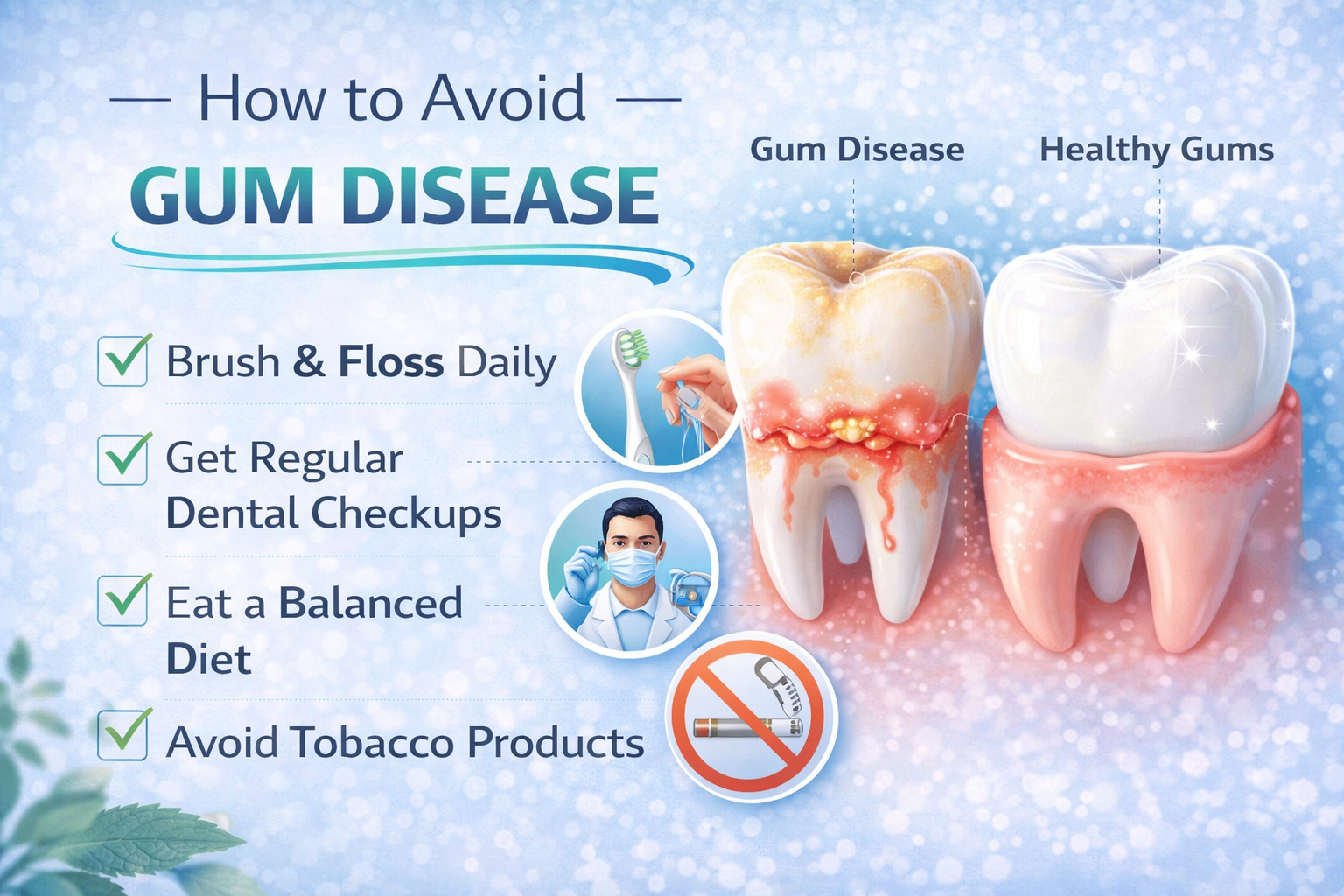
Brushing carefully. Flossing regularly. Eating mindfully. Visiting your dentist. None of these actions are complicated on their own. But together, they create a strong foundation for healthy gums.
And the best part? Once these habits are established, they don’t feel like effort anymore. They become automatic, like tying your shoes or checking your phone.
That’s when you know you’ve made a real change.
A Personal Reflection
If I could go back and talk to my younger self, I wouldn’t give a long lecture about gum disease. I’d keep it simple.
I’d say: “Pay attention to the small things. They matter more than you think.”
Because in the end, that’s what avoiding gum disease is really about. It’s not about perfection. It’s about awareness, consistency, and a willingness to take small steps every day.
I didn’t learn that all at once. It came gradually, through experience, mistakes, and a bit of discomfort that I wish I had taken seriously sooner.
But maybe that’s how most lessons work. They don’t arrive fully formed. They build over time, shaping the way we think and act.
And now, every time I brush my teeth or pick up a piece of floss, I’m reminded of that journey—not as something dramatic, but as something quietly important.
Because sometimes, the most meaningful changes are the ones that happen in the background, shaping your health in ways you don’t immediately see.
And that’s exactly what taking care of your gums does.