I didn’t always think much about my gums.
Like most people, I focused on my teeth—how white they looked in photos, whether my breath was fresh before a conversation, or if I had anything stuck between them after a meal. Gums? They were just… there. Quiet, unnoticed, and honestly, unappreciated.
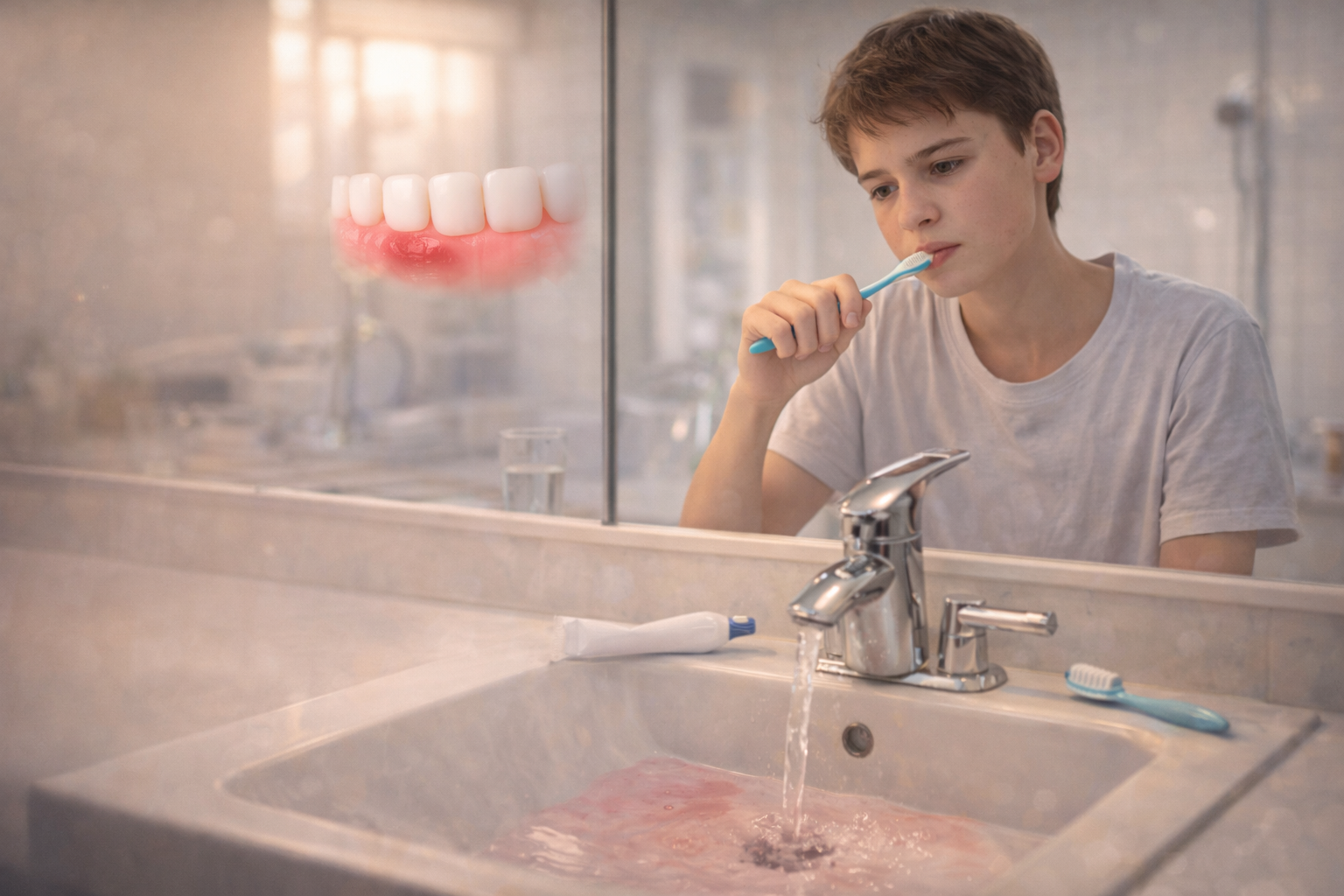
That changed one morning when I noticed a faint trace of blood in the sink after brushing. It wasn’t dramatic. Just a light pink swirl disappearing down the drain. I told myself it was nothing—maybe I brushed too hard. But then it happened again. And again.
That’s when I realized something wasn’t right.
The Wake-Up Call
I remember sitting in front of the mirror, pulling my lower lip down slightly, inspecting my gums like I suddenly expected them to explain everything. They looked a little red. Slightly swollen. Not painful—but not exactly healthy either.
I did what most of us do: I searched online.
What I found was both reassuring and alarming. Bleeding gums are common—but they’re also one of the earliest signs of gum disease. And gum disease, if ignored, doesn’t just stay in your mouth. It can affect your overall health in ways I had never considered before.
That was my turning point.
I didn’t want a complicated routine or expensive treatments. I just wanted something real—simple habits that worked, and worked fast.
Step One: Rethinking How I Brushed My Teeth
The first thing I realized? I had been brushing my teeth wrong for years.
I used to brush quickly, aggressively, and without much thought—like it was a chore to finish rather than a habit to care about. But gums aren’t meant to be scrubbed harshly. They need gentle attention.
So I changed my approach.
I started using a soft-bristled toothbrush. At first, it felt too gentle, almost ineffective. But within a few days, I noticed something surprising—my gums didn’t feel irritated anymore after brushing.
Instead of scrubbing back and forth, I began using small circular motions, focusing not just on the teeth but along the gumline. I slowed down, making sure I brushed for a full two minutes.
It sounds simple. Almost too simple. But that one change made a difference within a week.
The bleeding started to reduce.
Step Two: Flossing—The Habit I Used to Avoid
I’ll be honest: I used to skip flossing.
It felt unnecessary, time-consuming, and a little uncomfortable. But once I learned that plaque hiding between teeth is one of the main causes of gum inflammation, I knew I couldn’t ignore it anymore.
The first few days were… not pleasant.
My gums were sensitive, and flossing caused a bit of bleeding. For a moment, I wondered if I was making things worse. But everything I read said the opposite—bleeding during flossing often means your gums need it more, not less.
So I stayed consistent.
Every night, no excuses.
And then something shifted.
Within about five days, the bleeding started to decrease. By the second week, flossing felt easier. Less resistance. Less discomfort. It was like my gums were finally beginning to heal.
Step Three: Salt Water—The Old Remedy That Still Works
One evening, my grandmother casually suggested something I had completely overlooked: rinsing with salt water.
It sounded almost too traditional to be effective, but I decided to try it anyway.
Warm water. A pinch of salt. Nothing fancy.
I swished it gently around my mouth for about 30 seconds, especially focusing on the areas that felt inflamed.
The effect was subtle but noticeable.
My gums felt calmer. Less irritated. Almost… soothed.
I made it a habit—once in the morning, once before bed.
It became one of those quiet rituals that didn’t feel like “treatment,” but more like care.
Step Four: Paying Attention to What I Ate
This was the part I didn’t expect.
I had always thought gum health was just about brushing and flossing. But the more I learned, the clearer it became: what you eat matters just as much as how you clean your teeth.
I started making small changes.
I added more crunchy vegetables—carrots, cucumbers, apples. Not only were they healthy, but they also naturally helped clean my teeth as I ate.
I drank more water, especially after meals.
And I cut back—slowly—on sugary snacks. Not completely, just enough to make a difference.
Within a couple of weeks, I noticed something unexpected: my mouth felt fresher throughout the day. Less sticky. Less buildup. It was as if my gums were finally getting the support they needed from the inside, not just the outside.
Step Five: Listening to My Body
One of the most important lessons I learned during this journey was how to listen.
Your gums don’t shout. They whisper.
A little redness. A bit of bleeding. Slight sensitivity.
These are early signals, not problems to ignore.
Instead of brushing harder or pretending everything was fine, I started paying attention. Adjusting. Responding.
And the more I listened, the better things got.
The Results—And What “Fast” Really Means
When I first searched for “how to improve gum health fast,” I was hoping for an overnight fix.
That’s not how it works.
But here’s the truth: you can start seeing improvements faster than you think.
For me:
- Bleeding reduced within a week
- Sensitivity improved within 10 days
- Overall gum health noticeably better in about 2–3 weeks
It wasn’t instant—but it was fast enough to feel motivated, to keep going, and to trust the process.
What I Wish I Knew Earlier
If I could go back and tell my past self one thing, it would be this:
Healthy gums aren’t about doing something extreme. They’re about doing simple things consistently.
You don’t need complicated routines.
You don’t need expensive products.
You just need awareness—and a little patience.
A Gentle Reminder
If your gums are currently bleeding or feeling uncomfortable, don’t panic.
It doesn’t mean you’ve failed.
It means your body is asking for care.
Start small.
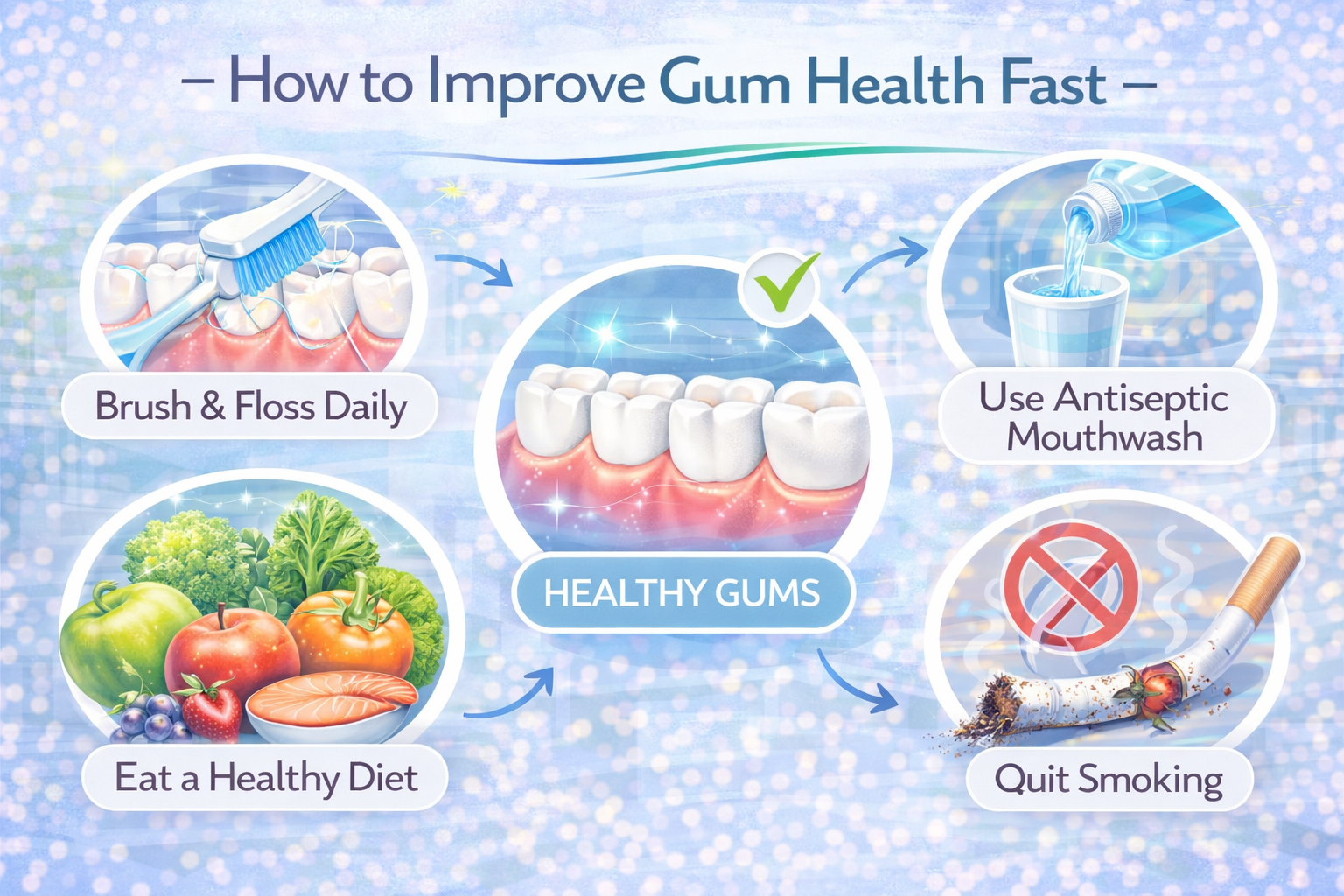
Brush gently. Floss daily. Rinse when you can. Drink water. Eat better when possible.
And most importantly—stay consistent.
Because the truth is, gum health isn’t built in a day.
But it can absolutely begin in one.
And maybe, like me, you’ll find yourself one morning brushing your teeth, looking at the sink—and noticing what’s no longer there.
No blood.
No discomfort.
Just a quiet, healthy smile looking back at you.