
I used to think going to the dentist twice a year was enough.
It felt responsible. Almost like I had everything under control. Every six months, I’d sit in that familiar chair, listen to the hum of the cleaning tools, answer a few routine questions, and leave with that polished, just-cleaned feeling. For a while, I believed that was the whole system—show up, get cleaned, repeat.
But over time, something didn’t quite add up.
Despite those regular visits, I still heard the same comments:
“You might want to floss a bit more.”
“Watch this area here.”
“Your gums are a little inflamed.”
Nothing serious. But enough to make me wonder—if I was doing the “right” thing by showing up, why wasn’t that enough?
That question lingered in my mind longer than I expected.
The Illusion of “Twice a Year Is Enough”
There’s something comforting about structure. The idea that you only need to think about your teeth every six months feels manageable, even reassuring.
But the truth is, dental visits are checkpoints—not daily protection.
Imagine only cleaning your room twice a year. No matter how thorough the cleaning is, it wouldn’t take long for things to get messy again. Dust builds up. Things pile out of place. Small issues grow into bigger ones.
Your mouth works the same way—except it’s even more active. Every meal, every snack, every sip of a sugary drink creates an environment where bacteria can thrive.
By the time you sit in the dentist’s chair, whatever has been building up for months is already there.
And that’s when it hit me: dentists don’t prevent problems in those two visits—they help manage what happened in between.
What Happens Between Appointments
After that realization, I started paying more attention to the time between visits.
It’s easy to overlook because nothing dramatic usually happens day to day. You don’t feel plaque forming. You don’t notice early gum irritation. It’s quiet, gradual.
But that’s exactly why it matters.
Plaque begins forming on your teeth within hours after brushing. If it’s not removed regularly, it hardens into tartar—something you can’t remove at home. That’s when professional cleaning becomes necessary.
But here’s the key point: by the time tartar forms, the problem has already progressed.
Dental visits don’t stop plaque from forming. They deal with the consequences.
The Role of Daily Habits
This is the part I underestimated for years.
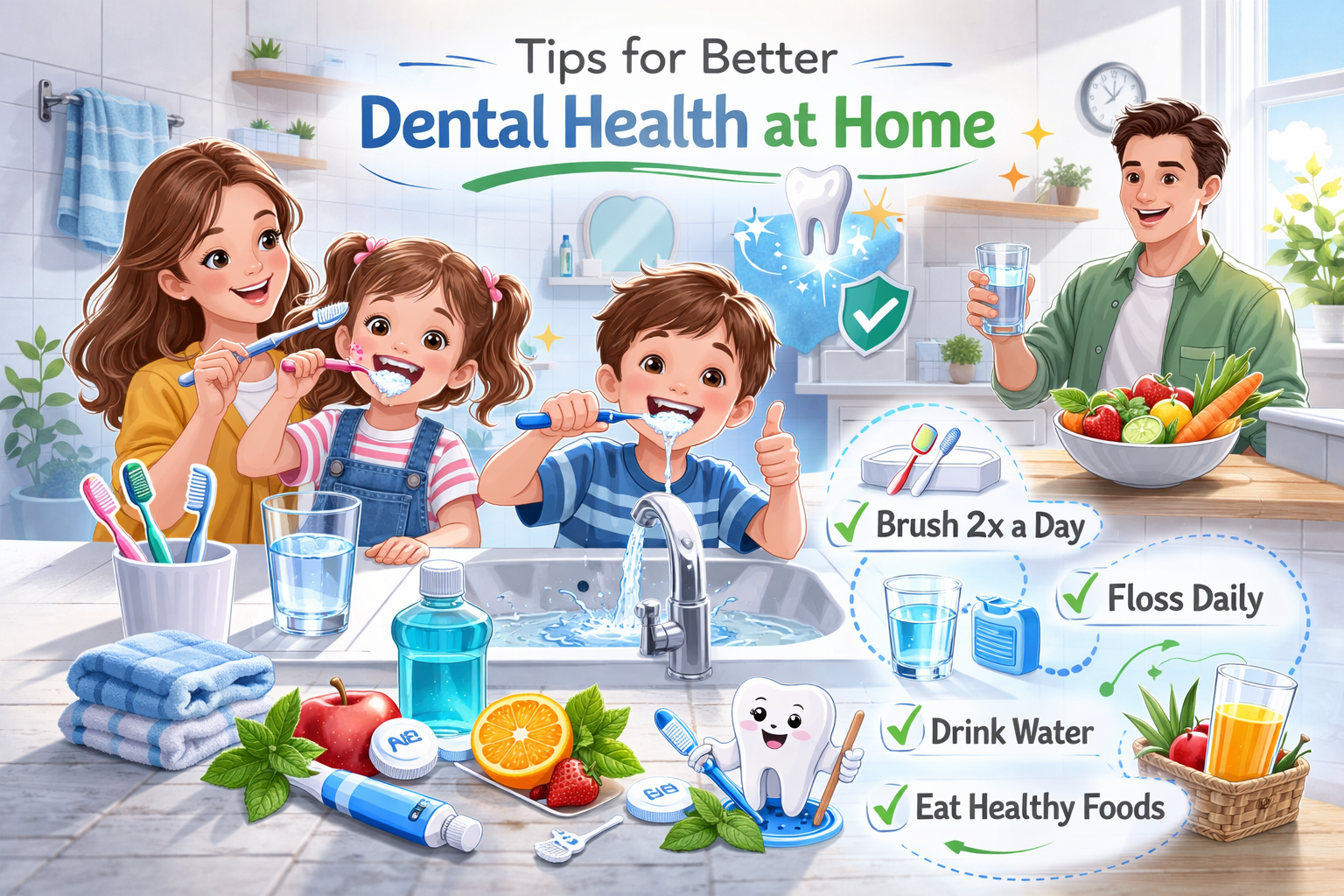
Brushing felt like a basic routine. Flossing felt optional—something you do when you remember or when you feel guilty enough.
But dentists don’t see it that way.
From their perspective, what you do every single day matters far more than what happens during a 30–60 minute appointment twice a year.
Think of it like this: your dentist is your coach, but you’re the one playing the game every day.
If your daily habits aren’t consistent, no amount of professional care can fully compensate for that.
That idea was a bit uncomfortable at first—but also strangely empowering.
The Things Dentists Can’t Do for You
There’s a limit to what even the best dentist can fix.
They can clean your teeth, remove buildup, treat cavities, and give advice. But they can’t follow you home. They can’t adjust how you brush every morning or remind you to floss at night.
And they definitely can’t undo habits that repeat hundreds of times between visits.
I remember my dentist once saying, almost casually:
“We see you for maybe an hour or two a year. The rest is up to you.”
At the time, it sounded obvious. But the more I thought about it, the more it shifted how I saw responsibility.
Small Neglect, Big Consequences
One of the most surprising things I learned is how small habits—barely noticeable—can lead to bigger issues over time.
Skipping flossing doesn’t seem like a big deal… until it becomes a consistent pattern. Brushing too quickly doesn’t feel harmful… until certain areas are repeatedly missed.
These aren’t dramatic mistakes. They’re subtle ones.
But because they happen daily, they add up.
And by the time something becomes noticeable—a cavity, gum sensitivity, bleeding—it’s no longer a small issue.
That’s often when people rely on dental visits to “fix” things. But by then, prevention has already been replaced with treatment.
Prevention Feels Invisible
One reason it’s easy to rely too much on dental visits is that prevention doesn’t feel rewarding.
You don’t get immediate results from brushing properly. There’s no instant feedback telling you, “You avoided a future problem today.”
It’s quiet. Almost invisible.
But that doesn’t make it less important.
In fact, the absence of problems is often the result of consistent, unnoticed effort.
Dentists understand this deeply because they see both sides—people who maintain strong daily habits and those who rely mostly on occasional visits.
The difference isn’t always obvious right away. But over time, it becomes clear.
Changing the Way I Think About Dental Care
After enough visits and conversations, something in my mindset shifted.
I stopped thinking of dental appointments as the main event.
Instead, I started seeing them as support.
A check-in. A way to catch things early. A chance to learn and adjust.
But not the foundation.
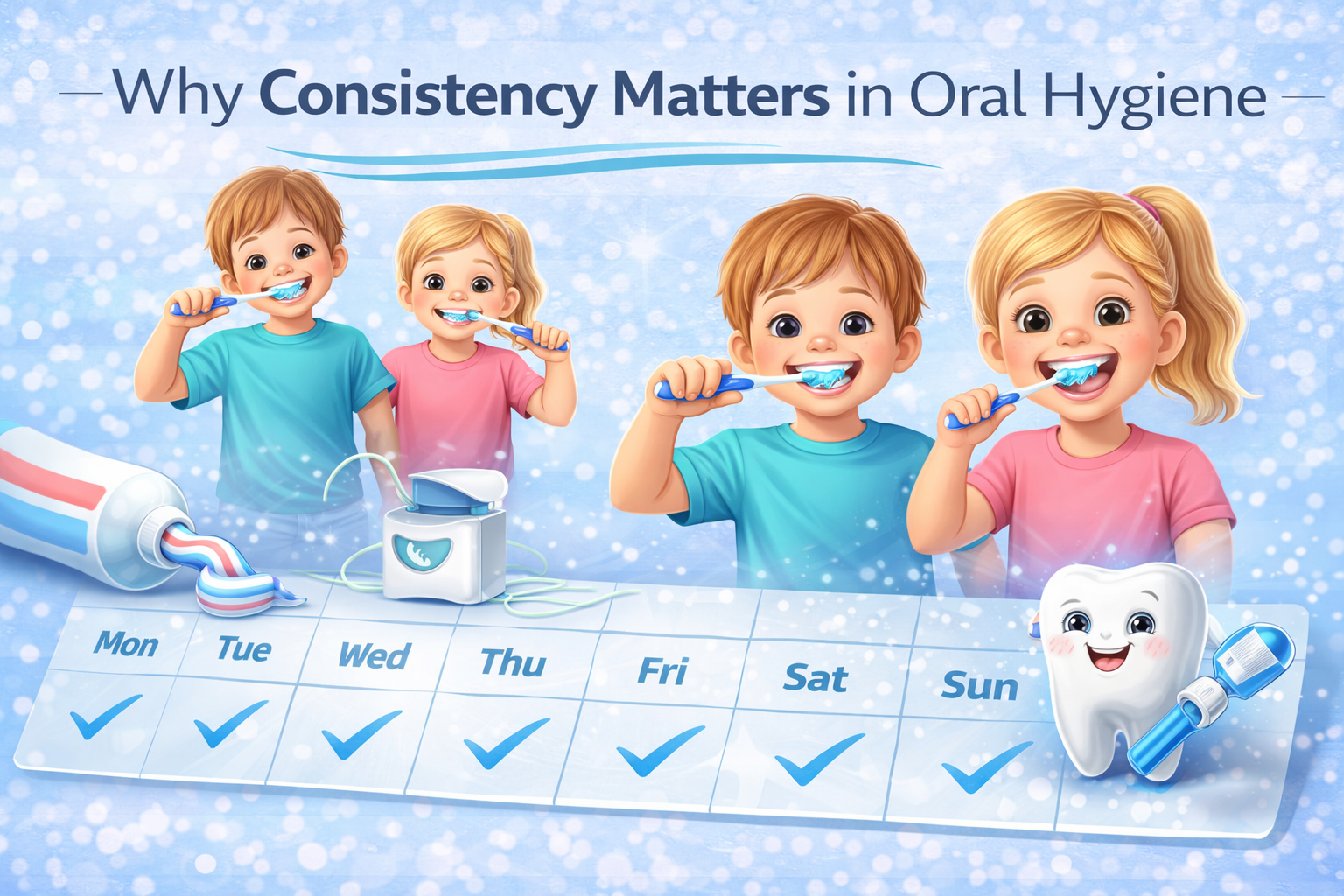
The foundation is what happens at home—every morning, every night, in small routines that don’t seem significant on their own.
That shift didn’t require a complete lifestyle overhaul. It was more about awareness.
Brushing became slower and more deliberate. Flossing became part of the routine instead of an afterthought. Even paying attention to what I eat—and when I brush—started to feel more connected.
The Balance That Actually Works
It’s not that dental visits aren’t important—they absolutely are.
Skipping them would create a different kind of problem. There are things only professionals can detect and treat early.
But relying on them alone is like expecting a single repair session to maintain something that’s used every day.
The real balance is simple, even if it’s not always easy:
- Daily care prevents problems
- Professional care manages what you might miss
Both matter. But they don’t play the same role.
A Different Kind of Responsibility
There’s something subtle but meaningful about realizing that your health isn’t maintained in occasional moments—it’s built in repeated ones.
That idea extends beyond dental care, but it feels especially clear here because the routine is so consistent.
You don’t need perfect technique every single time. You don’t need to be obsessive about it.
But you do need to be present.
Because those small, repeated actions—done well enough, often enough—are what make the biggest difference over time.
Walking Into the Next Appointment
Now, when I go to the dentist, it feels different.
There’s less uncertainty. Less of that quiet worry about what they might find.
Not because everything is perfect—but because I know I’ve been paying attention in the time between visits.
And that changes the experience.
Instead of feeling like I’m waiting to be told what went wrong, it feels more like a conversation. A check-in. A collaboration.
What This Really Comes Down To
If there’s one thing I’ve taken away from all of this, it’s this:
Dental visits are important—but they’re not enough on their own.
They’re part of the system, not the whole system.
What really shapes your dental health happens in the quiet, routine moments that no one else sees.
And once you understand that, the role of the dentist becomes clearer—not as someone who fixes everything for you, but as someone who helps you take better care of it yourself.
That realization doesn’t make the process harder.
If anything, it makes it simpler.
Because it brings the focus back to something small, manageable, and entirely within your control.