
I didn’t think much of it at first.
It started with something small—bleeding gums when I brushed too hard, or at least that’s what I told myself. A little pink in the sink didn’t seem like a big deal. Life was busy, and honestly, brushing twice a day felt like enough. Flossing? That always felt optional, like something dentists said just to make you feel guilty.
But over time, the “small things” stopped being so small.
There was a morning I woke up with a strange taste in my mouth—metallic, unpleasant, impossible to ignore. I brushed, rinsed, even used mouthwash, but it lingered. That day, I found myself avoiding conversations, covering my mouth when I spoke, wondering if others noticed something I couldn’t quite fix.
That’s when I started to realize: poor oral hygiene doesn’t just stay in your mouth. It creeps into your confidence, your habits, and eventually, your overall health.
It Starts Quietly
One of the most dangerous things about poor oral hygiene is how quietly it begins.
You don’t wake up one day with a serious dental problem out of nowhere. It builds slowly. Plaque forms on your teeth—a thin, sticky film of bacteria that feeds on sugars from your food. If it’s not removed, it hardens into tartar, which brushing alone can’t fix.
At first, it’s just mild gum irritation. Maybe your gums look a bit red or feel sensitive. It’s easy to ignore. You tell yourself you’ll take better care of it tomorrow.
But tomorrow turns into next week, then next month.
And the bacteria don’t wait.
When Gums Begin to Suffer
Gum disease, or gingivitis, is often the first real sign that something is wrong.
I remember noticing my gums looked a little swollen. They bled more often, even when I brushed gently. Still, I didn’t think it was serious. After all, there was no pain—just discomfort.
That’s the tricky part. Early gum disease doesn’t always hurt.
But underneath the surface, your gums are inflamed. The bacteria are attacking the soft tissue that holds your teeth in place. If left untreated, gingivitis can progress into periodontitis, a much more severe condition.
At that stage, the damage becomes harder—and sometimes impossible—to reverse.
Teeth can loosen. Gums can recede. And in extreme cases, teeth may even fall out.
The Social Impact No One Talks About
We often think of oral hygiene as a health issue, but it’s also deeply social.
Bad breath—also known as halitosis—is one of the most immediate and noticeable consequences of poor oral care. And unlike a cavity, it’s something other people experience with you.
I remember becoming hyper-aware of how close I stood to people when I spoke. I started chewing gum more often, drinking water constantly, anything to mask the problem. But masking isn’t solving.
It affects how you carry yourself. You might smile less, laugh less openly, or avoid close conversations altogether. Over time, it chips away at your confidence.
And the worst part? Most people won’t tell you directly. They’ll just step back slightly, turn their head, or keep conversations short.
It Goes Beyond the Mouth
Here’s something I didn’t realize until much later: oral health is closely connected to overall health.
The mouth isn’t isolated from the rest of the body. In fact, it’s one of the main entry points.
When harmful bacteria build up in your mouth, they can enter your bloodstream through inflamed or bleeding gums. From there, they can travel to other parts of your body, contributing to more serious health issues.
Research has linked poor oral hygiene to conditions such as heart disease, diabetes complications, and respiratory infections.
It sounds dramatic, but it’s true.
Taking care of your teeth isn’t just about avoiding cavities—it’s about protecting your entire system.
The Pain You Can’t Ignore
Eventually, if things go unchecked, the pain comes.
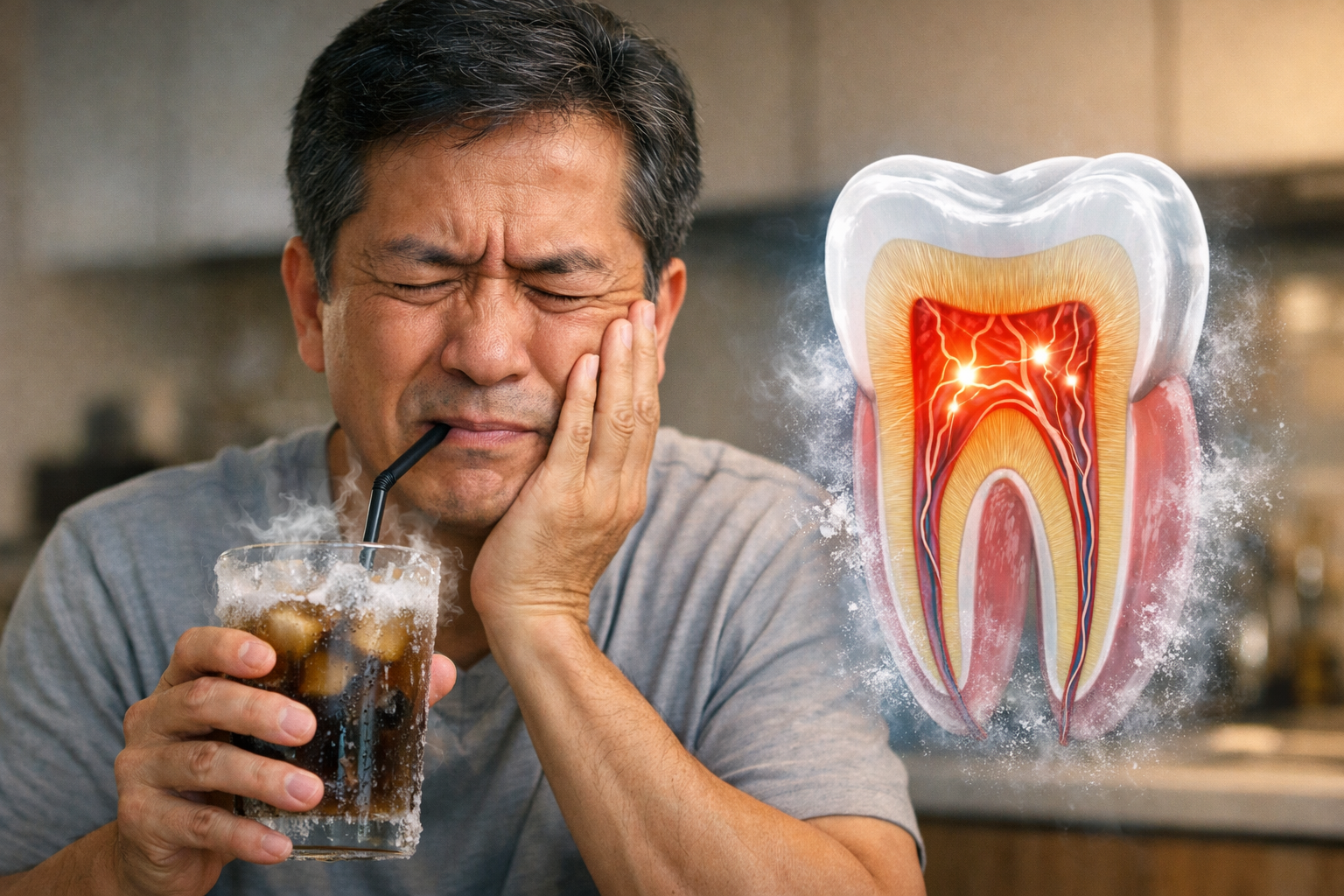
Tooth decay doesn’t stay mild forever. A small cavity can grow deeper, reaching the inner layers of the tooth where nerves live. That’s when sensitivity turns into sharp, persistent pain.
I remember biting into something cold and feeling a sudden jolt that made me freeze. It wasn’t just uncomfortable—it was alarming.
At that point, there’s no more ignoring it.
Dental treatments become necessary—fillings, root canals, or even extractions. These procedures can be costly, time-consuming, and stressful, especially when they could have been avoided with simple daily habits.
Why We Ignore It
Looking back, I realized the issue wasn’t just about laziness.
Sometimes, we ignore oral hygiene because the consequences aren’t immediate. Skipping one night of brushing doesn’t seem to matter. Neither does skipping flossing for a week.
But oral health is cumulative. Every small decision adds up.
There’s also a psychological side to it. Dental visits can feel intimidating. The sounds, the tools, the fear of being judged—it can make people delay appointments longer than they should.
And the longer you wait, the worse things can get.
The Turning Point
For me, the turning point wasn’t a dramatic moment—it was a quiet realization.
I didn’t want to keep worrying about my breath. I didn’t want to feel anxious about smiling or talking. And I definitely didn’t want to deal with serious health problems that could have been prevented.
So I started small.
I paid more attention to how I brushed—taking my time instead of rushing. I made flossing a daily habit, even when it felt tedious. I scheduled a dental check-up, even though I was nervous about what I might hear.
And something interesting happened.
Within a few weeks, my gums felt healthier. The bleeding stopped. That strange taste in my mouth disappeared. And slowly, my confidence came back.
Simple Habits, Big Impact
The solution to poor oral hygiene isn’t complicated, but it does require consistency.
Brushing twice a day with proper technique is essential. Flossing helps clean the spaces your toothbrush can’t reach. Regular dental visits catch problems early, before they become serious.
It’s not about perfection—it’s about routine.
Even small improvements can make a big difference over time.
A Lesson Worth Sharing
If there’s one thing I’ve learned, it’s this: don’t wait for pain to take your oral health seriously.
The hidden dangers of poor oral hygiene aren’t always obvious at first. They build quietly, affecting not just your teeth, but your confidence, your comfort, and your overall well-being.
Taking care of your mouth is, in many ways, taking care of yourself.
And sometimes, the smallest habits—done consistently—can protect you from the biggest problems.
So tonight, when you pick up your toothbrush, don’t rush it.
Think of it as more than just a routine.
Think of it as an investment in your future self.