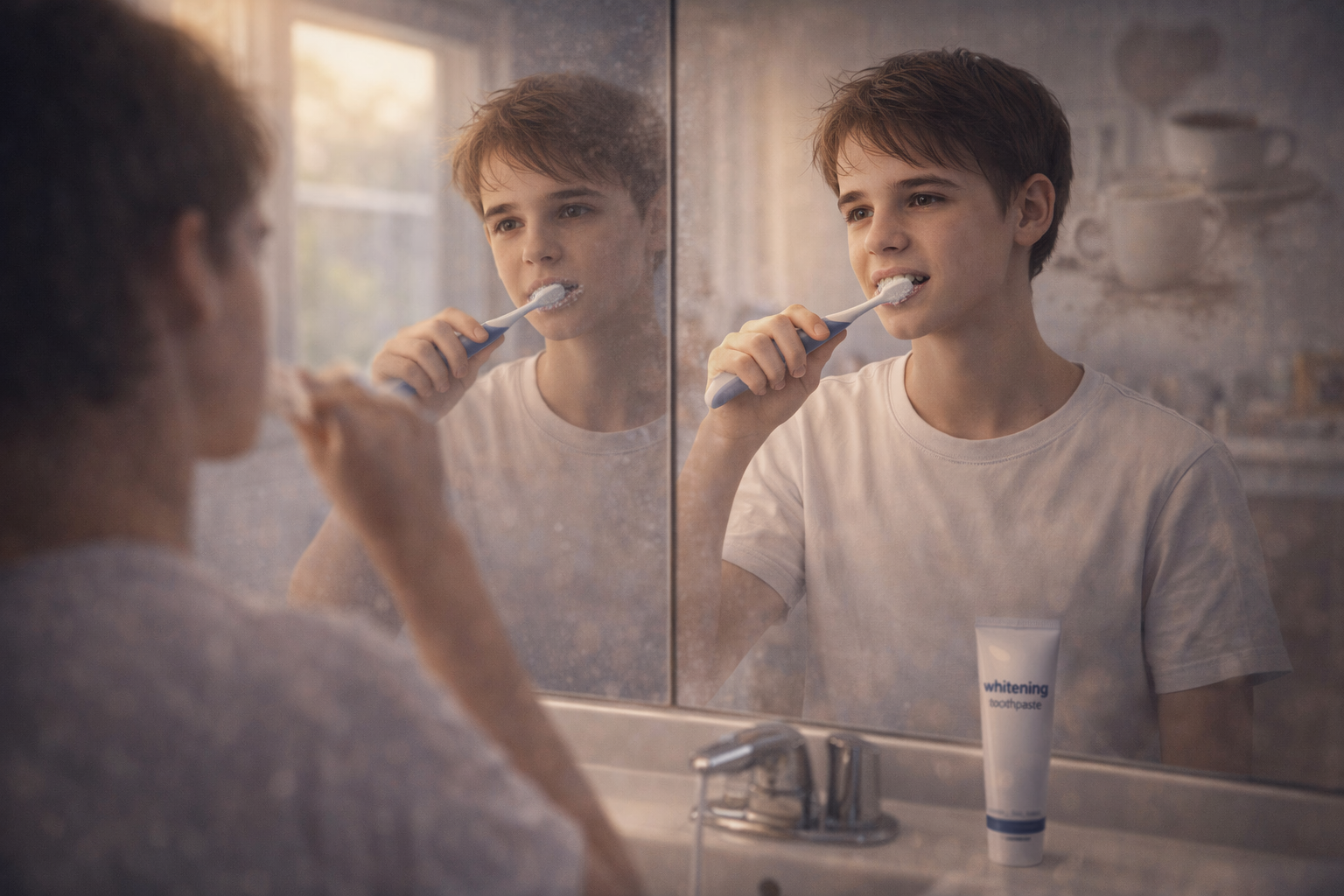
I still remember the first time I truly paid attention to my teeth—not just brushing them quickly before rushing out the door, but actually noticing them. It wasn’t after a dentist visit or a warning about cavities. It was one quiet evening when I caught my reflection under a warm bathroom light. My smile looked… tired. Not unhealthy, exactly, but neglected in a way that felt oddly personal. That moment stayed with me, and it slowly changed how I approached dental care—not as a chore, but as a small daily ritual of self-respect.
Taking care of your teeth at home isn’t just about avoiding cavities or freshening your breath before a conversation. It’s about building habits that quietly shape your confidence, your comfort, and even your long-term health. And the truth is, most of what matters happens in the small, consistent choices we make each day.
One of the first things I changed was how I brushed my teeth. Like many people, I used to treat brushing as a quick task—two rushed minutes, sometimes less, just enough to feel “done.” But I began slowing down. I started paying attention to each section of my mouth, noticing how the bristles moved along my gums and teeth. It sounds simple, but that shift made a huge difference.
Using a soft-bristled toothbrush is something dentists often recommend, but I didn’t understand why until I experienced it myself. A softer brush feels gentler, yet it cleans just as effectively without irritating your gums. Pairing that with a fluoride toothpaste helps strengthen enamel and prevent decay over time. I found that when I focused less on brushing hard and more on brushing thoroughly, my teeth felt cleaner—and my gums stopped feeling sore.
Flossing was another habit I used to ignore. If I’m being honest, it felt tedious. It was the step I skipped when I was tired or in a hurry. But once I committed to flossing daily, I realized how much I had been missing. There’s a certain satisfaction in knowing you’re cleaning the spaces your toothbrush can’t reach. Over time, my gums felt healthier, and that subtle discomfort I didn’t even realize I had began to fade.
Mouthwash came next—not as a replacement for brushing or flossing, but as a finishing touch. I like to think of it as the final rinse that leaves everything feeling balanced. Some people prefer alcohol-free mouthwash to avoid dryness, and that’s worth considering if you notice irritation. It’s not about picking the most expensive product, but about finding something that fits comfortably into your routine.
Diet plays a bigger role than I ever expected. I used to think dental health was mostly about what happened in the bathroom. But what we eat—and how often we eat—matters just as much. Sugary snacks, acidic drinks, and constant grazing can all create an environment where bacteria thrive.
I didn’t cut out sweets completely. That felt unrealistic and unnecessary. Instead, I became more mindful. I started enjoying treats at specific times rather than snacking on them throughout the day. Drinking water after meals became a simple but powerful habit. It helps rinse away food particles and keeps your mouth hydrated, which supports natural saliva production—your body’s built-in defense system for your teeth.
Another small change that made a difference was paying attention to timing. Brushing immediately after consuming acidic foods or drinks can actually do more harm than good, since enamel can be temporarily softened. Waiting about 30 minutes gives your teeth time to recover. It’s a subtle detail, but one that reflects how dental care is often about how you do things, not just what you do.
Replacing your toothbrush regularly is another detail that’s easy to overlook. I used to keep mine far longer than I should have, not realizing how worn bristles lose their effectiveness. Now, I replace it every three to four months, or sooner if it starts to look frayed. It’s a small investment that keeps your routine working as it should.
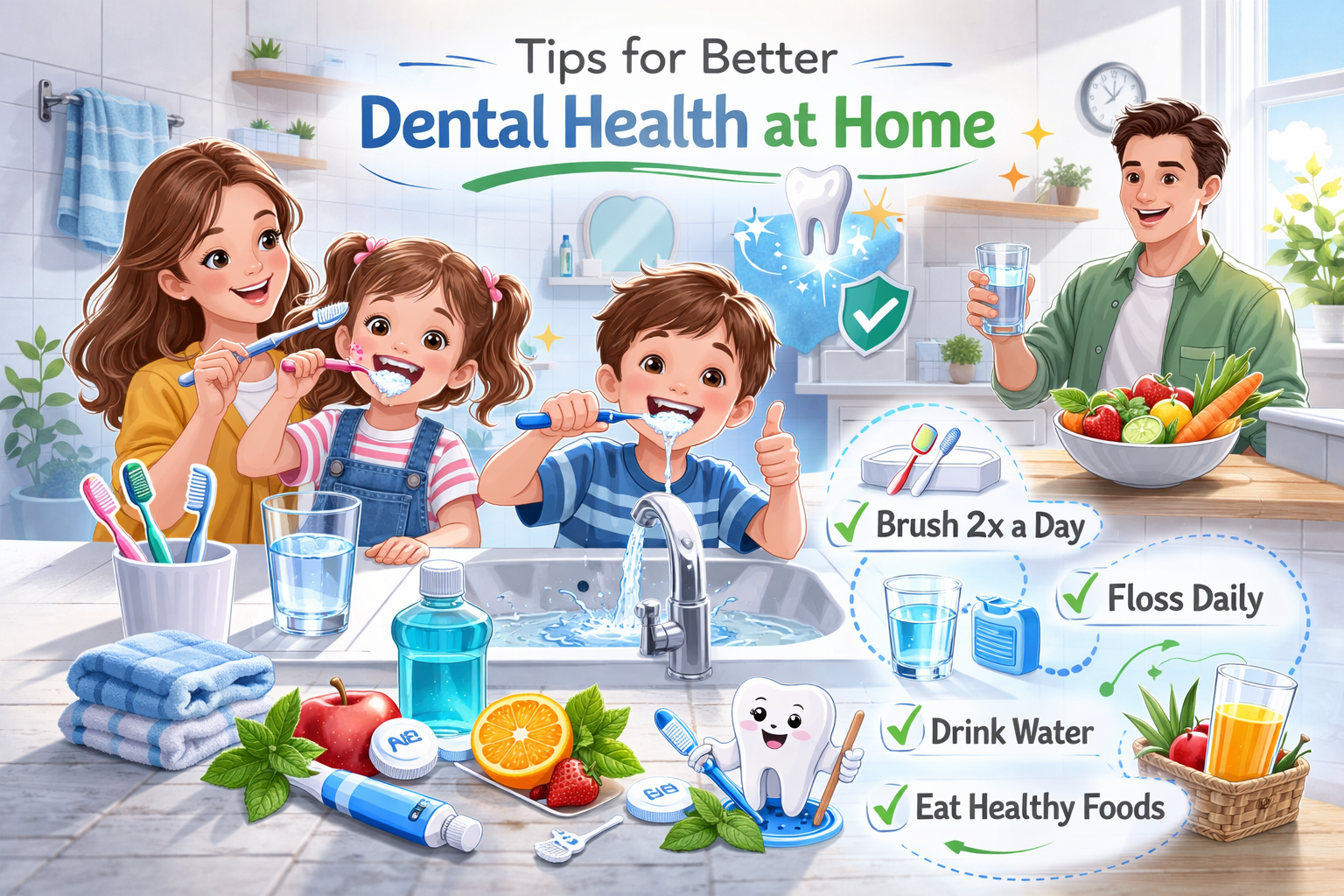
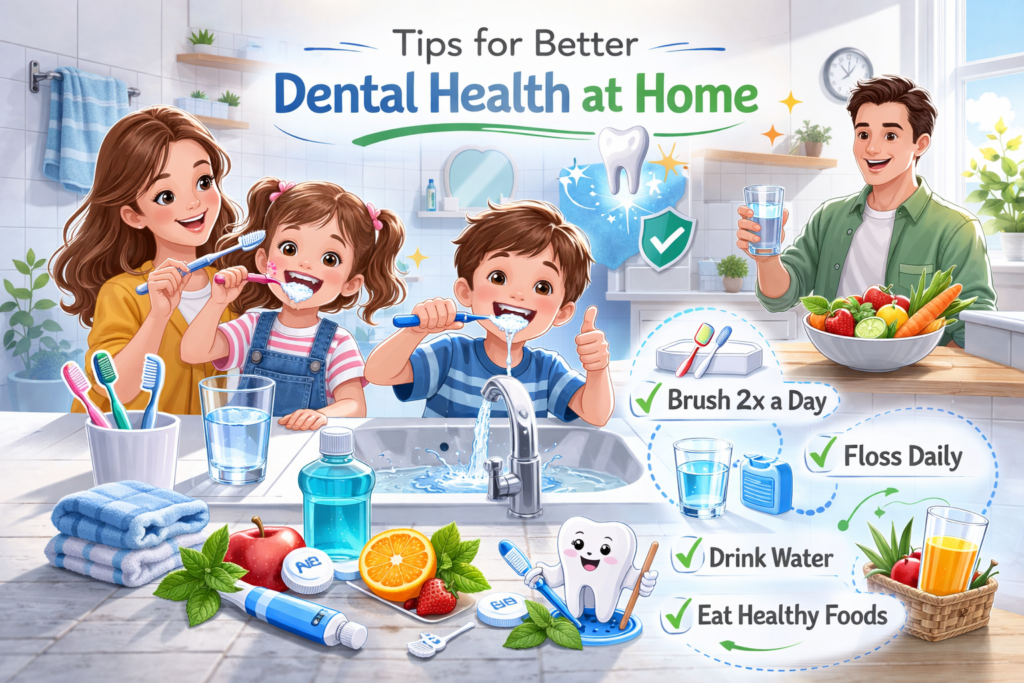
There’s also something to be said about consistency. You don’t need a complicated routine with dozens of products. In fact, the simpler your routine, the more likely you are to stick with it. Brushing twice a day, flossing once, staying hydrated, and being mindful of your diet—these basics, done consistently, are far more powerful than occasional bursts of “perfect” care.
One thing I didn’t expect was how these habits would affect more than just my teeth. There’s a quiet confidence that comes from knowing you’ve taken care of yourself, even in small ways. It shows up in how you speak, how you smile, and how comfortable you feel in everyday interactions.
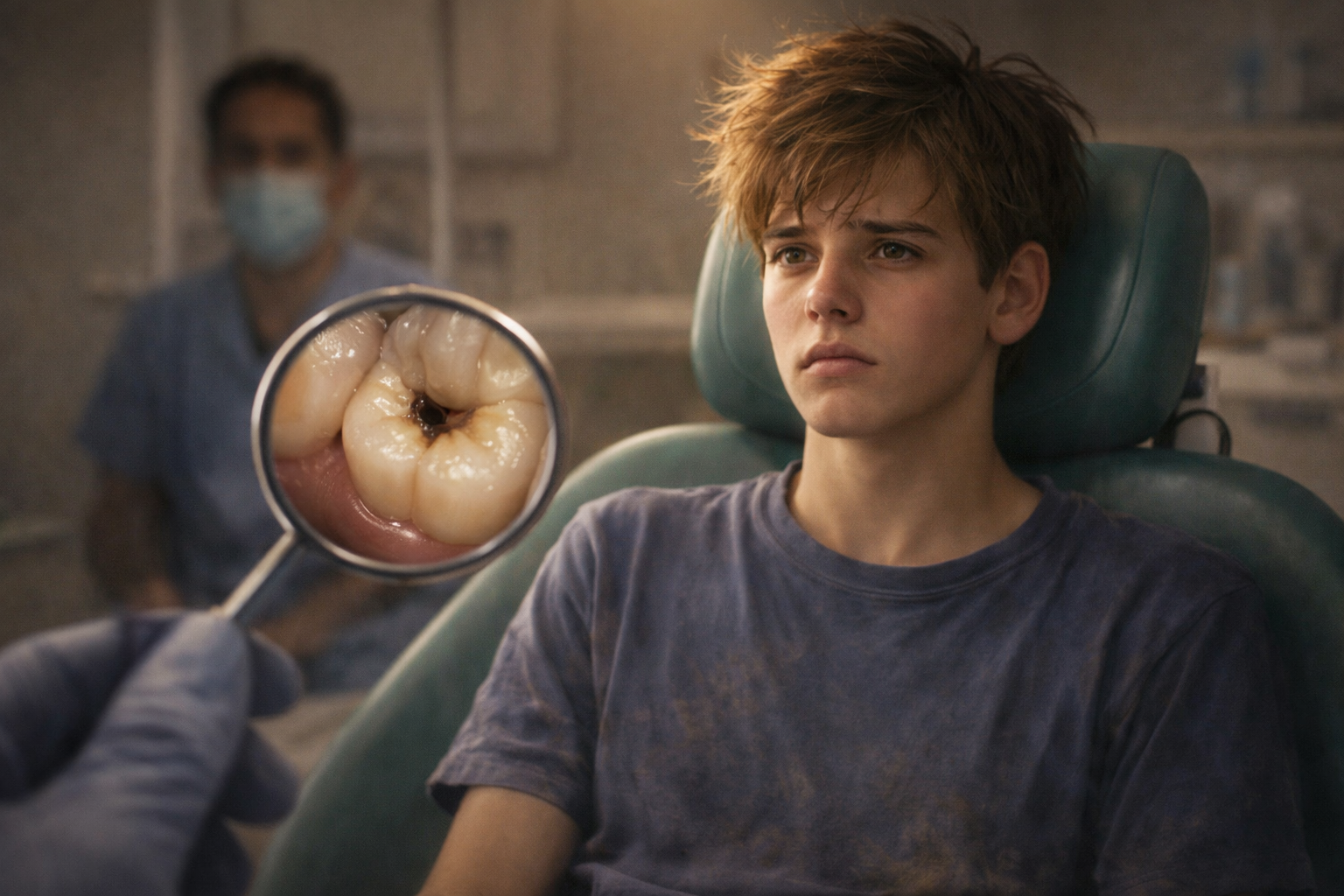
I also began to notice how dental care connects to overall health. Your mouth isn’t separate from the rest of your body—it’s part of a larger system. Healthy gums and teeth can support your general well-being, while neglect can sometimes lead to broader issues. Thinking about it this way made my routine feel more meaningful, less like a checklist and more like an investment in myself.
Of course, no routine is perfect. There are days when you’re tired, when you forget, or when you just don’t feel like going through the motions. That’s normal. What matters is returning to your habits without guilt. Dental care isn’t about perfection—it’s about persistence.
If there’s one lesson I’ve taken from this journey, it’s that small changes add up. You don’t need to overhaul your life overnight. Start with one habit. Maybe it’s flossing regularly, or drinking more water, or simply brushing with more attention. Over time, these small actions become part of who you are.
And in a way, that’s what makes dental care at home so powerful. It’s personal. It’s quiet. It happens in moments no one else sees. But the results—your comfort, your health, your confidence—are something you carry with you every day.
So the next time you stand in front of the mirror, toothbrush in hand, take a moment. Not to rush through the routine, but to be present in it. Because caring for your teeth isn’t just about maintaining a smile—it’s about taking care of yourself in a way that’s both simple and deeply meaningful.