The day I finally got my braces off felt like freedom. After months—actually years—of careful brushing, avoiding sticky candy, and regular orthodontist visits, my teeth were finally straight. But just as I thought my orthodontic journey was over, my orthodontist handed me something small and clear: a retainer.
“You’ll need to wear this every night,” he said with a smile. “And don’t forget to keep it clean.”
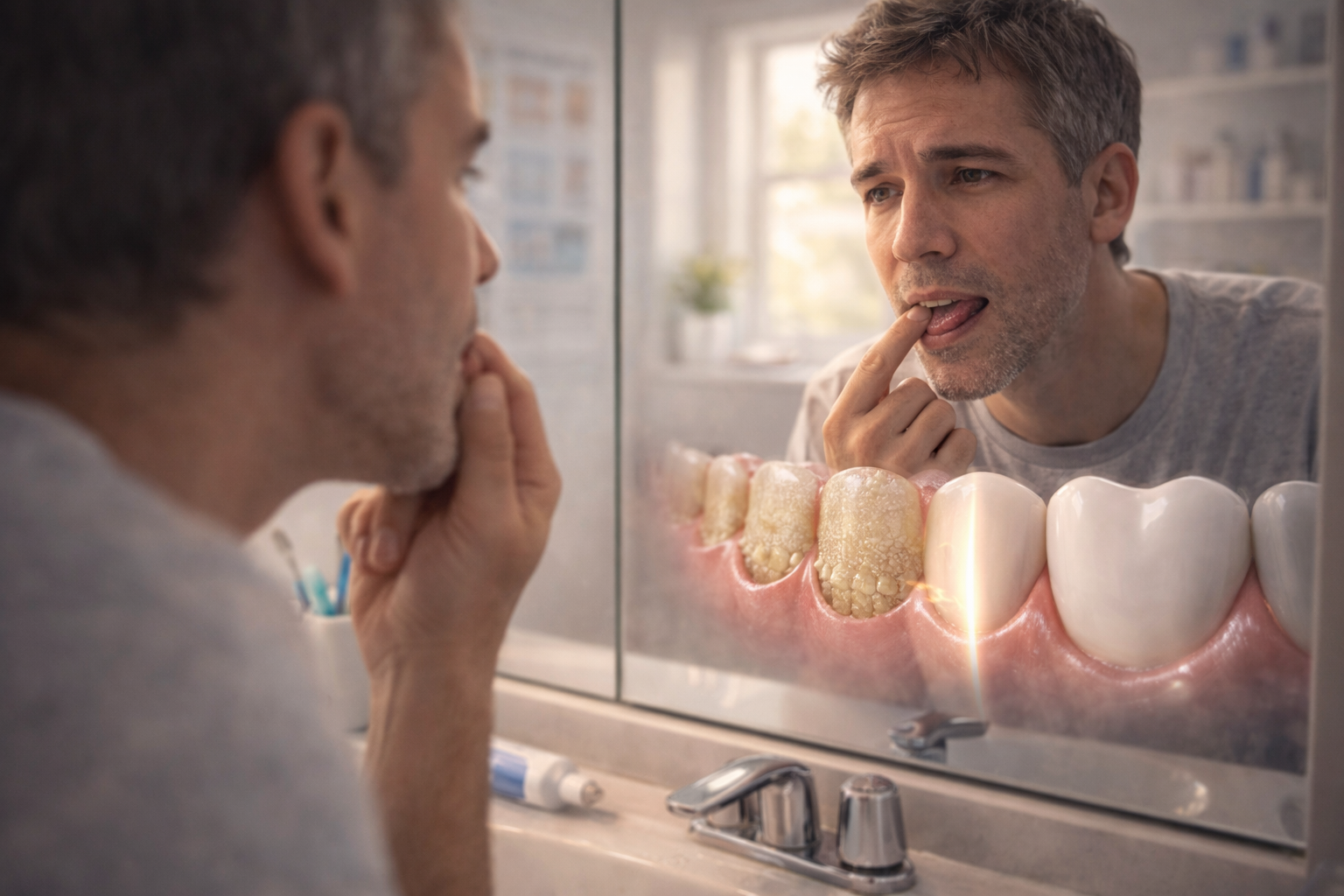
At the time, cleaning a retainer sounded simple enough. I figured a quick rinse under the faucet would do the trick. But a few weeks later, I noticed something strange. My retainer started to smell… not great. It also looked slightly cloudy.
That’s when I realized something many people learn the hard way: cleaning a retainer properly is more important—and more complicated—than it seems.
Over time, I discovered that many retainer wearers make the same cleaning mistakes. Some of them seem harmless, but they can lead to bad smells, bacteria buildup, and even damage to the retainer itself.
If you wear a retainer, here are 10 common mistakes people make when cleaning their retainers, and what you should do instead.
1. Only Rinsing the Retainer with Water
This was the very first mistake I made.
For the first couple of weeks, I simply took my retainer out in the morning and rinsed it under tap water. It looked clean enough, so I assumed that was good enough.
But water alone doesn’t remove bacteria or plaque.
Just like your teeth, retainers collect saliva, bacteria, and tiny food particles. A quick rinse might wash away loose debris, but it won’t remove the sticky film that builds up over time.
Eventually, that buildup leads to bad smells and cloudy surfaces.
What to do instead:
Use a soft toothbrush and gently brush the retainer every day to remove plaque and bacteria.
2. Using Hot Water to Clean It
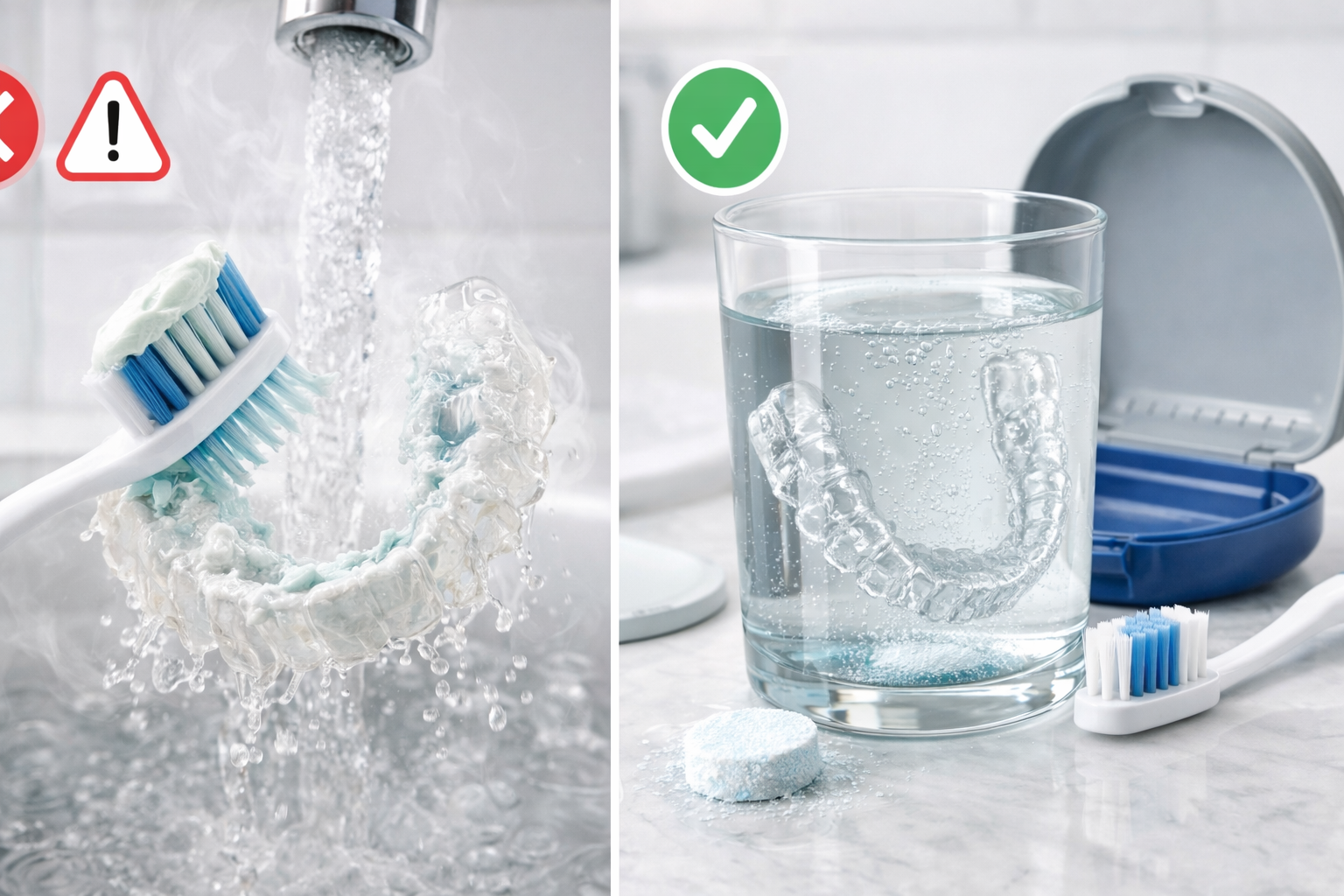
One morning I tried to “deep clean” my retainer with hot water. I thought the heat would kill bacteria.
Unfortunately, plastic retainers don’t react well to heat.
Hot water can warp or bend the material, which changes the shape of the retainer. Even a small change can prevent it from fitting correctly.
A retainer that doesn’t fit properly may stop doing its job of keeping your teeth aligned.
What to do instead:
Always use lukewarm or cool water when rinsing or cleaning your retainer.
3. Brushing Too Hard
When people notice buildup on their retainer, their first instinct is to scrub harder.
I remember looking at my retainer one evening and seeing a thin white film on it. I grabbed a toothbrush and started scrubbing aggressively.
The film came off, but I later learned that brushing too hard can create tiny scratches on the retainer’s surface.
Those scratches become perfect places for bacteria to hide and multiply.
What to do instead:
Use a soft-bristled toothbrush and clean the retainer gently.
4. Using Regular Toothpaste
Toothpaste seems like a logical cleaning solution. After all, we use it to clean our teeth every day.
But many toothpastes contain abrasive ingredients designed to remove stains from enamel. These ingredients can scratch clear plastic retainers.
Once the surface becomes scratched, the retainer can turn cloudy and collect bacteria more easily.
What to do instead:
Use a retainer cleaner, mild soap, or baking soda solution instead of regular toothpaste.
5. Forgetting to Clean the Retainer Case
This is a mistake that people rarely think about.
For a long time, I cleaned my retainer but completely ignored the case it was stored in. Eventually, I noticed that the case itself had a strange smell.
Every time I placed my clean retainer back into that case, it quickly picked up the odor again.
Retainer cases can collect moisture, bacteria, and dust, especially if they’re never washed.
What to do instead:
Clean your retainer case at least once a day with soap and water, and allow it to dry completely.
6. Letting the Retainer Dry Out Too Often
Some people take out their retainer and leave it sitting on a table or tissue.
This habit may seem harmless, but it can cause problems.
When retainers dry out repeatedly, bacteria and residue can harden on the surface. In some cases, the material may even become more brittle over time.
There’s also another risk: losing it.
Many retainers have accidentally ended up in the trash after being wrapped in napkins.
What to do instead:
Always store your retainer in its protective case when you’re not wearing it.
7. Not Cleaning It Daily
A lot of people clean their retainer only when it starts to smell.
But by that point, bacteria and plaque have already built up.
Retainers sit in your mouth for hours, often overnight. During that time, they collect saliva, bacteria, and microorganisms.
Skipping daily cleaning allows these substances to accumulate quickly.
What to do instead:
Make retainer cleaning part of your daily oral hygiene routine.
8. Eating or Drinking with the Retainer On
One evening I made the mistake of drinking a soda while wearing my retainer. I didn’t think much of it at the time.
But sugary drinks can easily get trapped between the retainer and your teeth.
This creates the perfect environment for bacteria to grow.
Over time, this habit can cause strong odors, stains, and even increase the risk of cavities.
What to do instead:
Remove your retainer before eating or drinking anything other than water.
9. Skipping Deep Cleaning
Daily brushing is important, but sometimes retainers need a deeper cleaning.
Without occasional soaking, plaque and mineral deposits can slowly accumulate.
These deposits can make the retainer appear cloudy and feel rough.
What to do instead:
Use retainer cleaning tablets or a gentle soaking solution once or twice a week.
This helps remove stubborn buildup and keeps the retainer fresh.
10. Waiting Too Long to Replace It
Retainers are durable, but they aren’t designed to last forever.
Over time, the material naturally wears down. Small cracks or scratches can develop, making it easier for bacteria to hide.
If a retainer starts to smell bad even after cleaning, it might be a sign that it’s simply too old.
What to do instead:
Visit your orthodontist regularly and ask whether it’s time for a replacement.
Why Proper Retainer Cleaning Matters
It might seem like a small detail, but keeping your retainer clean plays an important role in your overall oral health.
A dirty retainer can lead to:
- Bad breath
- Gum irritation
- Plaque buildup
- Increased risk of cavities
But with proper care, your retainer can stay clean, clear, and odor-free.
A Simple Retainer Cleaning Routine
After learning from my early mistakes, I eventually settled into a simple routine that works well.
Every morning I:
- Remove the retainer.
- Rinse it with lukewarm water.
- Gently brush it with a soft toothbrush.
- Let it dry slightly before placing it in a clean case.
Once or twice a week, I also soak it in a retainer cleaning solution for a deeper clean.
This routine only takes a few minutes, but it makes a big difference.
Final Thoughts
Looking back, I realize that most retainer cleaning mistakes happen for a simple reason: people don’t know how to care for them properly.
A retainer may be small and easy to overlook, but it plays a crucial role in maintaining the results of orthodontic treatment.
After all the time and effort it takes to straighten your teeth, the last thing you want is for them to shift again.
By avoiding these common mistakes and building a simple cleaning habit, you can keep your retainer fresh, comfortable, and effective for years to come.
And trust me—your future smile will thank you for it. 😁✨