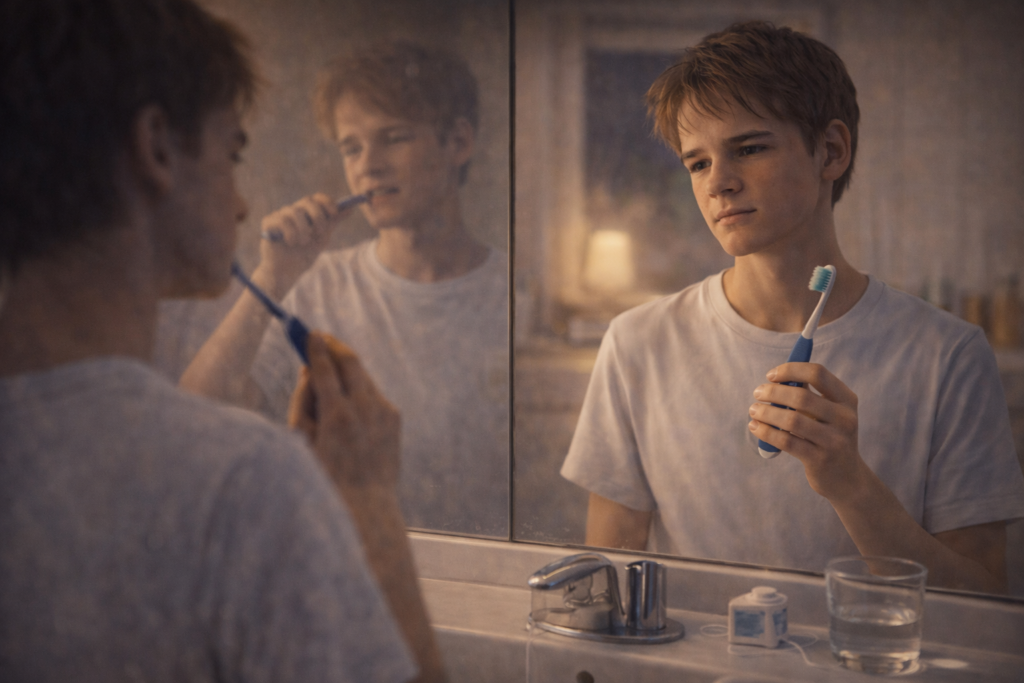
There was a time when I thought I had my dental routine completely figured out.
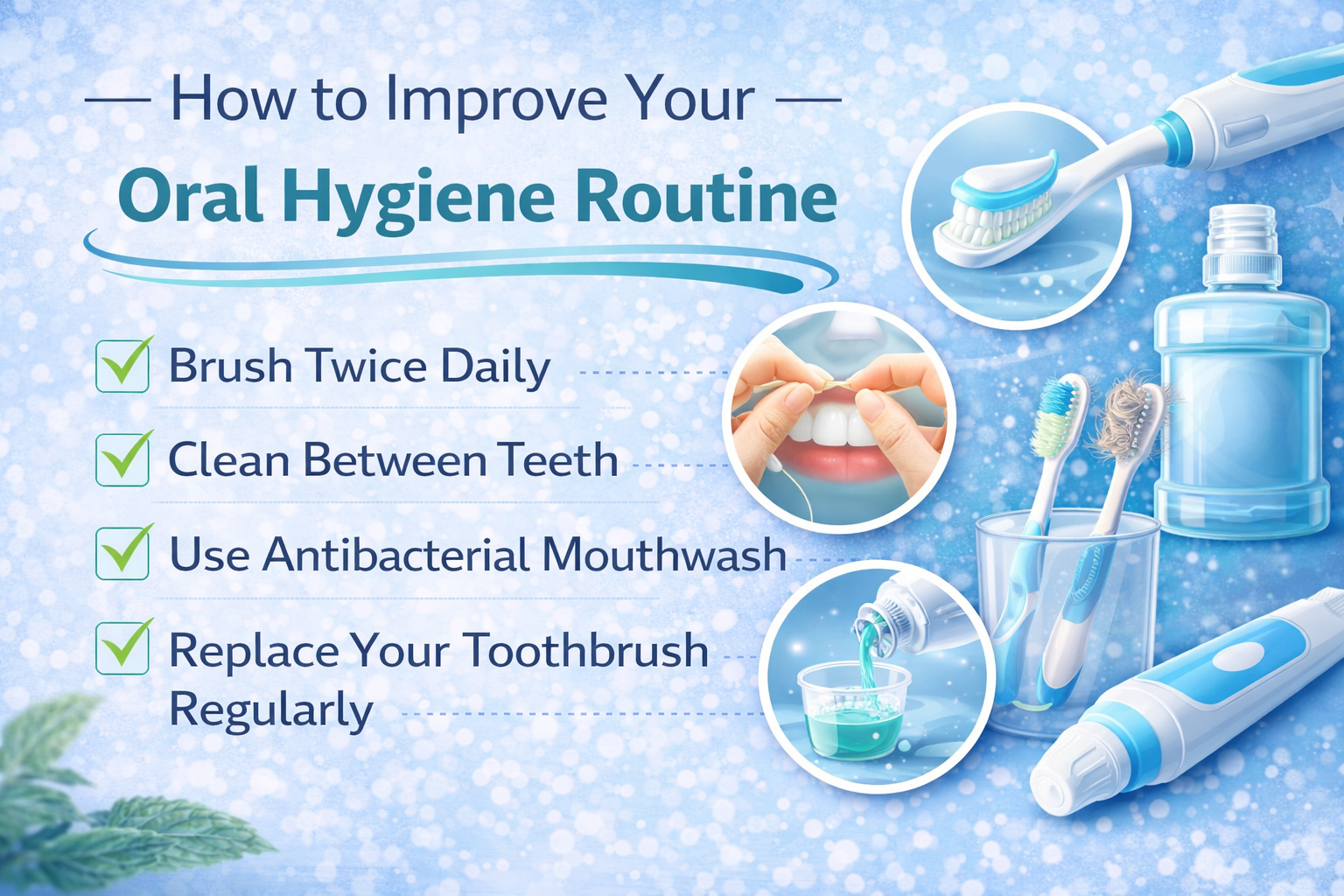
Brush twice a day. Floss when I remembered (which, if I’m being honest, wasn’t as often as I’d like to admit). Rinse with mouthwash if I felt extra responsible. That was it. That was the formula. Simple, predictable, “good enough.”
Or so I thought.
It wasn’t until a routine dental visit—one of those quiet, uneventful appointments you expect to breeze through—that I realized how much I had been missing. My dentist didn’t seem alarmed, but there was a pause. A small one. The kind that carries more meaning than words.
“You’re doing the basics,” she said. “But it’s usually the little things people skip that cause the biggest problems.”
That line stayed with me longer than I expected.
Because the truth is, most of us don’t fail at dental care because we’re careless—we fail because we assume the basics are everything.
They’re not.
The Spaces We Pretend Don’t Exist
Flossing is probably the most obvious “overlooked habit,” but what surprised me wasn’t that I wasn’t doing it enough—it was why it mattered so much.
Brushing cleans the surfaces you can see. The smooth, easy areas. But between your teeth? That’s a completely different story.
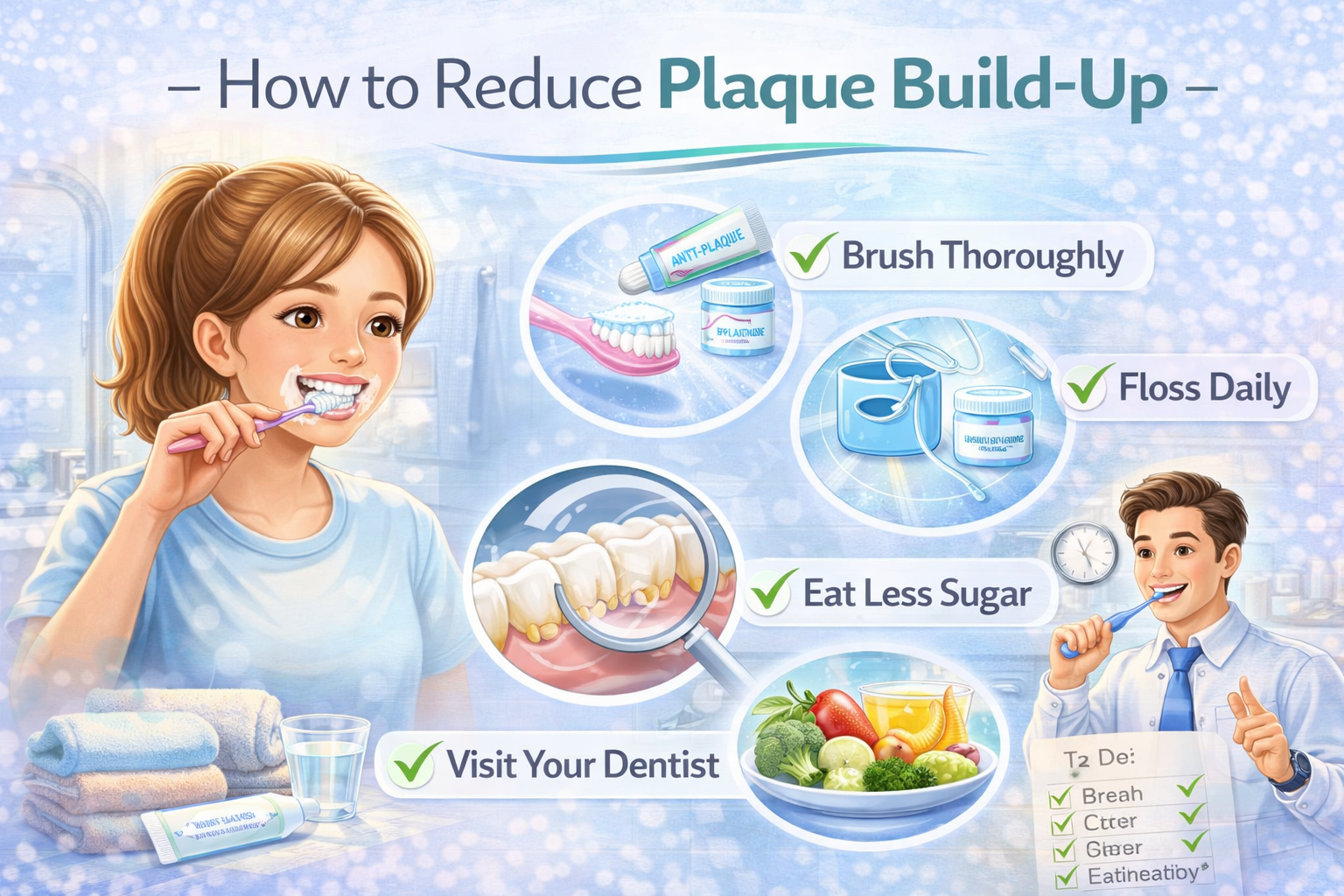
Those tight spaces are where food particles settle in quietly. No discomfort. No immediate warning. Just a slow buildup that turns into plaque, then tartar, then eventually… problems you can’t ignore anymore.
I used to think flossing was optional. Something extra for people who were “really into” dental care.
Now I see it differently. It’s not extra—it’s completing the job brushing starts.
The Rush That Ruins Everything
Mornings are chaotic. That’s just reality.
Alarms, school, messages, trying to wake up enough to function—it’s easy to treat brushing like a race. Quick, efficient, done.
But rushing is one of the most damaging habits we don’t even recognize.
I started noticing how often I would brush one side of my mouth more than the other. How I’d skip the back teeth because they were harder to reach. How I’d already be thinking about the next thing before I even finished.
And that’s the problem.
Dental care doesn’t respond well to autopilot. It’s not about speed—it’s about attention.
Slowing down, even just a little, changes everything. You notice where you’ve missed. You adjust. You become aware.
It turns brushing from a routine into a practice.
The Toothbrush You Keep for Too Long
This one felt almost embarrassing when I realized it.
I couldn’t remember the last time I changed my toothbrush.
It still looked fine—at least from a distance. But up close, the bristles were frayed, bent in different directions, softer than they should have been.
A worn-out toothbrush doesn’t clean effectively. It can’t reach properly, can’t apply the right pressure, can’t do what it’s designed to do.
Dentists recommend replacing your toothbrush every three months—or sooner if the bristles start to wear out.
It’s such a small detail. Easy to ignore. But over time, it makes a real difference.
The Mouthwash Misunderstanding
For a long time, I treated mouthwash like a shortcut.
Didn’t floss? Mouthwash.
Ate something strong? Mouthwash.
Want fresh breath quickly? Mouthwash.
But mouthwash isn’t a substitute for brushing or flossing. It doesn’t remove plaque. It doesn’t clean your teeth in the same physical way.
It’s a support tool, not a replacement.
Some mouthwashes help reduce bacteria. Others strengthen enamel. But using it without proper brushing and flossing is like spraying perfume instead of showering—it masks the issue without solving it.
Once I understood that, I started using it differently. Not as a fix, but as a final step.
The Way You Rinse (or Don’t)
This might sound oddly specific, but it’s something dentists actually care about.
After brushing, many people immediately rinse their mouth thoroughly with water. I used to do it automatically—rinse, spit, done.
But that habit can wash away the fluoride from your toothpaste before it has time to do its job.
Instead, some dentists recommend just spitting out the excess toothpaste and avoiding rinsing right away. It allows the fluoride to stay on your teeth longer, offering more protection.
It felt strange at first—not rinsing completely—but like many small habits, it became normal over time.
The Snacks That Stay Longer Than You Think
No one really talks about how often we eat.
Not just meals—but snacks. Small bites throughout the day. A cookie here, a drink there, something quick between classes or activities.
Each time you eat, especially sugary or starchy foods, your mouth goes through an acid attack. Bacteria feed on those sugars and produce acids that weaken your enamel.
If you’re constantly snacking, your teeth don’t get much of a break.
I started noticing patterns. How often I reached for something without thinking. How it wasn’t just what I ate, but how often.
It’s not about cutting out everything you enjoy—it’s about awareness. Giving your teeth time to recover between meals matters more than most people realize.
The Silent Impact of Dry Mouth
This was something I had never considered before.
Saliva plays a huge role in oral health. It helps wash away food particles, neutralize acids, and protect your teeth.
But things like dehydration, stress, or even certain habits can reduce saliva production, leading to dry mouth.
And when your mouth is dry, bacteria have an easier time thriving.
I started paying attention to how often I drank water. Not just when I was thirsty, but throughout the day.
It’s such a simple habit—staying hydrated—but it supports your teeth in ways that aren’t immediately visible.
Nighttime Is Where It Matters Most
If there’s one moment in the day that matters more than the rest, it’s right before bed.
At night, your body slows down. Saliva production decreases. Your mouth becomes more vulnerable.
Skipping brushing before bed—or doing it carelessly—means leaving bacteria on your teeth for hours without much defense.
I used to think missing one night didn’t matter.
Now I see it differently. Nighttime care isn’t optional—it’s essential.
It’s the difference between giving your teeth a clean slate or letting problems build while you sleep.
The Checkups We Delay
There’s always a reason to postpone a dental visit.
Too busy. Nothing hurts. Maybe next month.
I used to think dental appointments were only necessary when something felt wrong.
But dentists aren’t just there to fix problems—they’re there to catch them early.
Many dental issues don’t cause pain right away. They develop quietly, slowly, until they reach a point where they’re harder to treat.
Regular checkups aren’t just maintenance—they’re prevention.
Seeing the Bigger Picture
What changed for me wasn’t just learning new habits—it was understanding how they connect.
Each small action—flossing, brushing properly, replacing your toothbrush, staying hydrated—doesn’t seem dramatic on its own.
But together, they create a system.
A quiet, consistent way of protecting something we often take for granted.
The Habits You Don’t Notice—Until You Do
Looking back, I realize that the most overlooked dental habits aren’t complicated or difficult.
They’re subtle.
They’re the things you don’t think about. The shortcuts you justify. The steps you skip because they don’t seem urgent.
But dental health isn’t built on big efforts—it’s built on small, repeated choices.
And the tricky part?
You don’t notice the impact right away.
It shows up later. Gradually. Quietly.
Walking Away With More Than Advice
After that appointment, I didn’t overhaul my entire routine overnight.
I just started paying attention.
One habit at a time.
Flossing more consistently. Slowing down when I brush. Replacing my toothbrush when I should. Drinking more water. Being more intentional at night.
None of it felt overwhelming.
But together, it felt like progress.
What Most People Miss
If there’s one thing I’ve learned, it’s this:
Good dental care isn’t about doing more—it’s about doing the small things well.
The overlooked habits are often the ones that matter most.
Not because they’re complicated, but because they’re easy to ignore.
And once you start noticing them, you can’t unsee them.
Now, every time I pick up my toothbrush, I think about those small details.
Not in a stressful way—but in a quiet, aware kind of way.
Because sometimes, taking care of something as simple as your teeth is really about learning how to pay attention.
And that’s a habit that goes far beyond the bathroom sink.