I used to think brushing my teeth was the simplest part of my day. Wake up, grab whatever toothbrush was sitting by the sink, squeeze out some toothpaste, and go through the same rushed motions I’d learned as a kid. Two minutes—if that. Rinse, spit, done. It felt automatic, almost invisible, like tying my shoes or checking my phone.
But one random afternoon at a dental appointment changed how I saw all of it.
The dentist didn’t say anything dramatic. No lectures, no scary warnings. Just a simple question: “How old is your toothbrush?” I hesitated. I genuinely didn’t know. A few months? Maybe longer? He nodded, then showed me the bristles under a small light. They were frayed, uneven, and honestly kind of tired-looking—like they’d been working overtime without a break.
That was the first time I realized something obvious: the tools we use matter just as much as the habits we build.
The Quiet Role of Better Tools
We often assume oral care is all about discipline. Brush twice a day. Floss. Avoid too much sugar. And yes, those things matter. But tools? They quietly shape how effective all those habits really are.
Think about it this way: you could be doing everything “right,” but if your toothbrush can’t clean properly or your floss shreds before reaching tight spaces, you’re not getting the full benefit of your effort.
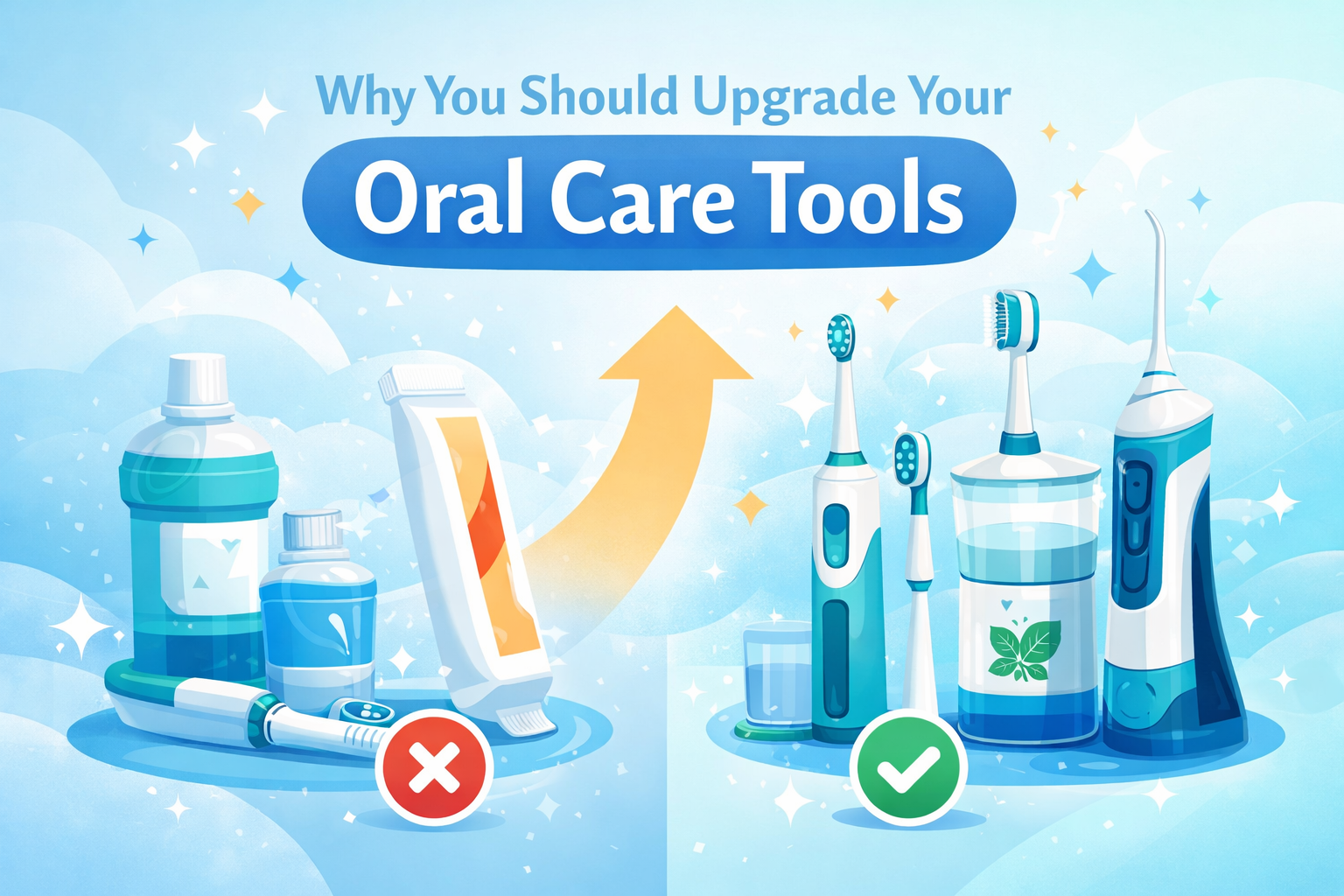
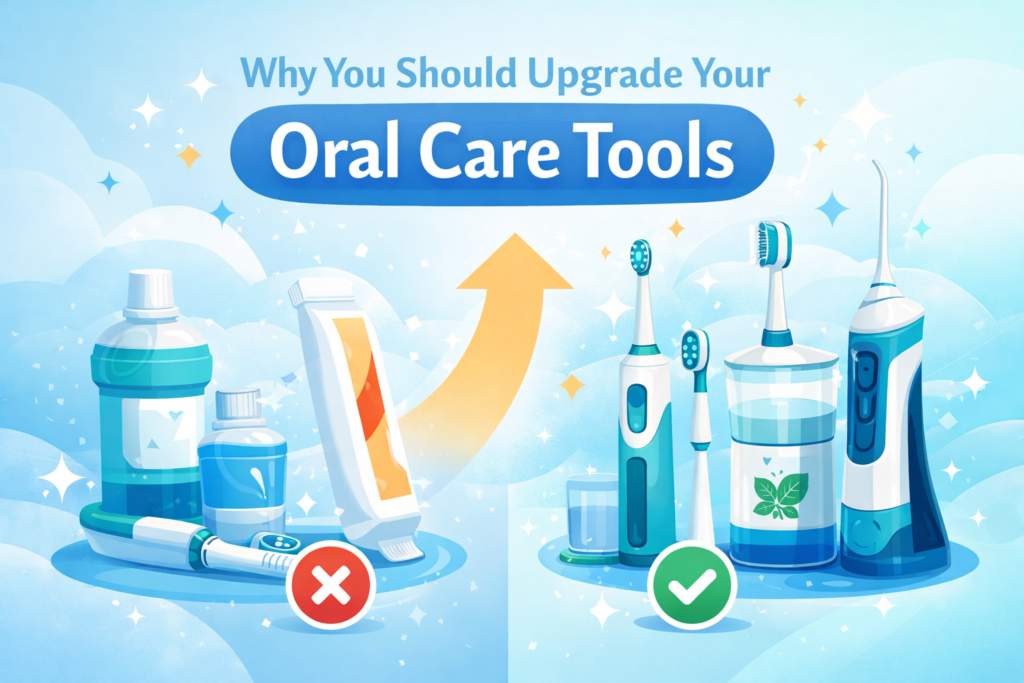
Upgrading your oral care tools isn’t about luxury—it’s about making your daily routine actually work.
My First Upgrade: The Electric Toothbrush
I didn’t switch overnight. At first, the idea of an electric toothbrush felt unnecessary. My regular one worked fine, right?
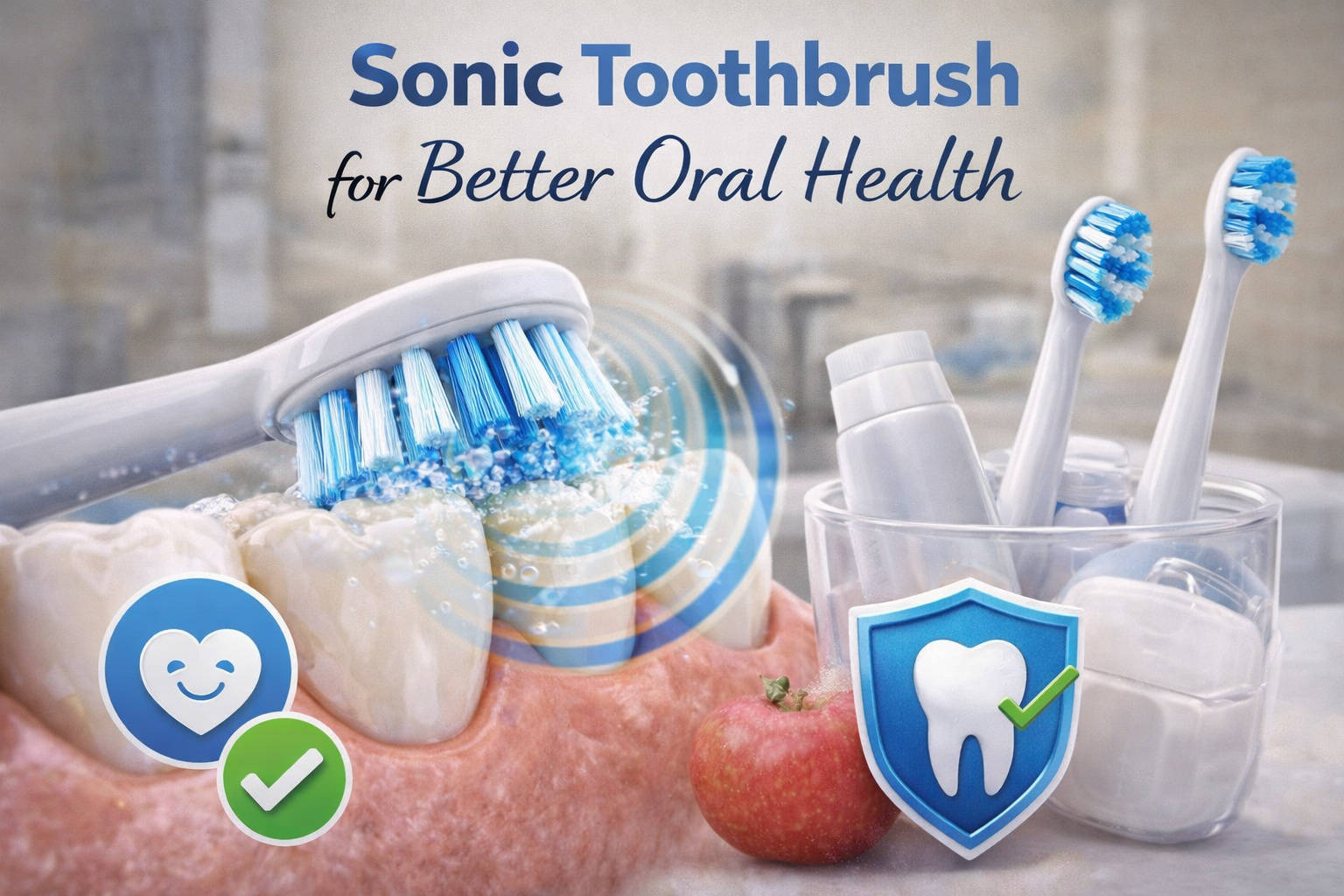
Still, curiosity won. I bought a basic electric toothbrush—not the most expensive one, just something simple. The first time I used it, it felt strange. The vibration, the sound, the way it moved on its own—it took some getting used to.
But after a few days, something subtle changed.
My teeth felt… cleaner. Not just “just brushed” clean, but polished. Like I’d just left a dental cleaning appointment. And it lasted longer throughout the day.
What surprised me most wasn’t the technology—it was how it changed my behavior. The built-in timer encouraged me to brush for the full two minutes. The gentle pressure sensor stopped me from brushing too hard (something I didn’t even realize I was doing).
It wasn’t just doing the work for me—it was teaching me to do it better.
Flossing: From Chore to Habit
If brushing was something I took lightly, flossing was something I often skipped altogether.
I’d tell myself I’d do it later. Or that it wasn’t that important. Or that I was too tired.
The truth? I just didn’t like it.
Traditional floss felt awkward and time-consuming. Sometimes it would snap or get stuck, and I’d give up halfway through.
Then I tried floss picks.
It sounds like a small change, but it made a huge difference. Suddenly, flossing felt quick and manageable. I didn’t need a mirror or perfect technique. I could do it while watching a video or winding down before bed.
Later, I even experimented with a water flosser. At first, it seemed messy and unnecessary—but once I got the hang of it, it became one of the most satisfying parts of my routine. It reached areas I didn’t even realize I was missing.
That’s when it clicked: sometimes we don’t avoid habits because we’re lazy—we avoid them because the tools make them harder than they need to be.
Toothpaste Isn’t One-Size-Fits-All
For years, I grabbed whichever toothpaste was on sale. Whitening, minty, colorful—it didn’t matter much.
But as I started paying more attention, I realized toothpaste isn’t just about flavor or marketing. Different formulas serve different purposes.
Some strengthen enamel. Some target sensitivity. Others focus on gum health or plaque control.
When I switched to a toothpaste designed for sensitive teeth, I noticed something unexpected: I stopped avoiding cold drinks. That quick, sharp discomfort I’d gotten used to slowly disappeared.
It made me wonder how many small discomforts we accept as “normal” simply because we haven’t upgraded the tools we use.
The Psychology of Upgrading
There’s something else that doesn’t get talked about enough: upgrading your oral care tools changes how you feel about your routine.
When you use better tools, the experience becomes more intentional. You’re not just rushing through a task—you’re taking care of yourself.
It’s similar to writing with a pen that glides smoothly instead of one that scratches across the page. Or listening to music with clear sound instead of muffled noise. The action stays the same, but the experience improves.
And when something feels better, you’re more likely to stick with it.
Small Changes, Long-Term Impact
Oral health isn’t just about having a bright smile. It connects to your overall well-being in ways we don’t always think about.
Healthy gums, clean teeth, and consistent care can help prevent bigger issues later—issues that are more painful, more expensive, and harder to fix.
Upgrading your tools won’t solve everything overnight. But it shifts the odds in your favor.
It’s like upgrading from blurry vision to clear sight. You don’t realize how much you were missing until things come into focus.
What “Upgrading” Really Means
It’s easy to assume upgrading means spending a lot of money. But that’s not necessarily true.
Sometimes, it’s as simple as:
- Replacing your toothbrush regularly
- Choosing a toothpaste that fits your specific needs
- Trying floss alternatives that actually work for you
- Paying attention to how your tools feel and perform
It’s not about having the most advanced setup—it’s about having the right one.
A Shift in Perspective
Looking back, I don’t think my old routine was careless. It was just… automatic. Unquestioned.
Upgrading my oral care tools didn’t just improve my teeth—it changed how I approached small daily habits.
It reminded me that even the simplest routines deserve attention. That the tools we use shape our results. And that taking care of ourselves doesn’t have to be complicated—it just has to be intentional.
Final Thoughts
If you’ve been using the same toothbrush for longer than you can remember, or skipping floss because it feels inconvenient, or grabbing any toothpaste without thinking twice—you’re not alone.
But you might be settling for less than what’s possible.
Upgrading your oral care tools isn’t about perfection. It’s about making small, thoughtful changes that support you over time.
Because sometimes, the difference between a routine you rush through and one you actually value comes down to something as simple as the tools in your hand.
And once you experience that difference, it’s hard to go back.