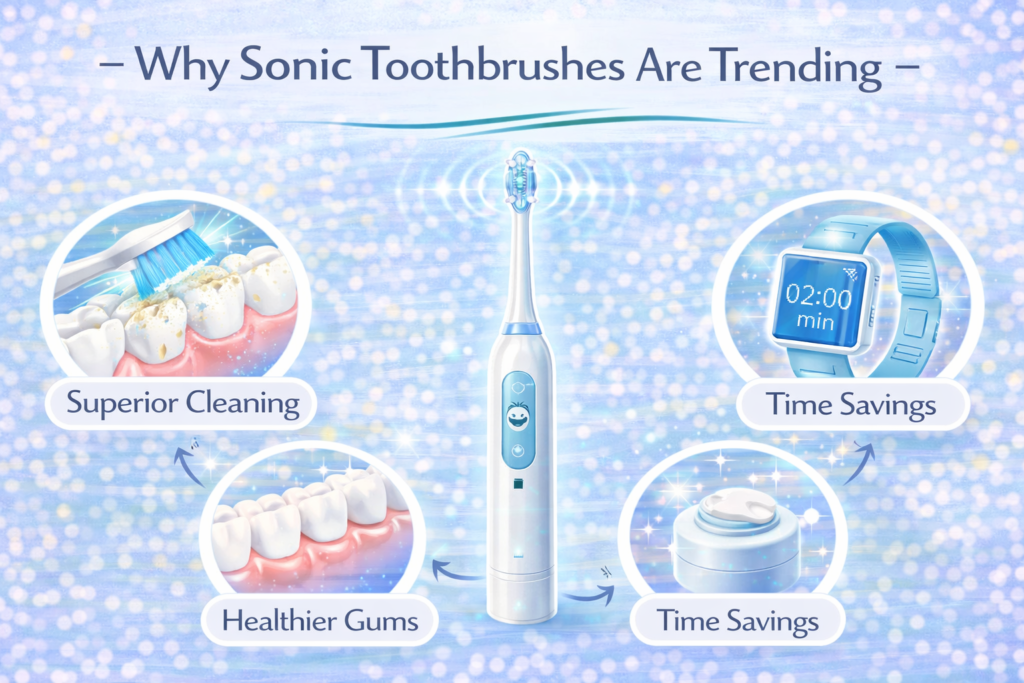
I still remember the first time I held a sonic toothbrush in my hand. It felt oddly futuristic—sleek, slightly heavier than a manual brush, with a quiet hum that hinted at something more powerful beneath its minimalist design. At the time, I didn’t think much of it. A toothbrush is a toothbrush, right? That’s what I had believed for years. But as I stood there, staring at my reflection in the mirror, I realized this small device was part of a much larger shift—one that was quietly transforming the way we think about everyday routines.
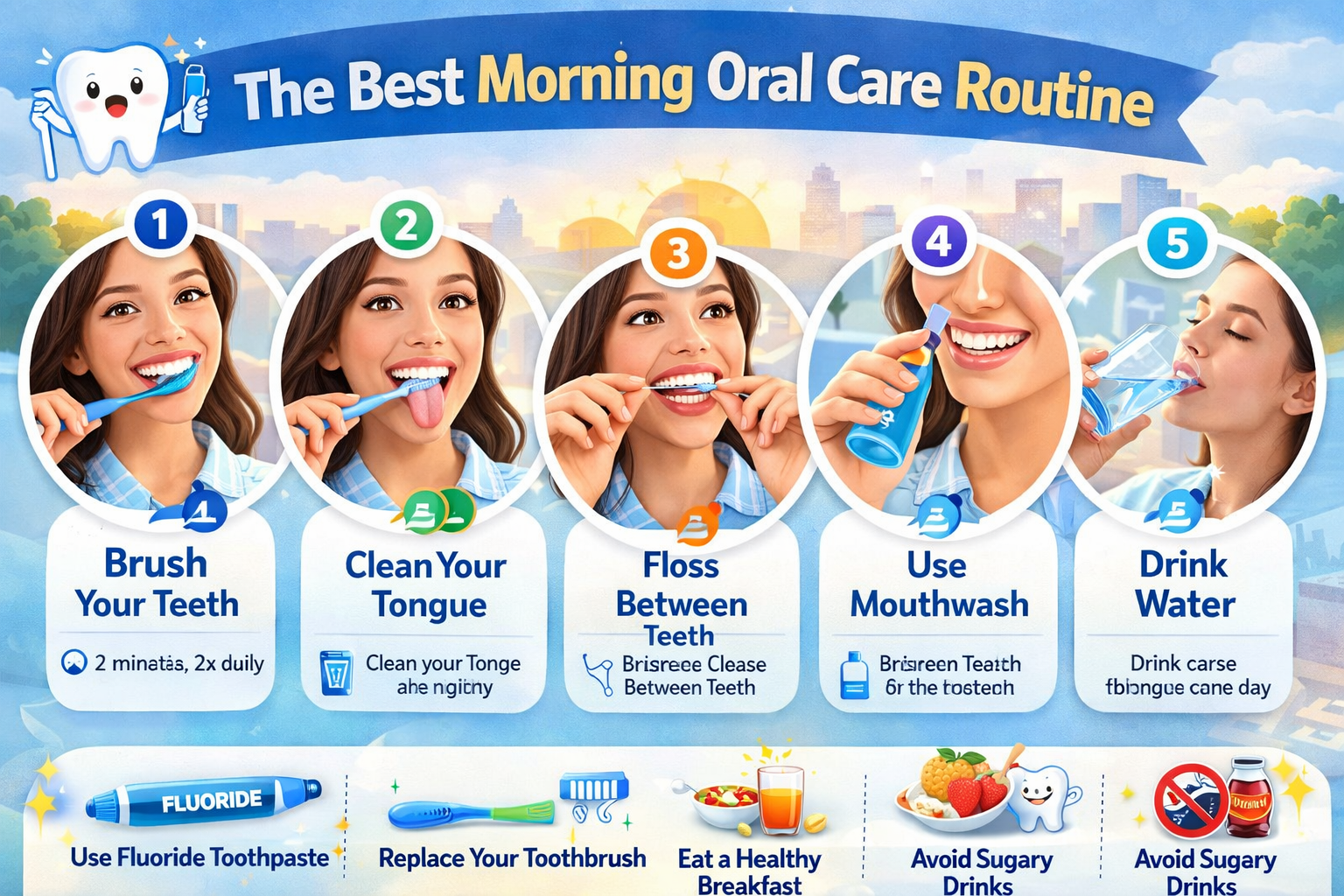
It’s funny how the simplest habits can evolve without us noticing. Brushing your teeth is something you’re taught as a child, often in a playful, almost careless way. Two minutes, twice a day—that’s the rule. But no one really explains how much technique matters, or how technology can completely change the experience. For years, most of us just went through the motions, half-awake in the morning, half-asleep at night, moving a manual brush back and forth without much thought.
Then sonic toothbrushes came along and, somehow, made people care again.
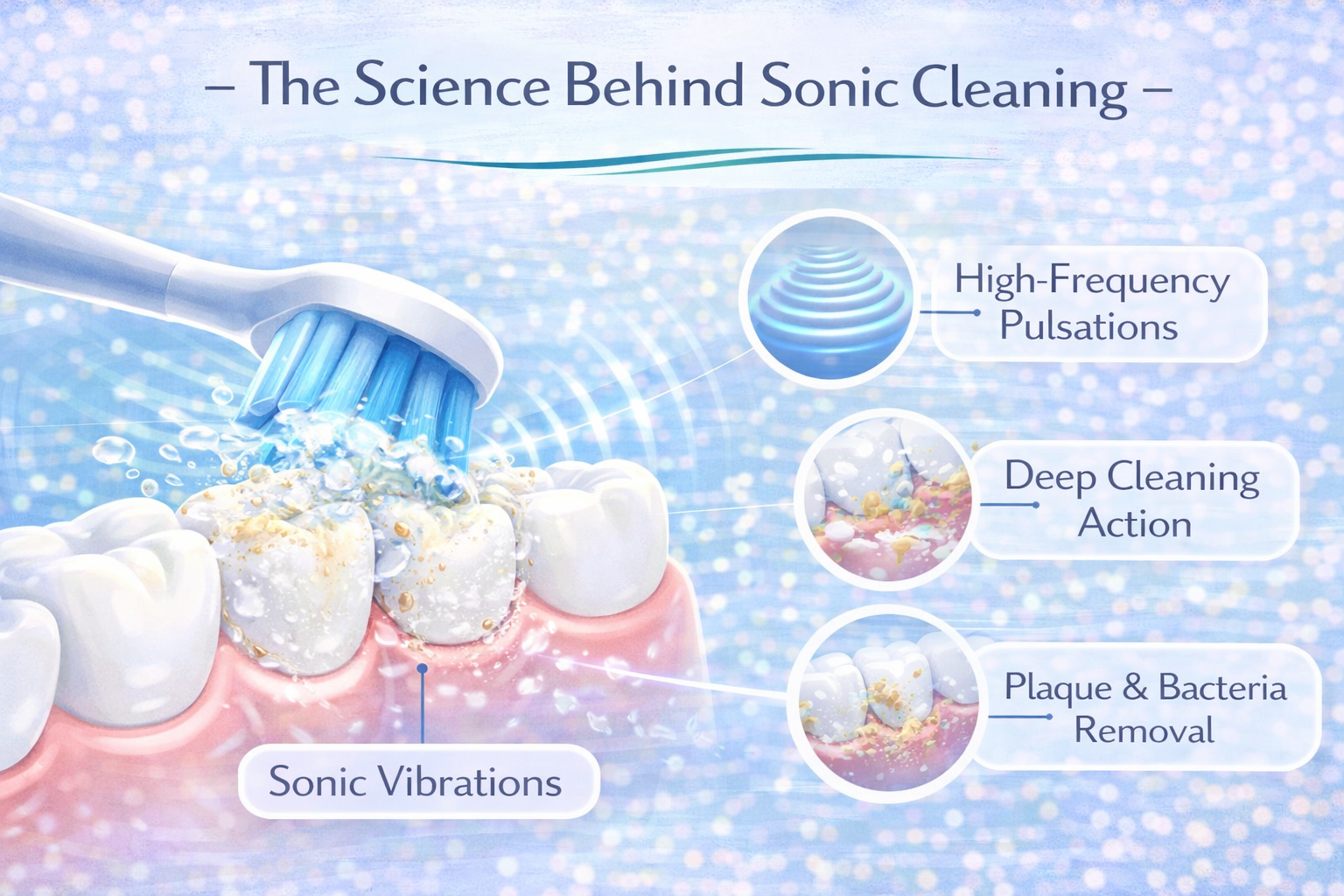
At first, the idea sounded like a gimmick. Thousands of vibrations per minute? That seemed excessive for something as basic as brushing teeth. But when you actually use one, the difference is hard to ignore. The sensation is gentle yet thorough, almost like the brush is doing the work for you. Instead of scrubbing aggressively, you’re simply guiding it along your teeth, letting the technology handle the rest.
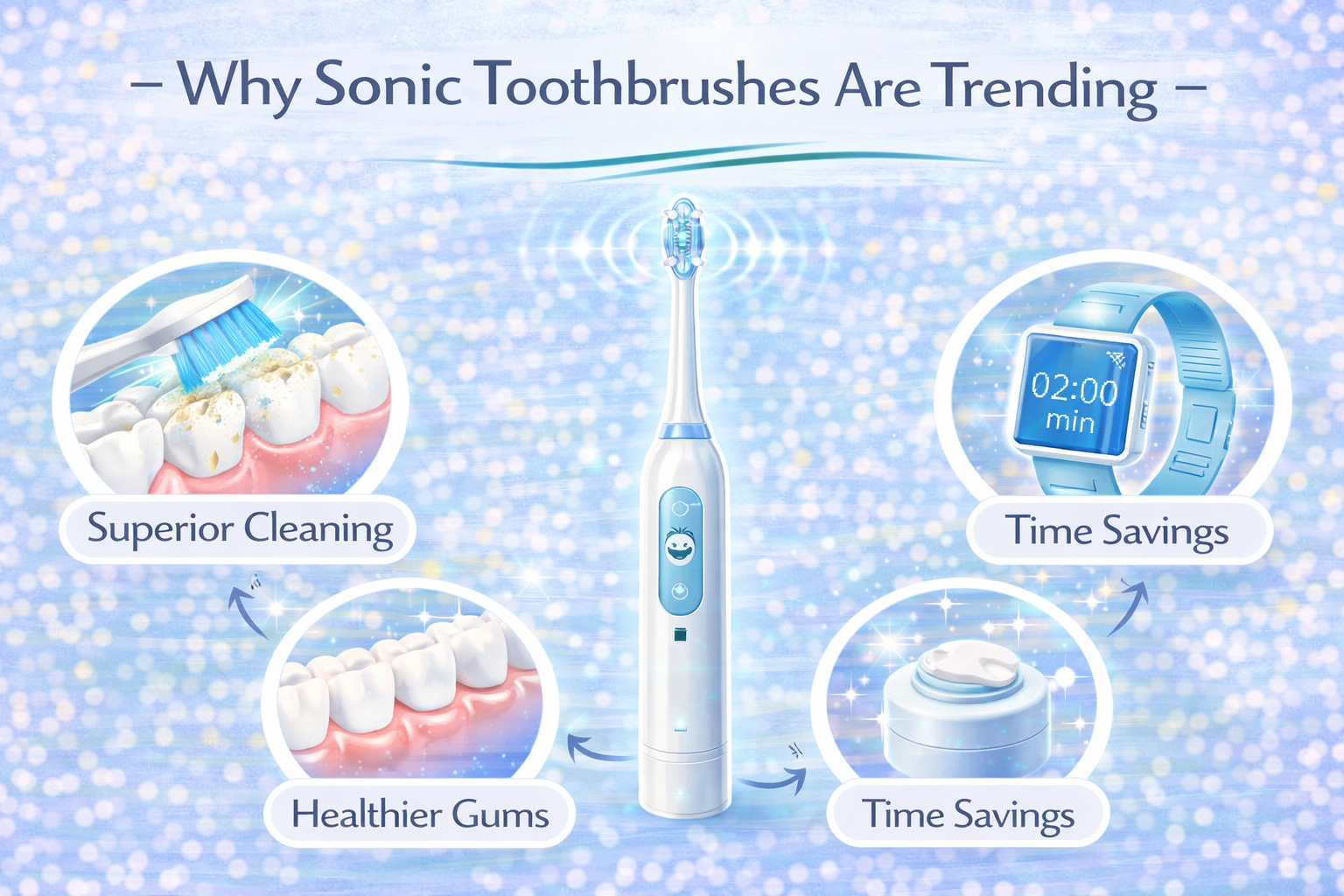
That shift—from effort to efficiency—is one of the reasons sonic toothbrushes are trending so strongly. People today are constantly looking for ways to optimize their routines. Whether it’s skincare, fitness, or even sleep, there’s a growing desire to do things better, not just faster. And oral care, surprisingly, has become part of that movement.
Another reason for the rise of sonic toothbrushes is awareness. Social media has played a huge role in this. Dentists, influencers, and everyday users share their experiences online, showing before-and-after results, explaining proper techniques, and breaking down why certain tools work better than others. What used to be a private, almost overlooked habit is now part of a broader conversation about health and self-care.
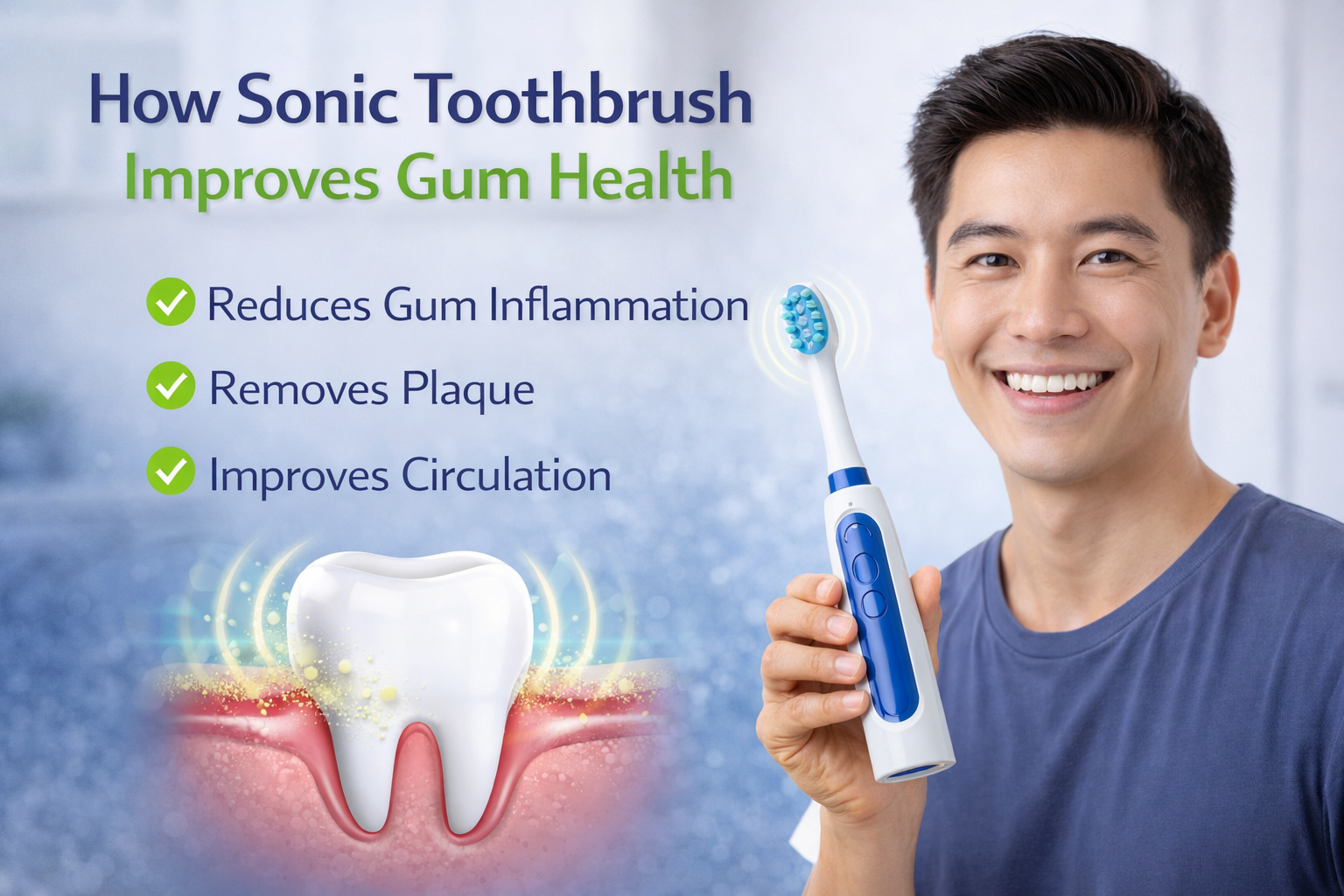
I remember scrolling through videos where people talked about gum health, plaque removal, and long-term dental benefits. It made me realize how little I had actually understood about brushing my teeth. It wasn’t just about having fresh breath—it was about preventing problems before they even started. And suddenly, investing in a better toothbrush didn’t seem unnecessary anymore. It felt logical.
There’s also something deeply satisfying about using a tool that feels modern. Sonic toothbrushes often come with features like timers, pressure sensors, and multiple brushing modes. Some even connect to apps that track your brushing habits. At first, it might seem like overkill. Do we really need data for brushing our teeth? But in a strange way, it makes the experience more intentional.
You become more aware of how long you’re brushing, whether you’re applying too much pressure, and which areas you might be neglecting. It turns a routine task into something almost mindful. And in a world where people are constantly distracted, that kind of awareness is surprisingly valuable.
Of course, trends don’t happen in isolation. The rise of sonic toothbrushes is also tied to a broader shift toward preventive healthcare. People are starting to realize that small daily habits can have a huge impact over time. Instead of waiting for problems to appear, there’s a growing focus on avoiding them altogether.
Think about it—dental treatments can be expensive, time-consuming, and uncomfortable. If a better toothbrush can reduce the risk of cavities or gum disease, it’s not just a convenience—it’s an investment. And that mindset has become increasingly common, especially among younger generations who are more proactive about their health.
But beyond the practical benefits, there’s also an emotional aspect to this trend. Using a sonic toothbrush can make you feel like you’re taking better care of yourself. It’s a small upgrade, but it carries a sense of intention. You’re not just brushing your teeth because you have to—you’re doing it because you want to maintain your well-being.
I noticed this change in myself over time. What used to feel like a chore started to feel different. The quiet hum of the brush, the built-in timer guiding me through each quadrant of my mouth—it all created a kind of rhythm. It became a moment of pause in an otherwise busy day.
And maybe that’s part of why this trend resonates with so many people. In a fast-paced world, even small rituals matter. A sonic toothbrush doesn’t just clean your teeth—it transforms a routine into an experience.
There’s also an element of trust involved. As technology improves, people are becoming more comfortable relying on devices to enhance their daily lives. From fitness trackers to smart home systems, we’re surrounded by tools designed to make things easier and more effective. Sonic toothbrushes fit naturally into that ecosystem.
They’re not just tools—they’re part of a lifestyle that values efficiency, awareness, and self-care.
Interestingly, this trend also reflects a shift in how we define luxury. It’s no longer just about expensive items or status symbols. Sometimes, luxury is about improving the quality of everyday life. A better toothbrush might seem like a small upgrade, but when you use it twice a day, every day, it adds up.
Over time, these small improvements can make a noticeable difference—not just in your dental health, but in how you feel about your routines.
Of course, not everyone is convinced. Some people still prefer manual toothbrushes, and that’s completely valid. After all, good technique matters more than the tool itself. But the growing popularity of sonic toothbrushes suggests that many people are willing to explore new options if they offer clear benefits.
And that’s really what this trend is about—not just technology, but curiosity. A willingness to question old habits and try something different.
As I think back to that first moment in front of the mirror, holding a sonic toothbrush for the first time, I realize it wasn’t just about the device itself. It was about a shift in perspective. A reminder that even the most ordinary parts of our lives can evolve.
We often overlook the power of small changes. But sometimes, those changes can reshape the way we think, feel, and take care of ourselves.
Sonic toothbrushes might seem like a minor innovation, but they represent something bigger—a move toward more intentional living, where even the simplest routines are given attention and care.
And maybe that’s why they’re trending.
Not because they’re flashy or complicated, but because they quietly improve something we do every single day.
In the end, it’s not just about cleaner teeth. It’s about realizing that even the smallest habits deserve to be done well.