I didn’t always believe in prevention.
Not really.
I understood it in theory, of course. Everyone does. Drink water, eat better, get enough sleep, brush and floss, go for regular checkups. It all sounds simple—almost too simple. But like most people, I treated those things as suggestions rather than priorities.
I told myself I’d deal with problems when they showed up.
And for a while, that approach seemed to work.
Until it didn’t.
The Day Small Neglect Became a Big Problem
It started with something easy to ignore—a slight sensitivity in one of my back teeth. Nothing dramatic. Just a quick, sharp feeling when I drank something cold.
I remember thinking, It’s probably nothing.
Days turned into weeks. The sensitivity didn’t go away, but it didn’t get much worse either. So I adapted. I chewed on the other side. I avoided ice-cold drinks. I convinced myself I had it under control.
That’s the strange thing about small problems—they quietly teach you how to live around them.
Until one day, they stop being small.
The pain hit suddenly. Not sharp this time, but deep and constant. The kind that doesn’t let you focus, doesn’t let you forget. It followed me through conversations, meals, even sleep.
That’s when I finally made the appointment I’d been avoiding.
The Cost of Waiting
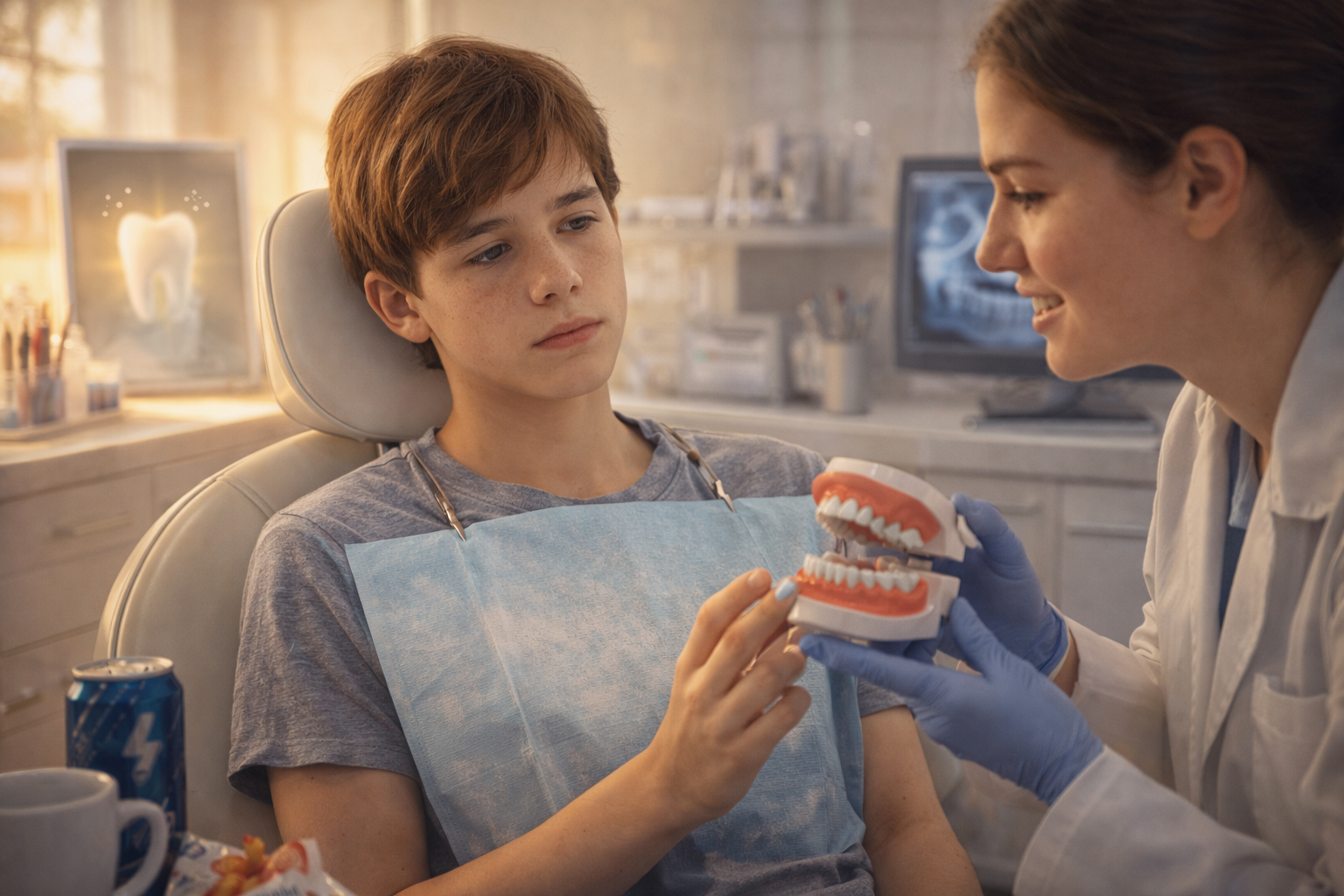
Sitting in the dental chair again, I already knew what I’d hear.
“This didn’t just start yesterday.”
My dentist wasn’t judging me. If anything, she sounded calm—almost used to this kind of situation. Apparently, I wasn’t the first person to ignore early signs and hope they’d disappear.
What could have been a minor fix—a simple filling—had turned into something more complicated.
More time. More discomfort. More cost.
And the frustrating part? It was preventable.
That word stuck with me: preventable.
Not unlucky. Not sudden. Not unavoidable.
Preventable.
Why We Ignore Prevention
On the way home, I kept thinking about it.
Why do we ignore prevention when we know it matters?
Part of it, I think, is that prevention doesn’t feel urgent. There’s no immediate reward for brushing a little more carefully or going to a checkup when nothing hurts.
Treatment, on the other hand, feels urgent. Pain forces action. Problems demand attention.
Prevention is quiet. Treatment is loud.
And as humans, we tend to respond to what’s loud.
The Invisible Benefits
The strange thing about prevention is that when it works, you don’t notice it.
There’s no dramatic moment where you think, Wow, I’m so glad I brushed properly today. There’s no instant payoff for choosing water over soda or flossing when you’re tired.
Instead, prevention shows up as… nothing.
No pain.
No emergency visits.
No unexpected costs.
And somehow, “nothing happening” doesn’t feel as satisfying as it should.
But that “nothing” is actually everything.
A Different Way to Look at It
A few weeks after that dental visit, I went back for a follow-up. This time, there was no pain—just a quiet sense of awareness.
As I sat there, I noticed something different.
The tools were the same. The chair was the same. Even the questions were similar.
But my mindset had changed.
Instead of waiting to hear what was wrong, I found myself hoping to hear what was still right.
And that’s when prevention started to make sense to me—not as a chore, but as a way of protecting something before it breaks.
Small Habits, Big Impact
Prevention isn’t about doing something extreme.
It’s about small things, done consistently.
Brushing your teeth properly—not quickly, not aggressively, but carefully.
Flossing even when you don’t feel like it.
Going to checkups even when everything feels fine.
Individually, these actions seem insignificant.
But over time, they build something powerful: stability.
And stability doesn’t get enough credit.
The Ripple Effect
What surprised me most was how prevention in one area started to affect others.
Taking better care of my teeth made me more aware of other habits. I started paying more attention to what I ate, how often I snacked, even how much water I drank.
It wasn’t a dramatic lifestyle change. It was subtle.
But it spread.
That’s the thing about prevention—it doesn’t stay contained. It creates a ripple effect, influencing choices you don’t even realize you’re making.
Prevention Saves More Than Money
People often talk about prevention as a way to save money—and that’s true.
But it saves more than that.
It saves time.
It saves energy.
It saves you from discomfort that lingers longer than you expect.
Most importantly, it saves you from that moment—the one where you sit in a chair, hearing that something small has become something bigger.
That moment stays with you.
The Emotional Side of It
There’s also something emotional about prevention that people don’t talk about enough.
It gives you a sense of control.
When you take care of things early, you’re not reacting—you’re choosing. You’re deciding, in small ways, that future problems don’t get to decide for you.
And that feeling—quiet, steady control—is worth more than we often realize.
It’s Not About Perfection
One thing I had to learn, though, is that prevention isn’t about being perfect.
You’ll still miss a day. You’ll still forget to floss sometimes. You’ll still make choices that aren’t ideal.
And that’s okay.
Prevention isn’t about never making mistakes—it’s about not letting those mistakes become patterns.
It’s about coming back to the small habits before the small problems return.
A Lesson That Stays With You
Now, every time I brush my teeth, I think about that experience—not in a dramatic way, but as a quiet reminder.
I don’t rush as much. I don’t press as hard. I pay attention.
And sometimes, I catch myself thinking:
This is what prevention looks like.
It’s not exciting. It doesn’t feel urgent. It doesn’t come with immediate results.
But it works.
What Prevention Really Means
If I had to explain it now, I’d say this:
Prevention is an investment in a future you don’t have to worry about.
It’s choosing a few extra minutes today to avoid hours—or days—of discomfort later.
It’s listening to small signals before they turn into loud ones.
And maybe most importantly, it’s understanding that taking care of something early is always easier than fixing it later.
Walking Forward Differently
I used to think of dental visits as something you go to when there’s a problem.
Now, I see them differently.
They’re checkpoints. Moments to confirm that what you’re doing is working—or to adjust before it stops working.
That shift in perspective changed everything.
Because once you understand the value of prevention, it’s hard to go back to ignoring it.
The Quiet Power of Staying Ahead
Nothing dramatic has happened since then.
No pain. No emergencies. No unexpected treatments.
And for the first time, I understand that this “nothing” is actually a sign that something is going right.
Prevention doesn’t announce itself. It doesn’t demand attention.
It just quietly does its job, day after day.
And if you let it, it can save you from more than you ever realize.