I still remember the sharp smell of antiseptic in my childhood dentist’s office, the faint buzzing sound of a drill somewhere in the background, and the quiet anxiety that sat in my chest as I waited my turn. Back then, dental care felt like something to endure rather than understand. It was mysterious, slightly intimidating, and very much dependent on trust—trust that the dentist knew what they were doing and that everything would be over quickly.
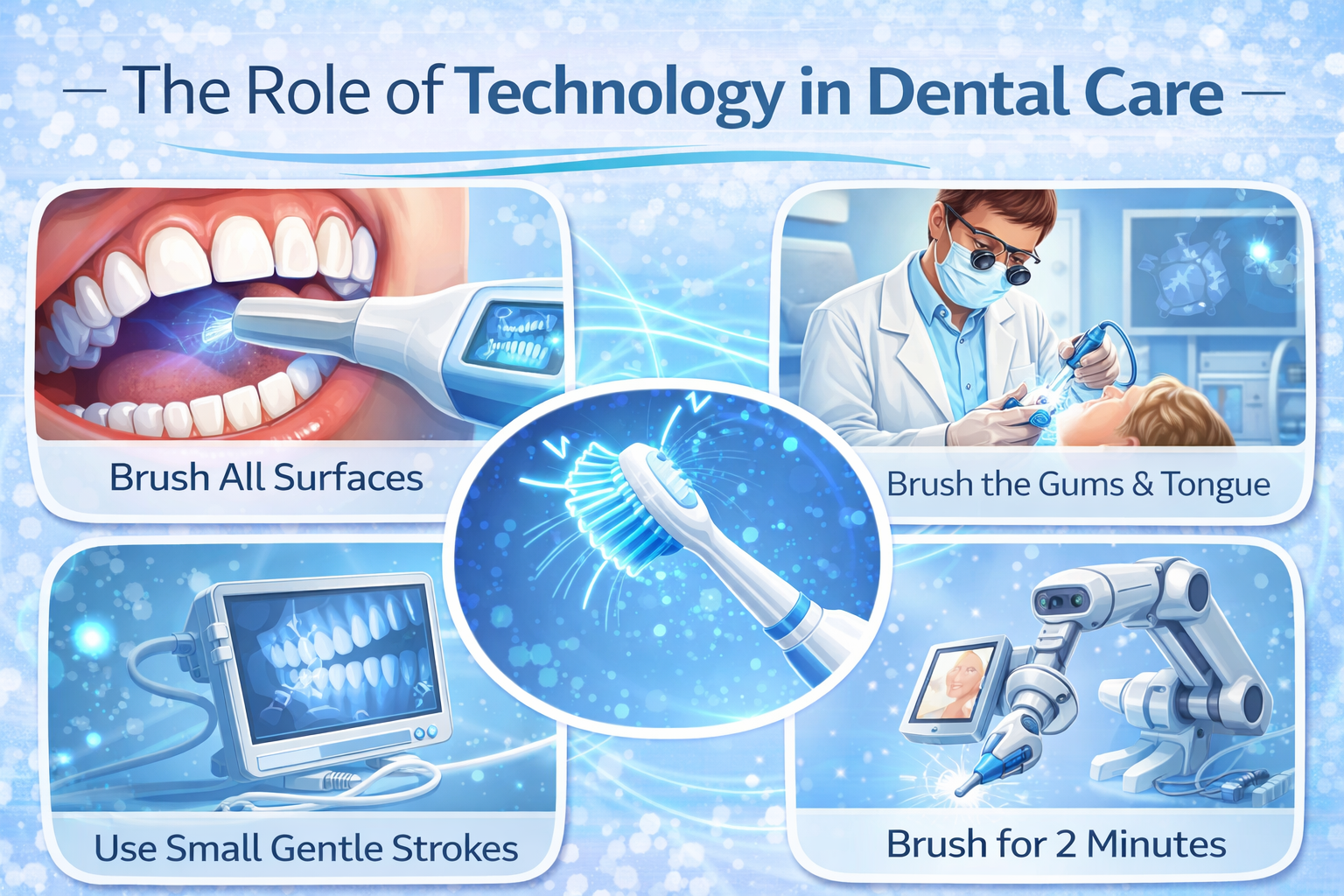
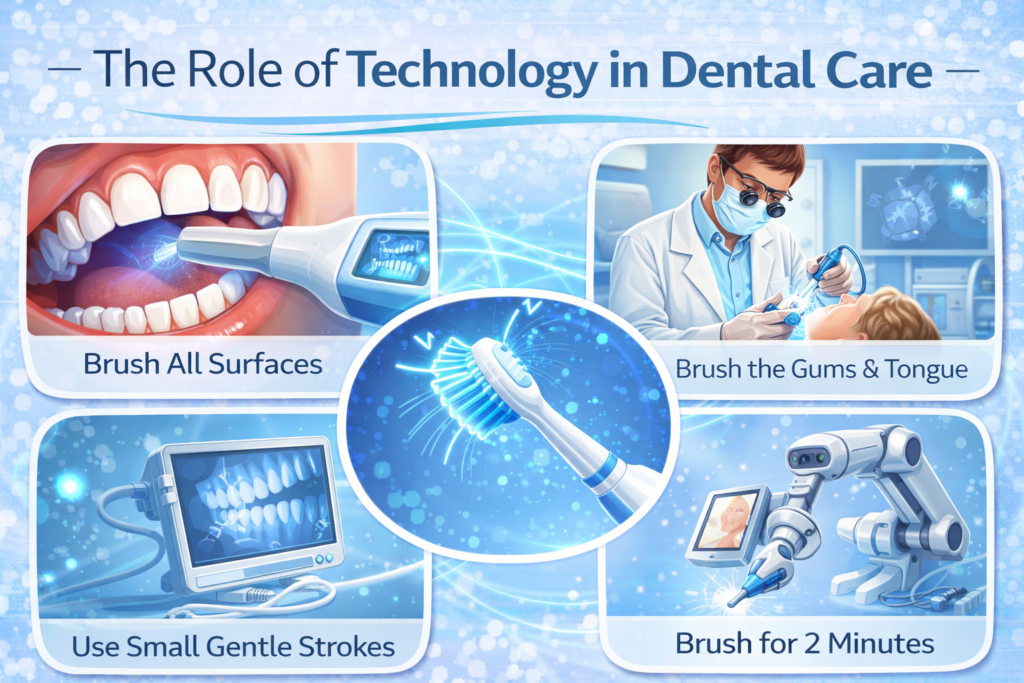
Years later, walking into a modern dental clinic feels like stepping into a completely different world. Screens glow softly on the walls, machines hum with precision rather than noise, and everything seems designed not just to treat, but to explain, predict, and even prevent. Technology hasn’t just changed dental care—it has reshaped the entire experience, both for patients and professionals.
This transformation didn’t happen overnight. It’s the result of years of innovation, driven by a simple but powerful idea: dental care should be more accurate, less painful, and more accessible. And in many ways, that idea has become reality.
Seeing What Was Once Invisible
One of the most noticeable changes in dental care is how much easier it has become to see what’s happening inside your mouth. In the past, dentists relied heavily on basic X-rays and manual inspection. While effective, these methods had limitations. Small issues could go unnoticed until they became serious problems.
Today, digital imaging has changed that completely.
I remember the first time a dentist showed me a 3D scan of my teeth. It wasn’t just a flat image—it was a detailed model that could be rotated, zoomed in, and examined from every angle. Suddenly, I wasn’t just being told what was wrong; I could actually see it for myself. A tiny crack in a tooth, early signs of gum issues, even how my bite aligned—it was all there, clear and understandable.
This shift matters more than it might seem. When patients can see their own dental health, they become more involved in their care. It turns a one-sided explanation into a conversation. And that, in itself, changes how people think about going to the dentist.
Precision Over Guesswork
Another major change technology has brought is precision. Dentistry used to involve a certain level of estimation—careful, informed, but still reliant on the dentist’s experience and judgment alone.
Now, tools like CAD/CAM (computer-aided design and manufacturing) systems allow dentists to design and create dental restorations with incredible accuracy. Crowns, for example, can be made in a single visit, perfectly fitted to a patient’s teeth without the need for multiple appointments or temporary solutions.
There’s something almost fascinating about watching this process. A tooth is scanned, the design appears on a screen, and within a short time, a machine produces a custom restoration. What used to take weeks can now be done in hours.
But beyond convenience, the real benefit is reliability. Better fit means better function, longer-lasting results, and fewer complications down the line.
Reducing Fear and Discomfort
For many people, fear is still one of the biggest barriers to dental care. That hasn’t changed—but how it’s addressed has.
Technology has made dental procedures significantly less invasive and more comfortable. Laser dentistry, for instance, allows certain treatments to be performed with minimal pain and reduced healing time. In some cases, it even eliminates the need for anesthesia.
I’ve heard people describe their surprise after experiencing these newer techniques. Procedures they once dreaded turned out to be quick and manageable. That shift—from fear to relief—is powerful. It encourages people to return, to stay consistent with their care, and ultimately to maintain better oral health.
Even small changes make a difference. Quieter tools, more ergonomic equipment, and improved materials all contribute to a more comfortable experience. It’s not just about the big innovations—it’s about the accumulation of thoughtful improvements.
The Rise of Preventive Care
If there’s one area where technology has truly reshaped dental care, it’s prevention.
In the past, dental visits often focused on fixing problems: cavities, infections, damaged teeth. Now, there’s a growing emphasis on stopping those problems before they start.
Smart toothbrushes, for example, can track brushing habits and provide feedback in real time. Mobile apps remind users to floss, monitor their routines, and even suggest improvements. While these tools might seem simple, they represent a larger shift toward personal responsibility supported by technology.
On a professional level, early detection tools can identify issues at their earliest stages. This means treatments are less invasive, less expensive, and more effective.
There’s something reassuring about this approach. It changes the narrative from “something is wrong” to “let’s keep things right.” And that subtle shift can make dental care feel less reactive and more empowering.
Accessibility and Teledentistry
Another interesting development is how technology is making dental care more accessible.
Teledentistry, for example, allows patients to consult with dentists remotely. While it can’t replace in-person treatment, it’s incredibly useful for initial consultations, follow-ups, and advice. For people in remote areas or those with limited mobility, this can make a significant difference.
I’ve seen how this plays out in real life. Someone with a minor concern can get professional guidance without waiting weeks for an appointment. Parents can quickly check whether their child’s issue needs immediate attention. It’s not about replacing traditional care—it’s about extending its reach.
And in a world where time and access are often barriers, that matters.
The Human Side of Technology
Despite all these advancements, one thing hasn’t changed: dental care is still deeply human.
Technology can enhance precision, improve comfort, and provide better information, but it doesn’t replace the relationship between a patient and a dentist. If anything, it strengthens it.
When dentists have better tools, they can focus more on communication and care. When patients understand what’s happening, they feel more confident and less anxious. Technology becomes a bridge rather than a barrier.
I’ve noticed that the best dental experiences aren’t just about advanced equipment—they’re about how that equipment is used to connect, explain, and reassure.
Looking Ahead
It’s hard not to wonder what the future holds. If the past few decades have brought such dramatic changes, what comes next?
Artificial intelligence is already beginning to play a role in diagnostics, helping to identify patterns and predict potential issues. 3D printing continues to evolve, promising even faster and more personalized solutions. There’s even research into regenerative treatments that could one day allow teeth to repair themselves.
These ideas might sound futuristic, but so did digital scans and same-day crowns not too long ago.
A Personal Perspective
Thinking back to that nervous kid in the waiting room, it’s clear how much has changed. Dental care is no longer something to simply endure—it’s something to understand, participate in, and even appreciate.
Technology hasn’t removed every challenge, and it hasn’t made dental visits something everyone looks forward to. But it has made them more transparent, more efficient, and far less intimidating.
And maybe that’s the most important change of all.
Because when people feel informed and comfortable, they’re more likely to take care of their health—not just when something goes wrong, but every day.
In the end, the role of technology in dental care isn’t just about machines or software. It’s about creating a better experience—one where patients feel seen, heard, and supported.
And that’s something worth smiling about.