
I didn’t think much about brushing my teeth when I was younger. It was just something adults kept reminding me to do—twice a day, two minutes each time, don’t forget to floss. It all sounded repetitive, almost exaggerated. I mean, how bad could it really be if you skipped a night or rushed through it in 20 seconds?
For a while, nothing seemed to happen. My teeth looked fine in the mirror. No pain, no obvious damage. That’s probably the most misleading part about not cleaning your teeth properly—at first, it feels like you’re getting away with it.
But the truth is, your mouth keeps score even when you don’t notice.
The Quiet Beginning: Plaque Builds Up
Everything starts small. After you eat, tiny food particles and bacteria stay behind in your mouth. If you brush and floss properly, you remove most of them. If you don’t, they begin to form a thin, sticky layer called plaque.
Plaque is almost invisible, which makes it easy to ignore. You won’t feel it forming. You won’t see it clearly. But it’s there, slowly coating your teeth and settling along your gumline.
At this stage, nothing hurts. That’s why most people don’t take it seriously.
I remember thinking, “My teeth look fine, so I must be doing okay.” But plaque doesn’t need your attention to grow—it just needs time.
When Your Gums Start Talking (But You Don’t Listen)
After a while, plaque starts irritating your gums. This is when the first real signs appear—though they’re still easy to dismiss.
Your gums might bleed a little when you brush. They might look slightly red instead of healthy pink. Maybe they feel a bit sensitive.
This condition is called gingivitis.
The strange thing is, many people see bleeding gums and assume they’re brushing too hard. So what do they do? They brush less carefully—or skip flossing altogether.
That’s exactly the opposite of what should happen.
Bleeding gums aren’t a warning to stop cleaning. They’re a sign you haven’t been cleaning well enough.
The Turning Point: When Plaque Hardens
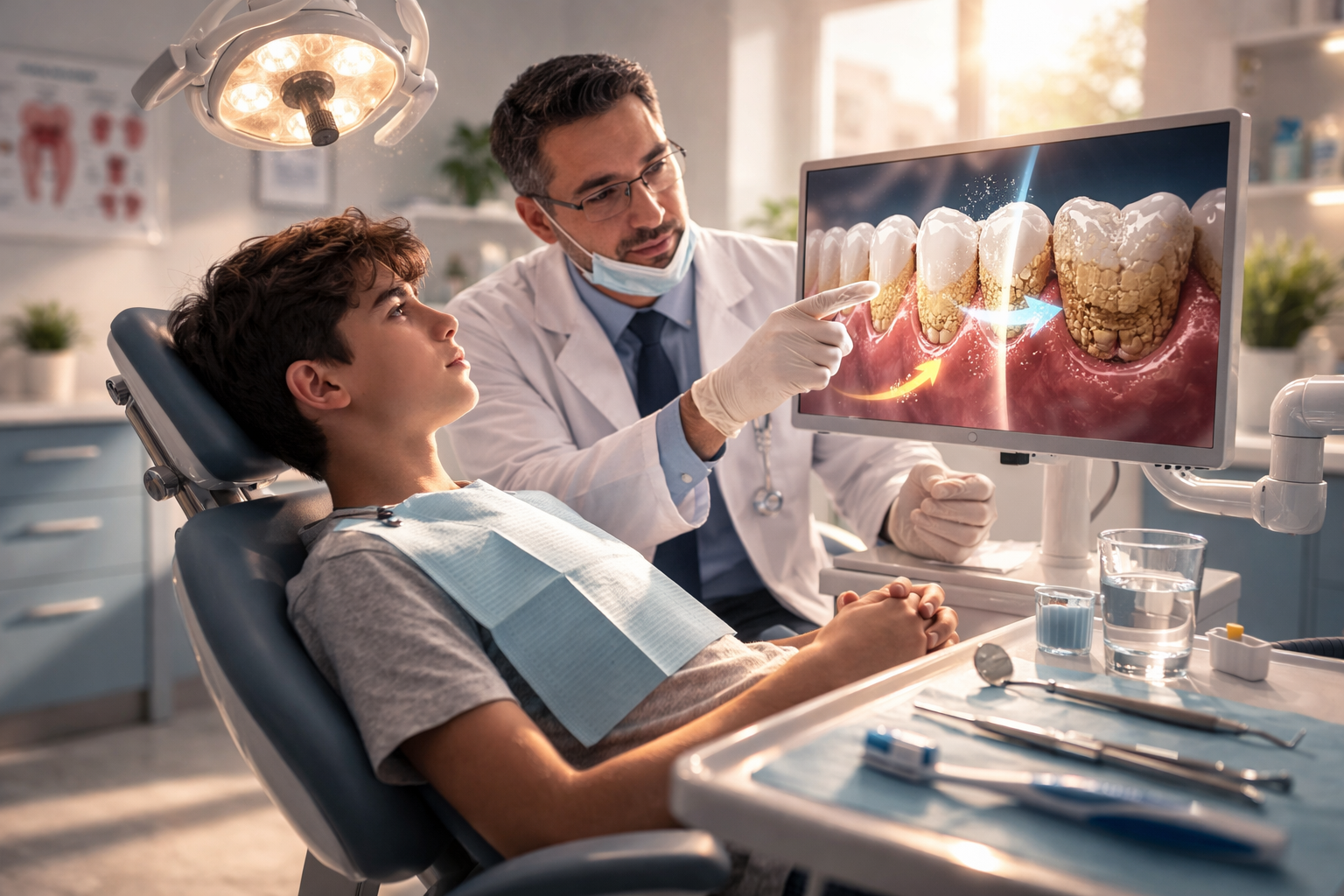
If plaque stays on your teeth long enough, it hardens into something called tartar (or calculus). And here’s the problem—once it turns into tartar, you can’t remove it with a toothbrush anymore.
At this point, brushing alone isn’t enough. You would need a professional cleaning to get rid of it.
Tartar creates a rough surface where even more plaque can stick easily. It’s like giving bacteria a permanent place to settle.
This is where things begin to accelerate.
Cavities: Small Holes, Big Problems
As bacteria feed on leftover sugars in your mouth, they produce acids. These acids slowly wear down the enamel—the protective outer layer of your teeth.
At first, you won’t notice anything. Then maybe a slight sensitivity to cold drinks. Maybe a faint discomfort when eating sweets.
Eventually, tiny holes form in your teeth. These are cavities.
Cavities don’t heal on their own. Once the damage is done, it stays there until it’s treated.
I used to think cavities were something that happened suddenly, like flipping a switch. But they’re actually the result of many small moments—skipped brushing, rushed routines, “I’ll do it later” decisions.
Bad Breath That Won’t Go Away
Another thing that creeps in slowly is bad breath.
Not the kind you get after eating something strong, like garlic or onions. This is different. It lingers, even after you try to freshen up.
That’s because bacteria in your mouth release unpleasant-smelling compounds as they break down food particles.
If you’re not cleaning your teeth and tongue properly, those bacteria keep multiplying.
You might not notice it right away—but other people might.
And that can affect your confidence more than you expect.
When It Gets Serious: Gum Disease
If gingivitis is left untreated, it can develop into a more serious condition called periodontitis.
At this stage, the infection goes deeper below the gumline. The gums begin to pull away from the teeth, forming pockets where bacteria can hide.
This isn’t just about your gums anymore. It starts affecting the bone that supports your teeth.
And unlike the early stages, this damage isn’t fully reversible.
Teeth may become loose. Gums may recede. In severe cases, teeth can even fall out.
It sounds extreme, but it doesn’t happen overnight. It’s the result of long-term neglect—small habits adding up over time.
The Surprising Connection to Overall Health
What happens in your mouth doesn’t stay in your mouth.
Poor oral hygiene has been linked to other health issues, including heart problems and infections. The bacteria from gum disease can enter your bloodstream and affect other parts of your body.
It’s strange to think that something as simple as brushing your teeth could connect to your overall health—but it does.
Your mouth is not separate from the rest of you. It’s part of the system.
The Emotional Side No One Talks About
There’s also something less obvious—the way it affects how you feel about yourself.
When your teeth aren’t healthy, you might smile less. You might cover your mouth when you laugh. You might avoid speaking up in conversations.
It’s not just about appearance. It’s about confidence.
And the frustrating part? Most of it is preventable.
Looking Back: The Small Choices That Matter
If I could go back and talk to my younger self, I wouldn’t give a long lecture. I’d just say this:
It’s not about perfection. It’s about consistency.
Brushing your teeth properly isn’t something you do once and forget about. It’s a daily habit. A routine that seems small but adds up over time.
Two minutes in the morning. Two minutes at night. Flossing, even when you don’t feel like it.
These are simple actions—but they protect you from a chain reaction of problems.
So What Really Happens?
If you don’t clean your teeth correctly, nothing dramatic happens at first. That’s what makes it dangerous.
It starts quietly—with plaque you can’t see.
Then your gums react, but you might ignore it.
Then bacteria settle in deeper, causing damage that’s harder to reverse.
By the time it becomes obvious, it’s no longer a small problem.
The Good News
The story doesn’t have to go that way.
Your mouth is surprisingly good at recovering—if you give it the care it needs.
Even if you haven’t been consistent before, you can start now. Brush properly. Take your time. Pay attention to your gums, not just your teeth.
It’s not about fear. It’s about awareness.
Because once you understand what’s really happening, those two minutes in front of the mirror don’t feel like a chore anymore.
They feel like a decision—one that your future self will thank you for.