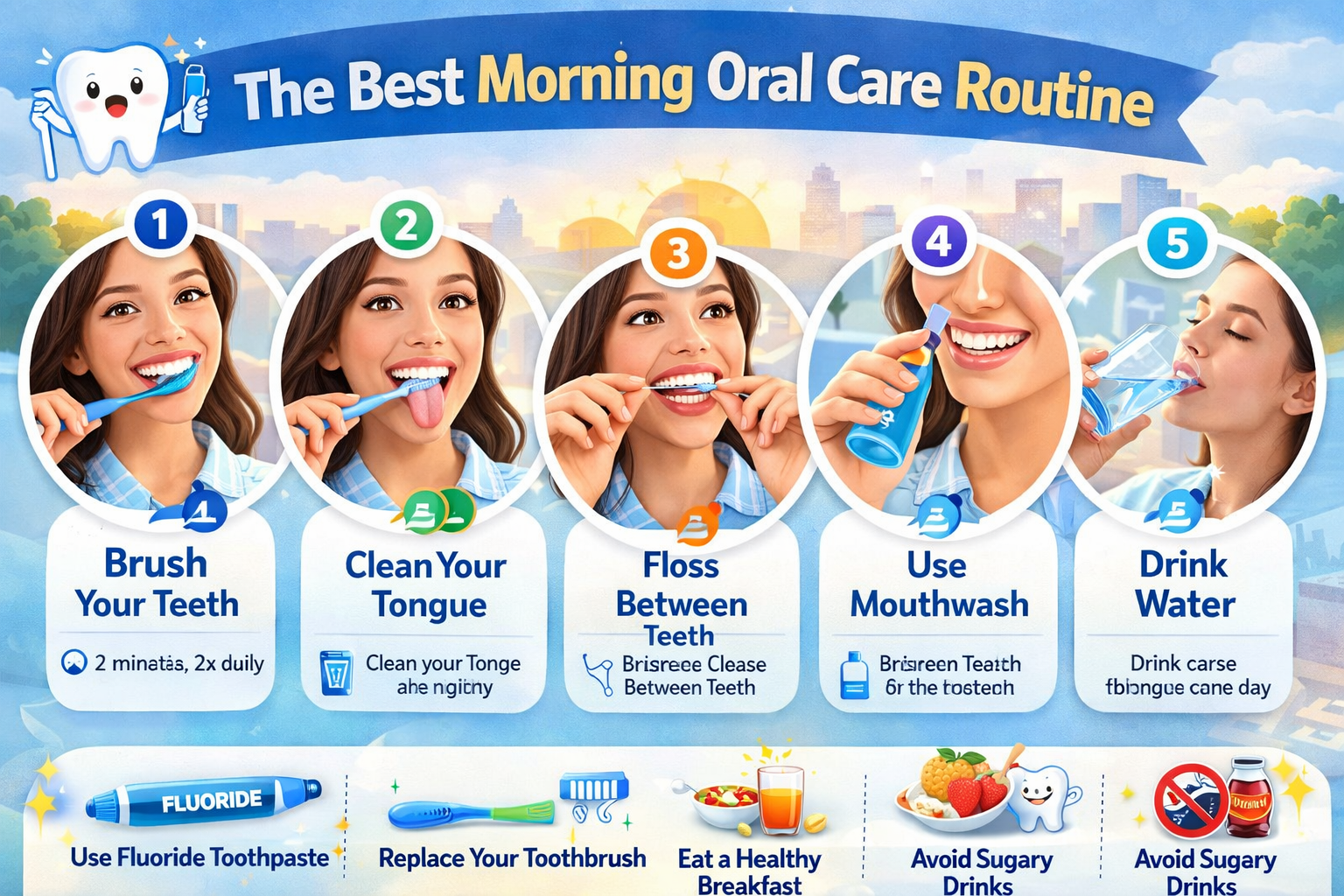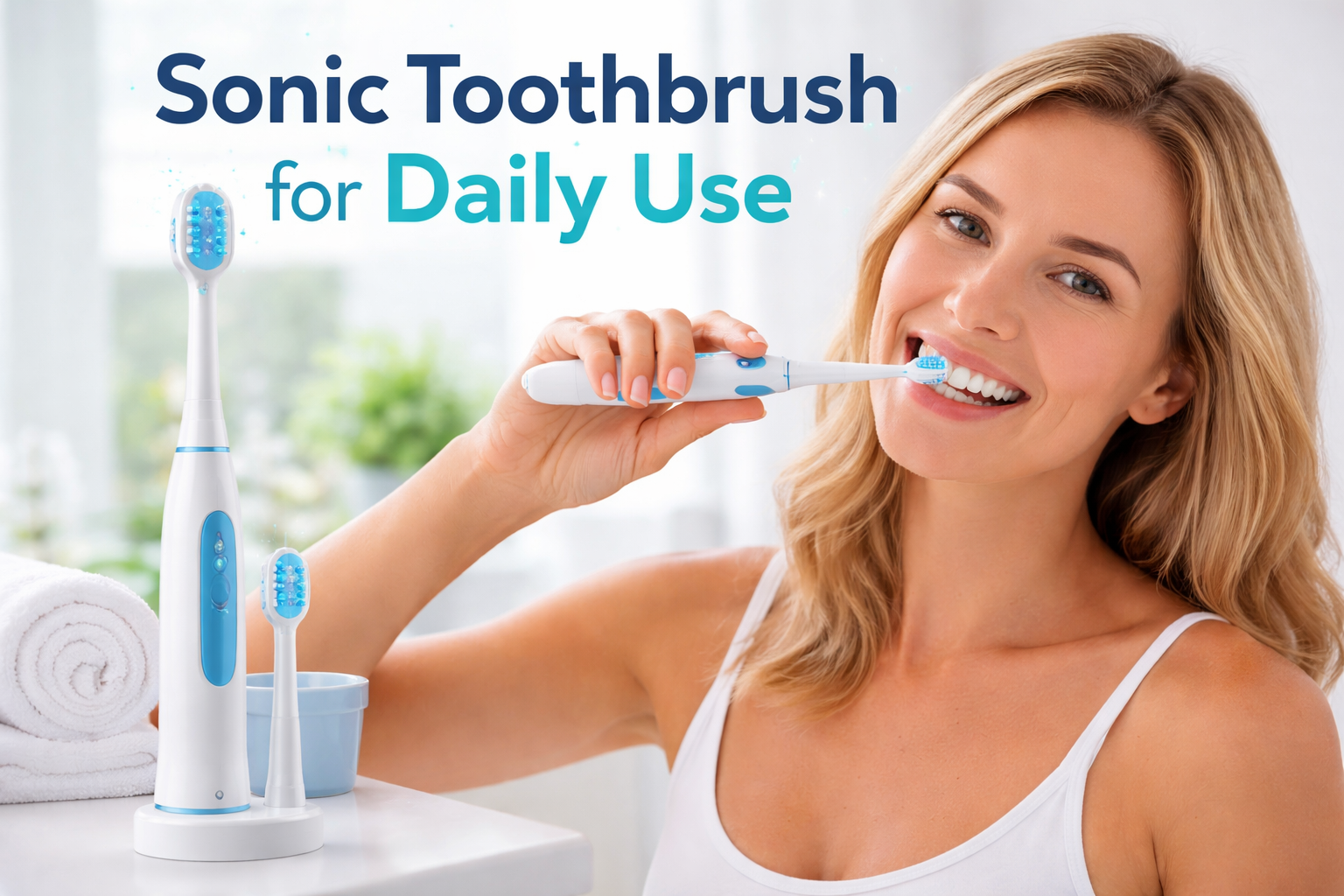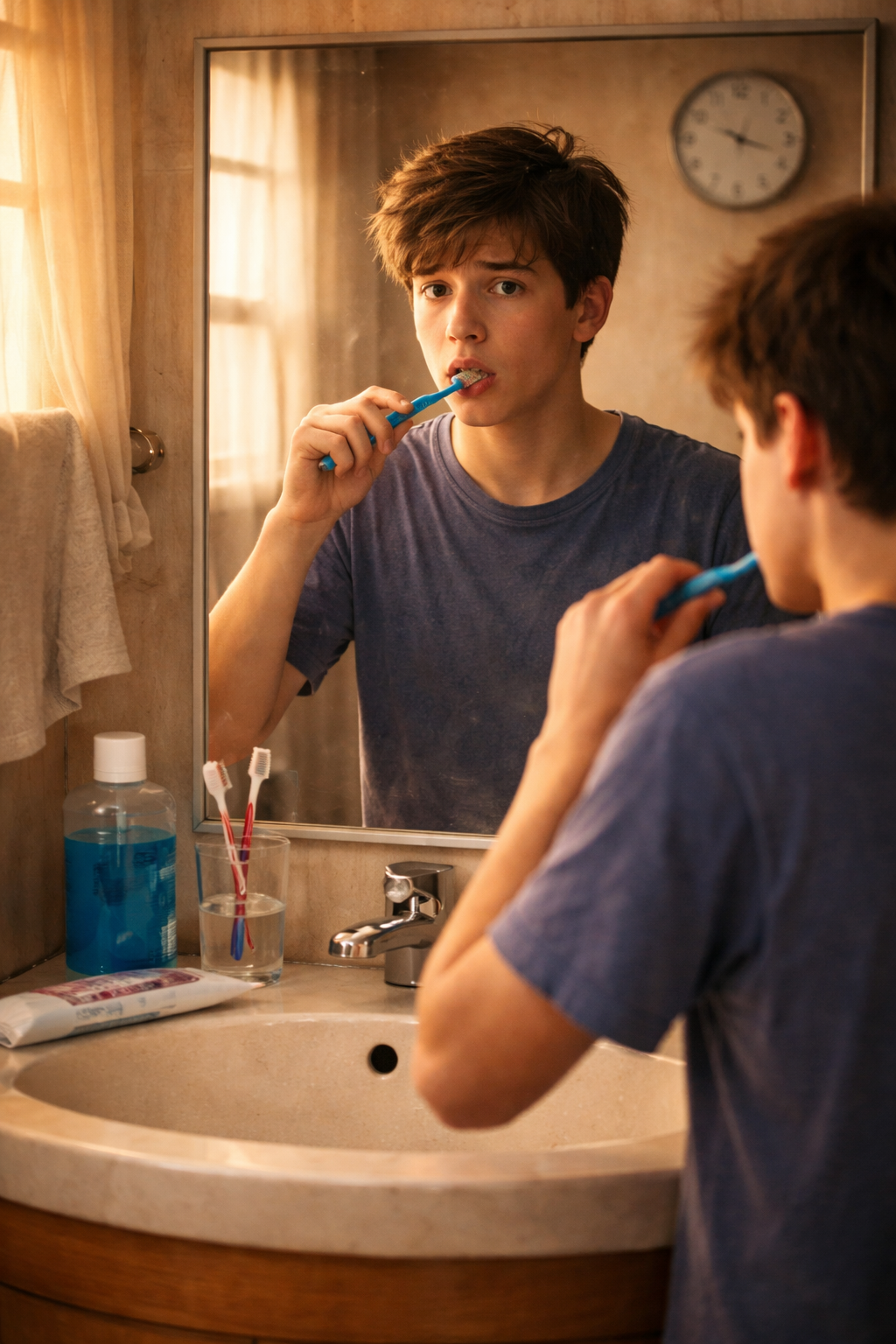
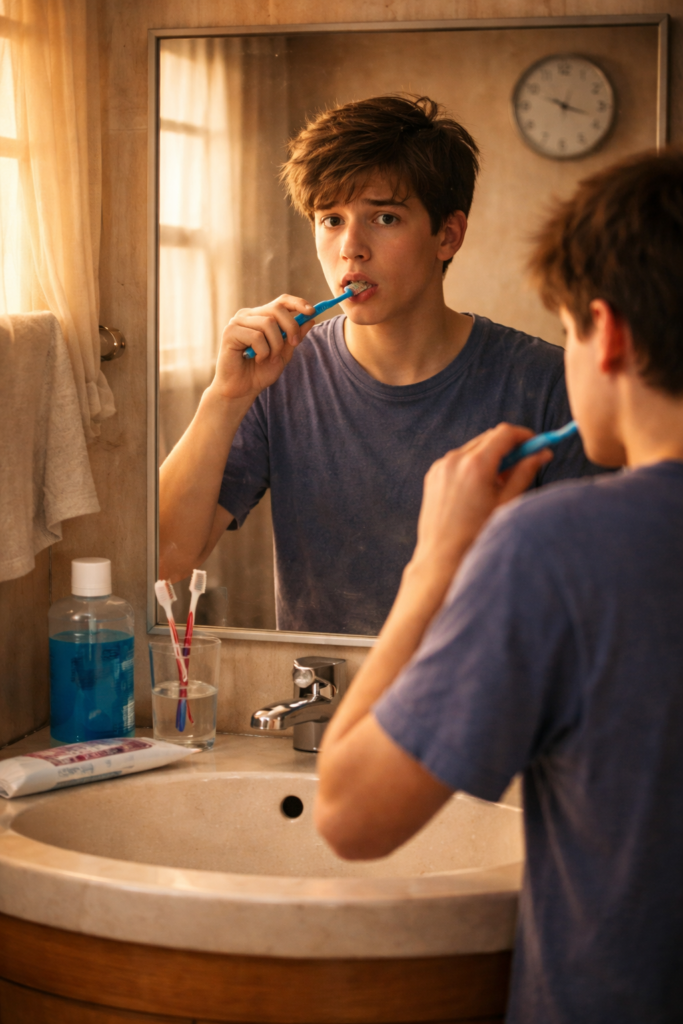
I didn’t realize I had been brushing my teeth the wrong way for years until a dentist gave me a look I couldn’t quite forget. It wasn’t judgmental, just… knowing. Like they’d seen this story play out a hundred times before. I had always thought brushing was simple—twice a day, quick scrub, rinse, done. Clean enough, right?
Apparently, not even close.
That moment stuck with me, and it made me start paying attention—not just to what the dentist said, but to the quiet signs my own body had been giving me all along. The truth is, your mouth is constantly trying to tell you something. You just have to notice.
So if you’ve ever wondered whether you’re actually brushing your teeth properly, here are some signs—subtle and obvious—that might suggest you’re not.
1. Your Gums Bleed More Often Than You Think
At first, I thought a little bleeding was normal. I mean, it’s just brushing, right? Sometimes you go a little too hard.
But that’s exactly the problem.
If your gums bleed regularly when you brush or floss, it’s often a sign that plaque has built up along your gum line. That buildup irritates the gums, making them more sensitive and prone to bleeding. Ironically, many people respond by brushing less in those areas because it feels uncomfortable—which only makes things worse.
Healthy gums don’t bleed easily. If yours do, it might be time to rethink how—and how gently—you’re brushing.
2. Your Breath Doesn’t Stay Fresh for Long
There’s a difference between “morning breath” and breath that seems to linger no matter what you do.
I used to think chewing gum or rinsing with mouthwash solved the problem. It didn’t. It just covered it up.
Bad breath often comes from bacteria that aren’t being properly removed. If brushing were truly effective, those bacteria wouldn’t stick around long enough to cause noticeable odor. But when brushing is rushed or misses certain areas—especially the back teeth or tongue—those bacteria thrive.
If your breath loses its freshness quickly after brushing, it might not be doing the job you think it is.
3. Your Teeth Feel Clean… But Only for a While
There’s a certain feeling right after brushing—smooth, almost slippery. For a while, I assumed that meant everything was fine.
But then, just a few hours later, my teeth would feel… coated again. Not visibly dirty, just slightly rough if I ran my tongue over them.
That’s plaque building up again, and while some of that is normal throughout the day, rapid buildup can be a sign that brushing didn’t remove it effectively in the first place.
Proper brushing should give your teeth a cleaner baseline—not just a temporary illusion of cleanliness.
4. You Rush Through Brushing Without Realizing
This one is easy to overlook because it feels like a harmless habit.
I used to brush for what I thought was a reasonable amount of time. Then one day, I actually timed it.
Forty-five seconds.
It turns out, most people underestimate how long they brush. Dentists recommend at least two minutes, but without consciously paying attention, it’s surprisingly easy to fall short.
When brushing becomes automatic—something you do while thinking about your day or scrolling on your phone—you’re more likely to miss spots, rush, and apply uneven pressure.
Brushing properly isn’t just about doing it—it’s about doing it with intention.
5. You Focus Only on the Front Teeth
It sounds obvious, but it’s something many people (including me) tend to do without realizing.
The front teeth are what you see in the mirror, what you notice when you smile, what you subconsciously prioritize. So naturally, they get more attention.
Meanwhile, the back teeth—the ones that do most of the chewing—are often neglected. Those areas are harder to reach, easier to ignore, and unfortunately, more likely to develop cavities.
If your brushing routine doesn’t feel evenly distributed across your entire mouth, it probably isn’t.
6. Your Toothbrush Looks Worn Out Too Quickly
I used to go through toothbrushes faster than expected. The bristles would splay outward, losing their shape within weeks.
At first, I thought it was just normal wear and tear.
But it turns out, that’s usually a sign of brushing too hard.
Aggressive brushing doesn’t clean better. In fact, it can damage your gums and enamel over time. A toothbrush should last about three months with normal use. If yours doesn’t, it might be worth adjusting your technique.
Gentle, controlled movements are far more effective than force.
7. You Skip the Gum Line Without Noticing
One of the most important areas to clean is also one of the easiest to miss: the gum line.
That thin edge where your teeth meet your gums is where plaque loves to hide. And unless your brush is angled correctly, you’re probably not cleaning it thoroughly.
I didn’t even realize I was missing it until someone showed me the right technique—tilting the brush slightly toward the gums instead of brushing straight across.
It’s a small adjustment, but it makes a big difference.
8. You Rarely Brush Your Tongue
For a long time, I didn’t think brushing my tongue mattered. Teeth were the focus, after all.
But your tongue can hold a surprising amount of bacteria—the kind that contributes to bad breath and overall oral hygiene issues.
If you skip this step, you’re leaving part of the job unfinished.
It doesn’t have to be complicated. A few gentle strokes with your toothbrush or a tongue scraper can go a long way.
9. You Rely Too Much on Mouthwash
Mouthwash can feel like a shortcut. Quick, refreshing, and easy.
But it’s not a replacement for proper brushing.
If brushing isn’t effective, mouthwash won’t fix the underlying issue. It might make your mouth feel cleaner temporarily, but it doesn’t remove plaque the way brushing does.
Think of it as an extra step—not the main one.
10. Your Dentist Keeps Mentioning the Same Issues
Sometimes, the clearest sign isn’t something you notice—it’s something someone else points out.
If your dentist repeatedly mentions plaque buildup, early cavities, or gum sensitivity, it’s worth paying attention. Even if your routine feels consistent, it might not be as effective as you think.
I used to nod along during those conversations, assuming it was just minor stuff. But looking back, those were early warnings I didn’t fully take seriously.
A Small Habit, A Big Impact
What surprised me most through all of this wasn’t how complicated proper brushing is—it’s how easy it is to get it slightly wrong.
Brushing your teeth is one of the first habits you learn, and because of that, it rarely gets questioned. It becomes automatic, almost invisible in your daily routine.
But small adjustments—slowing down, being more intentional, paying attention to technique—can completely change the outcome.
Now, brushing feels different to me. Not like a chore, but like a moment of care I used to rush through without thinking.
And maybe that’s the real sign you’ve been doing it wrong—not the bleeding gums or the dentist’s reminders, but the fact that you never stopped to question it at all.
Because sometimes, the habits we trust the most are the ones worth revisiting.