How to Reduce Plaque Build-Up (Continued)
I didn’t really think much about plaque until the day my dentist paused mid-checkup, leaned back slightly, and gave me that look—the one that says, “We need to talk.” It wasn’t dramatic, no lecture, no panic. Just a quiet moment that made me realize something small had been building up over time, unnoticed, like dust settling in corners you don’t usually check.
Plaque is like that. It doesn’t arrive all at once. It’s subtle, almost invisible in the beginning, forming quietly on your teeth after every meal, every snack, every sip of something sugary. You don’t feel it happening. You don’t hear it. But it’s there, slowly creating a thin film that, if ignored, turns into something much harder to deal with.
That was the moment I started paying attention—not just to brushing, but to everything around it.
At first, I thought brushing harder would fix everything. It seemed logical. If something is sticking to your teeth, you scrub it away, right? But that assumption didn’t last long. Brushing harder didn’t mean brushing better. In fact, it made things worse—my gums felt sensitive, and I still wasn’t getting the results I expected.
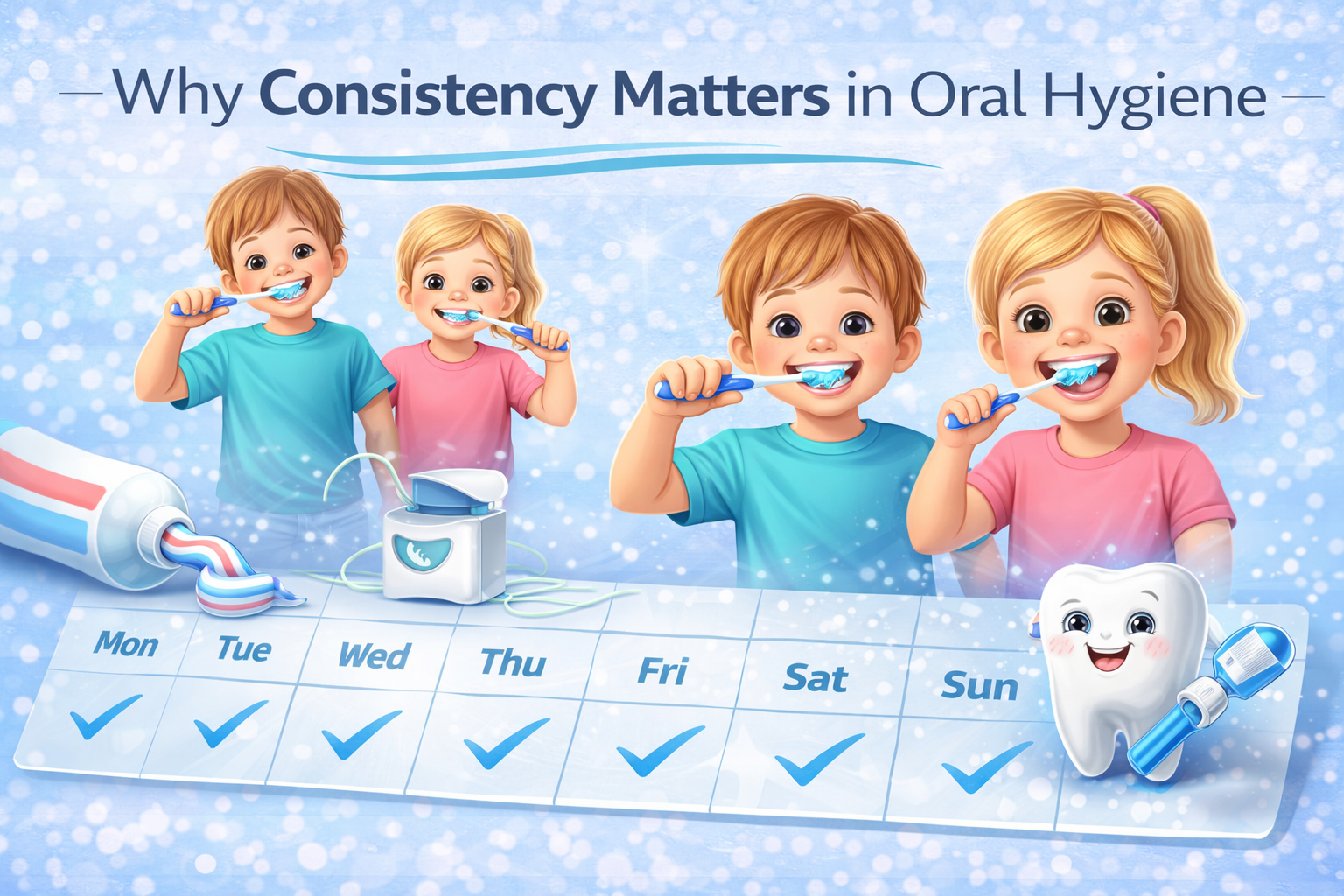
What I eventually learned is that reducing plaque isn’t about force. It’s about consistency and technique.
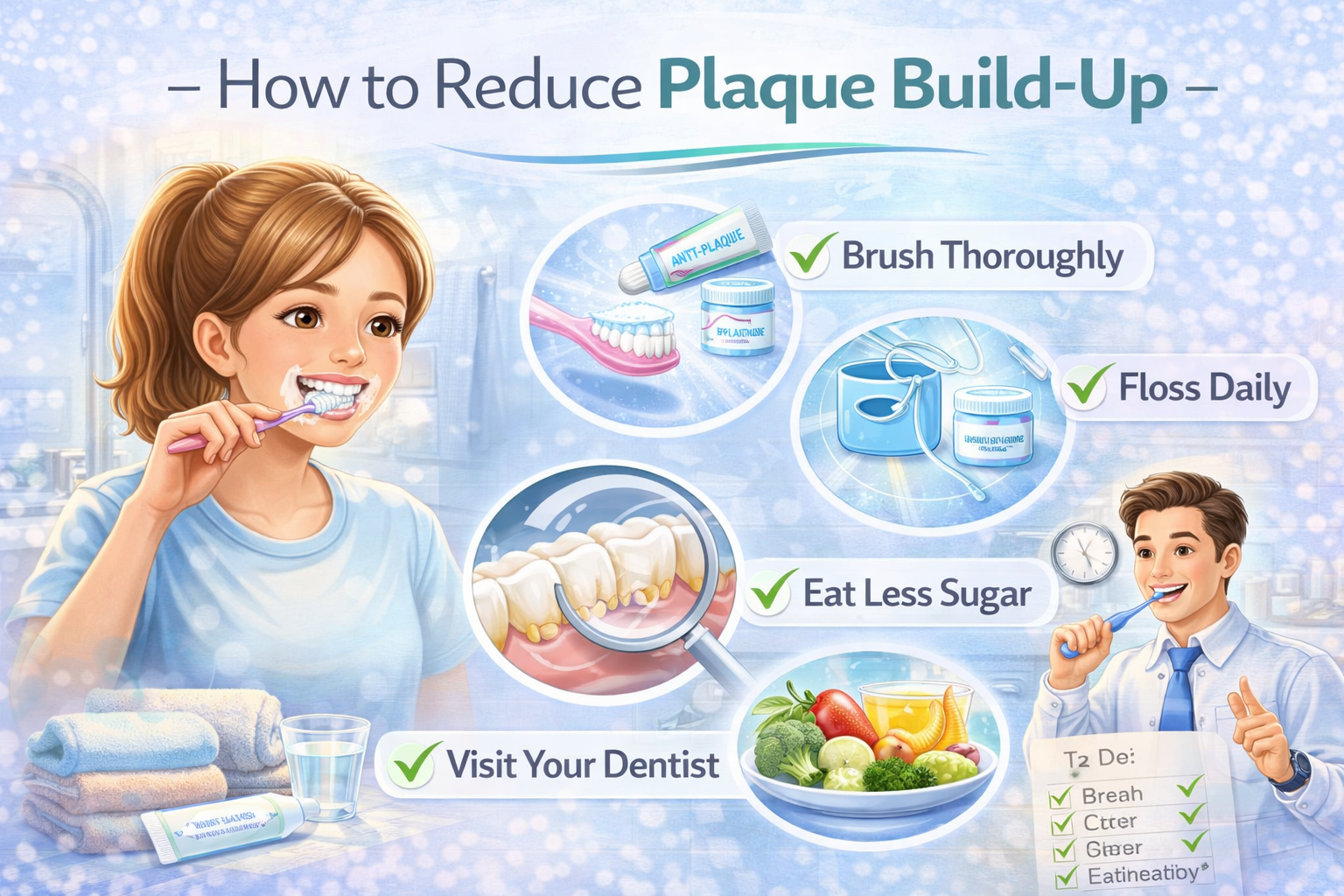
The way you brush matters more than how hard you brush. A gentle, circular motion along the gumline works better than aggressive back-and-forth scrubbing. It’s almost like cleaning a delicate surface—you’re guiding the brush, not attacking your teeth. Slowing down made a bigger difference than I expected. Two full minutes felt long at first, but over time, it became part of a rhythm, like a small pause in the day.
Flossing was another story.
If I’m being honest, flossing used to feel optional. Something you do when you want to feel extra responsible. But plaque doesn’t just sit on the visible surfaces—it hides between teeth, in places a toothbrush simply can’t reach. Skipping flossing is like cleaning only half a room and assuming the rest will take care of itself.
Once I made flossing a daily habit, I noticed something subtle but important: my mouth felt cleaner for longer. Not just right after brushing, but throughout the day. It was a different kind of clean—deeper, more complete.
Then there’s the role of what we eat and drink.
This was probably the hardest part to accept. It’s easy to think plaque is only about hygiene, but diet plays a huge role. Sugary snacks, soft drinks, and even frequent snacking create the perfect environment for plaque to form. Every time we eat, especially foods high in sugar or starch, we’re essentially feeding the bacteria that produce plaque.
I didn’t cut everything out—that approach never really works long-term. Instead, I became more aware. Drinking water after meals, choosing snacks that don’t stick to teeth as much, and not constantly grazing throughout the day all made a difference. It wasn’t about restriction; it was about balance.
Crunchy fruits and vegetables, like apples and carrots, turned out to be surprisingly helpful. They don’t replace brushing, of course, but they do help clean the surfaces of teeth a bit and stimulate saliva production. And saliva, as simple as it sounds, is one of the body’s natural defenses against plaque. It helps wash away food particles and neutralize acids.
Speaking of saliva, staying hydrated became another small but meaningful change. Dry mouth creates a better environment for plaque to build up. Drinking enough water throughout the day supports everything—from saliva production to overall oral health.
Mouthwash was something I added later, but with intention. Not all mouthwashes are the same, and it’s easy to assume they’re just a finishing touch. The right one can help reduce bacteria and reach areas that brushing and flossing might miss. But it works best as part of a routine, not a shortcut.
Another thing I didn’t expect to matter as much was replacing my toothbrush regularly. It sounds simple, but a worn-out brush doesn’t clean effectively. The bristles lose their shape, and what once worked well becomes less efficient over time. Changing it every few months—or sooner if it looks worn—turned out to be one of the easiest improvements to make.
And then there are dental checkups.
For a long time, I thought of them as something you do when there’s a problem. But plaque doesn’t always announce itself loudly. By the time you notice something is wrong, it may have already progressed into tartar, which can’t be removed by brushing alone.
Regular dental visits aren’t just about fixing issues—they’re about preventing them. Professional cleanings remove buildup that daily care can’t handle, and they reset things, giving you a clean slate to maintain.
What surprised me most through all of this wasn’t how complicated plaque prevention is—but how simple it actually is when you break it down. None of the steps are extreme. There’s no secret formula or overnight solution. It’s a series of small, consistent habits that, over time, make a big difference.
And maybe that’s the real lesson here.
Plaque builds up quietly, but so do good habits. You don’t notice the impact of brushing properly after one day, or flossing for a week. But months later, at your next checkup, you realize something has changed. The conversation is different. The dentist smiles a little more. That quiet moment of concern is replaced with reassurance.
It’s easy to overlook something as routine as oral care. It happens twice a day, every day, and because of that, it fades into the background. But those small moments—standing at the sink, taking a few extra seconds, making a slightly better choice—add up.
Reducing plaque isn’t about perfection. It’s about paying attention. It’s about understanding that the little things we do consistently matter more than the big things we do occasionally.
Looking back, that moment in the dentist’s chair wasn’t a warning—it was a turning point. Not a dramatic one, not life-changing in an obvious way, but quiet and steady. The kind of change that happens gradually, until one day you realize you’ve been taking better care of yourself all along.
And in the end, that’s what it comes down to. Not just cleaner teeth, but a small, daily act of care—one that’s easy to ignore, but even easier to improve once you decide it matters.