The first night I wore my retainer after getting my braces removed, I felt proud of my new smile. Years of orthodontic appointments, tightening wires, and carefully brushing around brackets had finally paid off. My teeth looked straighter than ever, and the retainer seemed like a small, simple device that would help keep everything in place.
My orthodontist gave me one important instruction before I left the clinic.
“Wear it every night—and make sure you keep it clean.”
At the time, I didn’t think much about the second part of that sentence. Cleaning a retainer didn’t sound like a big deal. I assumed rinsing it with water in the morning would be enough.
For the first couple of weeks, that’s exactly what I did.
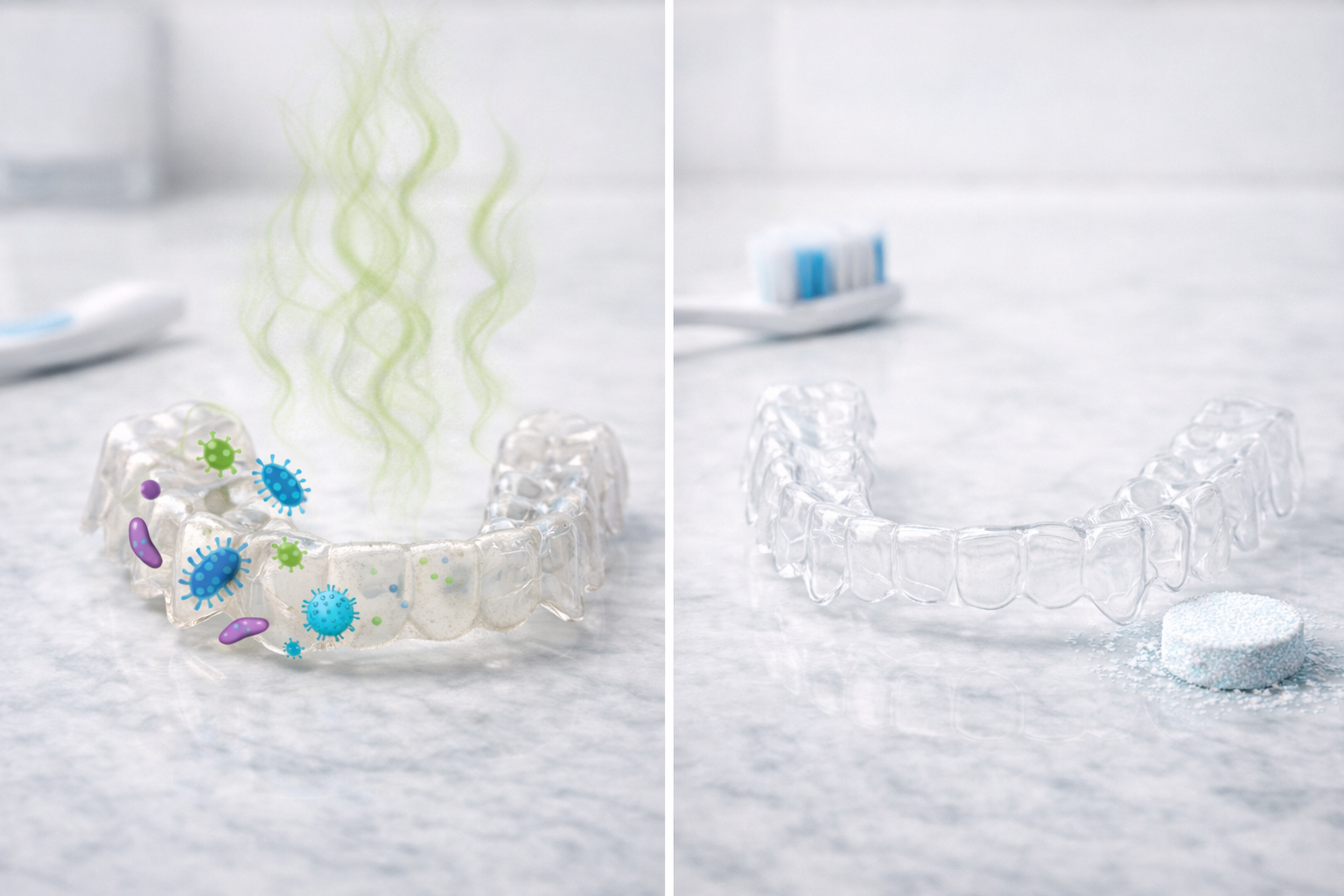
But one morning, when I opened the small plastic case on my bathroom counter, something felt different. The retainer didn’t look as clear as it used to. It had a faint cloudy layer, and when I held it close, there was a slight sour smell.
That was the moment I started wondering:
What actually happens if you don’t clean your retainer daily?
The answer, as dentists often explain, is more complicated—and more important—than most people realize.
Why Daily Retainer Cleaning Matters
A retainer may look like a simple piece of plastic or metal, but once it sits inside your mouth, it becomes part of your oral environment.
Your mouth naturally contains hundreds of different types of bacteria. Most of them are harmless, but when bacteria collect on surfaces like teeth or retainers, they can form a sticky film called plaque.
Plaque doesn’t just stay on teeth.
It can also build up on retainers, especially when they are worn overnight for several hours.
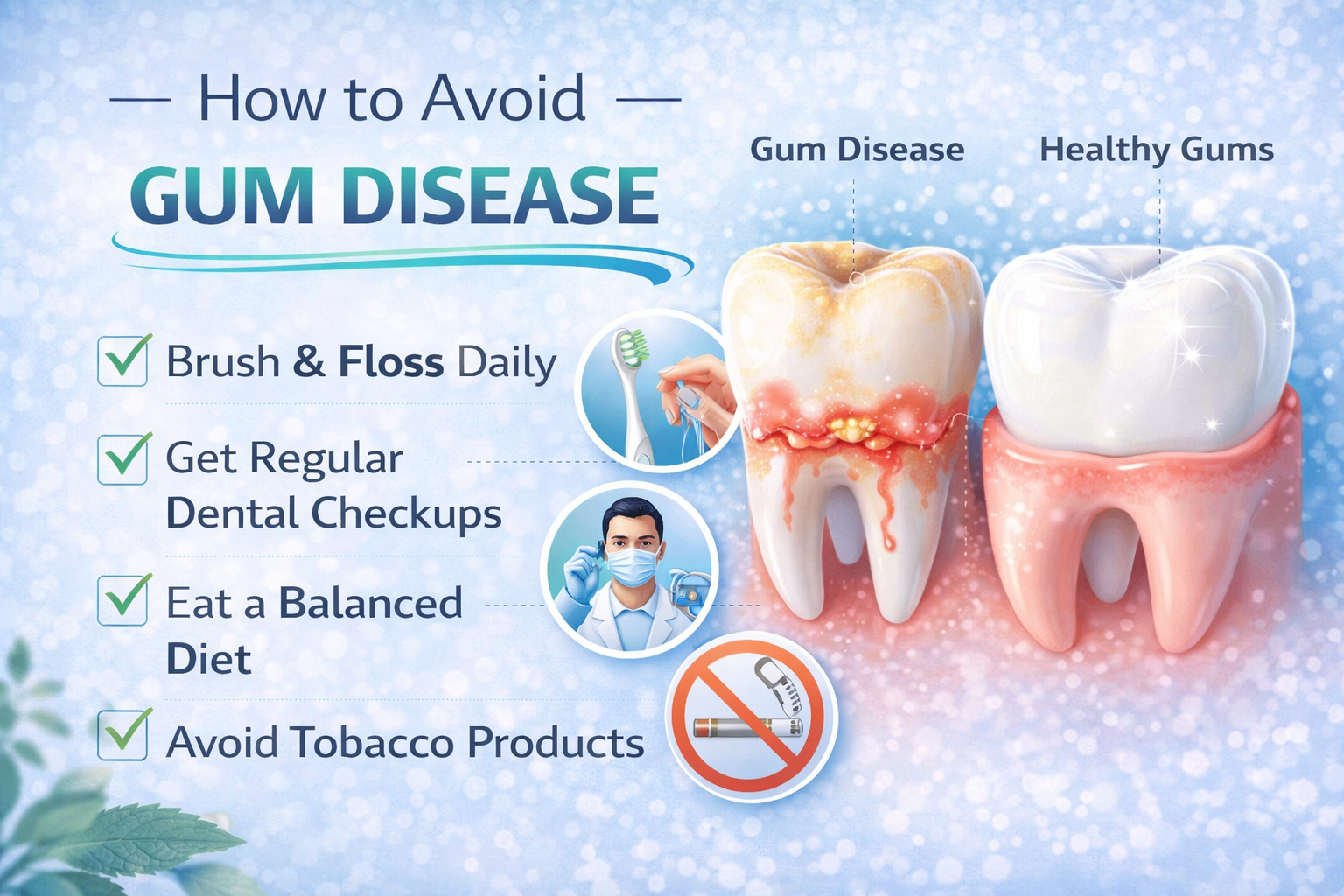
If a retainer isn’t cleaned daily, bacteria, saliva, and tiny food particles begin to accumulate on its surface. Over time, this buildup can create several problems that many retainer wearers experience.
1. Bacteria Build Up Quickly
One of the first things that happens when you skip daily cleaning is bacterial buildup.
Your retainer spends hours inside a warm, moist environment—the perfect place for microorganisms to grow. During this time, bacteria from your mouth attach themselves to the retainer and begin multiplying.
Dentists often compare this process to what happens on unbrushed teeth.
Within just a day or two, bacteria can form a thin biofilm layer on the retainer. If the retainer isn’t cleaned regularly, that layer becomes thicker and harder to remove.
This bacterial film is the main reason retainers can start to smell unpleasant.
2. Your Retainer May Start to Smell
One of the most noticeable signs of a dirty retainer is odor.
Bacteria break down proteins and food particles inside the mouth, producing compounds that have a strong smell. When these bacteria live on your retainer, they create the same effect.
You might notice:
- A sour odor when you open your retainer case
- A strange taste when placing the retainer in your mouth
- Bad breath after wearing it overnight
Even if the retainer looks clean, odor is often the first sign that bacteria have started to accumulate.
3. Plaque and Tartar Can Form
Another consequence of not cleaning your retainer daily is the buildup of plaque and mineral deposits.
Saliva naturally contains minerals such as calcium and phosphate. When these minerals combine with bacteria, they can form hardened deposits similar to tartar on teeth.
This buildup can cause the retainer to appear:
- Cloudy
- Yellowish
- Rough or chalky
Once tartar-like deposits form, they can be difficult to remove with simple brushing.
Dentists often recommend soaking the retainer in a cleaning solution to help break down these mineral deposits.
4. Bad Breath May Develop
Many people don’t realize that retainers can contribute to chronic bad breath.
When bacteria grow on a retainer, they produce sulfur compounds that create unpleasant odors. These odors can linger in the mouth even after brushing your teeth.
If someone notices persistent bad breath despite good brushing habits, a dirty retainer could be the hidden cause.
Regular cleaning helps remove the bacteria responsible for these smells.
5. Increased Risk of Tooth Decay
A dirty retainer can also affect your teeth directly.
When bacteria accumulate on the retainer’s surface, they can easily transfer back onto your teeth each time you wear it. If those bacteria remain trapped between the retainer and your teeth overnight, they may increase the risk of plaque buildup and cavities.
This is especially true if the retainer is worn after eating or drinking sugary beverages.
Dentists often recommend brushing and flossing before putting a retainer back in your mouth.
6. Gum Irritation
Another possible consequence of poor retainer hygiene is gum irritation.
When bacteria and plaque build up on a retainer, they can irritate the soft tissues in your mouth. Some people notice redness or mild discomfort around their gums when wearing an unclean retainer.
Although this irritation is usually temporary, it can become more noticeable if the retainer is rarely cleaned.
Maintaining good hygiene helps keep both your teeth and gums healthy.
7. The Retainer Can Become Discolored
Clear plastic retainers are designed to be transparent and discreet. However, if they are not cleaned regularly, they can gradually become stained or discolored.
Bacteria, food particles, and drinks such as coffee or tea can leave stains on the plastic material.
Over time, the retainer may develop:
- Yellow spots
- White cloudy patches
- Dark stains in small grooves
Daily cleaning helps prevent these stains and keeps the retainer looking clear.
8. The Retainer May Wear Out Faster
Another consequence of poor cleaning habits is faster wear and tear.
When plaque and mineral deposits accumulate on a retainer, they can make the surface rougher. This roughness can weaken the material over time and create small scratches where bacteria hide.
Eventually, the retainer may need to be replaced earlier than expected.
Considering that replacing retainers can be expensive, daily cleaning is a simple way to extend their lifespan.
How Dentists Recommend Cleaning Your Retainer
After experiencing the effects of a neglected retainer myself, I started following a more consistent cleaning routine.
Dentists generally suggest a few simple habits.
Clean It Every Day
Use a soft toothbrush to gently brush the retainer and remove plaque buildup.
Rinse It After Removing
Whenever you take out the retainer, rinse it with lukewarm water to remove saliva and debris.
Soak It Occasionally
Once or twice a week, soaking the retainer in a cleaning solution can help remove stubborn buildup.
Keep the Case Clean
Your retainer case should also be washed regularly. A dirty case can reintroduce bacteria onto the retainer.
Avoid Hot Water
Hot water can warp plastic retainers and affect how they fit.
A Small Routine That Makes a Big Difference
Looking back, I realized that cleaning a retainer is similar to brushing your teeth.
It’s a small habit that only takes a minute or two each day, but it prevents many bigger problems later.
When I started cleaning my retainer consistently, the cloudy film disappeared, the odor went away, and wearing it felt much more comfortable.
Most importantly, I knew I was protecting the smile I had worked so hard to achieve.
Final Thoughts
So, what happens if you don’t clean your retainer daily?
Over time, bacteria, plaque, and mineral deposits can accumulate on its surface. This buildup can lead to bad breath, unpleasant odors, discoloration, and even potential oral health problems.
Fortunately, the solution is simple.
With daily cleaning, occasional soaking, and proper storage, you can keep your retainer fresh, clear, and safe to wear.
After all the time and effort it takes to straighten your teeth, spending a few minutes each day caring for your retainer is a small step that helps your smile stay healthy for years to come. 😁