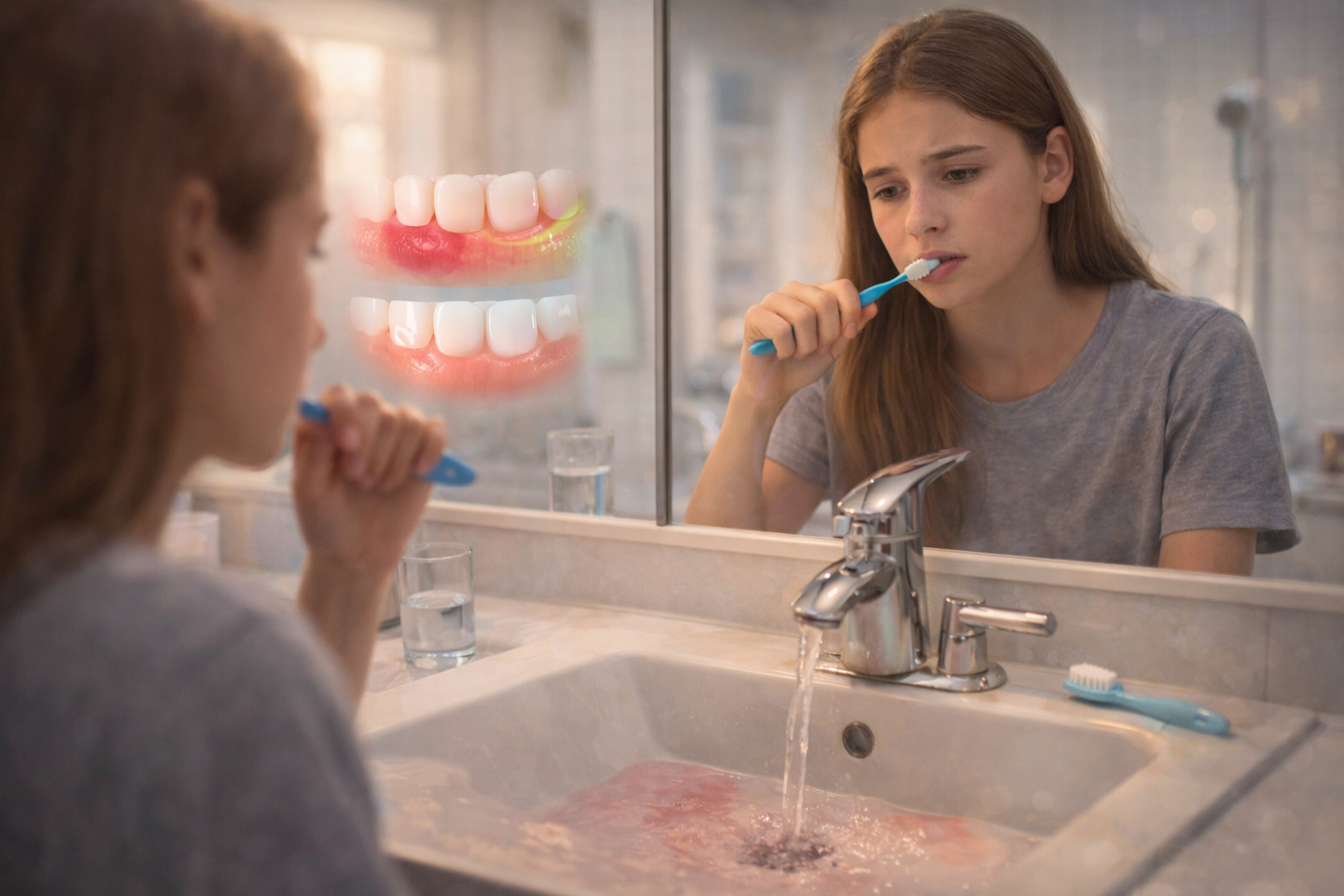

I used to think cavities just… happened.
Like catching a cold or getting caught in the rain without an umbrella. Random. Unavoidable. A little unlucky, maybe—but nothing I could really control.
At least, that’s what I told myself every time a dentist pointed out “early signs of decay” during a check-up.
The truth didn’t sink in until much later: it wasn’t the big things ruining my teeth. It was the small, everyday habits—the ones I barely noticed—that quietly did the damage.
The Comfort of Sugary Sips
It started with something simple: sipping.
I’ve always liked having a drink nearby—something sweet, something flavored. Juice in the morning, soda in the afternoon, maybe a sweet iced tea while studying. It felt harmless. I wasn’t chugging bottles all at once; I was just taking small sips throughout the day.
That felt healthier somehow.
But what I didn’t realize was this: every sip feeds the bacteria in your mouth. And those bacteria produce acids that attack your enamel—the protective outer layer of your teeth.
When you sip constantly, your teeth are under near-constant acid attack.
It’s not just about how much sugar you consume. It’s about how often.
I remember learning that it takes about 20–30 minutes for your mouth to neutralize acids after eating or drinking something sugary. But if you take another sip before that time is up, the clock resets.
Which means your teeth never really get a break.
Brushing… But Not Quite Right
For a long time, I thought brushing harder meant brushing better.
I’d scrub my teeth quickly, aggressively, like I was trying to erase something stubborn. In my mind, that meant I was doing a thorough job.
But the reality? I was slowly damaging my enamel and irritating my gums.
Brushing too hard—or using a toothbrush with stiff bristles—can wear down enamel over time. And once enamel is gone, it doesn’t grow back.
I also rushed through it. Thirty seconds, maybe less on busy mornings. I told myself it was fine as long as I brushed at all.
But brushing isn’t just about the action—it’s about the technique and the time you give it.
Those missed seconds? They add up.
The Habit of Skipping Flossing
Flossing always felt like an extra step I could skip.
It was easy to justify. “I brushed already.” “I’ll do it tomorrow.” “It doesn’t really matter that much.”
But flossing reaches the spaces your toothbrush can’t.
Food particles and plaque love to hide between teeth, in those tight spaces where bristles don’t reach. When left there, they become the perfect environment for bacteria to grow.
I didn’t notice the consequences right away.
But over time, my gums started to bleed more often. They felt sensitive, slightly swollen. It was subtle—but it was there.
Skipping flossing isn’t a one-time mistake. It’s a habit that quietly builds problems in places you don’t see.
Late-Night Snacking Without Thinking
Some of the worst habits happen when you’re tired.
Late at night, everything feels more relaxed. Rules don’t seem as important. You grab a snack—chips, cookies, maybe something sweet—and tell yourself it’s just this once.
But what made it worse for me was this: I didn’t brush afterward.
I’d go straight to bed, letting sugar and food particles sit on my teeth for hours while I slept. And during sleep, your mouth produces less saliva—the natural defense that helps wash away bacteria.
So those late-night snacks? They linger longer than you think.
I remember waking up with that dry, slightly unpleasant feeling in my mouth, not realizing I had basically given bacteria the perfect overnight environment to thrive.
Using Teeth as Tools
This one felt harmless—almost clever.
Opening a snack bag with my teeth. Tearing tape. Holding something between my teeth when my hands were full.
It saved time.
But teeth aren’t tools.
I didn’t think much of it until one day I felt a small, sharp edge on one of my teeth. A tiny chip—barely noticeable, but definitely there.
Using your teeth this way can cause cracks, chips, or even fractures. And unlike small habits that build slowly, this kind of damage can happen in an instant.
Grinding Without Realizing
I didn’t even know I was doing this one.
Teeth grinding—especially at night—is something a lot of people don’t notice until it’s pointed out. Sometimes it shows up as jaw soreness in the morning, or headaches that seem to come out of nowhere.
In my case, it was subtle at first. Just a slight tightness in my jaw when I woke up.
Over time, though, grinding can wear down enamel, making teeth more sensitive and vulnerable to damage.
Stress plays a big role here.
And the tricky part? You can’t just “decide” to stop doing it, especially if it happens while you sleep.
Ignoring the Small Signs
If there’s one habit that ties all the others together, it’s this: ignoring early warning signs.
A little sensitivity when drinking something cold. Occasional gum bleeding. Slight discomfort when chewing.
None of it felt urgent.
So I ignored it.
But those small signals are your body’s way of telling you something isn’t right. And the longer you ignore them, the bigger the problem can become.
The Turning Point
There wasn’t a dramatic moment where everything suddenly changed.
It was more like a series of realizations.
I started connecting the dots—understanding that my daily habits, the ones I barely thought about, were shaping my oral health over time.
So I began making small changes.
I stopped sipping sugary drinks all day and switched to water more often. When I did have something sweet, I tried to finish it in one sitting instead of stretching it out for hours.
I learned to brush gently but thoroughly, giving it the full two minutes instead of rushing through it.
I started flossing—not perfectly, not every single night at first—but more consistently than before.
And I became more aware.
More aware of what I was doing, how often I was doing it, and how it might affect me later.
It’s Not About Perfection
The biggest lesson I learned is this: it’s not about being perfect.
You don’t have to eliminate every “bad” habit overnight. You don’t have to get everything right all the time.
What matters is consistency.
It’s about choosing better habits more often than not. It’s about paying attention to the small things—because those are the ones that quietly shape your health over time.
A Quiet Kind of Responsibility
Taking care of your teeth isn’t something that gets a lot of attention.
No one really congratulates you for flossing regularly or brushing properly. It’s a quiet, personal kind of responsibility.
But it matters.
Because the consequences of neglect don’t always show up immediately. They build slowly, in the background, until one day they’re impossible to ignore.
And by then, fixing them can be much harder than preventing them.
Looking Back
If I could go back, I wouldn’t overhaul everything at once.
I’d just start with awareness.
Noticing the habits. Understanding their impact. Making small adjustments.
Because in the end, it’s not the occasional treat or the rare missed brushing session that causes the most damage.
It’s the daily patterns.
The ones you repeat without thinking.
And once you start paying attention, you realize something important:
You have more control than you thought.
And sometimes, protecting your teeth—and your future self—comes down to the smallest choices you make every single day.