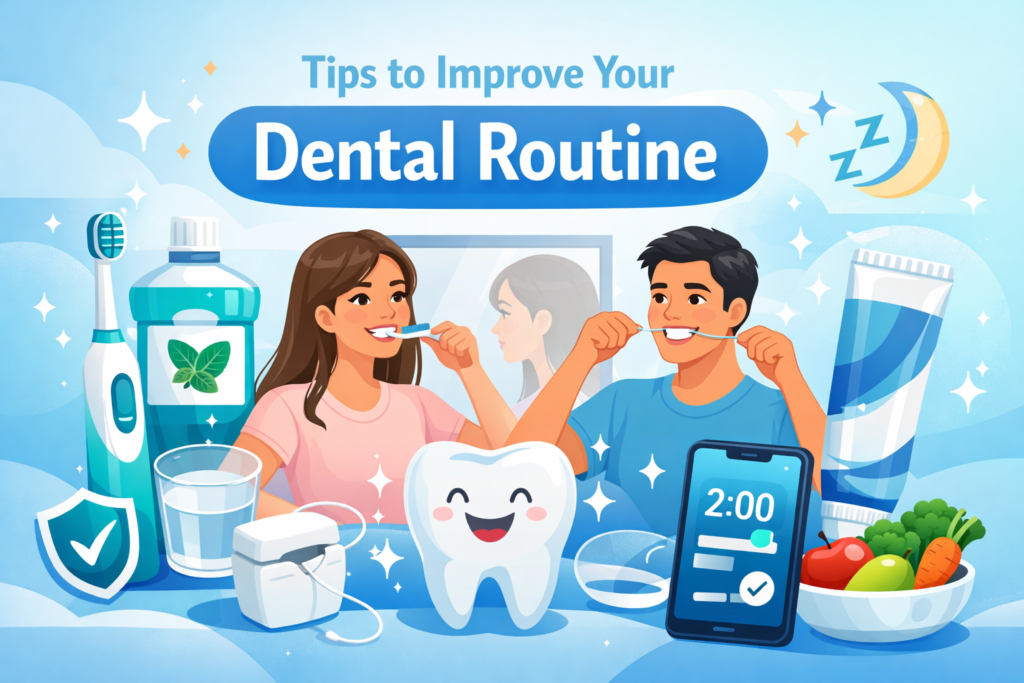
I didn’t always take my dental routine seriously. In fact, for a long time, brushing my teeth felt like one of those automatic things you do just to get it over with—like tying your shoes or checking your phone notifications. It wasn’t something I thought about deeply, and definitely not something I believed could shape my overall health or confidence. That mindset didn’t change overnight, but looking back now, I can see how small shifts made a big difference.
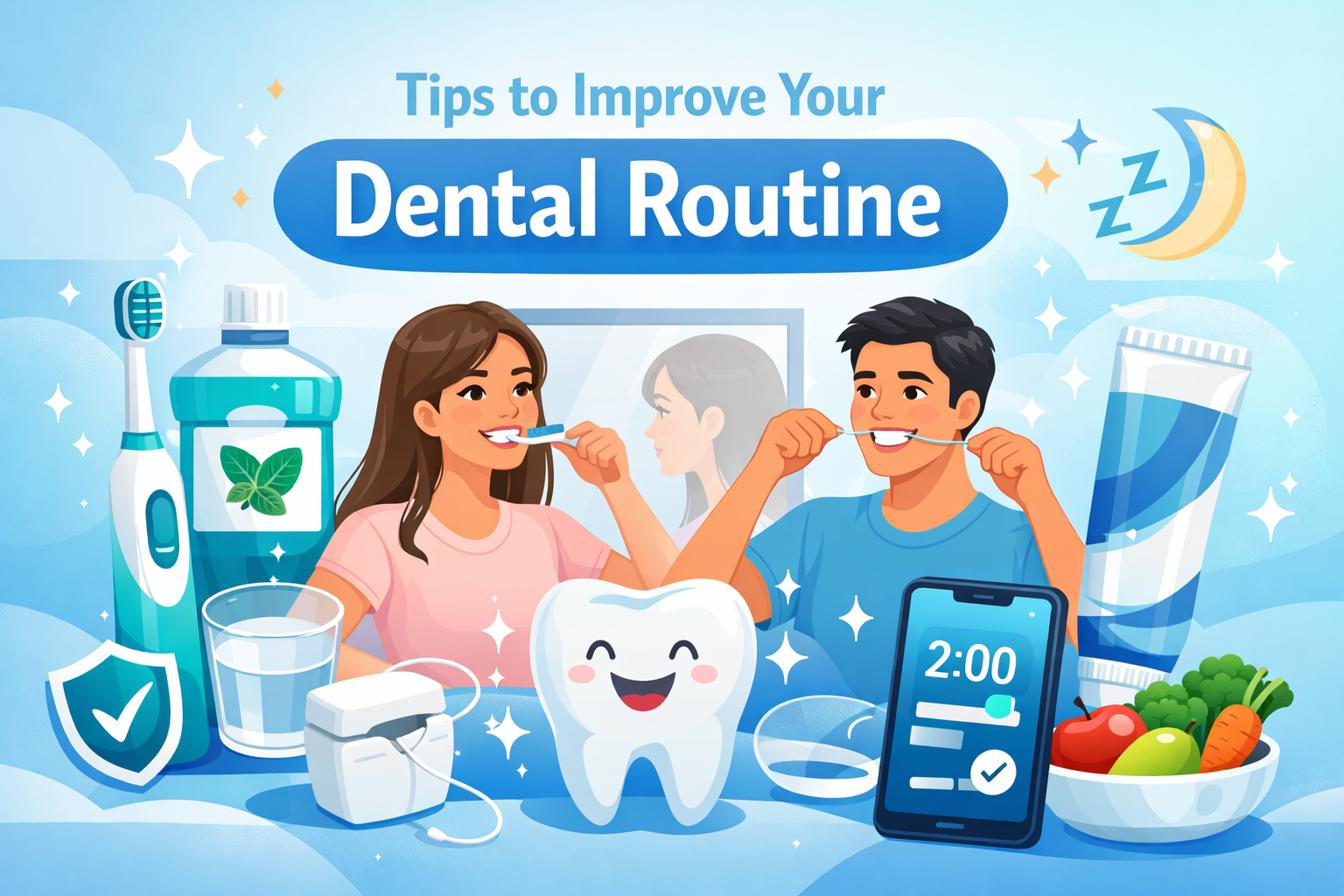
One of the first lessons I learned was that brushing isn’t just about doing it—it’s about how you do it. I used to rush through brushing in less than a minute, barely paying attention to technique. Then one day, after a routine dental check-up that didn’t go as smoothly as I’d hoped, my dentist explained something simple: brushing quickly is almost the same as not brushing at all. That stuck with me. From then on, I started timing myself, making sure I brushed for at least two minutes. It felt oddly long at first, but over time, it became second nature.
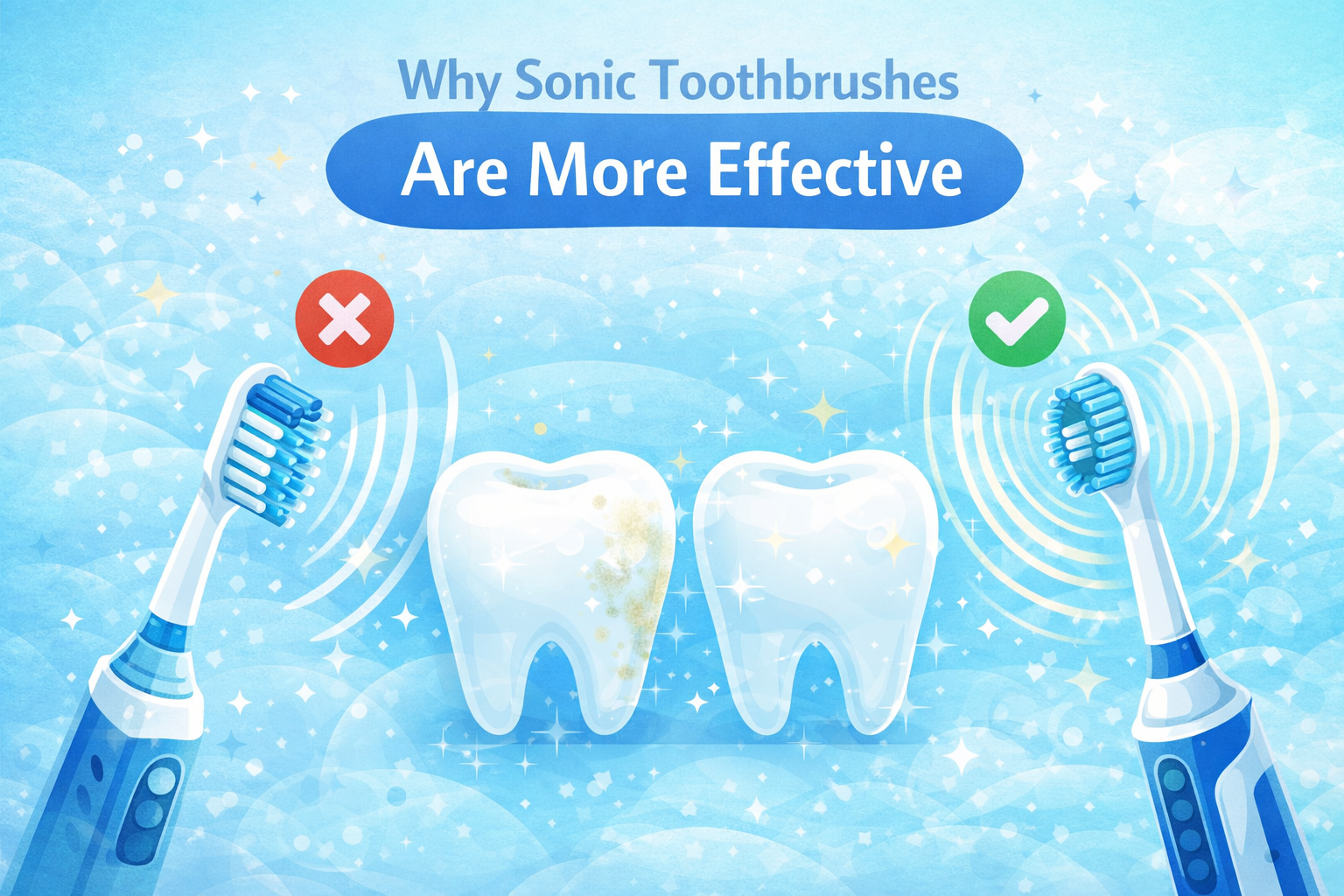
Another thing I underestimated was the toothbrush itself. I used whatever was available—sometimes an old one that had clearly seen better days. But switching to a soft-bristled toothbrush made a noticeable difference. It felt gentler on my gums, and I realized that brushing harder doesn’t mean cleaning better. In fact, it can do more harm than good. That was a small but important turning point: understanding that dental care isn’t about force, it’s about consistency and care.
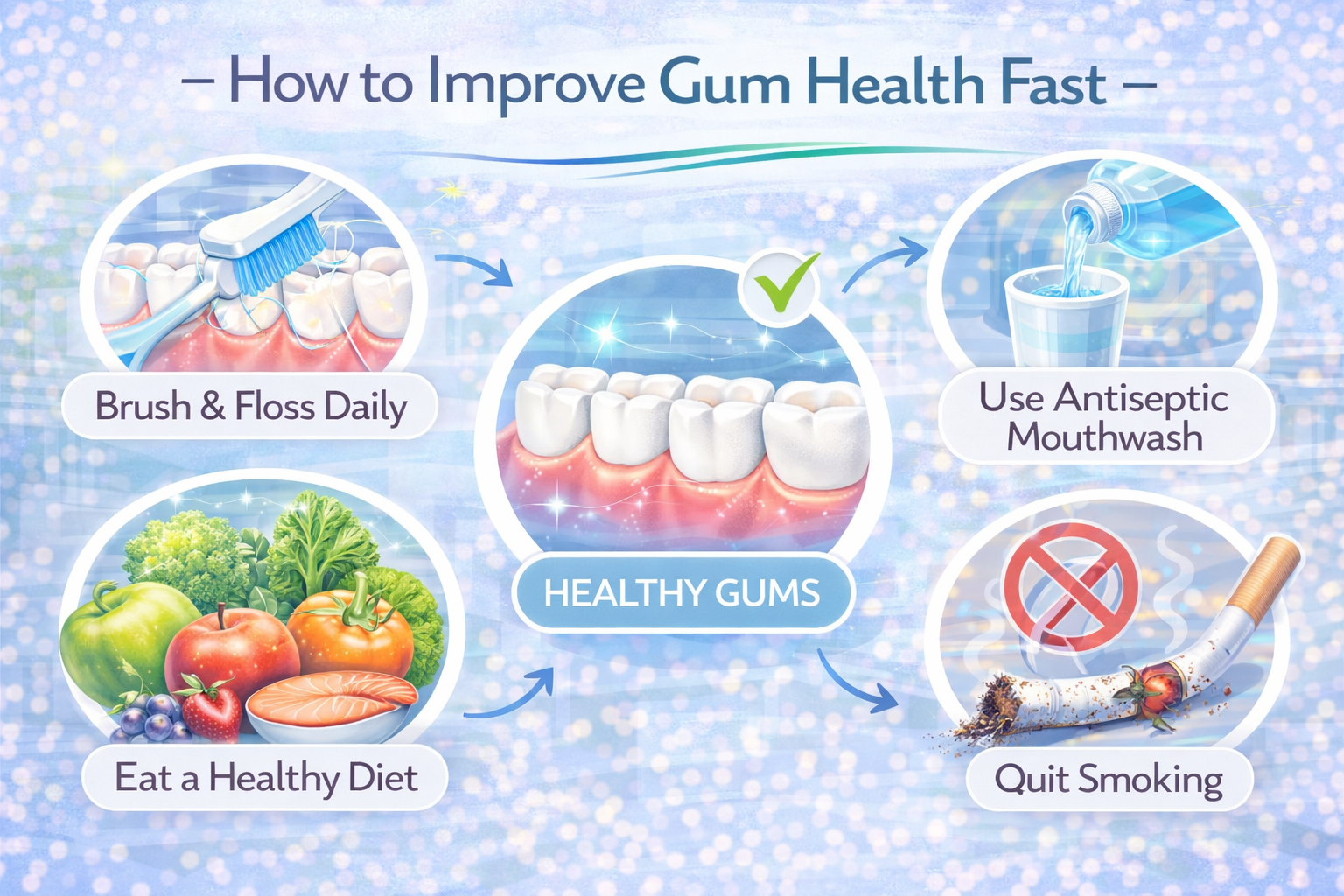
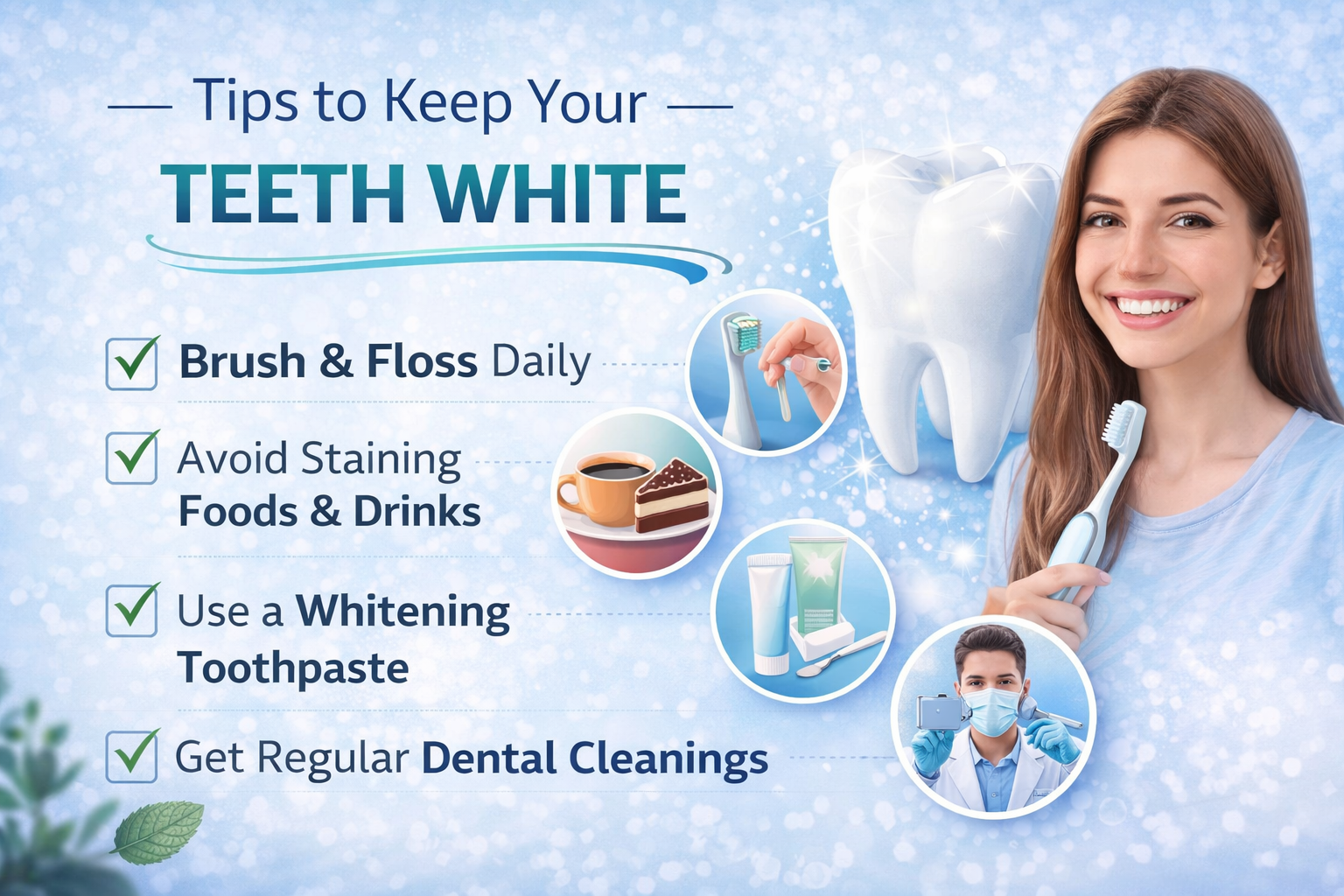
Flossing was a whole different story. For years, I ignored it completely. It always felt unnecessary, like an optional step designed to make routines more complicated. But the truth is, flossing reaches places your toothbrush simply can’t. I remember the first time I committed to flossing daily—it was awkward, a bit uncomfortable, and honestly, easy to forget. But after a week or two, it became easier, and I started noticing how much cleaner my teeth felt overall. It was like discovering a missing piece of the puzzle I didn’t know existed.
Then there’s mouthwash, which I used to think was just for fresh breath. While that’s certainly a benefit, I learned that the right mouthwash can also help reduce bacteria and strengthen teeth. I started using it as the final step in my routine, and it gave me a sense of completeness—like I had truly finished taking care of my mouth, not just rushed through it.
Diet played a bigger role than I expected, too. I used to snack frequently on sugary foods without thinking twice about it. Candy, soda, even seemingly harmless snacks—all of them contributed to problems I didn’t immediately notice. It wasn’t until I became more mindful of what I was eating that I realized how closely diet and dental health are connected. I didn’t cut out everything I enjoyed, but I became more balanced. Drinking more water, especially after meals, turned out to be a simple but powerful habit. It helps rinse away food particles and reduces the impact of acids on your teeth.
One habit that made a surprising difference was brushing at the right times. I used to brush immediately after eating, thinking it was the best way to keep my teeth clean. But I later learned that brushing right after consuming acidic foods can actually harm enamel. Waiting about 30 minutes gives your saliva time to neutralize acids. That small change in timing made my routine more effective without adding any extra effort.
I also began paying attention to my gums, not just my teeth. Healthy gums are just as important, but they’re easy to overlook. When I started brushing along the gumline more carefully and flossing regularly, I noticed less sensitivity and irritation. It made me realize that dental care is not just about having white teeth—it’s about maintaining the health of your entire mouth.
Regular dental visits were something I used to avoid. There was always an excuse—being too busy, feeling fine, or just not wanting to deal with it. But once I started going consistently, every six months or so, I saw how valuable those check-ups were. Dentists can catch issues early, before they become serious problems. It’s not just about fixing things—it’s about preventing them in the first place.
Over time, my perspective shifted. What used to feel like a chore became a form of self-care. There’s something satisfying about taking a few minutes each day to look after yourself in a simple, tangible way. It’s not about perfection—it’s about building habits that support your well-being in the long run.
If there’s one thing I’ve learned through all of this, it’s that improving your dental routine doesn’t require a complete overhaul. You don’t have to change everything overnight. Start small. Brush a little longer. Floss a few times a week, then build up to daily. Pay attention to how your mouth feels, and adjust your habits accordingly. These small steps add up over time.
And maybe most importantly, don’t wait for a problem to take action. It’s easy to ignore dental care when nothing hurts, but prevention is always easier—and less stressful—than treatment. Taking care of your teeth is an investment in your future self, one that pays off in ways you might not immediately see but will definitely appreciate later.
Looking back, I wish I had taken these things seriously sooner. But at the same time, I’m glad I eventually did. Because now, what once felt like a boring routine has become something meaningful—a daily reminder that even the smallest habits can have a lasting impact.