I didn’t always think much about my breath. Like most people, I assumed brushing twice a day was enough, and that any occasional bad breath was just part of life—something everyone dealt with and quietly ignored. It wasn’t until a close friend gently offered me a piece of gum mid-conversation (with a slightly too-forced smile) that I began to wonder if something more persistent was going on.
At first, I brushed it off—literally and figuratively. But over time, small signs began to add up. People would subtly turn their heads when I spoke. I found myself covering my mouth when laughing. Conversations started to feel more calculated, less natural. That’s when I realized bad breath wasn’t just a minor inconvenience—it was affecting my confidence, my interactions, and even how I saw myself.
So I decided to take it seriously. Not just quick fixes like mints or gum, but a long-term solution. What followed was a journey that taught me more than I expected—not just about oral hygiene, but about habits, health, and the quiet details that shape our daily lives.
Understanding the Root of the Problem
One of the biggest misconceptions I had was thinking bad breath (or halitosis) comes only from not brushing enough. In reality, it’s more complex than that.
Most bad breath originates in the mouth, but not necessarily on the teeth. The tongue, for example, is a major culprit. Its uneven surface can trap food particles and bacteria, which produce sulfur compounds—the real reason behind that unpleasant smell.
I learned that if you only brush your teeth but ignore your tongue, you’re leaving behind a major source of the problem.
There are also other factors: gum disease, dry mouth, certain foods, and even underlying health issues. Understanding this was the first turning point. Instead of masking the problem, I started focusing on eliminating it at the source.
Building a Consistent Oral Care Routine
I used to think I had a “routine,” but in reality, it was rushed and inconsistent. Sometimes I brushed for barely a minute. Flossing? Only when something got stuck.
That changed.
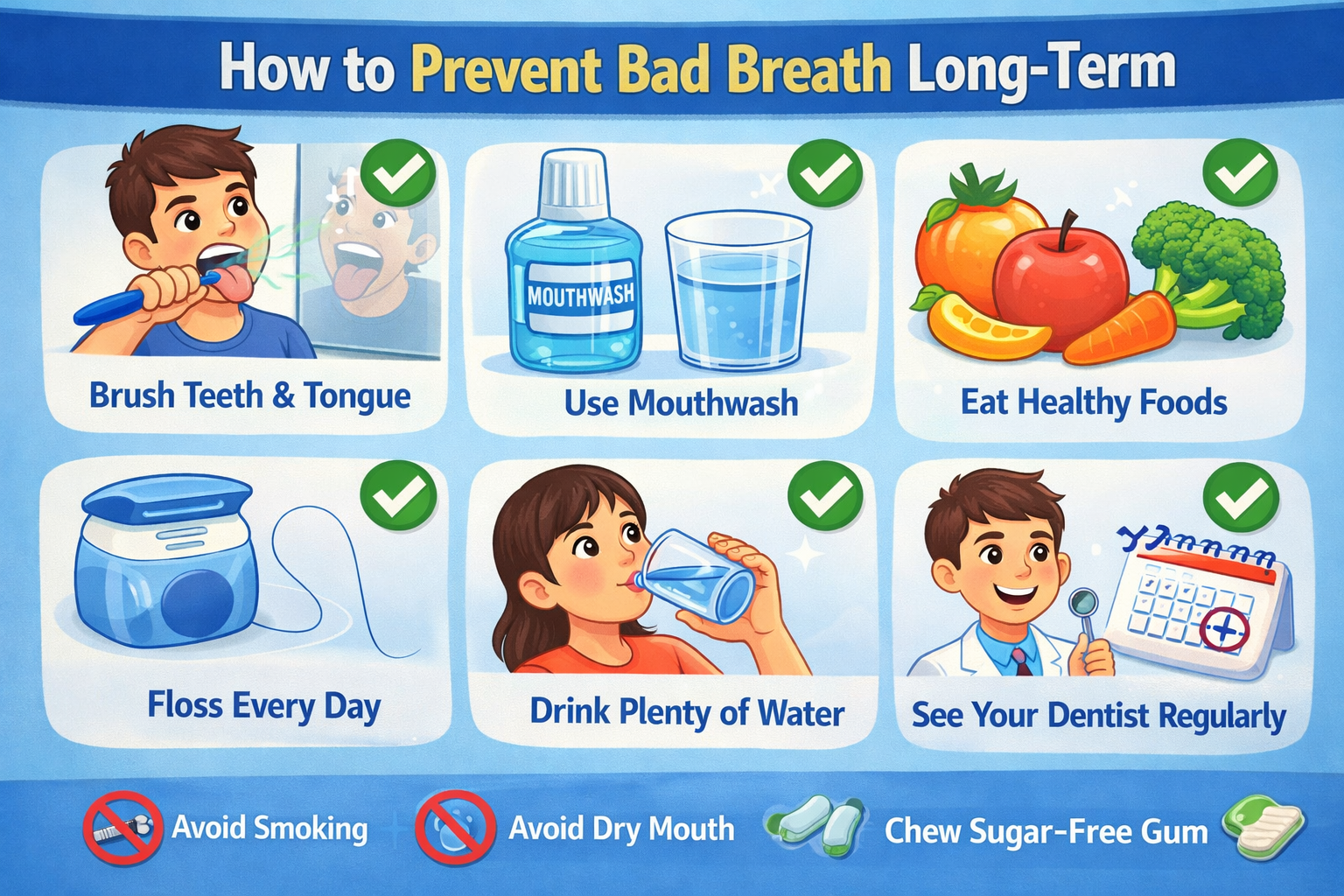
I committed to brushing at least twice a day for a full two minutes. Not just going through the motions, but actually paying attention—reaching every corner, especially near the gum line where bacteria love to hide.
Flossing became non-negotiable. At first, it felt tedious. But after a week or two, it became automatic. More importantly, I noticed a difference. My mouth felt cleaner in a way brushing alone never achieved.
Then came tongue cleaning—a step I had completely ignored before. The first time I used a tongue scraper, I was honestly surprised by how much residue it removed. It wasn’t the most pleasant experience at first, but it quickly became one of the most effective habits in my routine.
Hydration: The Overlooked Secret
If there’s one thing I underestimated the most, it’s how important water is.
Saliva plays a crucial role in keeping your mouth clean. It helps wash away food particles and neutralize bacteria. When your mouth is dry, bacteria multiply faster—and that leads to bad breath.
I realized that on days when I drank less water, my breath was noticeably worse, especially in the afternoon.
So I started carrying a water bottle everywhere. It sounds simple, but staying hydrated made a huge difference. It wasn’t an instant fix, but over time, it contributed to a more balanced and healthier oral environment.
Rethinking My Diet
Food plays a bigger role than we often admit.
Certain foods—like garlic and onions—are obvious triggers. But it’s not just about what you eat; it’s also about how often you eat and what kind of foods you rely on.
Sugary snacks and processed foods can feed bacteria in your mouth. On the other hand, crunchy fruits and vegetables like apples and carrots can actually help clean your teeth naturally and stimulate saliva production.
I didn’t eliminate everything I enjoyed. Instead, I became more mindful. I balanced my diet, reduced unnecessary snacking, and made sure to rinse my mouth or drink water after meals.
Over time, these small adjustments added up.
Regular Dental Visits (Even When Nothing Feels Wrong)
This was a big one for me.
I used to go to the dentist only when something hurt. But bad breath doesn’t always come with pain. Gum disease, for example, can develop quietly.
When I finally went for a proper check-up, the dentist pointed out areas I had been missing during brushing and early signs of gum inflammation. Nothing serious—but enough to explain part of the issue.
Professional cleanings also removed plaque and tartar buildup that no amount of brushing at home could fix.
From that point on, I treated dental visits as preventive care, not emergency repair.
Addressing Dry Mouth and Lifestyle Habits
I also had to take a closer look at my daily habits.
Late nights, too much caffeine, and not enough sleep were affecting more than just my energy levels. They contributed to dry mouth, which made bad breath worse.
I started making small changes—getting more consistent sleep, reducing excessive coffee intake, and being more aware of how my habits affected my body.
Even breathing through the mouth instead of the nose (something I didn’t realize I was doing) can dry out the mouth and contribute to odor. Becoming aware of these subtle patterns helped me make adjustments I never would have considered before.
The Psychological Side of Bad Breath
This part surprised me the most.
Bad breath isn’t just a physical issue—it can quietly affect your confidence. You start second-guessing yourself. You become more reserved. Conversations feel less spontaneous.
As I improved my oral health, I noticed something unexpected: my confidence returned. I spoke more freely. I laughed without hesitation. I stopped overthinking every interaction.
It wasn’t just about having fresh breath—it was about feeling comfortable being myself again.
What I Learned in the Long Run
Looking back, preventing bad breath long-term isn’t about one magical product or a quick fix. It’s about consistency, awareness, and small daily habits that work together over time.
Here’s what made the biggest difference for me:
- Taking oral hygiene seriously—not perfectly, but consistently
- Cleaning not just my teeth, but my entire mouth
- Staying hydrated throughout the day
- Being mindful of what I eat and how often
- Visiting the dentist regularly, even when nothing seems wrong
- Paying attention to lifestyle habits that affect overall health
None of these changes were extreme. But together, they created lasting results.
A Final Thought
If you’re dealing with bad breath, it’s easy to feel embarrassed or discouraged. I’ve been there. But the important thing to remember is that it’s usually manageable—and often reversible—with the right approach.
It doesn’t require perfection. Just awareness, patience, and a willingness to build better habits over time.
For me, it started with a slightly awkward moment and turned into a deeper understanding of my health. And in the end, it wasn’t just about fresh breath—it was about feeling more confident, more present, and more at ease in everyday life.
And honestly, that’s a change worth making.