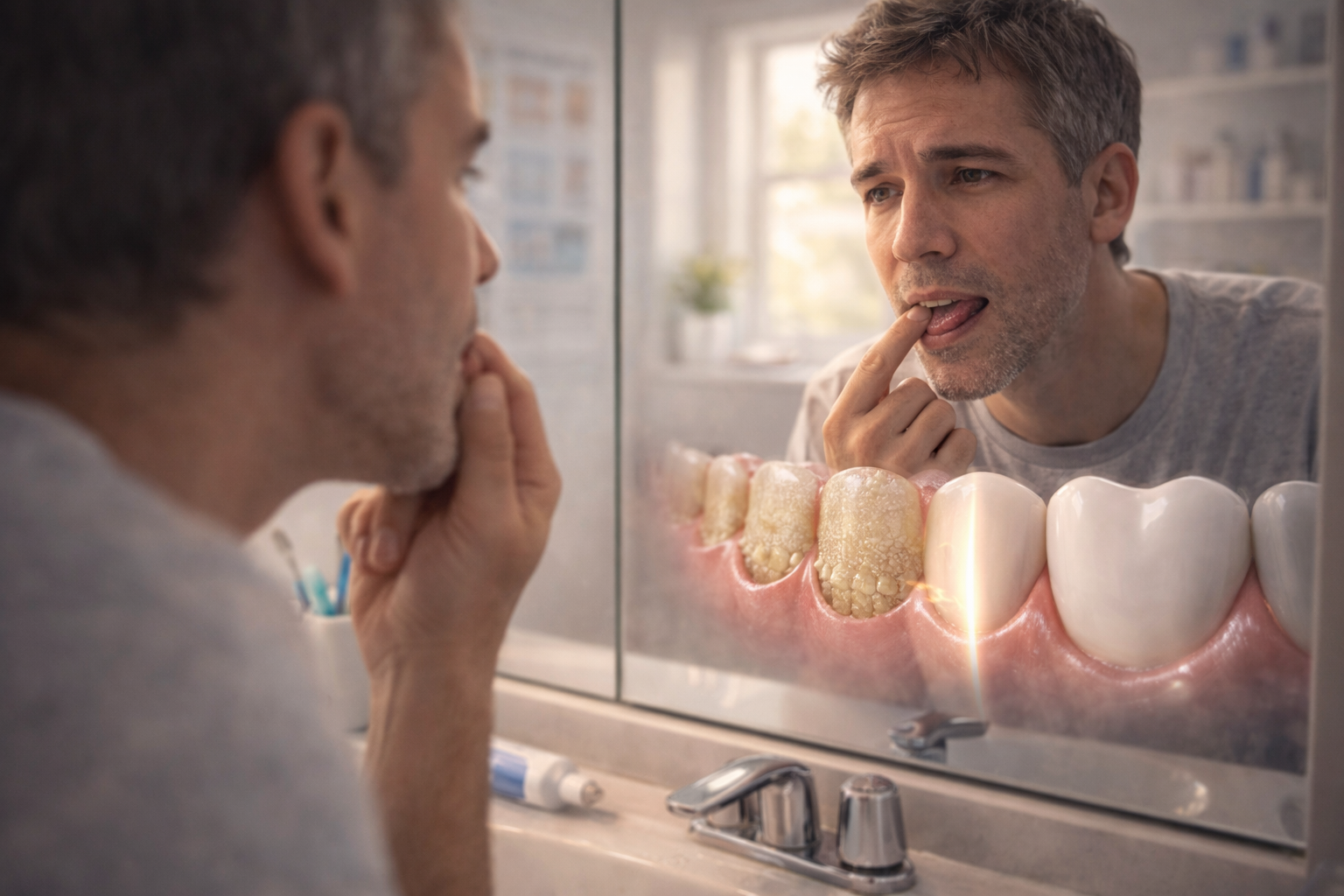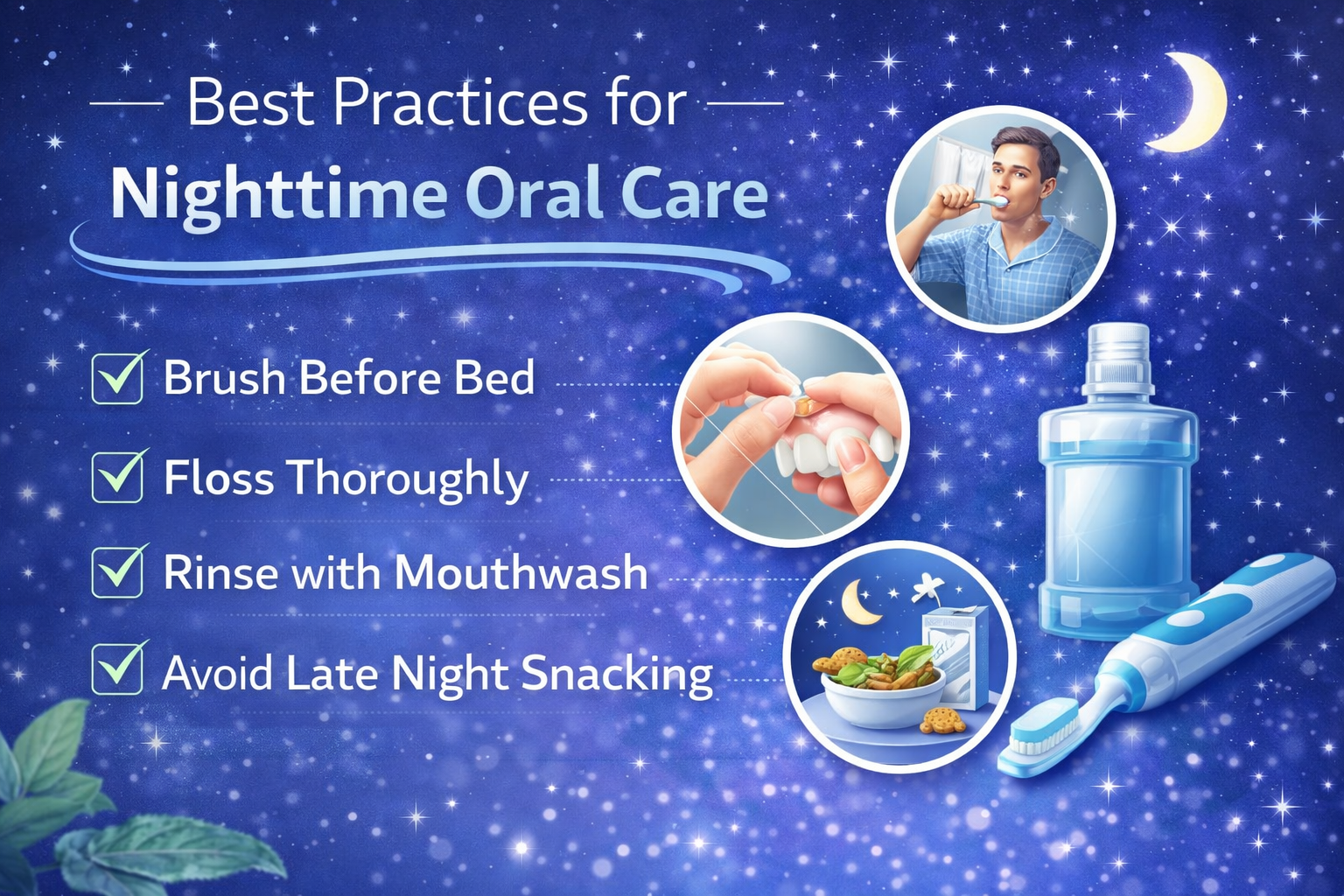
I used to think brushing my teeth at night was just a routine—something automatic, something I did half-asleep while scrolling on my phone or replaying the day in my head. It wasn’t something I paid much attention to. As long as I brushed for a minute or two, I assumed I was doing enough. But over time, I started to notice small things: occasional sensitivity, a bit of bleeding when I flossed (on the rare nights I actually flossed), and that not-so-fresh feeling in the morning that no amount of minty toothpaste seemed to fix.
That’s when I realized nighttime oral care isn’t just a habit—it’s a quiet investment in your future self.
Why Nighttime Care Matters More Than You Think
During the day, your mouth is constantly active. You’re eating, drinking, talking—your saliva is flowing and helping wash away food particles and bacteria. But at night, everything slows down. Saliva production drops, and your mouth becomes the perfect environment for bacteria to grow.
Think of it like this: if you leave your kitchen messy overnight, crumbs on the counter, dishes in the sink, it’s no surprise you’d wake up to ants or unpleasant smells. Your mouth works the same way. Skipping proper care before bed is like leaving the door wide open for bacteria to settle in.
That realization changed how I approached my nightly routine. It stopped being a chore and started feeling like a reset button.
The Art of Slowing Down
One of the first things I changed was the pace. Instead of rushing through brushing, I started treating it as a moment to slow down. Two full minutes doesn’t sound like much—until you actually focus on it.
I began paying attention to each section of my mouth: the back molars I used to ignore, the gum line where plaque likes to hide, even my tongue, which I had completely overlooked before. It felt almost meditative, like I was closing the day with intention rather than just checking off a task.
And honestly, that small shift made a bigger difference than I expected.
Flossing: The Habit Everyone Avoids
Let’s be real—flossing is the part most people skip. I used to tell myself I’d do it “tomorrow” or “when I had time,” which usually meant… never.
But the truth is, brushing alone only cleans about 60% of your tooth surfaces. The rest—the tight spaces between your teeth—are where food debris and plaque quietly build up. Ignoring those areas is like cleaning only half your room and pretending the other half doesn’t exist.
What helped me build the habit wasn’t discipline—it was convenience. I started keeping floss picks right next to my toothbrush. No extra steps, no excuses. Some nights, I still didn’t feel like doing it, but I reminded myself: it takes less than a minute.
And once it became part of the routine, it stopped feeling like an effort.
Mouthwash: Helpful, But Not a Shortcut
There was a time when I thought mouthwash could replace everything else. A quick swish, a burst of mint, and I was done. It felt efficient—but it wasn’t effective.
Mouthwash can be a great addition, especially if it contains fluoride or antibacterial ingredients. But it’s not a substitute for brushing and flossing. It’s more like the final touch, not the main event.
Now, I use it as a way to finish my routine. It leaves my mouth feeling clean, but more importantly, I know it’s supporting the work I’ve already done—not replacing it.
The Small Details That Add Up
Over time, I started noticing the little things that make a big difference:
- Replacing my toothbrush regularly: I used to keep the same one for far too long. Now, I switch it out every few months—or sooner if the bristles start to fray. A worn-out toothbrush doesn’t clean effectively, no matter how long you use it.
- Choosing the right toothpaste: Not all toothpastes are the same. Finding one with fluoride that suits your needs—whether it’s sensitivity, whitening, or gum care—can make a noticeable difference.
- Brushing gently: This was a big one. I used to think brushing harder meant cleaning better. In reality, it just irritated my gums. Gentle, consistent movements work much better—and they’re safer for your enamel.
- Cleaning your tongue: It’s easy to forget, but your tongue holds a lot of bacteria. A quick brush or a tongue scraper can help reduce bad breath and improve overall oral hygiene.
None of these changes felt dramatic on their own. But together, they transformed my routine.
Creating a Routine That Sticks
The hardest part of any habit isn’t knowing what to do—it’s actually doing it consistently.
For me, the key was linking oral care to something I already did every night. After washing my face, I’d go straight to brushing and flossing. No thinking, no debating. It became part of a sequence, like closing chapters in a book before going to sleep.
Some nights, I was tired. Some nights, I didn’t feel like it. But I reminded myself: this is for tomorrow morning. This is for future me, who will wake up feeling fresh instead of regretting skipped steps.
And that mindset made it easier to stay consistent.
The Unexpected Benefits
What surprised me most wasn’t just the physical improvement—it was the mental shift.
There’s something grounding about taking care of yourself in small, consistent ways. Nighttime oral care became a signal that the day was ending, that I was taking a moment to reset and prepare for rest.
It also built a sense of discipline—not the strict, exhausting kind, but the quiet kind. The kind that comes from keeping promises to yourself, even when no one else is watching.
Common Mistakes to Avoid
Looking back, there were a few mistakes I didn’t even realize I was making:
- Brushing right after eating: Especially after acidic foods, this can actually harm your enamel. Waiting about 30 minutes is a better approach.
- Skipping nighttime care altogether: If you only brush once a day, make it at night. That’s when it matters most.
- Using too much toothpaste: A pea-sized amount is enough. More doesn’t mean better cleaning.
- Rushing the process: Speed doesn’t equal effectiveness. Taking your time makes a real difference.
Recognizing these mistakes helped me refine my routine without overcomplicating it.
Making It Personal
At the end of the day, the “best” nighttime oral care routine is the one you can stick to. It doesn’t have to be perfect. It doesn’t have to look like anyone else’s.
Maybe you prefer an electric toothbrush. Maybe you like traditional floss over floss picks. Maybe you add mouthwash, or maybe you keep it simple. What matters is consistency.
For me, it became less about following rules and more about creating a ritual—something familiar, something steady, something that signaled the end of the day.
A Quiet Commitment
Now, when I stand in front of the mirror at night, toothbrush in hand, it feels different. It’s not just about clean teeth. It’s about taking a moment for myself, about closing the day with care instead of rushing through it.
It’s a small act, almost invisible in the grand scheme of things. But over time, those small acts add up. They shape your habits, your health, and even how you see yourself.
So if you’re thinking about improving your nighttime oral care, don’t overthink it. Start simple. Be consistent. Pay attention.
Because sometimes, the smallest routines are the ones that make the biggest difference—quietly, steadily, night after night.
Những thói quen chăm sóc răng miệng buổi tối
Image created