When I first started using Invisalign aligners, I remember feeling both excited and a little nervous. The idea of straightening my teeth without traditional braces felt almost too good to be true. No metal brackets, no wires, and no obvious signs that I was going through orthodontic treatment.
But after the first few days of wearing them, I quickly realized something important: clear aligners require careful cleaning.
Every morning when I removed my aligners, I noticed a thin layer of saliva on them. Sometimes they even looked slightly cloudy. At first, I thought a quick rinse under the faucet would be enough. But after talking with my dentist and doing some research, I discovered that Invisalign aligners need a proper cleaning routine.
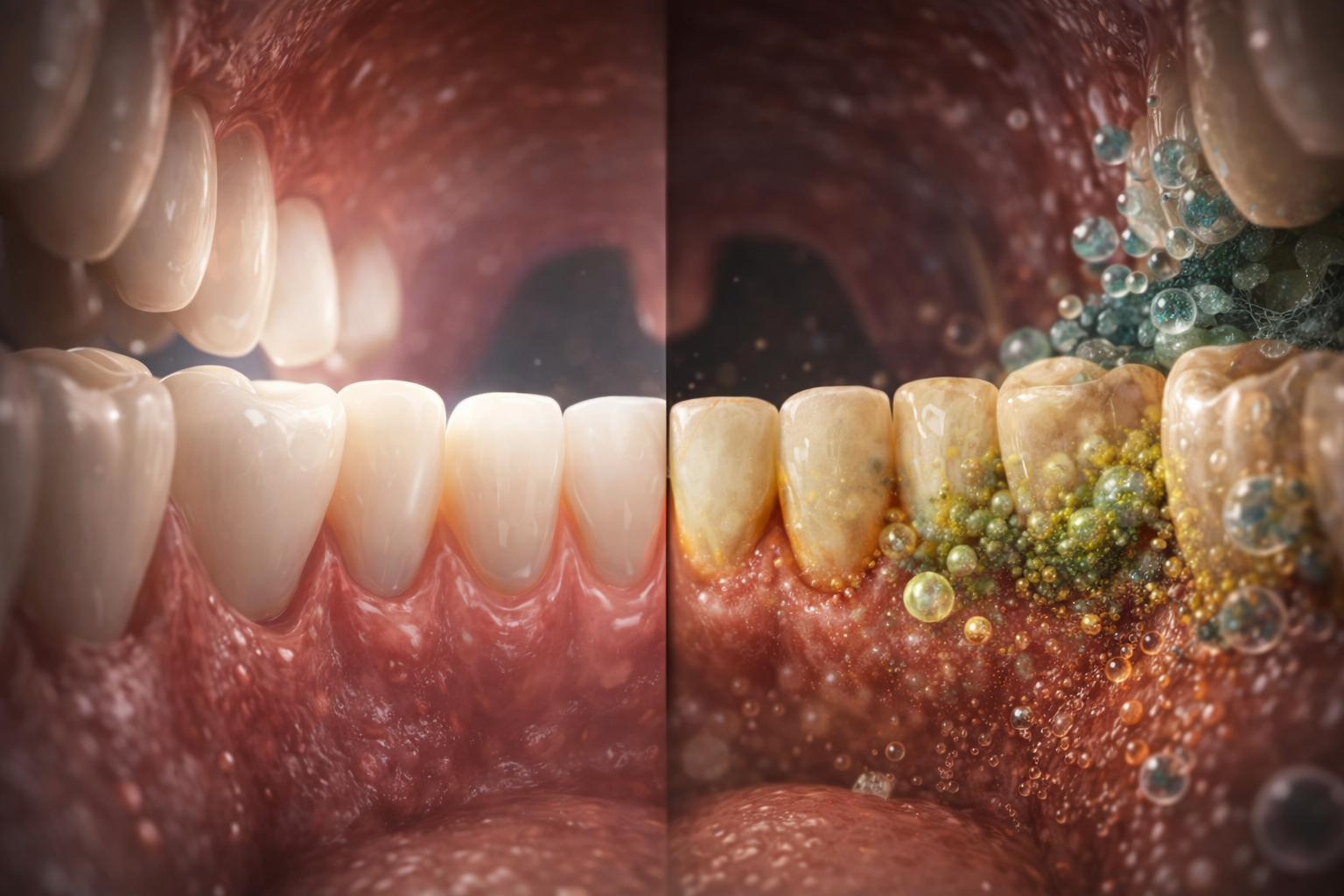
Because they sit in your mouth for 20 to 22 hours a day, aligners are constantly exposed to saliva, bacteria, and tiny food particles. Without regular cleaning, they can develop unpleasant odors, stains, and bacterial buildup.
Over time, I learned several simple ways to keep my aligners clean at home. None of them require expensive tools or complicated steps. Just a few minutes of daily care can keep your aligners clear, fresh, and comfortable to wear.
Here are five effective ways to clean Invisalign aligners at home, along with a few lessons I learned along the way.
1. Gently Brush Your Aligners with a Soft Toothbrush
One of the first habits I developed was brushing my aligners every morning.
At first, this felt a little strange. We’re used to brushing our teeth, not our orthodontic appliances. But brushing aligners helps remove the layer of bacteria and plaque that can build up overnight.
Each morning after taking out my aligners, I would rinse them with lukewarm water and gently brush them with a soft toothbrush.
The key word here is gentle.
Aligners are made from clear plastic, and aggressive scrubbing can create tiny scratches on the surface. Those scratches can trap bacteria and make the aligners appear cloudy over time.
Using a soft brush and light pressure helps remove buildup without damaging the material.
This simple habit only takes about a minute, but it can make a big difference in keeping aligners clear.
2. Soak Them in a Cleaning Solution
While brushing works well for daily cleaning, sometimes aligners benefit from a deeper clean.
I discovered this after noticing that my aligners occasionally developed a faint odor, even though I brushed them regularly. My dentist suggested soaking them in a cleaning solution once in a while.
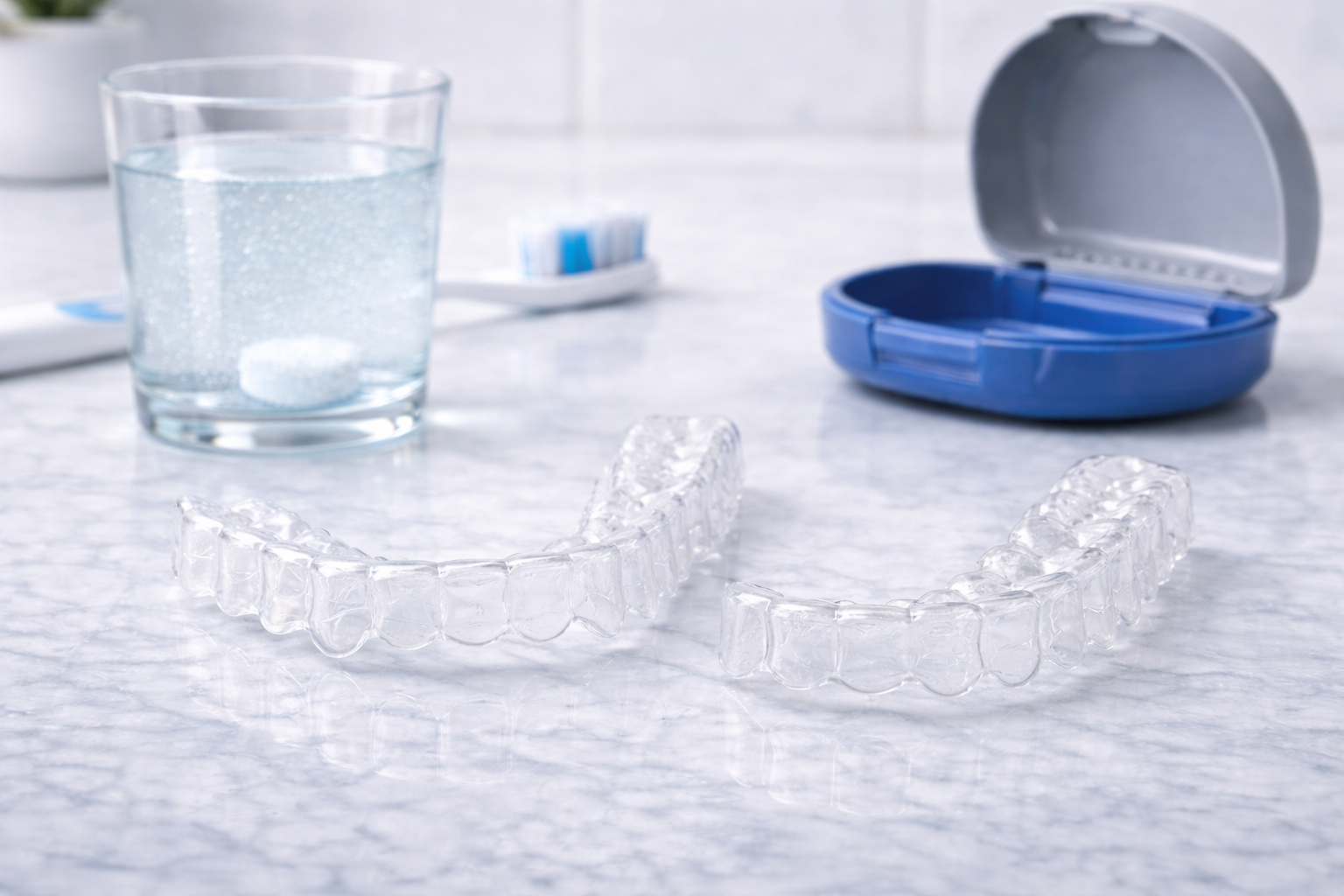
There are special aligner cleaning crystals and tablets designed for this purpose.
These products dissolve in water and create a gentle cleaning solution that helps break down plaque and bacteria.
The process is simple:
- Fill a small glass with lukewarm water.
- Add the cleaning tablet or crystals.
- Place the aligners in the solution.
- Let them soak for the recommended time.
After soaking, the aligners should be rinsed thoroughly before wearing them again.
The first time I tried this, I was surprised by how much clearer my aligners looked afterward.
3. Use Mild Soap and Water
Another easy method I learned was cleaning aligners with mild soap and water.
It might sound unusual, but gentle liquid soap can help remove oils and bacteria that accumulate on the aligners throughout the day.
The key is choosing a mild, fragrance-free soap.
Strong soaps or heavily scented products can leave a lingering taste on the aligners, which isn’t very pleasant when you put them back in your mouth.
To use this method, simply apply a small drop of soap to a soft toothbrush and gently clean the aligners. Then rinse them thoroughly with lukewarm water.
This method works particularly well if the aligners start to feel slightly sticky or cloudy.
4. Rinse Aligners Every Time You Remove Them
One of the simplest habits I learned was also one of the most helpful: rinse your aligners whenever you take them out.
When aligners sit outside the mouth, saliva on their surface can dry quickly. Once that happens, bacteria and residue can stick to the plastic and become harder to remove.
A quick rinse with lukewarm water prevents this buildup.
For example, whenever I removed my aligners before meals, I made a habit of giving them a quick rinse before placing them in their case.
This small step helps wash away saliva and bacteria before they have time to dry on the surface.
It’s a simple habit, but it keeps aligners looking clearer throughout the day.
5. Clean Your Aligner Case Regularly
At one point during my Invisalign treatment, I noticed something odd.
Even after cleaning my aligners carefully, they sometimes developed a strange smell again within a day.
Eventually, I realized the problem wasn’t the aligners themselves—it was the aligner case.
Just like the aligners, the case can collect bacteria, moisture, and dust. If the case isn’t cleaned regularly, it can transfer bacteria back onto the aligners.
Once I started washing the case daily with soap and water, the problem disappeared.
Allowing the case to dry completely before placing the aligners inside also helps prevent moisture buildup.
Common Cleaning Mistakes to Avoid
As I continued using Invisalign, I also learned about a few cleaning mistakes that many people make.
Avoiding these mistakes can help protect your aligners and keep them clear.
Using Hot Water
Hot water can warp the plastic material of the aligners, which may affect how they fit.
Always use lukewarm or cool water.
Using Toothpaste
Many toothpastes contain abrasive ingredients that can scratch the aligner surface.
Those scratches can make aligners appear cloudy and allow bacteria to accumulate.
Eating with Aligners On
Food particles can become trapped between the aligners and teeth, leading to stains and bacteria buildup.
Most dentists recommend removing aligners before eating.
Why Clean Aligners Matter
At first, cleaning aligners might seem like a small detail in the overall orthodontic process. But over time, I realized it plays an important role in both comfort and oral health.
Clean aligners help prevent:
- Bad breath
- Bacterial buildup
- Plaque accumulation
- Cloudy or stained aligners
Because aligners sit so close to the teeth, keeping them clean also helps maintain good oral hygiene during treatment.
A Simple Daily Routine
Eventually, I developed a routine that made aligner cleaning quick and easy.
Each morning:
- Remove aligners
- Rinse them with lukewarm water
- Gently brush them with a soft toothbrush
During the day:
- Rinse aligners whenever removing them
Once or twice a week:
- Soak them in a cleaning solution
This routine takes only a few minutes but helps keep aligners fresh and clear.
Final Thoughts
Invisalign aligners are designed to be discreet, comfortable, and effective. But because they are worn for most of the day, they require consistent cleaning.
The good news is that maintaining clean aligners doesn’t require complicated tools or expensive equipment.
Simple habits—like brushing them gently, rinsing them regularly, soaking them occasionally, and keeping the case clean—can go a long way in maintaining their clarity and freshness.
Looking back, taking care of my aligners became just another small part of my daily routine. And knowing they were clean made wearing them much more comfortable.
After all, when you’re investing time and effort into improving your smile, it makes sense to keep the tools helping you along the way as clean as possible. 😁