The first time someone told me that plaque could harden into something almost rock-like on your teeth, I didn’t quite believe it.
I mean, plaque sounds soft, right? It’s usually described as this invisible, sticky film—something you can brush away without much thought. Nothing about that description prepares you for the idea that, if ignored, it can turn into something stubborn, something that doesn’t just rinse off or disappear with a quick brush before bed.
I only really understood it during a routine dental visit—one of those appointments you almost cancel but somehow don’t.
I was lying back in the chair, staring at the ceiling light, when the dentist paused for a moment longer than usual.
“Have you noticed any rough spots on your teeth?” she asked.
I hadn’t. Or maybe I had, but I never paid attention.
That’s when she introduced me to something I’d heard of before but never really understood: tartar.
The Quiet Transformation You Don’t Feel
Plaque doesn’t start as anything dramatic. It forms constantly, quietly, throughout the day. Every time you eat, especially foods with sugars or starches, bacteria in your mouth feed on those particles and create acids. Along the way, they form plaque—a sticky layer that clings to your teeth and gumline.
At this stage, plaque is manageable. It’s soft. It’s removable.
But here’s the part most people don’t realize: plaque doesn’t stay in that state for long.
If it isn’t removed properly—and regularly—it begins to absorb minerals from your saliva. Calcium and phosphate, naturally present in your mouth, start binding to that soft film.
And slowly, almost invisibly, plaque begins to harden.
This process can start in as little as 24 to 72 hours.
That means missing a few thorough brushing sessions isn’t just a small slip—it’s the beginning of a transformation.
When Plaque Becomes Tartar
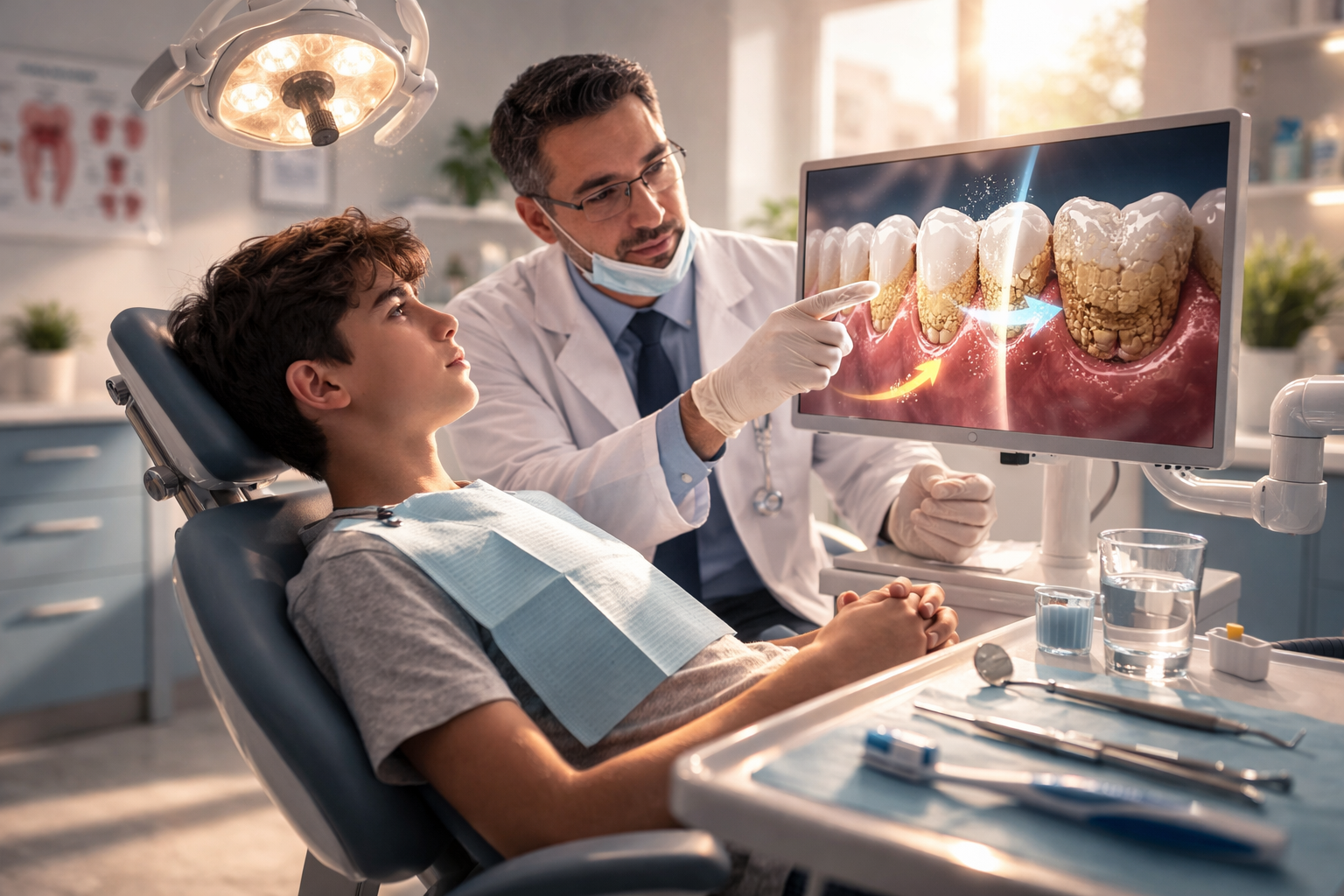
Once plaque hardens, it becomes tartar (also called calculus). And unlike plaque, tartar doesn’t respond to your toothbrush.
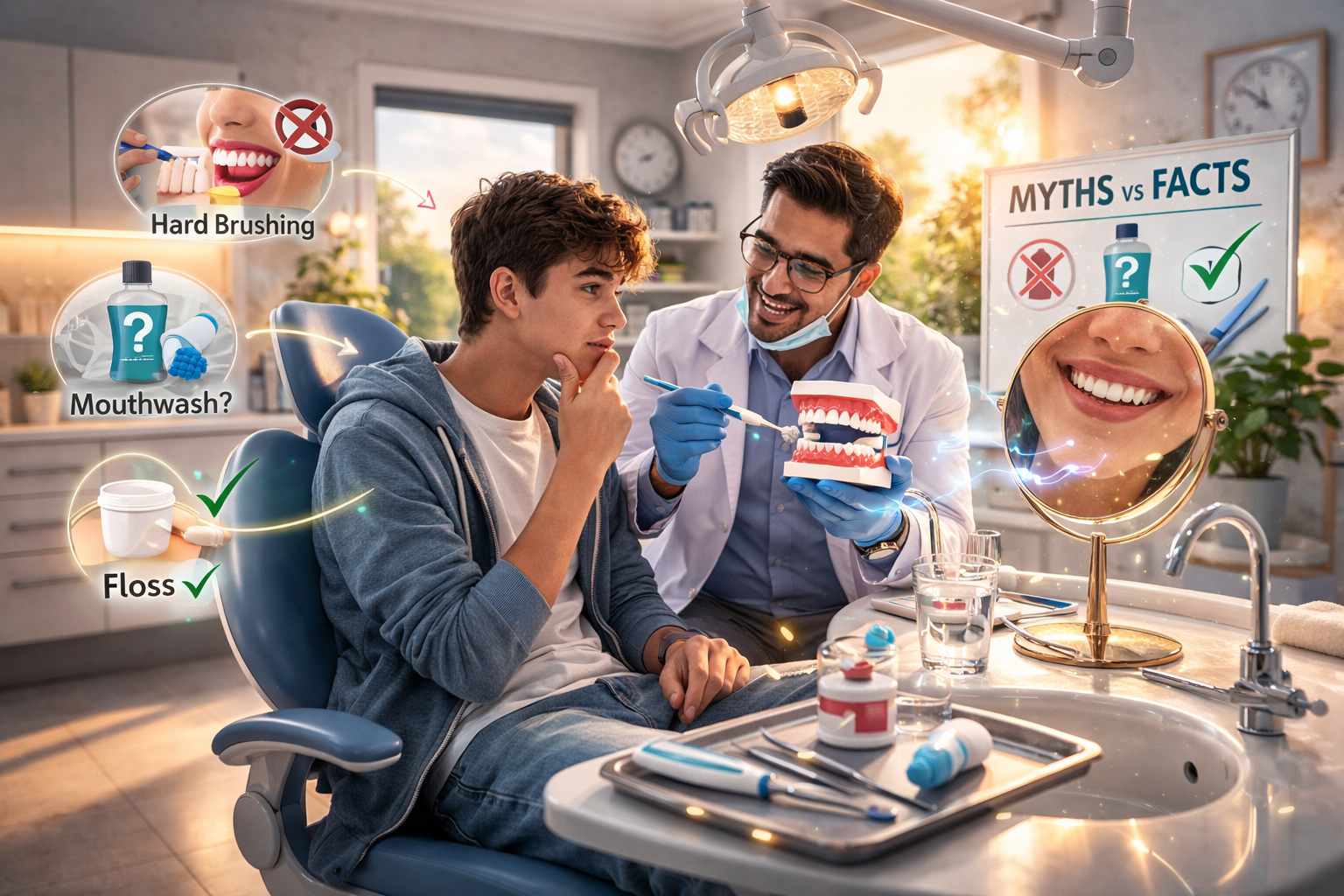
You can brush harder. You can brush longer. You can switch toothpaste.
It won’t matter.
Tartar bonds tightly to the surface of your teeth, especially around the gumline and in areas that are harder to reach—like behind your lower front teeth or along the back molars.
That’s why, during cleanings, dentists use special tools to remove it. It’s not something you can safely or effectively do at home.
When my dentist showed me a small mirror and pointed to a faint yellowish buildup near my gums, I was surprised. It didn’t look dramatic. It didn’t hurt.
But it had been there, slowly forming, without me noticing.
Why Some People Get It Faster Than Others
One thing I asked—half curious, half defensive—was this:
“If everyone gets plaque, why does it seem like some people have more problems with tartar than others?”
The answer isn’t as simple as “they don’t brush enough.”
Several factors influence how quickly plaque hardens:
Saliva composition plays a big role. Some people naturally have higher mineral content in their saliva, which can speed up the hardening process.
Oral hygiene habits matter, of course—but it’s not just about brushing twice a day. It’s about how thoroughly you brush, whether you floss, and whether you’re consistently cleaning those easy-to-miss areas.
Diet also has an impact. Frequent snacking, especially on sugary or starchy foods, feeds the bacteria that produce plaque. Even sipping sugary drinks over time can keep that process going continuously.
Crowded or uneven teeth can create more hiding spots for plaque, making it harder to remove before it hardens.
So it’s not always obvious. Someone can appear to take care of their teeth but still struggle with tartar buildup because of factors they don’t fully see.
The Places You Miss Matter Most
After that visit, I started paying more attention to where I brushed—not just how long.
And I noticed something interesting: the spots where tartar tends to form are often the spots we ignore.
Behind the lower front teeth. Along the gumline. The very back of the mouth where your toothbrush barely reaches unless you make an effort.
These areas are like quiet corners. Plaque settles there, undisturbed, given time to harden.
My dentist explained that even a slight change in technique—like angling the brush toward the gums or slowing down around those areas—can make a big difference.
It’s not about brushing more aggressively. It’s about brushing more intentionally.
Flossing: The Step That Breaks the Cycle
I used to think flossing was optional. Something you did when you felt guilty, or right before a dental appointment.
But when it comes to preventing plaque from hardening, flossing plays a much bigger role than I realized.
Your toothbrush can’t reach between your teeth effectively. And those tight spaces are perfect environments for plaque to stay undisturbed.
If plaque remains there, it can harden into tartar in places you can’t even see.
Flossing disrupts that process early. It removes plaque before it has the chance to mineralize.
It’s less about perfection and more about consistency. Even once a day can significantly reduce the buildup.
The Subtle Signs You Might Miss
What makes plaque hardening tricky is that it doesn’t announce itself loudly.
There’s no immediate pain. No obvious warning.
But there are small signs, if you know where to look:
- A rough or slightly gritty feeling on your teeth
- Yellow or brownish buildup near the gumline
- Gums that bleed easily when brushing or flossing
- Persistent bad breath, even after brushing
These signs don’t always feel urgent, which is why they’re easy to ignore.
I ignored them too—until someone pointed them out.
Why It Matters More Than You Think
At first, tartar might seem like a minor issue. Just a bit of buildup, something cosmetic.
But it creates a rough surface that makes it easier for more plaque to stick. And that leads to a cycle.
More plaque → more tartar → more bacteria → more irritation.
Over time, this can affect your gums, leading to inflammation and more serious dental issues if left unchecked.
What surprised me most was how something so small—something invisible at first—could gradually lead to bigger problems.
Breaking the Cycle Before It Starts
The good news is that the process is preventable.
Plaque only hardens if it’s left undisturbed.
That means every time you brush thoroughly, every time you floss, you’re interrupting that process. You’re stopping plaque before it becomes something harder to remove.
After that appointment, I didn’t suddenly become perfect with my routine. But I became more aware.
I spent a little more time on the areas I used to rush through. I flossed more consistently. I paid attention to how my teeth felt, not just how they looked.
And over time, those small changes started to feel natural.
Walking Away With a Different Understanding
When I think back to that moment in the dental chair, what stands out isn’t the tools or the cleaning itself.
It’s the realization that plaque isn’t just something you deal with occasionally—it’s something that’s constantly forming, constantly changing.
And the difference between soft plaque and hardened tartar isn’t dramatic. It’s subtle. Gradual. Easy to miss.
But once you understand that process, brushing your teeth feels different.
It’s no longer just about keeping your smile clean. It’s about staying one step ahead of something that’s always trying to settle in.
What Dentists Really Wish You Knew About Plaque
If I had to sum it up, I think this is what dentists wish more people understood:
Plaque is normal. Everyone gets it.
But giving it time to harden—that’s what turns a simple routine into a bigger problem.
And the solution isn’t complicated. It doesn’t require expensive tools or perfect habits.
It just requires consistency. Awareness. And a little more attention to the details we usually overlook.
Now, every time I run my tongue across my teeth and feel that smooth, clean surface, I know it’s not just about that moment.
It’s about everything that didn’t get the chance to harden.