I used to think tooth decay was something obvious—something dramatic.
In my mind, it meant sharp, unbearable pain, sleepless nights, and emergency trips to the dentist. It was the kind of problem you couldn’t ignore even if you tried. So as long as I wasn’t in pain, I assumed everything was fine.
That assumption turned out to be completely wrong.
Because the truth about tooth decay is this: it doesn’t announce itself. It doesn’t arrive with warning bells or sudden chaos. It begins quietly, almost politely, as if asking for permission to stay.
And if you’re not paying attention, you end up giving it exactly that.
The First Signs I Missed
Looking back, the signs were there.
A slight sensitivity when I drank something cold. A faint discomfort when I bit into something sweet. Nothing intense—just enough to notice, but easy enough to dismiss.
“It’s probably nothing,” I told myself.
That became my favorite phrase.
The problem with tooth decay is that it thrives in that space of denial. It grows in the gaps between “it’s fine” and “I’ll deal with it later.”
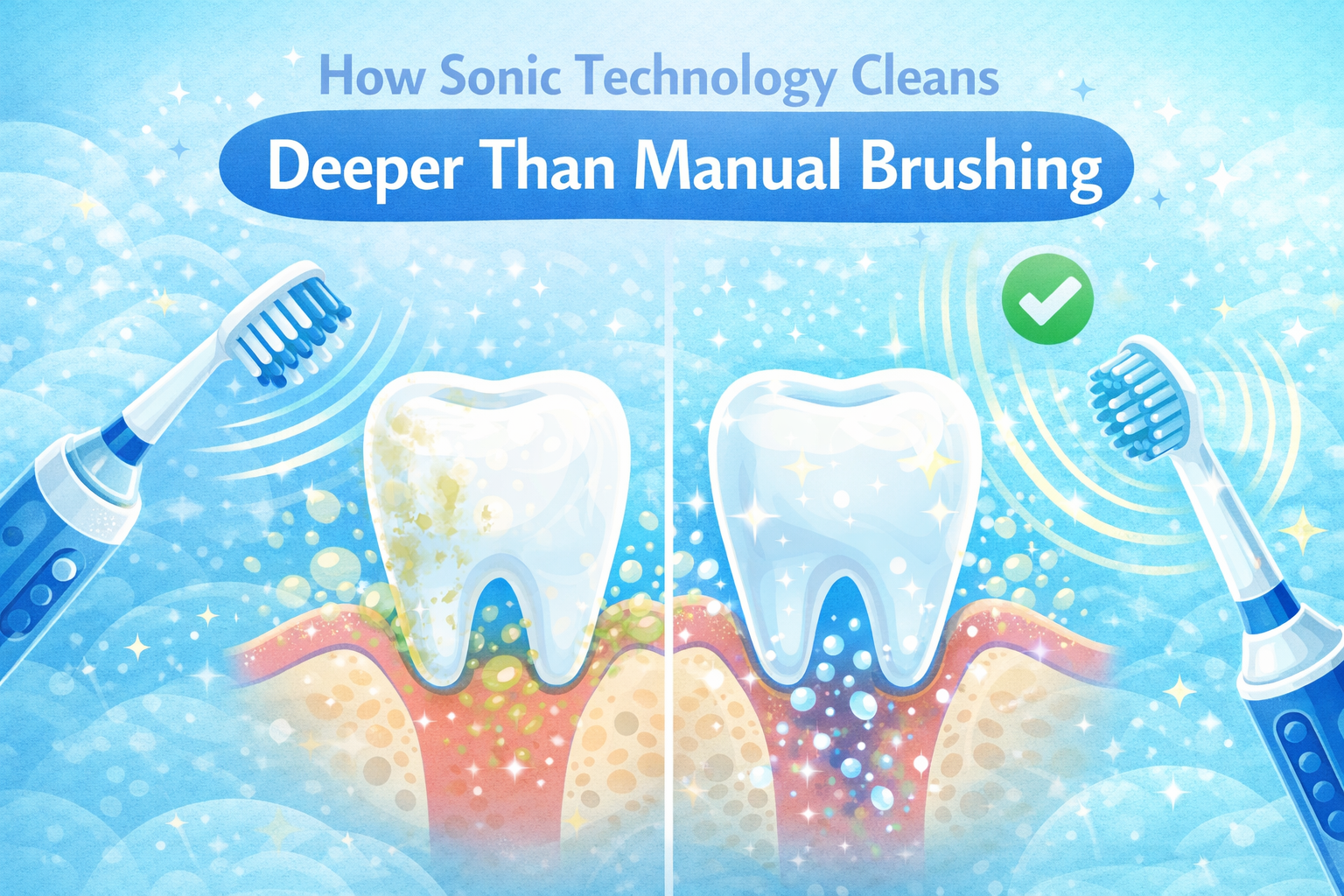
Inside the tooth, something very real was happening. Bacteria were feeding on sugars from the food I ate, producing acids that slowly wore down the enamel—the hard, protective outer layer of the tooth.
Enamel doesn’t regenerate. Once it’s gone, it’s gone.
But I didn’t think about that. I just kept going, brushing quickly, skipping floss, and promising myself I’d do better tomorrow.
A Slow, Silent Process
Tooth decay is less like a sudden attack and more like erosion.
At first, the damage is microscopic. You can’t see it, and you can’t feel it. The enamel begins to weaken, losing minerals in a process called demineralization.
At this stage, the tooth might still be saved—sometimes even reversed with proper care.
But that window doesn’t stay open forever.
As the enamel continues to break down, small holes—cavities—begin to form. That’s when things become more permanent. The decay moves deeper, into the dentin, a softer layer beneath the enamel.
This is when sensitivity becomes more noticeable.
And still, it’s easy to ignore.
Because life doesn’t stop for a cavity. You can still eat, still talk, still go about your day. The discomfort comes and goes, never quite urgent enough to force action.
The Moment It Becomes Real
For me, reality hit in the middle of an ordinary afternoon.
I was eating something I’d eaten a hundred times before—nothing hard, nothing extreme. And then, suddenly, there it was: a sharp, focused pain that didn’t fade away.
It lingered.
It wasn’t just sensitivity anymore. It was deeper, more insistent. It felt like something inside the tooth was reacting, almost protesting.
That’s when I knew I couldn’t ignore it anymore.
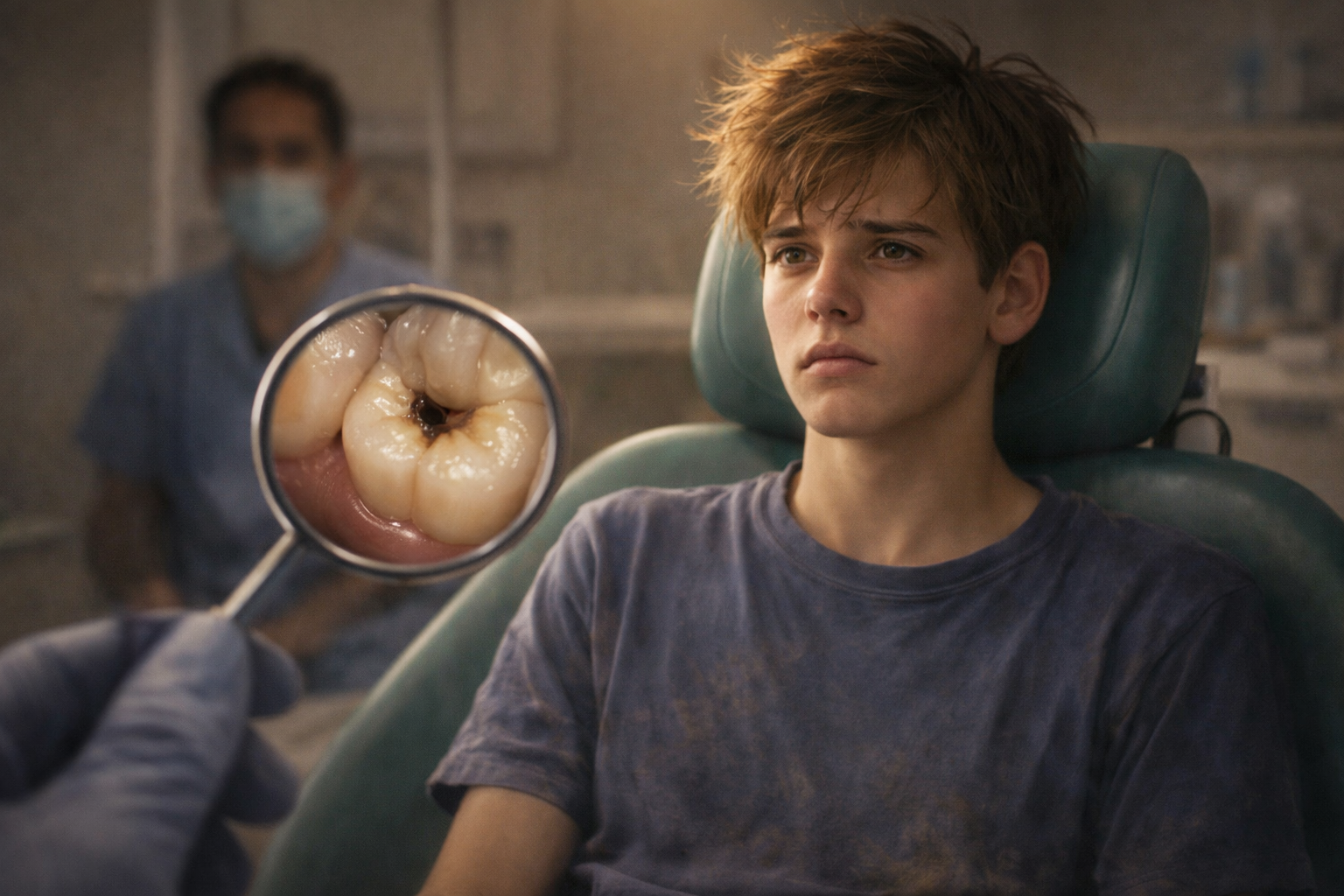
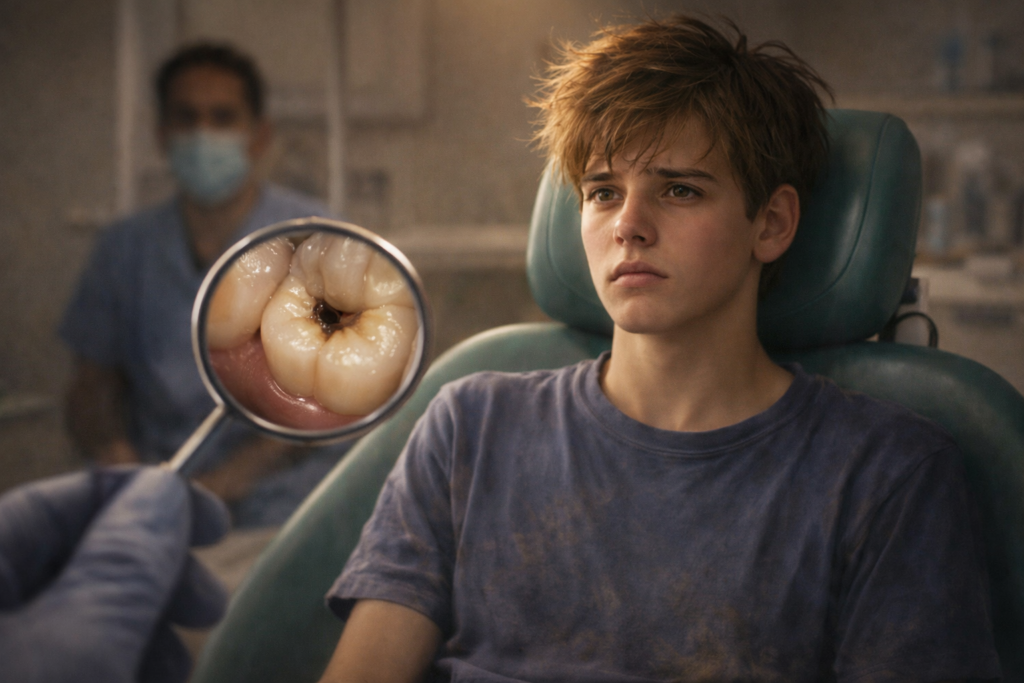
At the dentist’s office, the diagnosis was simple: a cavity that had progressed further than it should have.
What could have been a minor issue had turned into something more complicated—not catastrophic, but enough to require treatment I could have avoided.
What Tooth Decay Really Does
We often reduce tooth decay to “just a cavity,” but that doesn’t capture the full picture.
Tooth decay is a process of destruction. It starts on the surface, but it doesn’t stay there. If untreated, it continues inward, reaching the pulp—the innermost part of the tooth that contains nerves and blood vessels.
Once decay reaches that level, the situation becomes far more serious.
Pain becomes persistent. Infections can develop. And treatment options become more invasive—procedures like root canals or even tooth removal.
It’s not just about fixing a tooth anymore. It’s about managing damage.
And all of it started with something that felt small.
The Role of Everyday Choices
One of the hardest truths to accept is how much of tooth decay is shaped by daily habits.
It’s not just about brushing—it’s about how you brush, how often, and what you do in between.
Frequent snacking, especially on sugary or acidic foods, gives bacteria a constant source of fuel. Sugary drinks, even ones that seem harmless, can create an environment where decay thrives.
And then there’s consistency.
Skipping one night of brushing doesn’t feel like a big deal. Neither does forgetting to floss for a few days. But these small lapses add up over time, creating the perfect conditions for decay to begin and progress.
Why We Wait Too Long
If tooth decay is so common, why do so many of us wait until it becomes serious?
Part of it is fear.
Dental visits can feel intimidating, especially if you’re not sure what the dentist will find. There’s also the worry of cost, time, and discomfort.
So we delay.
We hope the sensitivity will go away. We convince ourselves it’s not urgent. We adapt—chewing on the other side, avoiding certain foods, working around the problem instead of addressing it.
But tooth decay doesn’t fix itself.
Waiting doesn’t stop the process. It just gives it more time.
What I Learned the Hard Way
That experience changed the way I think about oral health.
I stopped seeing brushing as a chore and started seeing it as prevention. I realized that flossing isn’t optional—it’s essential. Those spaces between your teeth are exactly where decay likes to hide.
I also learned the value of regular check-ups.
Dentists don’t just fix problems—they catch them early. What feels invisible to you can be obvious to a professional. And early detection makes a huge difference.
Most importantly, I understood that pain is a late symptom.
If you’re waiting for pain to tell you something is wrong, you’re already behind.
The Truth We Often Ignore
The truth about tooth decay is simple, but not always comfortable:
It’s preventable, but only if you take it seriously before it demands your attention.
It doesn’t care how busy you are or how many times you say “later.” It works quietly, steadily, and without pause.
But the good news is this: it’s also manageable.
Small, consistent habits—brushing properly, flossing daily, making mindful choices about what you eat and drink—can protect you in ways that feel almost invisible in the moment.
Until one day, you realize you haven’t had that sharp pain, that lingering discomfort, that quiet worry in the back of your mind.
A Different Perspective
Now, when I think about tooth decay, I don’t think about fear.
I think about awareness.
I think about how easy it is to overlook something that doesn’t immediately demand attention. And how important it is to care for the parts of your health that work silently in the background.
Because not all damage is loud.
Some of it happens slowly, in ways you can’t see—until you finally do.
And by then, the story has already been written.
Unless you decide to change it earlier.