I didn’t always think much about my teeth.
Growing up, brushing twice a day felt more like a rule I followed to avoid getting scolded than something I actually cared about. I remember standing in front of the mirror, half-asleep in the morning, moving my toothbrush around just enough to say I had done it. At night, I was often too tired to bother. “It’s just one night,” I would tell myself. That “one night” quietly turned into a habit.
It wasn’t until a random afternoon at the dentist that everything started to change.
I still remember sitting in that cold, bright room, staring at the ceiling while the dentist examined my teeth. The silence felt heavier than usual. Then came the words I didn’t expect: “You’ve got a few cavities forming.”
It wasn’t just the cavities that got to me—it was the realization that I had been slowly damaging something I couldn’t replace. Teeth aren’t like clothes or phones. You don’t just swap them out when they wear down. Once they’re gone, they’re gone.
That day marked a turning point.
Understanding What We Often Ignore
The truth is, most of us don’t think about our teeth until something goes wrong. Pain becomes the alarm clock we can’t ignore. But by then, the damage has already been done.
Teeth are incredibly strong, but they’re not invincible. Every day, they face constant attacks—from the food we eat, especially sugary snacks, to the acids produced by bacteria in our mouths. These bacteria feed on leftover food particles, creating acids that slowly wear down enamel, the protective outer layer of our teeth.
What surprised me the most was how silent this process is.
You don’t feel enamel weakening. You don’t notice the early stages of decay. Everything seems fine—until suddenly, it’s not.
That realization made me rethink everything I thought I knew about dental care.
It’s Not Just About Brushing
For the longest time, I believed brushing was enough. Twice a day, quick and simple—that’s what I thought “taking care of your teeth” meant.
But I was wrong.
Brushing is important, yes, but it’s only one piece of the puzzle.
I learned that how you brush matters just as much as how often you do it. Rushing through it doesn’t help. You need to take your time, reaching every corner of your mouth, gently cleaning along the gum line where plaque loves to hide. Using the right toothbrush and toothpaste also makes a difference.
And then there’s flossing—the step I used to skip without a second thought.
Flossing felt unnecessary to me at first. It was time-consuming and slightly annoying. But once I started doing it regularly, I noticed something strange: my mouth felt cleaner in a way brushing alone had never achieved.
That’s because floss reaches places your toothbrush simply can’t. Food particles and plaque trapped between teeth can sit there for days if you don’t remove them. Over time, that leads to decay and gum problems.
Skipping flossing is like cleaning only half your room and pretending the rest doesn’t exist.
The Hidden Role of Diet
If brushing and flossing are the daily habits we see, diet is the invisible factor working behind the scenes.
I used to snack constantly—chips, candy, sugary drinks. It didn’t feel like a big deal at the time. But what I didn’t realize was that every snack gave bacteria another opportunity to produce acid.
It’s not just how much sugar you consume—it’s how often.
Frequent snacking means your teeth are under constant attack. Your mouth doesn’t get a chance to recover. Saliva helps neutralize acids, but it needs time to do its job.
I started making small changes. Drinking more water. Cutting back on sugary drinks. Choosing snacks that were less harmful to my teeth. I didn’t become perfect overnight, but even small adjustments made a difference.
One thing that stuck with me was this: your teeth remember every choice you make, even when you don’t.
Regular Checkups: The Safety Net
If my dentist appointment hadn’t caught those early cavities, things could have gotten much worse.
That’s the thing about dental problems—they’re much easier (and less painful) to fix early on. Regular checkups act like a safety net, catching issues before they turn into bigger problems.
I used to see dental visits as something to avoid. Now, I see them as essential.
There’s something reassuring about knowing that a professional is keeping an eye on things you might miss. It’s not just about fixing problems—it’s about preventing them.
The Emotional Side of Dental Health
This might sound strange, but taking care of my teeth changed more than just my physical health.
It changed how I felt about myself.
There’s a quiet confidence that comes from knowing you’re taking care of your body. Smiling feels easier when you’re not worried about how your teeth look or whether there’s something wrong you haven’t noticed yet.
On the flip side, neglecting your teeth can create a constant, low-level anxiety. You might not think about it all the time, but it’s there in the background.
I realized that dental care isn’t just about avoiding pain—it’s about peace of mind.
Building Habits That Last
The hardest part of protecting your teeth isn’t understanding what to do—it’s actually doing it consistently.
Habits don’t change overnight. I had to remind myself, especially in the beginning. There were nights I wanted to skip brushing. Days I didn’t feel like flossing.
But I kept going.
What helped me the most was simplifying the process. I stopped thinking of it as a chore and started seeing it as a small investment in my future. Two minutes in the morning. Two minutes at night. A few extra minutes for flossing.
That’s all it takes.
Over time, it stopped feeling like effort. It just became part of my routine—something I did without thinking, like tying my shoes or checking my phone.
Lessons I Wish I Had Learned Earlier
Looking back, there are a few things I wish someone had told me sooner:
- You don’t get warning signs before damage starts.
- Skipping “just once” adds up faster than you think.
- Small daily habits matter more than occasional big efforts.
- Prevention is always easier than treatment.
Most importantly, I wish I had understood that taking care of my teeth wasn’t about following rules—it was about taking responsibility for something important.
A Simple Truth
If there’s one thing I’ve learned, it’s this:
Protecting your teeth isn’t complicated—but it does require consistency.
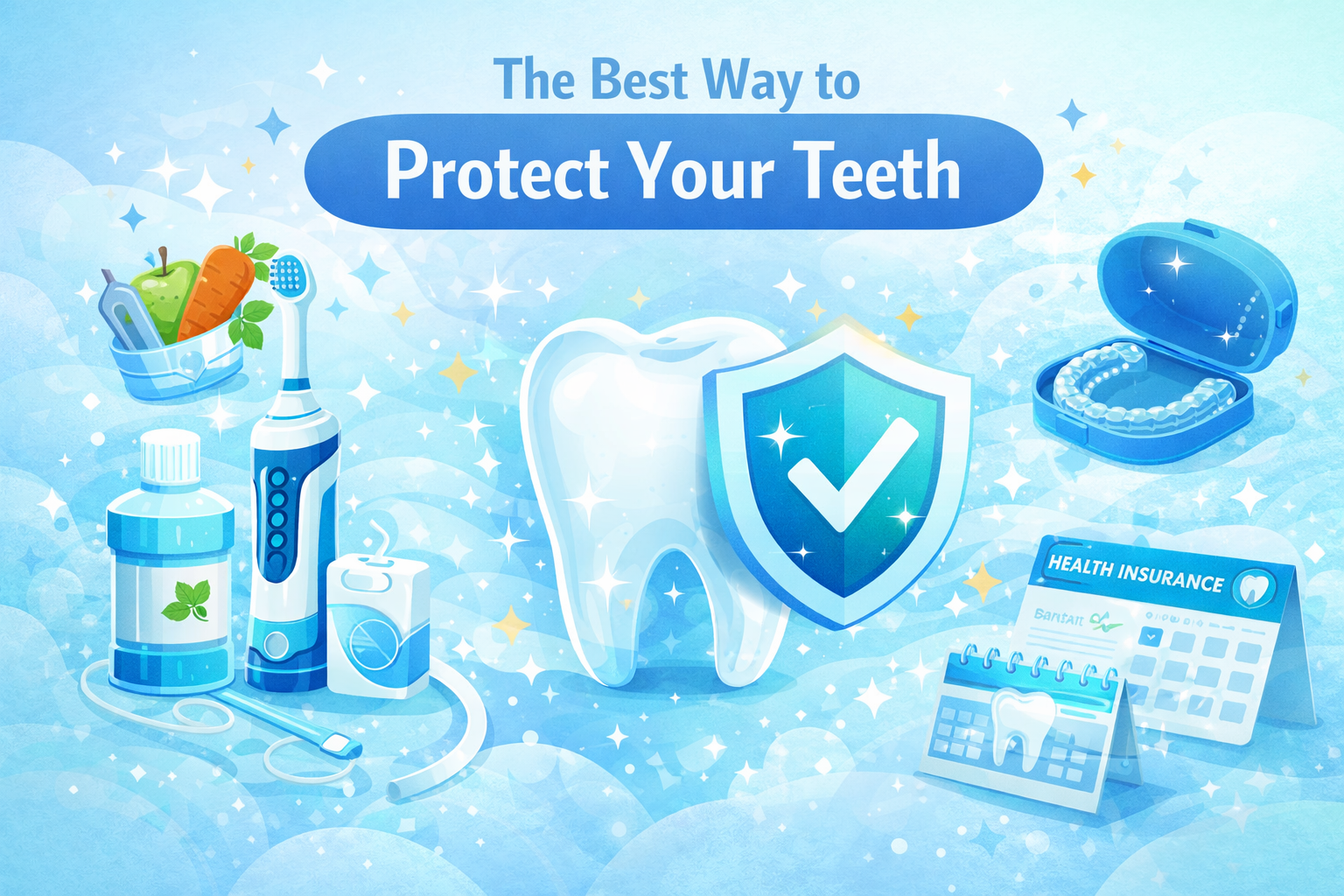
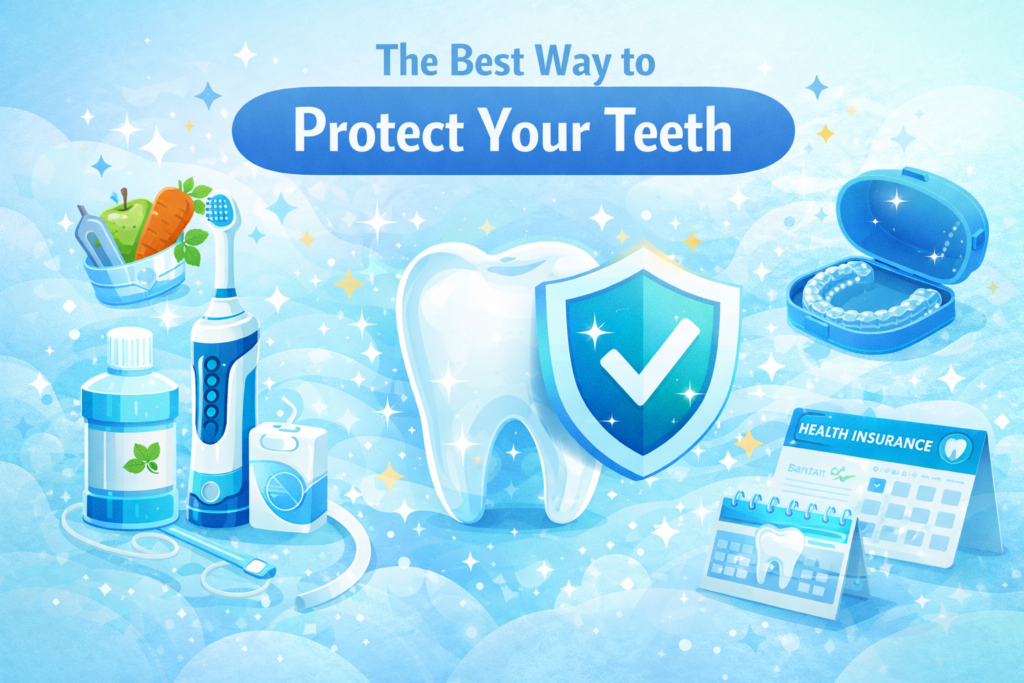
You don’t need expensive products or complicated routines. What you need is awareness and commitment. Brush properly. Floss daily. Be mindful of what you eat. Visit your dentist regularly.
It sounds simple because it is simple.
But simple doesn’t mean easy—especially when life gets busy or when you feel like skipping “just this once.”
The Story Continues
Even now, I’m not perfect.
There are still days when I feel lazy, moments when I’m tempted to ignore the routine. But the difference is, I understand the consequences now. I know what’s at stake.
And that knowledge changes everything.
Taking care of your teeth is one of those quiet, everyday choices that doesn’t seem important in the moment—but shapes your future in ways you can’t always see.
It’s not just about avoiding cavities or keeping your smile bright.
It’s about respecting your body, building discipline, and making small decisions today that your future self will thank you for.
And if you’re anything like I used to be—standing in front of the mirror, brushing quickly just to get it over with—maybe this is your moment to pause and rethink things.
Because the best way to protect your teeth isn’t a secret.
It’s simply choosing, every day, to care a little more than you did yesterday.