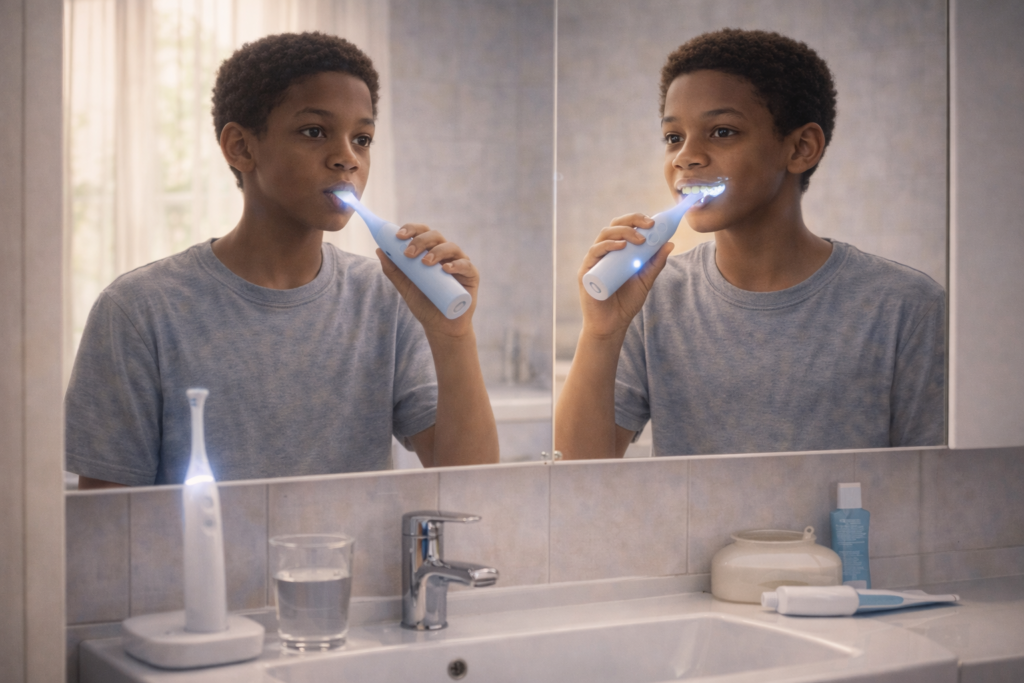
I didn’t plan on switching to an electric toothbrush.
In fact, for a long time, I thought they were unnecessary—one of those things people buy after watching too many ads or trying to “upgrade” something that already works fine. A toothbrush is a toothbrush, right?
That’s what I believed… until a routine dental visit quietly challenged that idea.
The Moment That Changed My Mind
It started the same way most checkups do. I sat back in the chair, staring at the ceiling, listening to the soft hum of equipment in the background. My dentist examined my teeth, paused, then said something that caught me off guard:
“You’re doing okay… but you could be doing better.”
That sentence lingered.
Not worse. Not bad. Just… not as good as it could be.
She asked me about my brushing routine—how long, how often, how hard. I answered confidently. Twice a day. Two minutes. Solid pressure.
She nodded, then asked, “Have you ever tried an electric toothbrush?”
I shrugged. “Do they really make that much of a difference?”
She smiled slightly. “For most people? Yes.”
Effort vs. Effectiveness
The first thing I noticed after switching wasn’t dramatic. There was no instant transformation, no sparkling glow like in commercials.
But there was something subtle.
The effort I used to put into brushing… decreased.
With a manual toothbrush, I was responsible for everything: the motion, the pressure, the consistency. And even though I thought I was doing it right, there were always small inconsistencies—rushing certain areas, pressing too hard in others.
An electric toothbrush changed that dynamic.
It felt like the brush was doing the work with me, not relying entirely on me.
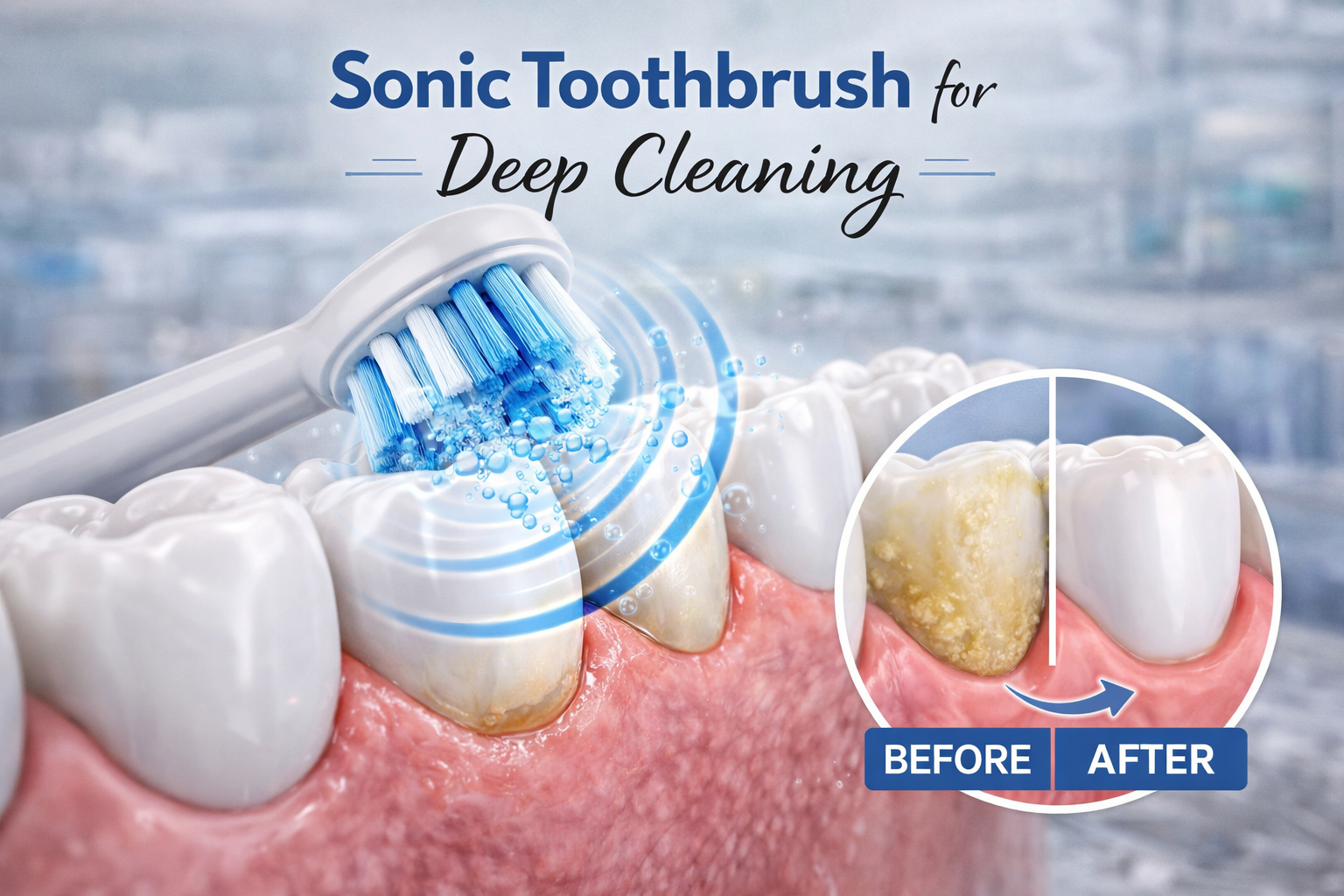
The tiny, rapid movements—something I could never replicate manually—made each pass feel more thorough. It wasn’t about brushing harder anymore. It was about brushing smarter.
The Surprising Role of Consistency
One of the biggest benefits, I realized over time, wasn’t just cleaning power—it was consistency.
Every time I brushed, the experience was almost identical. Same motion, same rhythm, same coverage.
With a manual brush, even small things—being tired, distracted, in a hurry—could affect how well I brushed. Sometimes I’d rush through it without realizing. Other times, I’d overcompensate and brush too aggressively.
But the electric toothbrush created a kind of baseline. It kept me steady, even when I wasn’t fully paying attention.
And that consistency added up.
The Timer I Didn’t Know I Needed
I used to think I brushed for two minutes.
But once I started using an electric toothbrush with a built-in timer, I realized something slightly uncomfortable: I wasn’t.
Or at least, not consistently.
Sometimes it was a minute and a half. Sometimes less.
Two minutes feels longer than you think—especially when you’re standing there, half-awake in the morning or ready to collapse into bed at night.
The timer changed that. It gently nudged me to stay on track, often with small pauses signaling when to switch areas of my mouth.
It sounds like a minor feature, but it made a real difference. I wasn’t guessing anymore. I knew I was giving each part of my mouth enough attention.
Pressure: The Invisible Mistake
If there’s one thing my dentist emphasized, it’s this: most people brush too hard.
And I was definitely one of them.
There’s something instinctive about applying pressure. It feels like you’re cleaning more thoroughly. But in reality, it can do more harm than good—wearing down enamel and irritating gums over time.
What surprised me was how an electric toothbrush helped correct that habit.
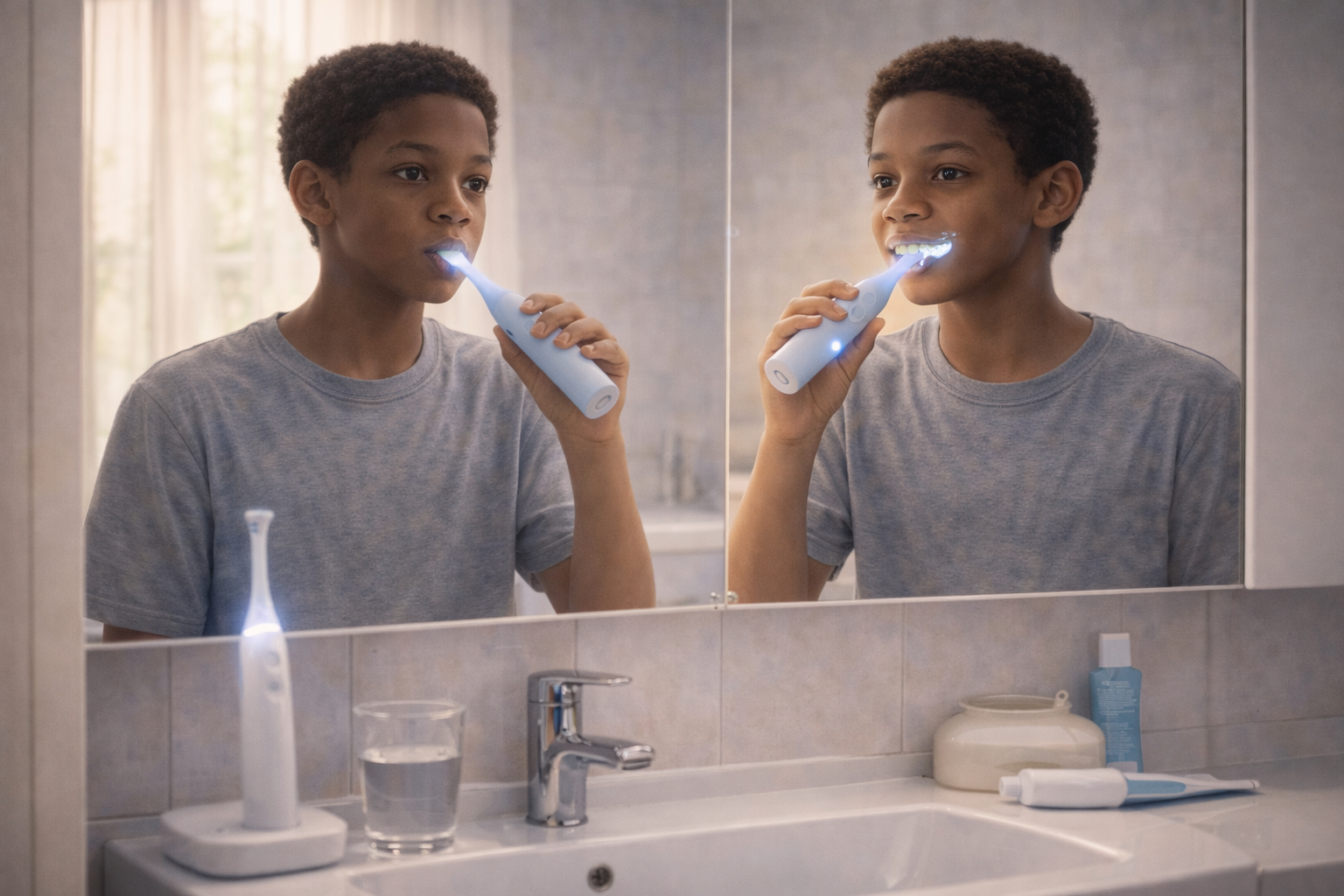
Some models include pressure sensors that alert you—sometimes with a light, sometimes with a subtle change in vibration—when you’re pressing too hard.
The first time it happened, I was caught off guard. I didn’t realize how much force I was using until something told me to ease up.
Over time, I adjusted. My brushing became gentler, more controlled.
And oddly enough, my teeth felt cleaner—not because I was scrubbing harder, but because I was finally doing it right.
Reaching the Places I Used to Miss
There are areas in your mouth that are easy to ignore without realizing it. The back molars. The inner surfaces. The gumline.
With a manual brush, reaching those spots requires intention. And if you’re distracted or tired, it’s easy to skip over them.
The smaller, rounded head of most electric toothbrushes made a noticeable difference here.
It felt easier to navigate around each tooth, to follow the natural curves of my mouth. Instead of brushing in broad strokes, I found myself focusing on individual areas more carefully.
It wasn’t something I consciously tried to change—it just happened naturally with the design.
A Shift in Mindset
What I didn’t expect was how this small change would affect the way I thought about brushing.
Before, brushing felt like a routine. Something to get through.
After switching, it felt more intentional.
Not complicated. Not time-consuming. Just… more mindful.
I paid attention to how I moved the brush. I noticed areas I used to rush. I became more aware of my habits.
And that awareness made the biggest difference of all.
Is It Worth It for Everyone?
That’s the question I kept asking myself in the beginning.
Electric toothbrushes can be more expensive than manual ones. Replacement heads add to the cost over time.
So, is it really worth it?
I think the honest answer is: it depends.
If you already have excellent brushing technique, strong consistency, and good dental health, a manual toothbrush can absolutely be enough.
But for most people—including me—there’s room for improvement. And an electric toothbrush helps bridge that gap.
It doesn’t replace good habits. But it supports them.
What Dentists Often Notice
At my next dental visit, a few months after making the switch, something interesting happened.
The appointment felt… easier.
Less scraping. Fewer comments about areas I’d missed. A general sense that things had improved.
My dentist noticed it too.
“Whatever you’re doing,” she said, “keep doing it.”
That was it. No dramatic speech. No big reveal.
Just a quiet confirmation that something had changed—and that it mattered.
It’s Not Just About Technology
It’s easy to focus on the features—timers, sensors, rotating heads, different modes.
But the real benefit of an electric toothbrush isn’t the technology itself.
It’s what that technology encourages:
- Better habits
- More consistent brushing
- Gentler technique
- Greater awareness
In a way, it acts like a guide. A subtle one, but effective.
Looking Back
If you had asked me a year ago whether I’d recommend an electric toothbrush, I probably would’ve shrugged.
Now, I see it differently.
It’s not a magic solution. It won’t fix everything overnight. But it does make it easier to take care of your teeth in a way that’s consistent and effective.
And sometimes, that’s exactly what we need—not a complete overhaul, but a small change that quietly improves something we do every single day.
A Simple Upgrade That Stays With You
We don’t often think about brushing as something that can be improved. It feels too basic, too routine.
But that’s what makes it so important.
Because the small things we do every day… matter more than we realize.
Switching to an electric toothbrush didn’t change my life overnight.
But it changed something subtle.
And over time, those subtle changes added up—to healthier habits, better checkups, and a routine that finally felt like it was working with me, not against me.
If there’s one thing I’ve learned from all of this, it’s simple:
Sometimes, improving your health isn’t about doing more.
It’s about doing the same things… just a little better.