Sonic Toothbrush for Better Oral Health: A Personal Journey to a Healthier Smile
I didn’t always care much about my teeth.
Like a lot of people, brushing twice a day felt more like a routine checkbox than something meaningful. I would rush through it—two minutes if I was being disciplined, thirty seconds if I was late. Flossing? Only when I felt guilty after a dentist visit. And mouthwash? That was reserved for days when I wanted to feel extra fresh, not necessarily healthier.
But everything changed the day my dentist paused during a routine check-up and said, “You’re doing okay… but you could be doing a lot better.”
That “okay” stuck with me. It wasn’t bad enough to panic, but it wasn’t good enough to ignore. That’s when I first heard about sonic toothbrushes—not as a fancy gadget, but as a tool that could genuinely improve oral health.
The Turning Point
At first, I was skeptical.
A toothbrush is a toothbrush, right? Manual, electric—what’s the big difference? I had seen ads before, people smiling in slow motion with sparkling teeth, but it all felt a bit exaggerated.
Still, curiosity got the better of me.
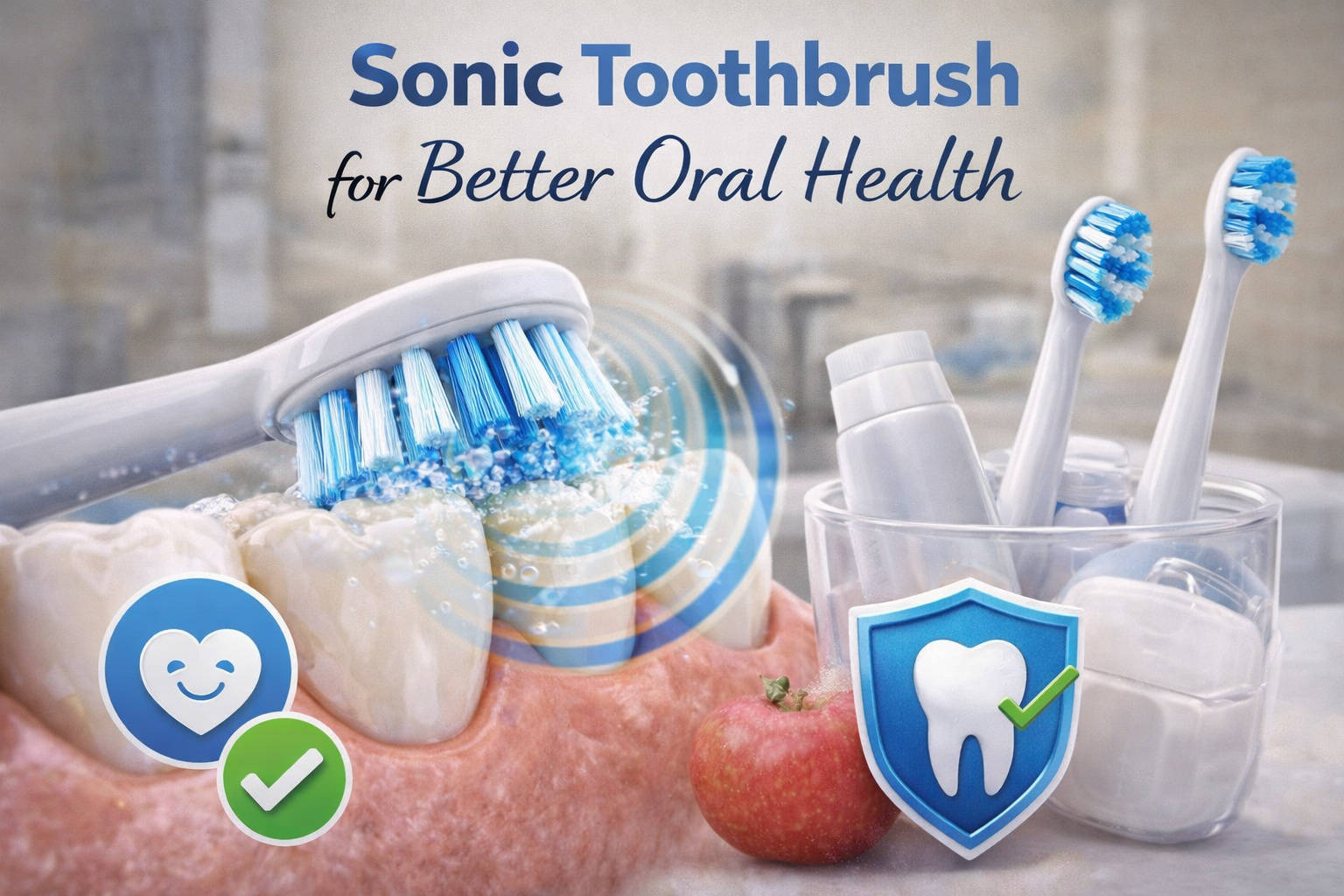
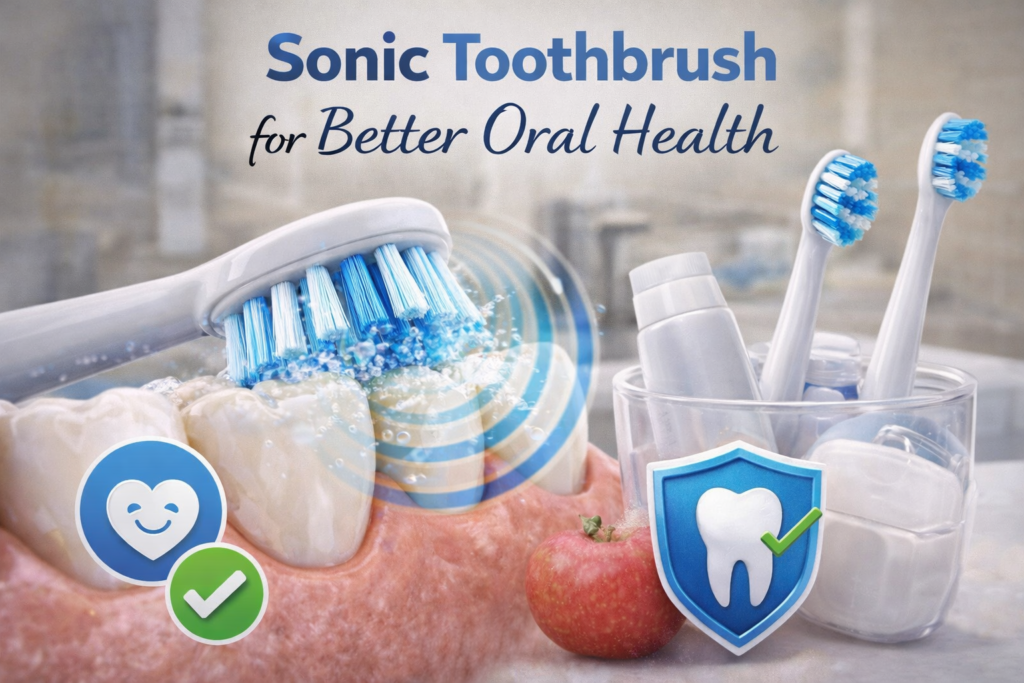
I started reading about sonic toothbrushes and how they worked. Unlike traditional electric brushes that simply rotate or oscillate, sonic toothbrushes vibrate at incredibly high speeds—tens of thousands of strokes per minute. That sounded intense, but what really caught my attention was something else: they don’t just clean where the bristles touch. The vibrations create fluid movement that helps push toothpaste and water between teeth and along the gumline.
In other words, they clean places I was probably missing every single day.
That thought alone was enough to convince me to try one.
First Impressions: Strange but Promising
The first time I used a sonic toothbrush, it felt… weird.
The vibration was much stronger than I expected, almost ticklish at first. I remember laughing a little because it didn’t feel like brushing—it felt like my entire mouth was buzzing. It took a few days to get used to it, but once I did, something interesting happened.
Brushing became less of a chore.
I didn’t feel like I had to scrub aggressively anymore. In fact, the instructions were clear: just guide the brush and let it do the work. That alone changed my mindset. Instead of rushing, I slowed down. Instead of forcing it, I trusted the process.
And for the first time, I actually felt like my teeth were truly clean—not just “minty,” but smooth in a way I hadn’t experienced before.
Small Changes, Big Results
After a couple of weeks, I began noticing subtle changes.
My gums didn’t bleed as easily when I flossed. The usual sensitivity I felt when drinking cold water started to fade. Even the way my teeth looked in the mirror seemed different—brighter, but more importantly, healthier.
It wasn’t an overnight transformation, but it was consistent.
That’s the thing about oral health—it’s not about dramatic, one-time efforts. It’s about small habits repeated every day. And the sonic toothbrush made those habits easier to maintain.
The built-in timer ensured I brushed long enough. The gentle yet powerful motion meant I wasn’t damaging my gums by brushing too hard. And the overall experience felt… satisfying, in a way that made me want to keep going.
More Than Just Clean Teeth
What surprised me most wasn’t just the physical improvement—it was how it changed my attitude.
Before, brushing felt like something I had to do.
Now, it felt like something I wanted to do.
That shift may sound small, but it made all the difference. When you start caring about something, you naturally become more consistent. I started flossing more regularly, paying attention to how my gums looked, and even being more mindful about what I ate and drank.
It became less about avoiding cavities and more about maintaining a standard I had come to appreciate.
Understanding the Technology
As I grew more comfortable with my sonic toothbrush, I became more interested in how it actually worked.
Sonic technology operates at frequencies that create dynamic fluid action. This means that even if the bristles don’t physically touch every surface, the movement of liquids in your mouth helps dislodge plaque and bacteria from hard-to-reach areas.
It’s a bit like how a fast-moving current in water can carry debris away—not just from where the current is strongest, but from surrounding areas as well.
This made me realize something important: effective cleaning isn’t just about pressure or effort. It’s about technique and technology working together.
And in this case, the technology was doing a lot of the heavy lifting.
A Visit Back to the Dentist
A few months later, I went back for another check-up.
I wasn’t expecting anything dramatic, but I was curious to see if my dentist would notice a difference.
He did.
“This is much better,” he said, almost immediately. “Whatever you’ve been doing, keep doing it.”
That moment felt more rewarding than I expected. Not because I needed validation, but because it confirmed that the changes I felt were real.
It wasn’t just in my head. It wasn’t just a placebo effect. It was measurable, visible improvement.
The Long-Term Impact
Over time, using a sonic toothbrush became second nature.
I no longer thought of it as a “new habit” or a “special tool.” It simply became part of my daily routine, like washing my face or drinking water in the morning.
But the benefits continued to build.
My dental visits became less stressful. I no longer worried about surprise issues or uncomfortable procedures. My confidence improved, not just in how my smile looked, but in knowing I was taking proper care of myself.
And perhaps most importantly, I developed a sense of responsibility toward my own health—something that extended beyond just oral care.
Is It Worth It?
If you had asked me before this experience whether a sonic toothbrush was worth the investment, I probably would have hesitated.
Now, my answer is simple: yes.
Not because it’s trendy or high-tech, but because it works. It simplifies something that many of us struggle to do properly and turns it into a more effective, even enjoyable process.
Of course, it’s not a magic solution. You still need to brush regularly, floss, and maintain good habits. But it gives you an advantage—a tool that enhances your efforts rather than replacing them.
Final Thoughts
Looking back, I realize that the biggest change wasn’t the toothbrush itself.
It was the shift in awareness.
The sonic toothbrush was just the starting point—the thing that made me pause and reconsider how I approached something as basic as brushing my teeth. It helped me move from doing the minimum to doing it well.
And sometimes, that’s all it takes.
A small upgrade. A slight shift. A better tool.
From there, everything else begins to follow.
So if you’re standing where I once stood—doing “okay” but wondering if you could do better—it might be worth giving a sonic toothbrush a try.
Not for the technology, not for the trend, but for the simple possibility of a healthier smile… and a healthier you.