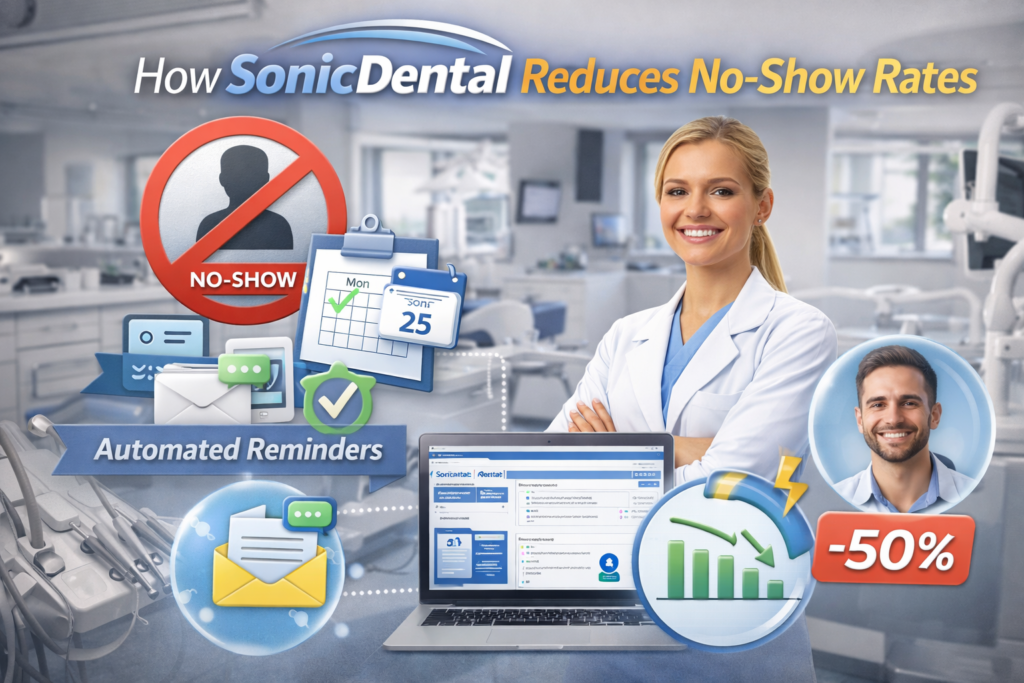
I still remember the first time I sat in the waiting room of a busy dental clinic that partnered with Sonic Dental. It was unusually calm. Not empty—but steady. Patients were arriving on time, checking in smoothly, and moving through their appointments without the usual chaos you’d expect in a healthcare setting. No anxious receptionist juggling phone calls. No frustrated dentists pacing between rooms. And most noticeably—very few empty chairs.
That’s when I began to understand something important: reducing no-show rates isn’t just about sending reminders. It’s about reshaping the entire patient experience.
Sonic Dental seems to understand this better than most.
The Hidden Cost of No-Shows
Before diving into what Sonic Dental does differently, it’s worth pausing for a moment to reflect on why no-shows are such a persistent problem.
In many clinics, missed appointments are treated as inevitable—an unfortunate side effect of busy lives and forgetful patients. But the reality runs deeper. A missed appointment doesn’t just leave a gap in the schedule. It disrupts workflow, wastes resources, and often leads to longer wait times for other patients. Over time, it can even affect the morale of the staff.
From the patient’s perspective, the reasons are often more human than we think. Life gets in the way. Anxiety about dental procedures creeps in. Schedules change. And sometimes, people simply forget.
Sonic Dental doesn’t ignore these realities—they design around them.
A System That Anticipates Human Behavior
One of the most striking things about Sonic Dental’s approach is how human it feels. Instead of assuming patients will behave perfectly, their system seems to expect the opposite—and gently guide them back on track.
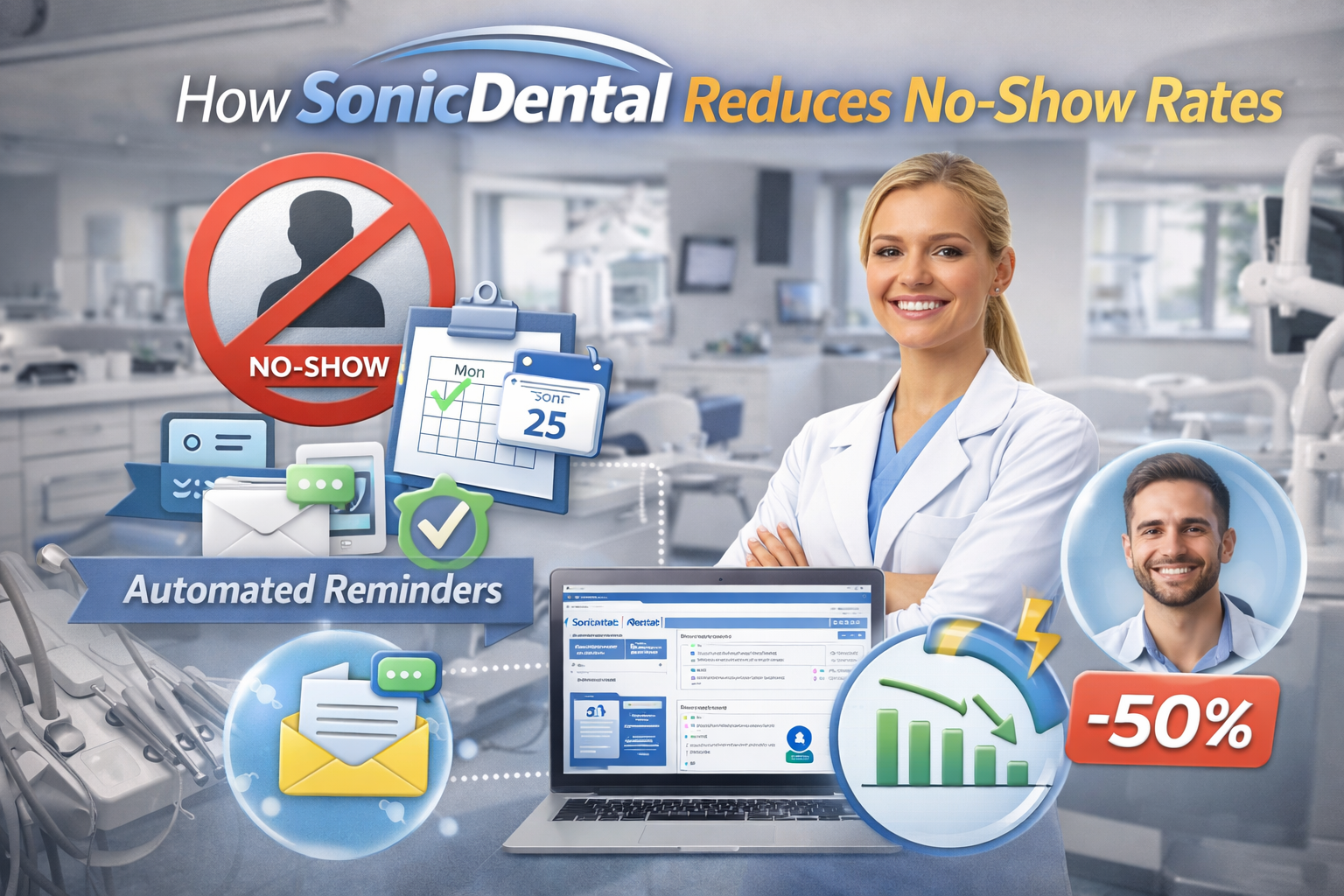
Take appointment reminders, for example. Many clinics rely on a single text message or email sent a day before the appointment. Sonic Dental takes it further. Their communication feels more like a conversation than a notification.
Patients might receive a friendly reminder several days in advance, followed by a confirmation message closer to the appointment. If there’s no response, the system nudges again—but without being intrusive. The tone is warm, not robotic. It feels like someone is looking out for you, not chasing you.
And that small difference matters more than we realize.
Personalization Makes a Difference
During my observation, I noticed that patients weren’t just numbers in a system. Sonic Dental seems to track preferences and behaviors in a way that allows for subtle personalization.
For example, some patients prefer morning appointments, while others consistently reschedule unless booked in the afternoon. Over time, the system learns these patterns and adapts. This reduces friction—patients are more likely to show up when the appointment fits naturally into their routine.
There’s also a psychological layer here. When people feel understood, they’re more likely to follow through.
It reminded me of something simple but powerful: people don’t just respond to reminders—they respond to relevance.
Reducing Anxiety Before It Starts
One of the less obvious reasons for no-shows is dental anxiety. It’s something many patients don’t openly admit, but it plays a major role.
Sonic Dental addresses this in a quiet, thoughtful way.
Instead of only sending appointment confirmations, they sometimes include helpful information ahead of the visit—what to expect, how long the procedure might take, or even simple reassurance about common concerns. This transforms uncertainty into clarity.
When patients know what’s coming, the fear becomes manageable.
I spoke briefly with a patient who mentioned that these small touches made a big difference. “I used to cancel last minute all the time,” she said. “But now I feel more prepared. It’s not as scary.”
That shift—from avoidance to readiness—is exactly what reduces no-show rates.
Seamless Rescheduling Instead of Silent Absences
Another thing Sonic Dental does exceptionally well is making it easy to reschedule.
In many clinics, changing an appointment can feel like a hassle. Long hold times, limited availability, or confusing systems often lead patients to simply skip the appointment instead.
Sonic Dental removes that friction.
With simple, accessible options—often just a few clicks or a quick reply—patients can adjust their appointments without stress. This transforms what would have been a no-show into a rescheduled visit.
It’s a subtle but important shift. The goal isn’t to force attendance—it’s to keep the patient engaged.
Empowering the Front Desk Team
While technology plays a major role, what stood out to me most was how it supported—not replaced—the human staff.
The front desk team wasn’t overwhelmed. They weren’t scrambling to fill gaps caused by missed appointments. Instead, they had the space to focus on real interactions—greeting patients, answering questions, and creating a welcoming atmosphere.
This matters because patients pick up on energy.
When a clinic feels organized and calm, patients are more likely to take their appointments seriously. It creates a sense of mutual respect—your time matters, and so does theirs.
Sonic Dental seems to understand that reducing no-shows isn’t just a technical problem. It’s a cultural one.
Data That Tells a Story
Behind the scenes, there’s another layer at work: data.
Sonic Dental doesn’t just collect information—they use it to identify patterns. Which time slots have the highest no-show rates? Which types of appointments are most likely to be missed? Which patients might need additional reminders?
By answering these questions, clinics can make smarter decisions.
For example, if late afternoon appointments tend to have higher no-show rates, the clinic might adjust how those slots are booked or confirmed. If certain patients frequently miss appointments, the system can proactively engage them in a different way.
It’s not about judgment—it’s about understanding behavior and responding to it.
Building Trust Over Time
Perhaps the most important thing I noticed wasn’t a feature or a system—it was a feeling.
Patients trusted the process.
They showed up not just because they were reminded, but because the experience felt reliable. They knew what to expect. They felt taken care of. And over time, that consistency built a habit.
Trust is often overlooked in discussions about no-show rates, but it might be the most powerful factor of all.
When patients trust a clinic, they don’t disappear without notice.
A Quiet Transformation
By the end of my visit, I realized something interesting: there was no single dramatic change that explained the low no-show rates.
It wasn’t one tool or one strategy.
It was the accumulation of small, thoughtful decisions—each one designed to make the patient journey smoother, clearer, and more human.
And that’s what makes Sonic Dental’s approach so effective.
They don’t just remind patients to show up. They give them reasons to want to.
Final Thoughts
Reducing no-show rates is often framed as a logistical challenge, but Sonic Dental shows us that it’s really about understanding people.
People forget. People worry. People change their plans.
But people also respond to kindness, clarity, and convenience.
By aligning their systems with real human behavior, Sonic Dental doesn’t just fill appointment slots—they build stronger relationships between clinics and patients.
And in the end, that might be the most sustainable solution of all.
Because when patients feel valued, showing up becomes the natural choice.