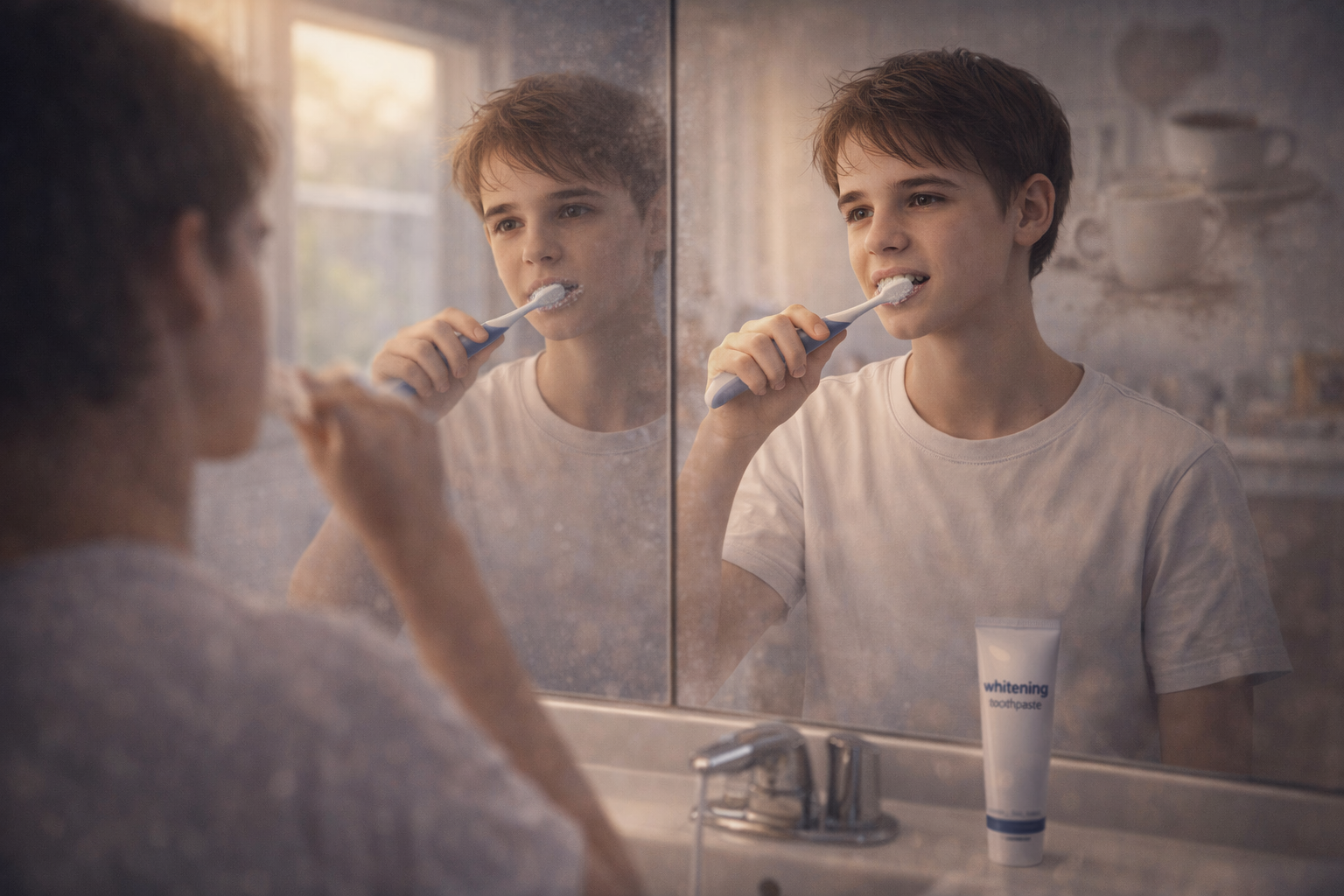
I still remember the first time a dentist told me I had been brushing my teeth “wrong” for years. It felt strange—almost unfair. After all, brushing your teeth is one of the first habits we learn as kids. It’s simple, automatic, and something we rarely question. You grab a toothbrush, squeeze some toothpaste, brush for a bit, rinse, and move on with your day. What could possibly go wrong?
As it turns out, quite a lot.
Over time, I began to realize that daily tooth brushing isn’t just about doing it, but about how you do it. And most of us, without even realizing it, make small mistakes every single day—mistakes that quietly build up into bigger problems like cavities, gum issues, or sensitive teeth.
Let me walk you through some of the most common ones, the kind that I personally used to make (and sometimes still catch myself making).
Brushing Too Hard
For the longest time, I believed that brushing harder meant cleaning better. It made sense in my head—more pressure, more cleanliness, right? I used to press the toothbrush firmly against my teeth, almost like I was scrubbing a stubborn stain off a dish.
But teeth aren’t dishes.
What I didn’t realize was that brushing too hard can actually damage your enamel—the protective outer layer of your teeth. Once that enamel wears down, it doesn’t grow back. You might start to notice sensitivity, especially when drinking something cold or hot.
Even worse, aggressive brushing can irritate your gums, causing them to recede over time. That’s not just a cosmetic issue—it can expose parts of your teeth that are more vulnerable to decay.
I learned the hard way that gentle, controlled movements are far more effective than force. A toothbrush is a tool, not a weapon.
Not Brushing Long Enough
Another mistake I used to make? Rushing.
Mornings are always hectic. You wake up late, check your phone, hurry through breakfast, and then—quickly brush your teeth for maybe 20 or 30 seconds before running out the door.
It feels like you’ve done your job, but in reality, you’ve barely started.
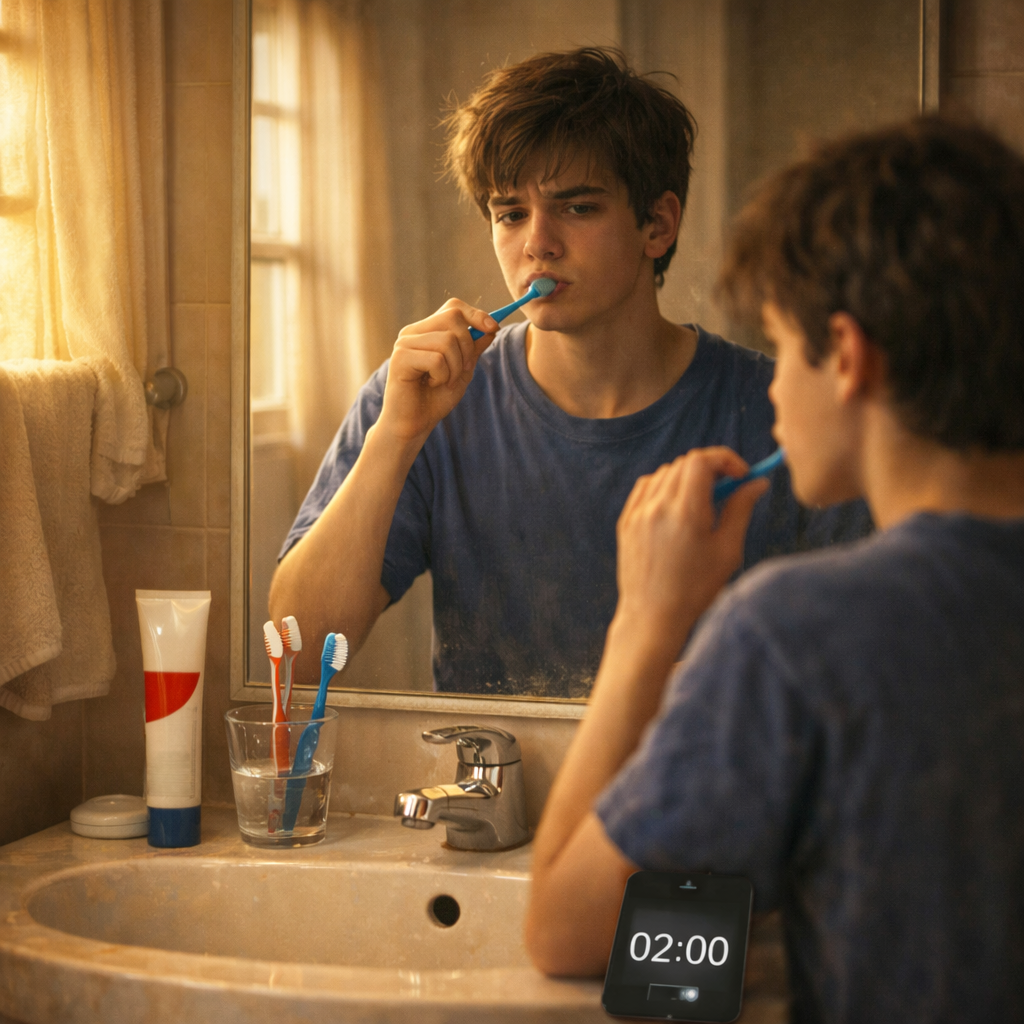
Dentists recommend brushing for at least two minutes. Two full minutes can feel surprisingly long when you’re standing at the sink, but it’s necessary to properly clean all surfaces of your teeth.
I once tried timing myself, and it was almost embarrassing to realize how short my usual brushing time was. Since then, I’ve started paying more attention—sometimes even playing a short song or setting a timer just to make sure I’m not cutting corners.
Ignoring Certain Areas
There was a time when I focused mostly on the front teeth—the ones people actually see when I smile. It made sense in a way. Those were the “important” ones, right?
Not exactly.
The back teeth, especially molars, do most of the heavy lifting when it comes to chewing. They’re also the easiest place for food particles to get stuck. And yet, they’re often the most neglected during brushing.
Then there’s the inside surfaces of your teeth—the part facing your tongue. It’s easy to forget about them because they’re not visible, but plaque builds up there just the same.
I realized that brushing should be systematic. You can’t just brush randomly and hope for the best. You need to consciously move from one section to another, making sure nothing gets skipped.
Using the Wrong Toothbrush
For years, I never thought much about my toothbrush. I would just pick whatever looked decent at the store—sometimes even choosing the one with the hardest bristles, thinking it would clean better.
But harder isn’t better.
In fact, most dentists recommend using a soft-bristled toothbrush. Hard bristles can be too abrasive, especially when combined with strong brushing. They can wear down enamel and irritate gums over time.
Switching to a soft-bristled brush felt strange at first. It didn’t feel as “powerful,” but over time, I realized it was actually more comfortable—and just as effective when used properly.
Forgetting to Replace Your Toothbrush
This is one of those things that’s easy to overlook.
You buy a toothbrush, use it every day, and before you know it, months have passed. The bristles start to bend and fray, but you keep using it anyway.
I used to think, “It still works, so why replace it?”
The truth is, a worn-out toothbrush doesn’t clean your teeth effectively. Those frayed bristles can’t reach into the small spaces between teeth or along the gum line.
Most recommendations suggest replacing your toothbrush every three months—or sooner if the bristles start to look worn. It’s a small change, but it makes a noticeable difference.
Brushing Right After Eating
This one surprised me the most.
After eating, especially something sugary or acidic, it feels natural to brush your teeth immediately. You want to “clean” your mouth as soon as possible.
But brushing right after eating—especially after acidic foods like citrus or soda—can actually do more harm than good.
Acids temporarily soften your enamel. If you brush right away, you might end up brushing away that softened layer, leading to long-term damage.
It’s better to wait about 30 minutes before brushing. In the meantime, you can rinse your mouth with water to help neutralize acids.
Skipping the Tongue
For a long time, I didn’t think my tongue had anything to do with oral hygiene. Brushing teeth was about teeth—simple as that.
But your tongue can hold a lot of bacteria, which contributes to bad breath and overall oral health issues.
The first time I started brushing my tongue regularly, it felt a bit uncomfortable, but I quickly got used to it. And honestly, it made a noticeable difference in how fresh my mouth felt.
Relying Only on Brushing
Brushing is important, but it’s not enough on its own.
There was a time when I thought brushing twice a day meant I was doing everything right. Flossing felt optional—something you only do when food gets stuck between your teeth.
But toothbrush bristles can’t reach the tight spaces between teeth. That’s where flossing comes in.
Skipping flossing means leaving behind plaque and food particles that can eventually lead to cavities and gum problems.
It took me a while to build the habit, but once I did, it became just as routine as brushing.
Not Paying Attention
Perhaps the biggest mistake of all is brushing on autopilot.
It’s easy to stand in front of the mirror, half-asleep or distracted, and go through the motions without really thinking about what you’re doing.
I’ve caught myself scrolling through my phone while brushing, barely aware of where the toothbrush is going.
But brushing your teeth is one of those small daily rituals that deserves a bit of attention. It only takes a couple of minutes, but those minutes matter.
When you’re mindful—when you actually focus on each movement—you end up doing a much better job.
Final Thoughts
Looking back, it’s interesting how something as simple as brushing your teeth can have so many hidden layers. It’s not just a habit—it’s a skill, one that most of us were never properly taught.
The good news is that these mistakes are easy to fix once you’re aware of them.
You don’t need expensive tools or complicated routines. Just a bit of patience, a little more awareness, and a willingness to adjust what you’ve been doing for years.
Because in the end, it’s the small daily habits that shape your health over time. And sometimes, improving your life starts with something as simple as holding a toothbrush the right way.