I used to think brushing harder meant brushing better.
It felt logical in a strange way. If something is dirty, you scrub it harder. That’s how you clean dishes, stains on clothes, even muddy shoes. So I carried that same mindset into brushing my teeth. Every morning and every night, I would grip my toothbrush tightly and move it back and forth with determination, convinced I was doing something good for myself.
For a while, nothing seemed wrong.
My teeth felt smooth afterward, that squeaky-clean feeling I had always associated with good hygiene. I never questioned it. If anything, I felt proud—like I was doing more than most people.
But then, small signs started appearing.
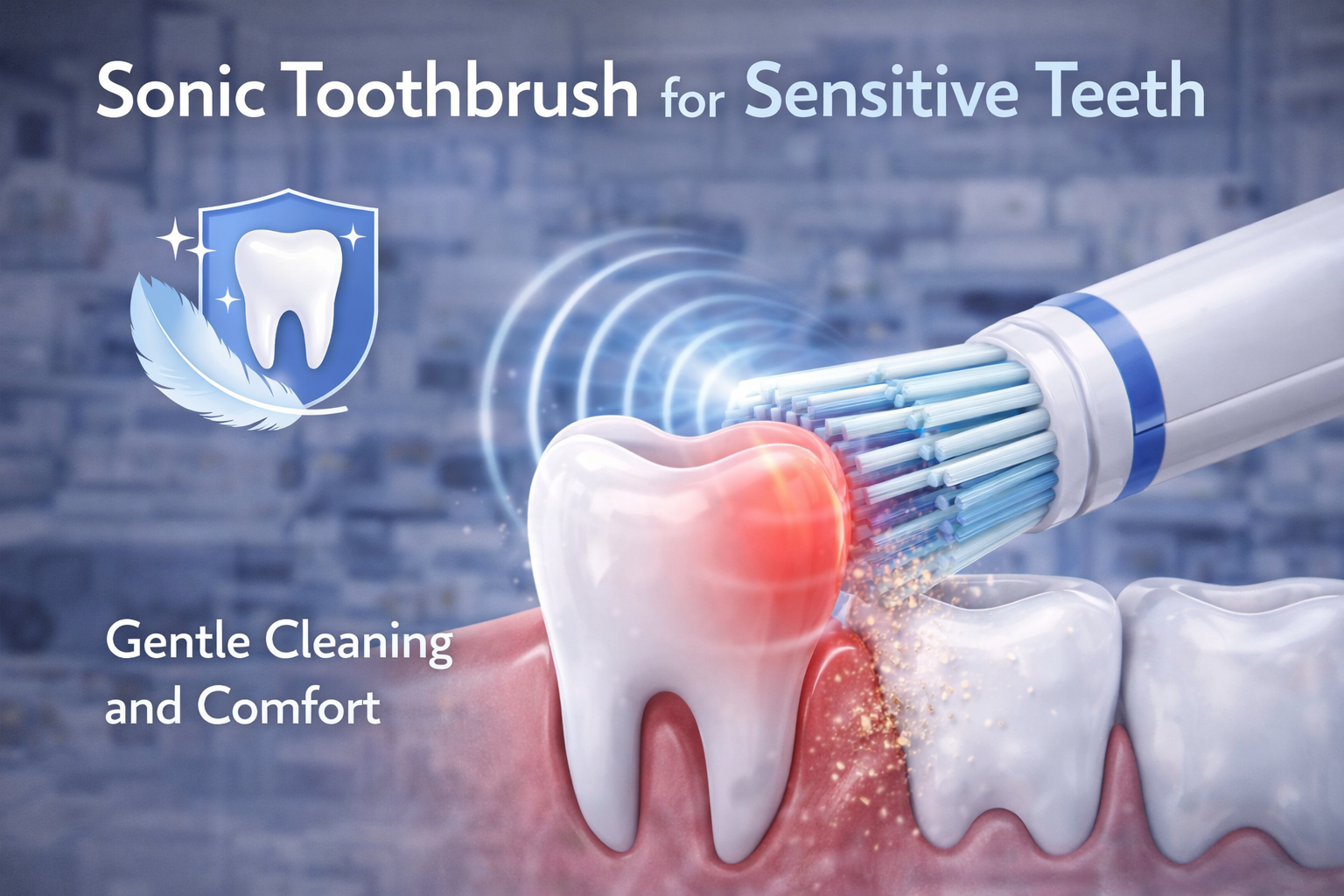
At first, it was just a bit of sensitivity. Cold water would occasionally send a sharp, uncomfortable sensation through my teeth. I brushed it off—no pun intended—as something temporary. Maybe I had eaten too much ice cream, I thought. Maybe it would pass.
It didn’t.
When Clean Starts to Hurt
The sensitivity slowly became more frequent.
Drinking cold water wasn’t refreshing anymore—it was something I had to prepare for. Even breathing in cool air sometimes made my teeth ache. That’s when I realized something wasn’t quite right.
I checked my gums in the mirror one morning and noticed they didn’t look the same as before. They seemed to be pulling back slightly, exposing more of my teeth than I remembered.
It was subtle, but it was there.
That was the first time I asked myself a question I had never considered before:
Was I brushing too hard?
The Misunderstood Habit
Brushing your teeth is one of those things you learn early in life, but rarely revisit.
No one really teaches you how much pressure is too much. Most of us just develop our own habits over time. And if no one corrects you, you assume you’re doing it right.
The problem is, brushing harder doesn’t mean cleaner teeth.
In fact, it can do the opposite of what you intend.
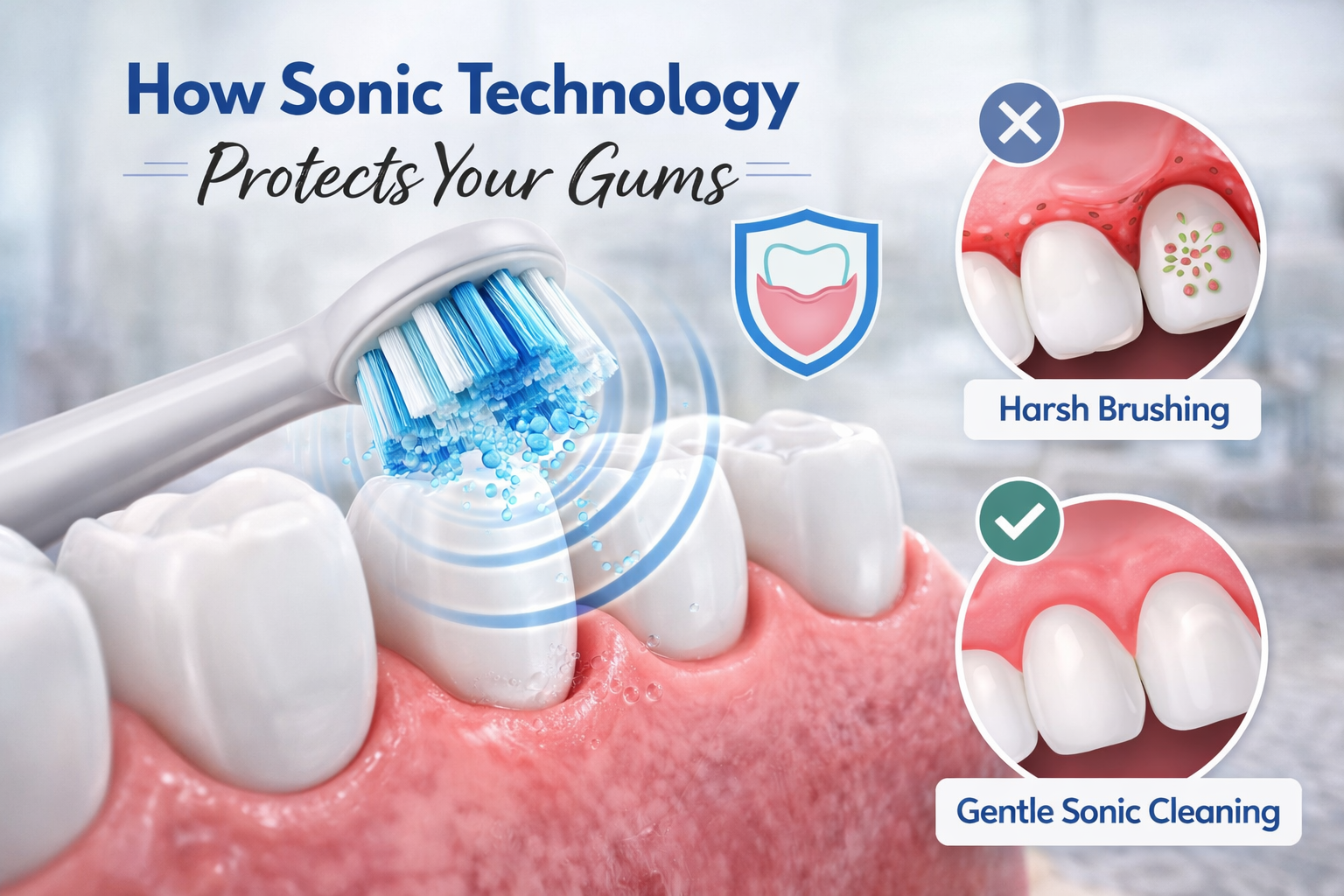
Your enamel—the outer layer of your teeth—is strong, but it’s not indestructible. When you brush aggressively, especially with a hard-bristled toothbrush, you can slowly wear it down. Once enamel is gone, it doesn’t grow back.
At the same time, your gums—soft and sensitive—can become irritated and start to recede when exposed to too much pressure over time.
It’s not immediate damage. It’s gradual. Quiet. Easy to miss.
Until it isn’t.
The Day It Clicked
I remember sitting in a dental chair, listening to the dentist explain what was happening.
“You’re brushing too hard,” they said, calmly but clearly.
At first, I felt defensive. How could something as basic as brushing my teeth be wrong? I had been doing it my whole life.
But as they pointed out the signs—slight enamel wear, gum recession—it became harder to deny.
What surprised me most wasn’t just the diagnosis. It was how common it is.
“Many people think like you do,” they added. “They believe more pressure means better cleaning.”
It turns out, I wasn’t being extra careful.
I was being unintentionally harmful.
What Happens When You Brush Too Hard
Looking back, the signs were there all along.
Tooth sensitivity is often one of the earliest warnings. As enamel wears down and gums recede, the more sensitive parts of your teeth become exposed.
Then there’s gum recession. Your gums don’t just get irritated—they slowly pull away from your teeth, creating small gaps that can become breeding grounds for bacteria.
You might also notice your toothbrush wearing out quickly. Frayed bristles aren’t just a sign of time passing—they can indicate excessive pressure.
And ironically, brushing too hard can even make your teeth look less healthy. As enamel thins, teeth may appear more yellow, since the layer underneath (dentin) is naturally darker.
It’s one of those situations where trying harder actually leads to worse results.
Rethinking “Clean”
I had to relearn something I thought I already knew.
Clean doesn’t mean forceful.
Clean means thorough, consistent, and gentle.
That shift in mindset wasn’t easy at first. Brushing lightly felt… ineffective. I kept thinking I was missing something, that I wasn’t doing enough.
But over time, I began to notice a difference—not just in how my teeth felt, but in how my gums looked and how the sensitivity slowly decreased.
It turns out, your mouth doesn’t need aggression.
It needs care.
Small Changes That Made a Big Difference
The changes I made weren’t dramatic, but they were intentional.
I switched to a soft-bristled toothbrush. At first, it felt too gentle, almost like it wouldn’t do the job. But that’s the point—it cleans without damaging.
I started paying attention to pressure. Instead of pressing hard, I held the toothbrush more like a pen than a tool. That simple shift made it easier to control how much force I used.
I also slowed down.
Brushing isn’t something to rush through in 20 seconds. Taking a full two minutes allowed me to be more mindful, to focus on technique rather than force.
And I changed my motion. Instead of aggressive back-and-forth scrubbing, I used small, circular movements—something I had heard before but never really practiced.
These adjustments felt small, almost insignificant.
But over time, they changed everything.
Why It’s Easy to Get Wrong
Part of the reason this habit is so common is because it’s rooted in a misunderstanding.
We associate effort with results.
The harder you study, the better your grades. The harder you train, the stronger you get. So it feels natural to apply that same logic to brushing your teeth.
But oral care doesn’t follow that rule.
It’s not about intensity—it’s about consistency and technique.
There’s also a lack of awareness. Unless someone points it out—like a dentist—you might never realize you’re doing harm.
And because the damage happens slowly, it doesn’t trigger immediate concern.
Until one day, it does.
Listening to Your Body
One of the most important lessons I learned was to pay attention to small signals.
Sensitivity isn’t random. Bleeding gums aren’t normal. Changes in how your teeth or gums look shouldn’t be ignored.
Your body often gives you early warnings—it’s just a matter of noticing them.
If something feels off, it’s worth asking why.
Not every issue is serious, but ignoring it doesn’t make it go away.
A Different Approach Moving Forward
Now, brushing my teeth feels different—not just physically, but mentally.
It’s no longer something I rush through or approach with force. It’s a small, quiet moment of care in my day.
There’s something oddly calming about it.
I don’t think about “scrubbing away” anything anymore. Instead, I think about maintaining something—protecting it, keeping it healthy over time.
It’s a subtle shift, but it changes everything.
So… Are You Brushing Too Hard?
It’s a simple question, but not always an easy one to answer.
If you’ve never thought about it before, you’re not alone. Most people haven’t.
But it might be worth paying attention the next time you brush your teeth.
Are you pressing too hard?
Are your bristles flattening quickly?
Do your gums feel sensitive or look like they’re receding?
Sometimes, doing less is actually doing better.
And when it comes to your teeth, gentle care isn’t just enough—it’s exactly what they need.
In the end, I realized something I wish I had understood earlier:
Taking care of yourself isn’t about intensity. It’s about understanding.
And sometimes, the smallest adjustments can protect you from the biggest problems.