
I didn’t always think much about oral hygiene. Like most people, I brushed my teeth twice a day—sometimes rushing through it, sometimes skipping floss altogether, and rarely thinking about what was actually happening inside my mouth. It felt like one of those small, automatic routines, something you do because you’ve been told to since childhood, not because you fully understand its importance.
That perspective started to change the day I had my first real dental scare.
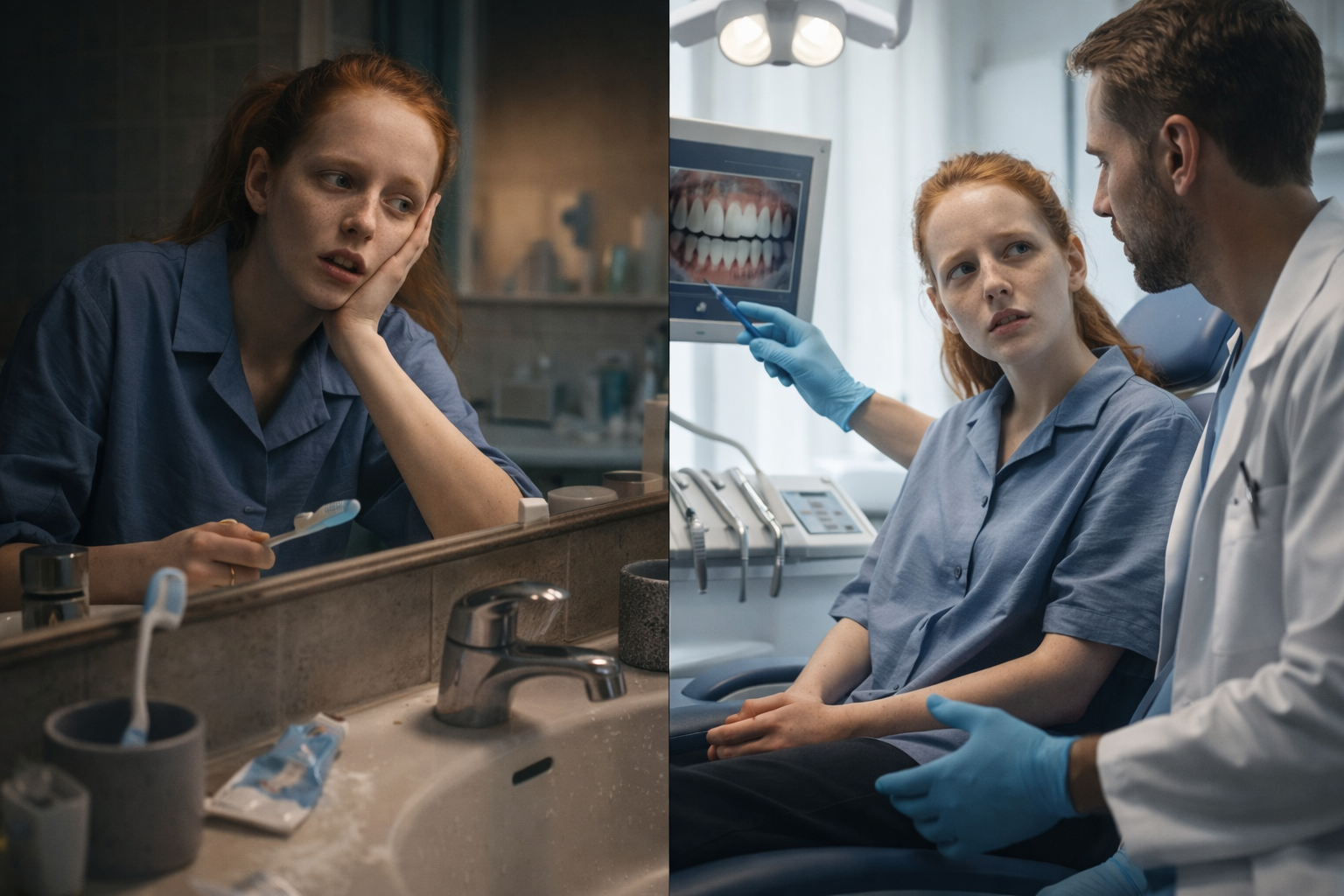
It wasn’t dramatic at first—just a slight sensitivity when drinking cold water. I ignored it, assuming it would go away. Weeks passed, and the discomfort slowly turned into pain. Still, I postponed seeing a dentist. Life felt busy, and honestly, I didn’t think something so small could turn into something serious.
But it did.
When I finally sat in that dental chair, staring up at the bright overhead light, I realized how much I had underestimated oral hygiene. The dentist explained that what started as a minor issue had developed into a deeper problem because it had been neglected for too long. That moment stuck with me—not because of fear, but because of the realization that something so preventable had been allowed to grow into something complicated.
That experience changed how I see oral hygiene—not just as a routine, but as a form of self-respect and long-term care.
It’s Not Just About Your Teeth
When people think about oral hygiene, they often focus only on having white teeth or fresh breath. While those are nice benefits, they’re only the surface.
Your mouth is actually a gateway to the rest of your body. What happens there doesn’t stay there.
Poor oral hygiene can lead to gum disease, infections, and inflammation. And these aren’t isolated issues. Studies have shown links between oral health and overall health conditions, including heart problems and other systemic concerns. It’s not about fear—it’s about awareness. Your mouth reflects what’s going on inside your body more than you might expect.
Once I understood that, brushing my teeth stopped feeling like a chore. It became something more intentional, something that connected to my overall well-being.
The Small Habits That Shape Big Outcomes
What surprised me most was how small habits—things that take just a few minutes a day—can have such a long-term impact.
Think about it: brushing properly takes about two minutes. Flossing might take another two. That’s less than five minutes out of an entire day.
And yet, skipping those few minutes repeatedly can lead to hours spent in a dental clinic later, not to mention discomfort, costs, and stress.
I started paying more attention to how I brushed. Instead of rushing, I slowed down. I noticed areas I used to ignore. I started flossing more consistently—not perfectly, but more often than before. And over time, those small changes made a noticeable difference.
My teeth felt cleaner, my gums healthier, and oddly enough, I felt more in control of my own health.
Confidence Begins With the Smallest Details
There’s also something else that people don’t talk about enough—confidence.
Oral hygiene plays a quiet but powerful role in how you present yourself to the world. When you know your breath is fresh and your smile is clean, you carry yourself differently. You speak more freely, laugh more openly, and worry less about how others perceive you.
I remember moments in the past when I hesitated to speak too closely to someone or felt self-conscious during conversations. Those small insecurities can add up, affecting how you interact with others.
Taking care of your oral hygiene doesn’t just protect your health—it removes one more barrier between you and your confidence.
The Ripple Effect of Neglect
Neglecting oral hygiene doesn’t usually cause immediate problems, and that’s exactly why it’s easy to ignore.
The effects build slowly.
A missed night of brushing might not seem like a big deal. Skipping floss for a week might feel harmless. But over time, those small lapses accumulate. Plaque builds up, gums become irritated, and issues begin to form beneath the surface.
By the time you notice something is wrong, it’s often more advanced than you expected.
That’s what happened to me. And I realized that prevention is always easier—and far less painful—than treatment.
Changing the Way You Think About It
One of the biggest shifts for me was changing how I thought about oral hygiene.
Instead of seeing it as an obligation, I started seeing it as an investment.
An investment in my health.
An investment in my confidence.
An investment in avoiding unnecessary problems in the future.
That shift made it easier to stay consistent. Because when something feels meaningful, you’re more likely to stick with it.
It’s Not About Perfection
Here’s the truth: you don’t have to be perfect.
There will be days when you’re tired and don’t brush as thoroughly as you should. There will be times when you forget to floss or delay a dental check-up.
What matters is consistency over time.
Improving your oral hygiene doesn’t require a complete lifestyle overhaul. It starts with small, manageable steps:
- Brushing a little more carefully
- Flossing a little more often
- Paying attention to changes in your mouth
- Not ignoring discomfort when it appears
These small actions, repeated daily, create a strong foundation for long-term health.
A Lesson That Stays With You
Looking back, I’m almost grateful for that dental scare—not because it was pleasant, but because it taught me something important.
It reminded me that the smallest parts of our routine often have the biggest impact.
Oral hygiene isn’t just about teeth. It’s about discipline, awareness, and taking responsibility for your own well-being in ways that might seem insignificant at first.
And once you start seeing it that way, it stops being “just brushing your teeth.”
It becomes something more.
Final Thoughts
If there’s one thing I’ve learned, it’s this: don’t wait for a problem to take your oral hygiene seriously.
By the time something hurts, the issue has already been there for a while.
Instead, treat your daily routine as a form of quiet care—a simple act that protects you in ways you might not immediately see.
Because sometimes, the things we overlook the most are the ones that matter the most.
And oral hygiene is definitely one of them.