
I still remember the first time I walked into a dental clinic that truly felt different. It wasn’t the scent of antiseptic or the polished white tiles that caught my attention—it was something far less tangible. It was the way the receptionist looked up, smiled warmly, and greeted me by name before I even said a word. It was the calm, unhurried tone in her voice, as if I wasn’t just another appointment squeezed into a busy day, but someone whose presence actually mattered.
That moment stayed with me. And as I reflected on it later, I realized that what I had experienced wasn’t just good customer service—it was a carefully designed patient journey.
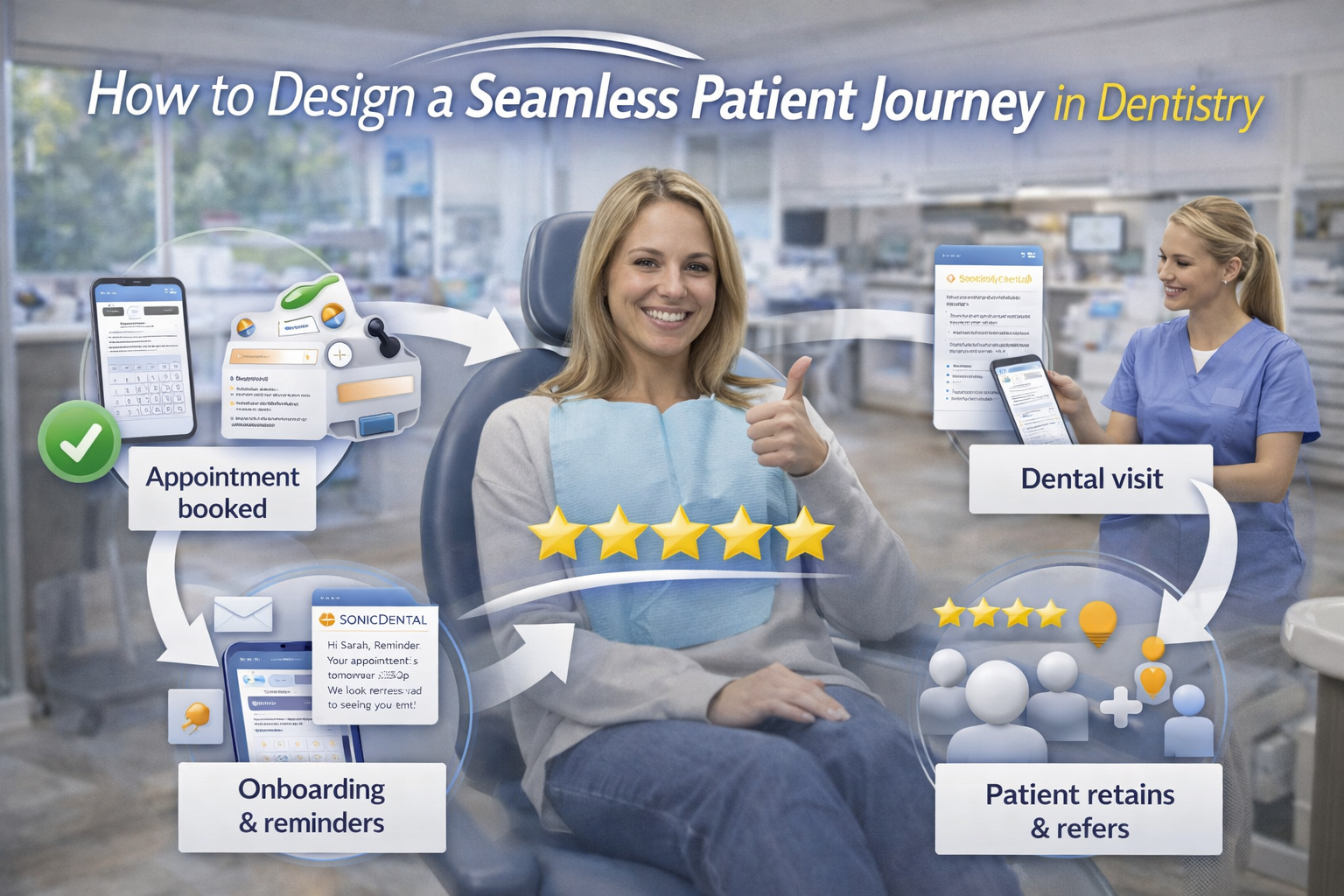
Designing a seamless patient journey in dentistry isn’t about a single touchpoint. It’s about the entire story a patient lives through, from the moment they think about booking an appointment to long after they leave the clinic. It’s a journey made up of small, intentional details that, when connected, create something powerful: trust.
The Journey Begins Before the Patient Arrives
Most dental practices make a common mistake—they believe the patient journey begins when someone walks through the door. But in reality, it starts much earlier.
It begins with a late-night Google search: “dentist near me”. It continues as the patient scrolls through reviews, browses the website, and tries to get a sense of whether this place feels safe, professional, and trustworthy.
I once spoke to a patient who admitted she spent nearly two hours comparing clinics before choosing one. Not because of price, but because of how the website made her feel. “It felt human,” she said. “Not clinical. Not cold.”
That’s the first lesson: your digital presence is the first chapter of your patient’s story.
A seamless journey starts with a website that is easy to navigate, mobile-friendly, and written in language people actually understand. Not overly technical, not intimidating—just clear, reassuring, and honest. Online booking should be simple, quick, and frictionless. Every extra step is a chance for doubt to creep in.
The Power of First Impressions
When the patient finally walks into the clinic, they carry expectations shaped by everything they’ve already experienced.
This is where many practices either reinforce trust—or quietly lose it.
The waiting room doesn’t need to be luxurious, but it should feel intentional. Comfortable seating, soft lighting, and a sense of cleanliness that doesn’t feel sterile. Even small things—like offering water, playing calming music, or having natural light—can shift the emotional tone.
But more than anything, it’s the people who define this moment.
A rushed greeting, a distracted glance, or a robotic “please fill this out” can undo all the trust built earlier. On the other hand, a genuine smile, eye contact, and a simple acknowledgment—“We’re glad you’re here”—can immediately put a patient at ease.
I’ve noticed that the best clinics don’t just manage patients; they welcome them.
Reducing Anxiety Through Communication
Let’s be honest: most people don’t look forward to dental visits. Anxiety is part of the experience, whether it’s mild discomfort or deep-seated fear.
A seamless patient journey doesn’t ignore this—it actively addresses it.
One dentist I met had a simple habit. Before starting any procedure, he would pause and explain exactly what he was about to do, how long it would take, and what the patient might feel. Not in a rushed, technical way—but in a calm, conversational tone.
“I just want you to feel in control,” he once told a patient.
That single sentence changed everything.
Patients don’t expect perfection. They expect transparency. When they understand what’s happening, their fear often softens into trust.
Even small communication habits matter:
- Checking in during procedures (“Are you doing okay?”)
- Explaining delays instead of ignoring them
- Using simple, non-technical language
These moments build a sense of partnership rather than hierarchy.
The Role of Consistency
One of the most overlooked aspects of a seamless journey is consistency.
It’s easy to create one great moment. It’s much harder to ensure that every interaction feels equally thoughtful.
A patient might have an amazing first visit—but if their follow-up appointment feels rushed or disorganized, the experience becomes fragmented.
Consistency means aligning the entire team around a shared standard of care. From the front desk to the dental assistant to the dentist, everyone should contribute to the same feeling: calm, clarity, and respect.
I once visited a clinic where every staff member introduced themselves with the same phrase:
“Hi, I’m [Name], and I’ll be taking care of you today.”
It sounds simple, but it created a sense of continuity. No confusion, no awkwardness—just a smooth transition from one step to the next.
Technology as a Silent Partner
Technology, when used well, becomes almost invisible—and that’s exactly the goal.
Automated appointment reminders reduce no-shows. Digital forms save time and eliminate repetitive paperwork. Clear treatment plans with visual aids help patients understand their options.
But here’s the key: technology should never replace human connection. It should support it.
I’ve seen clinics make the mistake of over-automating everything—reminders, follow-ups, even responses to patient concerns. The result? Efficiency, yes—but at the cost of warmth.
A seamless journey finds the balance. Use technology to remove friction, but keep the human touch where it matters most.
Ending the Visit on the Right Note
The final moments of a visit are often the most memorable.
This is where the patient decides, consciously or not, how they feel about the entire experience.
A rushed checkout, unclear instructions, or a lack of follow-up can leave a lingering sense of dissatisfaction—even if the treatment itself was excellent.
On the other hand, a thoughtful closing can elevate everything.
Clear aftercare instructions, a summary of what was done, and a genuine “Take care, and we’ll see you soon” can create a sense of closure and continuity.
Some clinics go a step further by sending a follow-up message later that day:
“Just checking in—how are you feeling after your visit?”
It’s a small gesture, but it speaks volumes.
The Journey Doesn’t End When They Leave
One of the biggest misconceptions in dentistry is that the journey ends when the patient walks out the door.
In reality, that’s just the beginning of the relationship.
Patients remember how they felt long after the procedure. They remember whether they felt heard, respected, and cared for.
A seamless patient journey includes thoughtful follow-ups, appointment reminders that feel personal rather than automated, and occasional check-ins that aren’t tied to billing or treatment.
It’s about staying present without being intrusive.
Building Trust Over Time
Trust isn’t built in a single visit—it’s built over time, through consistency, empathy, and attention to detail.
Every interaction adds a small piece to the larger picture.
I’ve come to believe that the best dental practices don’t just focus on teeth. They focus on people. On emotions. On experiences.
Because at the end of the day, patients may not remember every detail of their treatment—but they will always remember how they felt.
A Final Thought
Designing a seamless patient journey in dentistry isn’t about perfection. It’s about intention.
It’s about asking, at every step:
What does the patient need to feel right now?
Sometimes the answer is clarity.
Sometimes it’s reassurance.
Sometimes it’s simply being seen and heard.
And when all of those moments come together, something remarkable happens.
The dental visit stops feeling like an obligation—and starts feeling like care.
Not just clinical care, but human care.
And that, more than anything else, is what patients carry with them long after they leave.