How a Sonic Toothbrush Saves Time (And Somehow Gives You More of It Back)
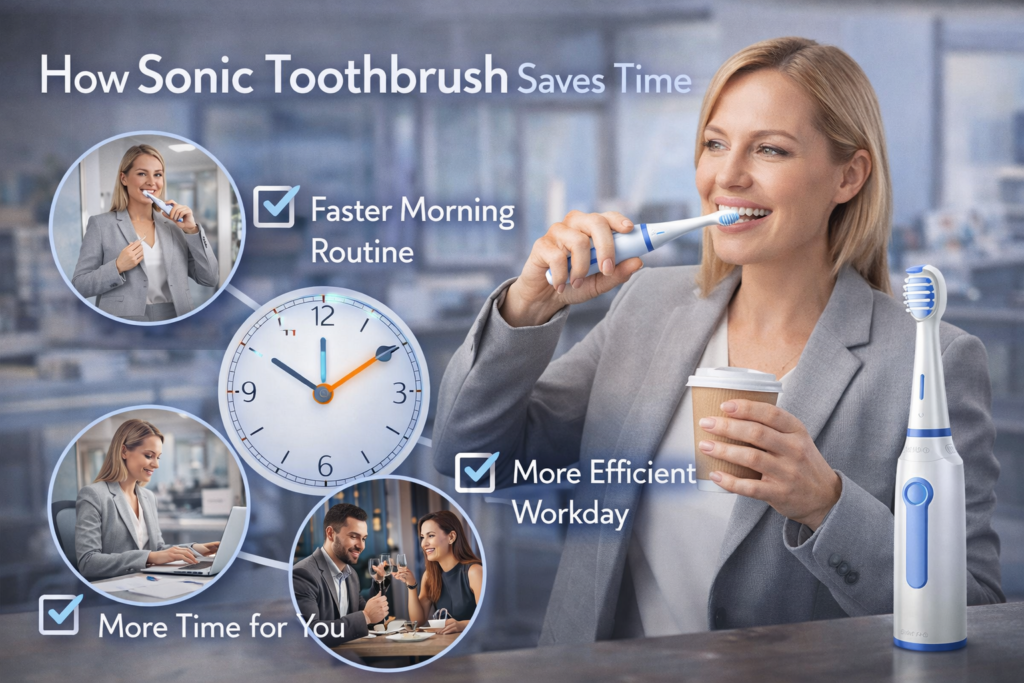
I didn’t realize how much time I was wasting on brushing my teeth until the morning everything felt rushed in a way that wasn’t just about being late—it felt like I was constantly chasing the day before it even started.
It was one of those mornings. My alarm had gone off three times before I actually got out of bed. My phone was already buzzing with notifications, and I hadn’t even stepped into the shower yet. I remember standing in front of the sink, toothbrush in hand, half-awake, going through the same motions I had done for years—brush, rinse, rush, done. Or at least, I thought I was done.
But something felt off. Not just that morning, but over time. My dental checkups were getting longer. My dentist kept pointing out areas I was missing. “You need to brush more thoroughly,” she would say, gently but firmly, like someone who had said it a hundred times before. And every time, I nodded, thinking: I do brush. Every day. Twice a day.
But brushing isn’t just about doing it. It’s about how you do it—and more importantly, how much attention you give it.
That’s where the idea of switching to a sonic toothbrush first came in. At first, I dismissed it. It sounded like one of those “nice to have” gadgets—something you buy when you want to upgrade your routine, not something you actually need. I figured a toothbrush was a toothbrush. As long as it had bristles and toothpaste, it should do the job.
I was wrong.
The First Morning Felt… Different
The first time I used a sonic toothbrush, it didn’t feel like brushing in the traditional sense. It hummed softly in my hand, and when I placed it against my teeth, it almost felt like it was doing the work for me.
Instead of the aggressive back-and-forth motion I was used to, I found myself simply guiding it—moving it slowly from tooth to tooth. The vibrations were fast, almost invisible, but you could feel the difference immediately. It was like the toothbrush had a rhythm, and all I had to do was follow along.
What surprised me most wasn’t how clean my teeth felt afterward—though they did feel cleaner than usual. What surprised me was how structured the experience was.
There was a built-in timer.
At first, I thought, Do I really need a timer to brush my teeth? But then I realized something slightly uncomfortable: I had never actually brushed for a full two minutes consistently. Sometimes it was a minute. Sometimes less. Sometimes I’d get distracted and stop halfway through.
The sonic toothbrush didn’t let that happen.
Every 30 seconds, it would subtly pause, signaling me to move to another section of my mouth. It turned brushing into something almost automatic—but in a good way. I didn’t have to think about whether I was doing it “right.” I just followed the cues.
And just like that, something small but important changed.
Time Isn’t Just About Speed
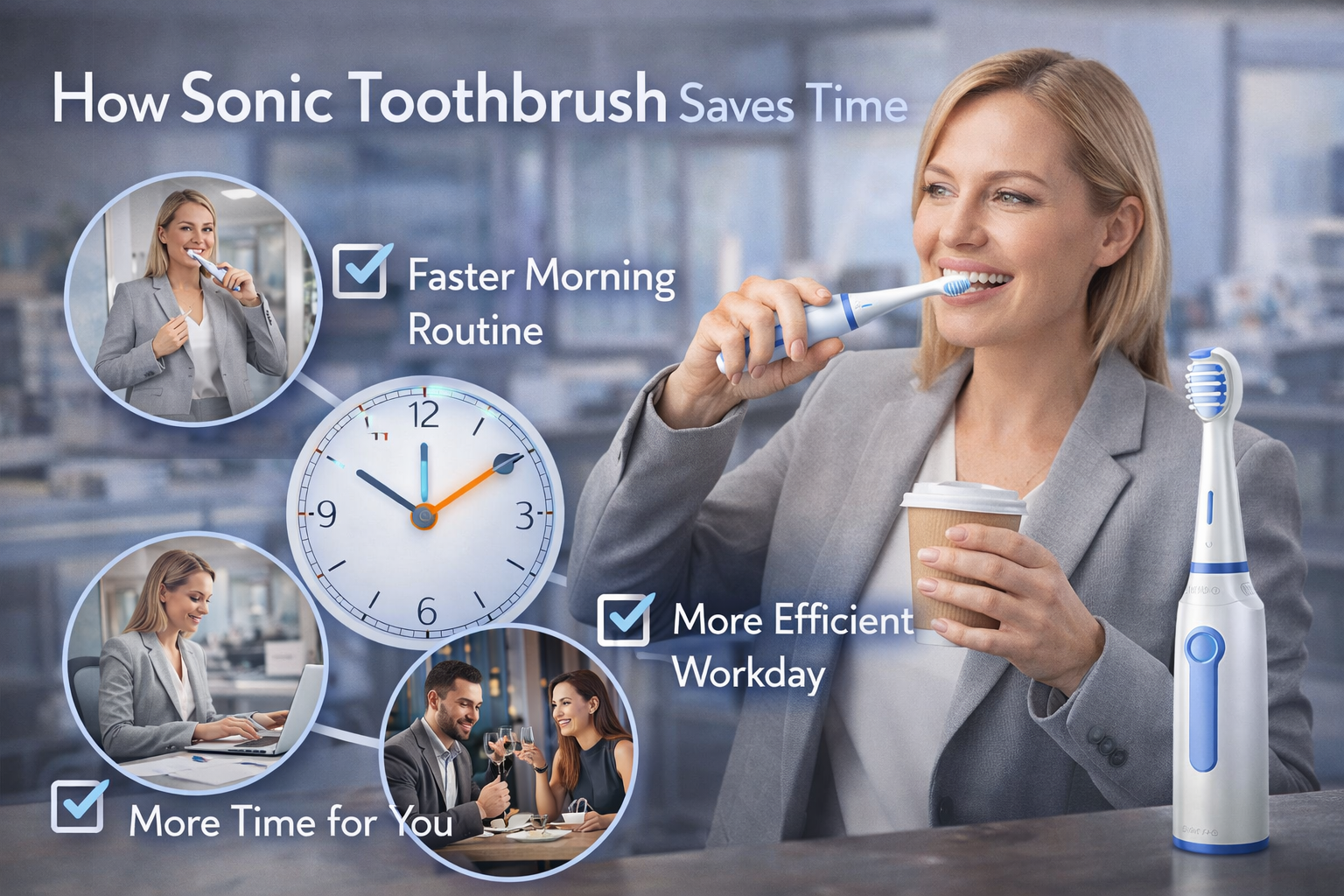
At first glance, using a sonic toothbrush doesn’t necessarily save time in the obvious sense. You’re still brushing for two minutes, just like dentists recommend.
But here’s where the shift happens: it saves you from wasted time.
Before, I would rush through brushing, thinking I was being efficient. But then I’d spend extra time at the dentist. Extra time worrying about my teeth. Extra time re-brushing certain areas because they didn’t feel clean enough.
That kind of time adds up in ways you don’t immediately notice.
With a sonic toothbrush, the process becomes more consistent. You’re not guessing. You’re not cutting corners without realizing it. You’re not redoing the same task later because it wasn’t done properly the first time.
It’s a bit like organizing your desk. You can throw everything into drawers quickly and call it “clean,” or you can take a little more time to organize it properly—and then not have to search for things later.
The sonic toothbrush is that second approach.
The Quiet Mental Shift
One thing I didn’t expect was how much mental space this small change would free up.
Mornings are often chaotic. You’re thinking about school, work, messages, deadlines, what to wear, what to eat—all at once. Brushing your teeth becomes just another task to rush through.
But with a sonic toothbrush, there’s a strange sense of calm.
Because it guides you, you don’t have to think as much. There’s no internal checklist of Did I brush long enough? Did I miss a spot? That mental noise disappears.
Instead, those two minutes become almost… quiet.
You’re just there, going through the motions, knowing that the job is being done properly.
It’s a small thing, but over time, it changes how your morning feels. It becomes less about rushing and more about starting your day with something done right.
Fewer Problems, Fewer Interruptions
Time isn’t just what you spend doing something—it’s also what you spend fixing things.
Dental problems don’t appear overnight. They build up slowly, often from small habits that seem harmless in the moment. Missing spots while brushing. Not brushing long enough. Being inconsistent.
And when those problems show up, they take time.
Appointments. Treatments. Recovery. Even just the inconvenience of dealing with discomfort—it all adds up.
Using a sonic toothbrush doesn’t magically prevent every issue, but it reduces the chances of those small mistakes turning into bigger problems. It makes consistency easier, and consistency is what really matters over time.
In a way, it’s not just saving you minutes each day—it’s saving you hours, even days, in the long run.
It Becomes Part of Your Routine Without Effort
The interesting thing about habits is that the easier they are, the more likely you are to stick with them.
A manual toothbrush relies entirely on your effort. If you’re tired, distracted, or in a hurry, the quality of your brushing drops. It’s not intentional—it just happens.
A sonic toothbrush reduces that gap.
Even on days when you’re not fully focused, it still does a large part of the work for you. It keeps you on track, even when your energy is low.
And over time, that consistency builds into something powerful: a routine that doesn’t require willpower.
You just do it.
A Small Change That Feels Bigger Over Time
If you had asked me before, I would have said switching toothbrushes wouldn’t make much difference. It seemed like a small upgrade, something optional.
But looking back now, it feels like one of those changes that quietly improves multiple parts of your life at once.
It makes your mornings smoother.
It reduces small daily uncertainties.
It helps prevent bigger problems later.
And perhaps most importantly, it changes how you think about time—not as something you constantly run out of, but as something you can manage better by doing things properly the first time.
The Unexpected Lesson
In the end, the biggest thing a sonic toothbrush taught me wasn’t about dental care. It was about how small tools can shape your habits in ways you don’t immediately notice.
We often think saving time means doing things faster.
But sometimes, saving time means slowing down just enough to do something right—so you don’t have to do it again.
And oddly enough, it all started with something as simple as brushing my teeth.