I didn’t always have a “routine.” In fact, for a long time, brushing my teeth felt like one of those things you do because someone told you to, not because you truly understood why it mattered. It was quick, careless, and often skipped when I felt too tired. Flossing? That was something I promised myself I would start “tomorrow.” Tomorrow, of course, kept moving.
It wasn’t until a routine dental checkup—one of those appointments you reluctantly attend—that things began to change. The dentist didn’t lecture me. Instead, she showed me something simple: a mirror and a bit of patience. “Your teeth tell a story,” she said. “And right now, they’re asking for a little more care.”
That moment stayed with me. Not because it was dramatic, but because it was honest. From then on, building a dental routine stopped feeling like a chore and started feeling like a quiet form of self-respect.
Starting Small: The First Step That Actually Sticks
If there’s one thing I learned early on, it’s this: the simpler the routine, the more likely it is to last.
At first, I tried to do everything perfectly—brush for exactly two minutes, floss every night, use mouthwash twice a day, cut sugar completely. It lasted about three days. Then life got busy, and I slipped right back into old habits.
So I started again, but differently.
Instead of aiming for perfection, I focused on consistency. Just brushing twice a day—morning and night. That was it. No pressure to be flawless, just a commitment to show up.
And something surprising happened: once brushing became automatic, adding other habits didn’t feel overwhelming anymore.
The Morning Routine: A Fresh Start
Mornings used to be rushed. I would brush quickly, sometimes even while thinking about everything I had to do that day. But over time, I began to treat it as a moment to wake up slowly.
Now, my morning routine looks something like this:
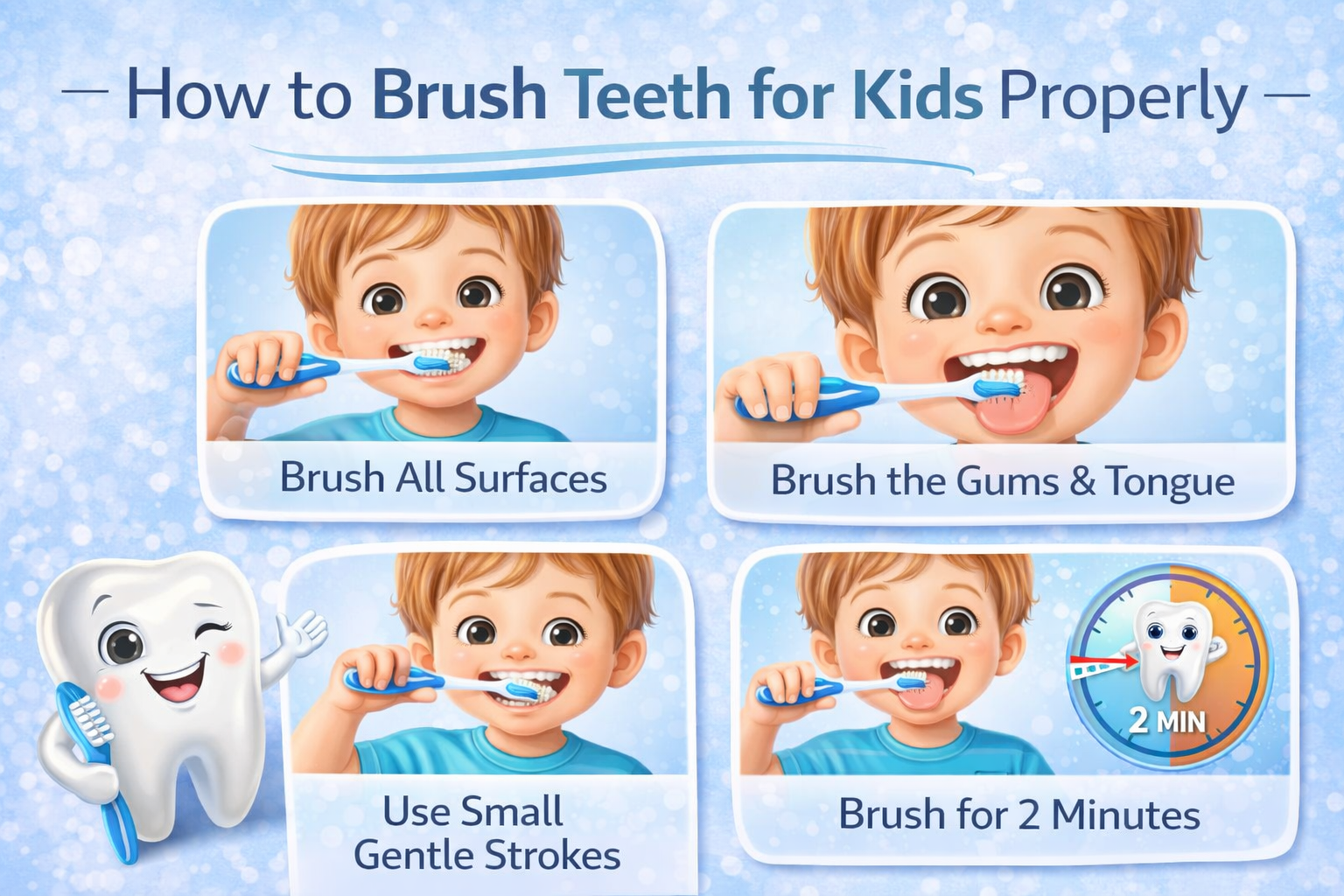
- I start by brushing my teeth for about two minutes. Not hurried, not distracted.
- I pay attention to each section—front, back, chewing surfaces—almost like I’m checking in with myself.
- Sometimes, I finish with a quick rinse or mouthwash, especially if I know I’ll be out for a while.
It’s a small ritual, but it sets the tone for the day. Clean teeth, fresh breath, and a subtle feeling that I’ve already done something good for myself.
The Night Routine: Where the Real Work Happens
If the morning routine is about starting fresh, the night routine is about repair.
This was the hardest habit for me to build. After a long day, all I wanted was to go to bed. But I realized something important: everything I ate throughout the day didn’t just disappear. It stayed, quietly affecting my teeth.
So I made a deal with myself—no matter how tired I felt, I would at least brush before bed.
Eventually, brushing wasn’t enough. I added flossing.
At first, flossing felt awkward and unnecessary. It took time, and I wasn’t even sure if I was doing it right. But after a few days, I started to notice something: my mouth felt cleaner in a way brushing alone couldn’t achieve.
Now, flossing has become a non-negotiable part of my night routine. It’s not about perfection—it’s about giving attention to the spaces that are easy to ignore.
Understanding the “Why” Behind Each Step
One of the biggest shifts in my routine came when I stopped blindly following instructions and started understanding why each step mattered.
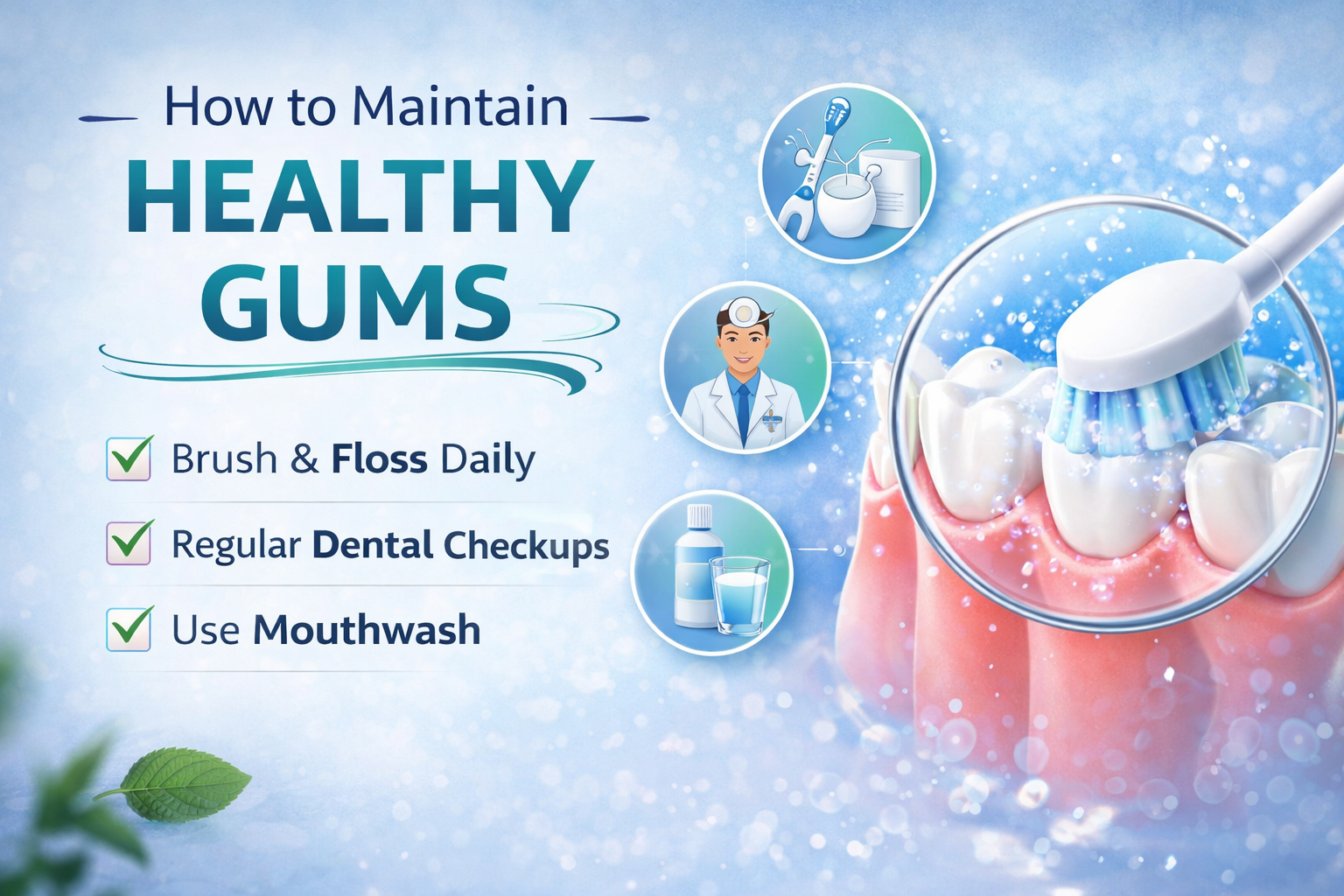
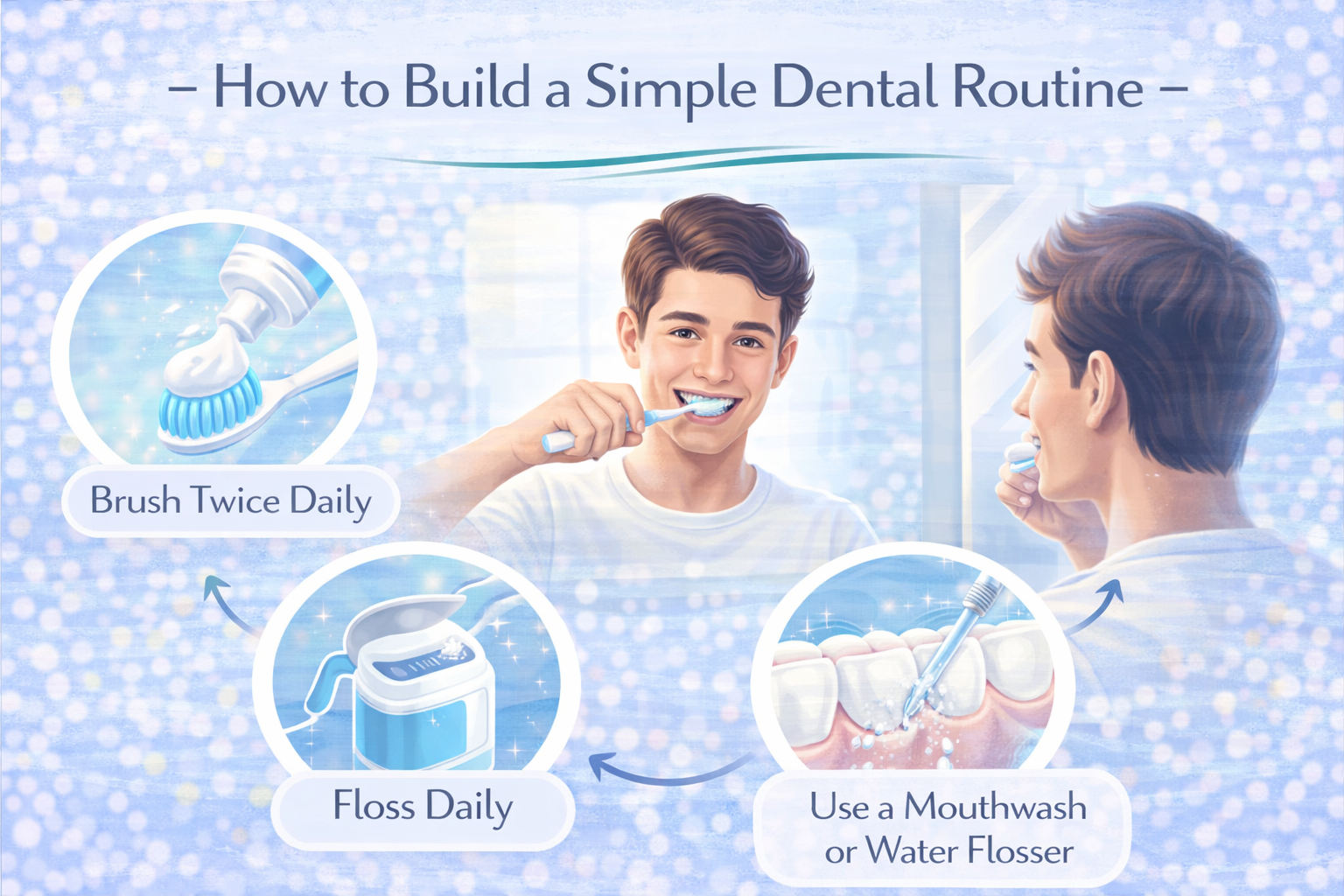
- Brushing removes plaque and food particles from the surfaces of your teeth.
- Flossing reaches the areas between teeth where a toothbrush can’t go.
- Mouthwash can help reduce bacteria and leave your mouth feeling fresh.
When you understand the purpose behind each step, it no longer feels like a list of tasks. It feels like a system that works together.
And that makes it easier to stay consistent.
Mistakes I Made (So You Don’t Have To)
Looking back, I made plenty of mistakes while trying to build my routine.
I brushed too hard, thinking it would clean better. It didn’t—it just irritated my gums.
I skipped flossing because I thought brushing was enough. It wasn’t.
I ignored early signs of discomfort, assuming they would go away on their own. They didn’t.
But each mistake taught me something valuable: taking care of your teeth isn’t about doing more—it’s about doing things correctly and consistently.
Making It Personal
A routine shouldn’t feel like a strict rulebook. It should fit your life.
For example, I realized I prefer brushing my teeth right after waking up rather than after breakfast. Some people do the opposite, and that’s okay.
I also found a toothbrush and toothpaste that I actually like. It sounds small, but it makes a difference. When something feels comfortable, you’re more likely to stick with it.
Even floss comes in different types—waxed, unwaxed, floss picks. Finding the one that works for you can turn an annoying task into something manageable.
The Role of Diet (Without Overcomplicating It)
At one point, I thought I needed to completely change my diet to protect my teeth. No sugar, no snacks, no fun. That approach didn’t last long.
Instead, I learned to be mindful rather than restrictive.
- Drinking water after meals helps wash away food particles.
- Limiting sugary snacks—especially before bed—reduces the risk of cavities.
- Being aware of how often you snack can be just as important as what you eat.
It’s not about being perfect. It’s about making small choices that add up over time.
Regular Checkups: The Safety Net
Even with a solid routine, there are things you can’t see or fix on your own.
That’s where dental checkups come in.
I used to avoid them, mostly out of fear that I’d done something wrong. But over time, I realized they’re not about judgment—they’re about support.
A dentist can catch small issues before they become bigger problems. And sometimes, just knowing you have an appointment coming up is enough motivation to stay consistent with your routine.
The Quiet Confidence of Consistency
What surprised me most about building a dental routine wasn’t the physical results—though those matter—but the mental shift.
There’s a certain kind of confidence that comes from knowing you’re taking care of yourself, even in small ways.
It’s not loud or dramatic. It doesn’t show up in big moments. It’s quiet, steady, and easy to overlook.
But it’s there.
Every time you brush your teeth before bed, even when you’re tired.
Every time you choose to floss instead of skipping it.
Every time you show up for yourself in a small, consistent way.
If You’re Just Starting
If you’re reading this and thinking about building your own routine, start simple.
Don’t aim for perfect.
Don’t try to change everything at once.
Just begin.
Brush your teeth tonight. That’s it.
Then do it again tomorrow.
And maybe, a few days later, add one more step.
Over time, those small actions will turn into something bigger—not just a routine, but a habit that feels natural, almost effortless.
Final Thoughts
A simple dental routine isn’t about strict rules or complicated systems. It’s about creating a rhythm that fits into your life.
It’s about understanding that small actions, repeated daily, can make a lasting difference.
And most importantly, it’s about recognizing that taking care of your teeth is, in its own quiet way, a form of taking care of yourself.
Because at the end of the day, it’s not just about having a healthy smile.
It’s about building a habit that reminds you—every single day—that you matter.