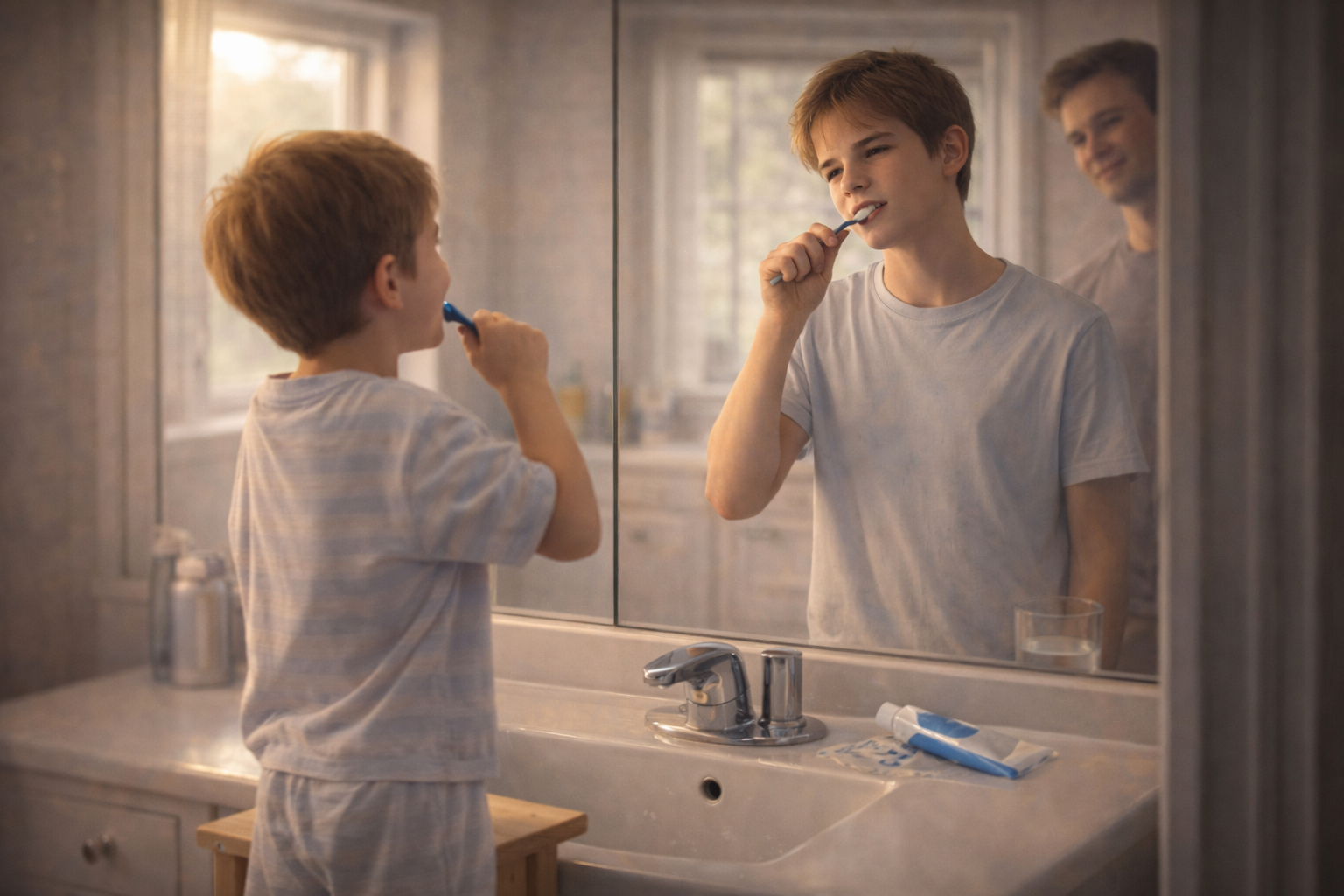
I still remember the first time I truly understood what “oral hygiene” meant. It wasn’t during a dentist visit or from a lecture at school—it was a quiet morning when I stood in front of the mirror, staring at my reflection, toothbrush in hand, wondering if I was doing enough. Like most people, I had grown up believing that brushing twice a day was the ultimate solution. Simple. Done. Checked off.
But as I got older, I realized oral hygiene isn’t just a routine—it’s a relationship you build with your own health. And like any meaningful relationship, it requires attention, the right tools, and a bit of curiosity.
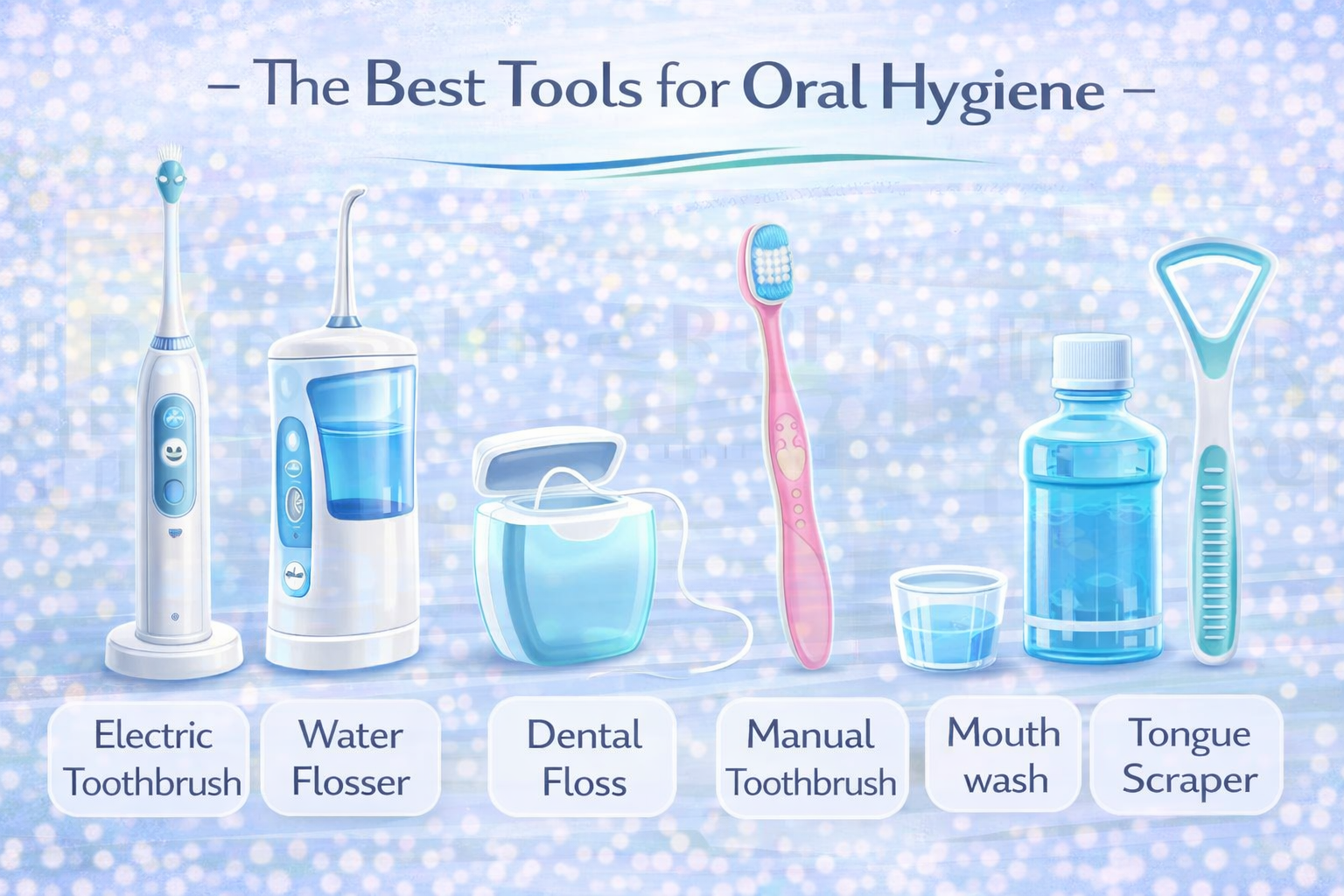
So let me walk you through the tools that changed the way I care for my teeth—not in a technical, overwhelming way, but as someone who learned step by step, mistake by mistake.
1. The Toothbrush: More Than Just Bristles
For years, I used whatever toothbrush was cheapest or easiest to grab at the store. Hard bristles? Sure. Fancy colors? Why not. I didn’t think it mattered.
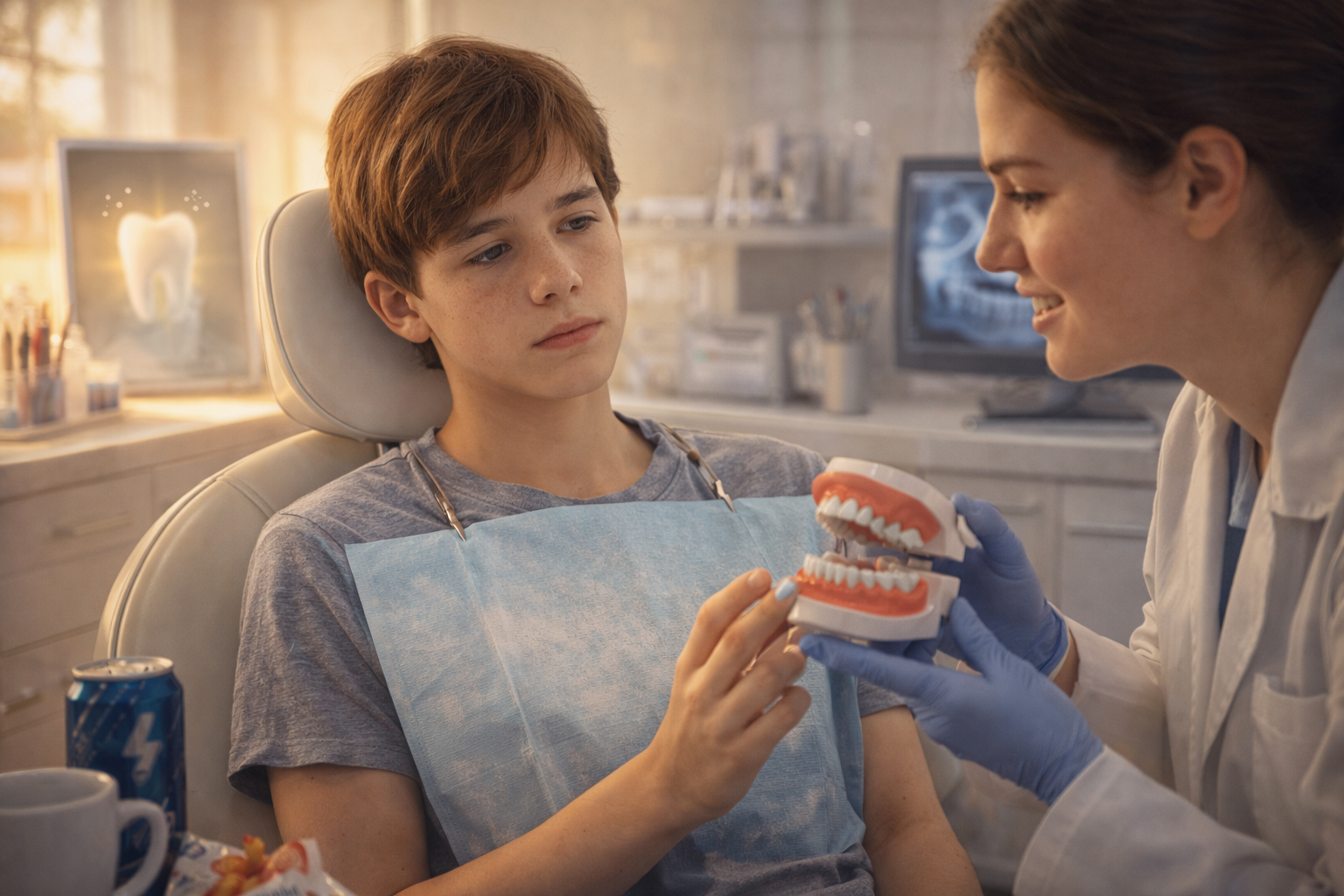
Until one dentist appointment changed that.
I was told that brushing harder doesn’t mean brushing better. In fact, I was damaging my gums. That’s when I switched to a soft-bristled toothbrush, and everything felt different. Gentler. More precise.
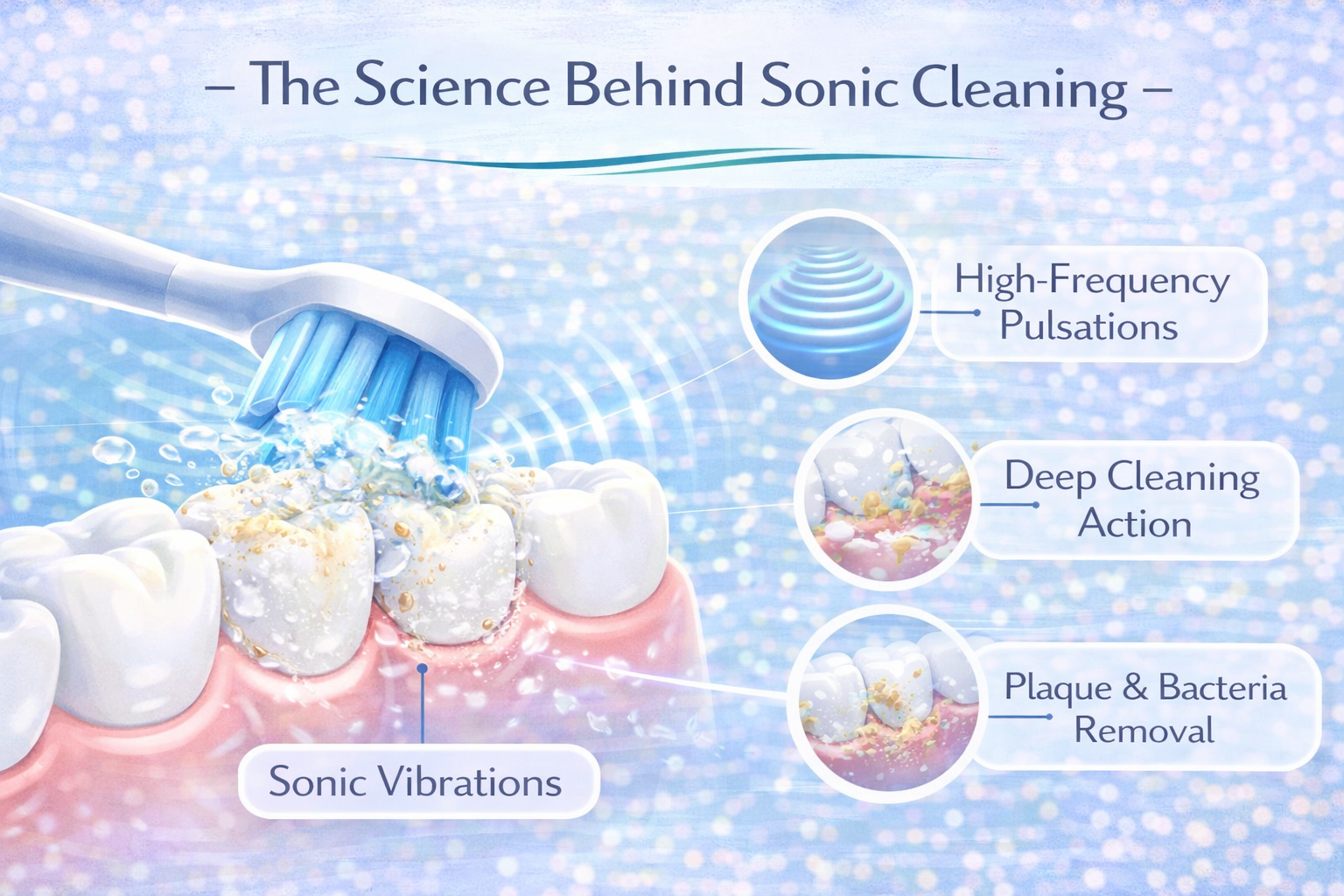
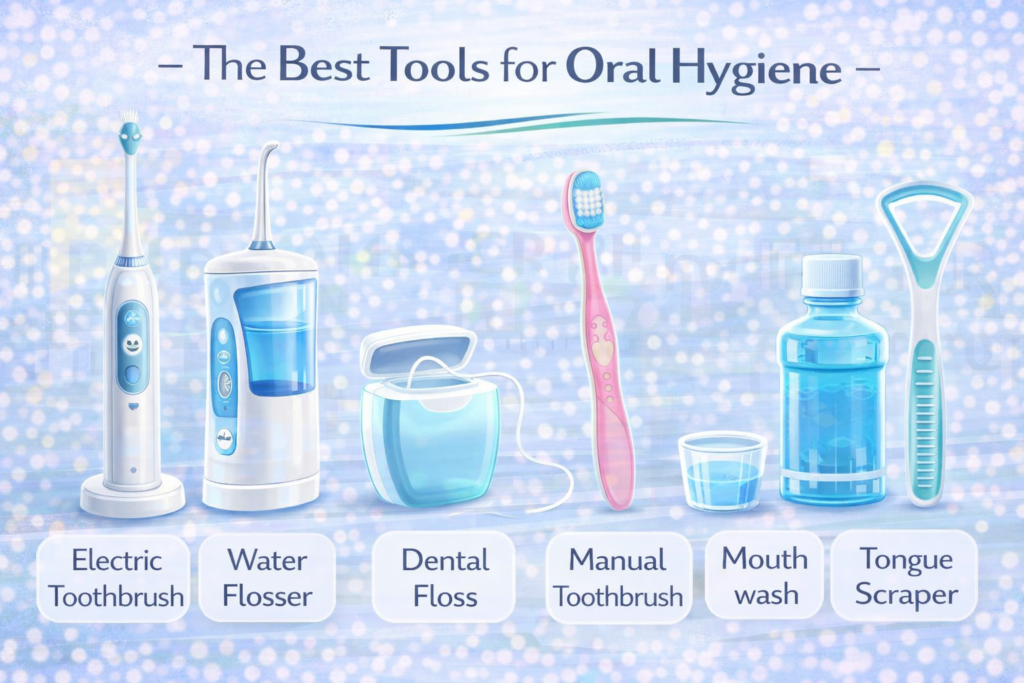
Then I tried an electric toothbrush, and honestly, it felt like upgrading from a bicycle to a car. The consistent motion, the built-in timers—it took the guesswork out of brushing. I didn’t have to wonder if I was doing it right anymore.
If there’s one thing I’ve learned, it’s this: the best toothbrush isn’t the most expensive one—it’s the one you’ll actually use properly, every single day.
2. Toothpaste: Not Just About Fresh Breath
I used to pick toothpaste based on flavor. Minty? Cool. Extra minty? Even better.
But toothpaste does more than make your mouth feel fresh. It protects your enamel, fights bacteria, and strengthens your teeth over time.
Fluoride toothpaste became my go-to after I learned how it helps prevent cavities. For a while, I experimented with whitening toothpaste too—but I learned not to rely on it too much. It’s helpful, but it’s not magic.
Now, choosing toothpaste feels less like grabbing candy and more like choosing something that genuinely supports my health.
3. Floss: The Tool I Avoided (and Regretted)
If I’m being honest, flossing was the habit I ignored the most.
It felt tedious. Time-consuming. Easy to skip.
But the truth is, brushing alone only cleans about 60% of your teeth surfaces. The rest? That’s where floss comes in.
The first time I committed to flossing daily, it felt awkward. My gums bled a little. I thought I was doing something wrong—but it turned out, my gums were just not used to proper care.
After a week or two, everything improved. My mouth felt cleaner in a way brushing alone never achieved.
Eventually, I discovered floss picks, which made the process quicker and more convenient—especially on busy days. Not perfect, but definitely better than skipping altogether.
4. Mouthwash: The Final Touch
Mouthwash used to feel optional to me—something you use when you want extra freshness before meeting people.
Now, I see it differently.
A good antibacterial mouthwash can reach areas that brushing and flossing might miss. It adds an extra layer of protection, especially before bed.
But I also learned not to overuse it. Too much of a strong formula can irritate your mouth or disrupt its natural balance.
So I treat mouthwash like the final step—not the main act.
5. Tongue Scraper: The Hidden Game-Changer
This was the tool I didn’t even know I needed.
No one really talks about cleaning your tongue, but it turns out that a lot of bacteria live there. When I first tried a tongue scraper, I was surprised at how much fresher my mouth felt afterward.
It’s such a simple tool—small, inexpensive, easy to use—but it made a noticeable difference. Now, it’s part of my daily routine, just like brushing.
Sometimes the smallest additions create the biggest changes.
6. Water Flosser: When Technology Helps
There was a time I thought water flossers were unnecessary gadgets.
Then I tried one.
A water flosser uses a stream of water to clean between your teeth and along your gumline. It felt strange at first—like using a mini pressure washer in my mouth—but it quickly became satisfying.
It’s especially helpful if traditional floss feels uncomfortable or difficult. While it doesn’t completely replace floss for everyone, it’s a great addition, especially for people with braces or sensitive gums.
For me, it turned something I used to avoid into something I actually enjoy.
7. Interdental Brushes: Small but Mighty
Another tool I discovered later was the interdental brush—tiny brushes designed to clean between teeth.
They’re especially useful if you have slightly larger gaps between your teeth or dental work like braces. At first glance, they look insignificant, but they can reach places regular brushes simply can’t.
Using them felt oddly satisfying, like finally cleaning corners you didn’t realize were dirty.
8. Regular Dental Visits: The Tool You Can’t Buy
This might not be something you can hold in your hand, but it’s just as important as any physical tool.
For a long time, I only went to the dentist when something felt wrong. Pain, sensitivity, discomfort—those were my signals.
But preventive care changed everything.
Regular check-ups help catch small problems before they become big ones. Professional cleanings remove buildup you can’t handle at home, no matter how good your routine is.
Think of it like maintaining something valuable—you don’t wait for it to break before taking care of it.
9. Building a Routine That Actually Sticks
The truth is, having the best tools doesn’t matter if you don’t use them consistently.
I used to think I needed a perfect routine—long, detailed, and strict. But that mindset made it harder to stick with.
What worked instead was simplicity:
- Brush twice a day
- Floss once a day
- Add mouthwash or a tongue scraper when possible
Over time, these small habits became automatic.
Oral hygiene stopped feeling like a chore and started feeling like self-care.
10. The Emotional Side of Oral Hygiene
This might sound unexpected, but taking care of your teeth isn’t just about health—it affects how you feel about yourself.
There’s a quiet confidence that comes from knowing your breath is fresh, your smile is clean, and you’re taking care of your body.
It’s not about perfection. It’s about consistency.
Some days you’ll forget. Some nights you’ll feel too tired. That’s okay.
What matters is coming back to the routine, again and again.
Final Thoughts
If I could go back and tell my younger self one thing, it would be this:
Oral hygiene isn’t about doing everything perfectly—it’s about doing the right things consistently.
The best tools aren’t just the ones dentists recommend—they’re the ones that fit into your life, your habits, and your pace.
Start simple. Stay consistent. Adjust as you learn.
Because in the end, a healthy smile isn’t built in a day—it’s built in small, everyday moments in front of a mirror, toothbrush in hand, choosing to take care of yourself.