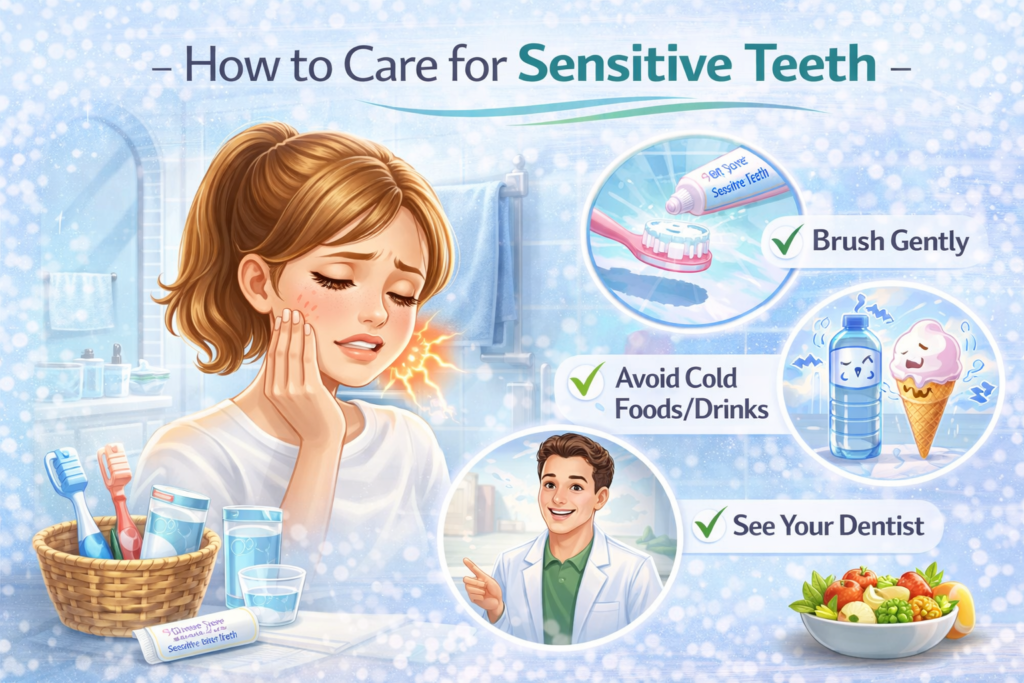
I still remember the first time I felt that sharp, sudden pain in my teeth. It happened on a hot afternoon when I took a sip of iced lemonade. What should have been refreshing turned into an uncomfortable shock that made me pause mid-sip. At first, I brushed it off, thinking it was just a one-time thing. But over the next few weeks, the same sensation kept coming back—whether I was eating ice cream, drinking hot tea, or even brushing my teeth.
That was when I realized I might be dealing with sensitive teeth.
If you’re reading this, chances are you’ve experienced something similar. Sensitive teeth can sneak into your daily life quietly, turning simple pleasures into uncomfortable moments. The good news is that it’s manageable, and with the right care, you can significantly reduce or even eliminate the discomfort.
Let me walk you through what I learned on my journey.
Understanding Tooth Sensitivity
Before I could fix the problem, I had to understand what was happening.
Teeth sensitivity usually occurs when the protective layer of your teeth—called enamel—gets worn down, or when your gums recede, exposing the softer layer underneath known as dentin. This layer contains tiny channels that lead directly to the nerve of the tooth. When something hot, cold, sweet, or acidic touches it, you feel that sharp, sudden pain.
In my case, I realized that years of brushing too hard and loving acidic drinks like soda and citrus juices had slowly taken a toll on my enamel.
Recognizing the Triggers
One of the first things I did was start paying attention to what triggered the sensitivity. It wasn’t just cold drinks. Hot coffee, sugary snacks, and even cold air on a windy day could set it off.
Here are some common triggers I noticed (and you might too):
- Cold foods and drinks (ice cream, iced water)
- Hot beverages (coffee, tea)
- Sweet or sugary foods
- Acidic items (citrus fruits, soda)
- Brushing or flossing
Keeping track of these triggers helped me adjust my habits more consciously.
Switching to the Right Toothpaste
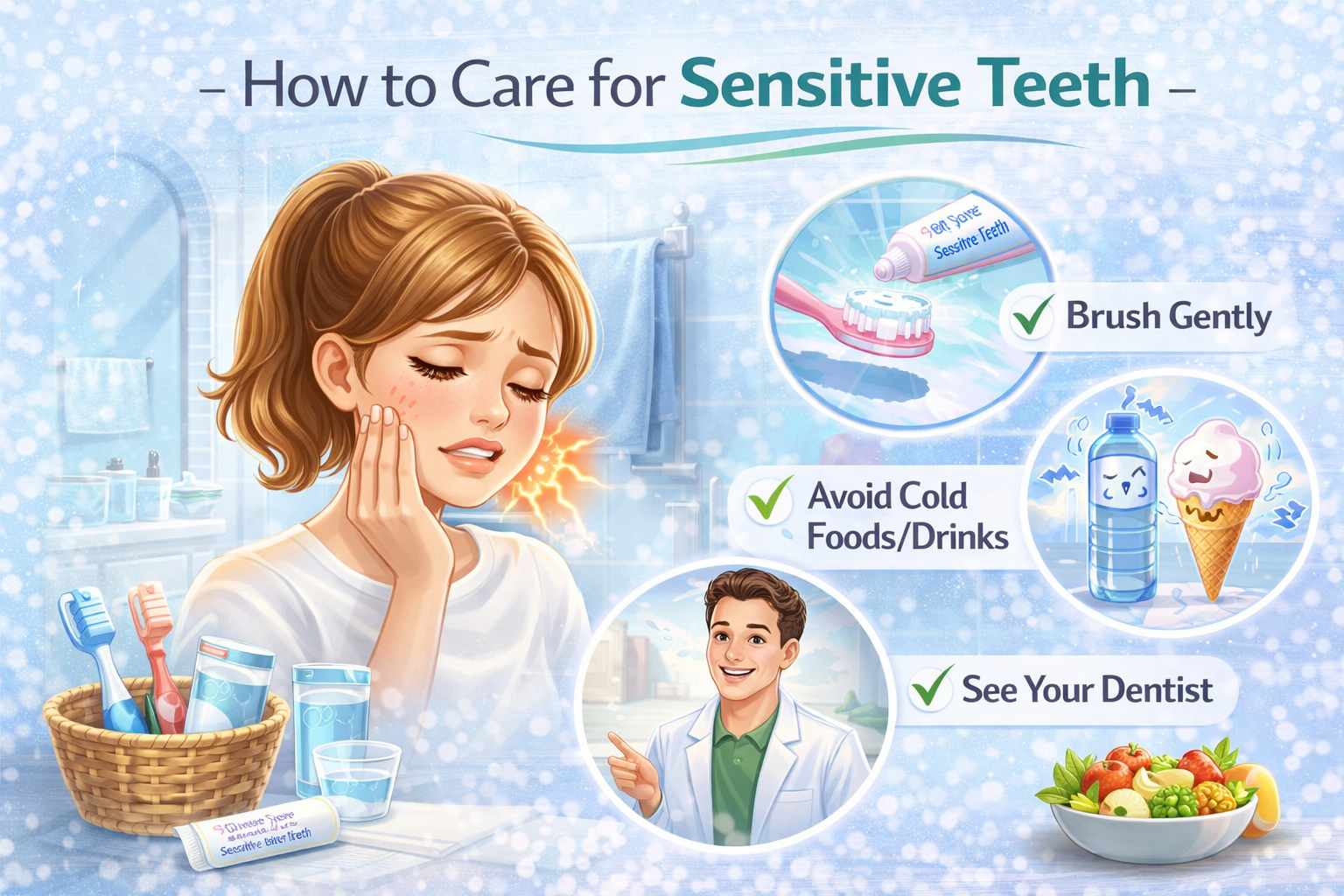
One of the easiest and most effective changes I made was switching to a toothpaste designed specifically for sensitive teeth.
At first, I was skeptical. Could toothpaste really make that much of a difference?
But after about two weeks of consistent use, I noticed something surprising—the sharp pain began to fade. Sensitive toothpaste works by blocking the pathways that lead to the nerves inside your teeth, reducing the sensation over time.
A small tip I learned from my dentist: don’t rinse your mouth immediately after brushing. Let a thin layer of toothpaste remain on your teeth for better protection.
Rethinking My Brushing Habits
This was a big one for me.
I used to think brushing harder meant cleaning better. Turns out, I was doing more harm than good. Brushing too aggressively can wear down enamel and irritate your gums, making sensitivity worse.
So I made a few changes:
- I switched to a soft-bristled toothbrush
- I started brushing gently in small, circular motions
- I made sure not to rush (at least two minutes each time)
It felt strange at first—like I wasn’t doing enough—but over time, my teeth felt cleaner and less irritated.
Being Mindful of What I Eat and Drink
I didn’t want to give up all the foods I loved, but I learned to be smarter about how I consumed them.
For example:
- I started using a straw when drinking cold or acidic beverages to minimize contact with my teeth
- I avoided brushing immediately after consuming acidic foods, since enamel is temporarily softened and more vulnerable
- I rinsed my mouth with water after meals to help neutralize acids
Small changes like these made a big difference without making me feel restricted.
Don’t Ignore Your Gums
At one point, I noticed my gums had slightly receded in certain areas. I hadn’t paid much attention to it before, but it turns out gum health plays a huge role in tooth sensitivity.
Healthy gums act as a protective barrier for your teeth. When they pull back, the roots of your teeth become exposed—and those areas are much more sensitive.
To take better care of my gums, I:
- Flossed daily (even when I didn’t feel like it)
- Used an antibacterial mouthwash occasionally
- Paid closer attention to any signs of redness or bleeding
Within a few weeks, my gums felt healthier, and the sensitivity reduced even more.
Visiting the Dentist (Even When You Don’t Want To)
I’ll be honest—going to the dentist wasn’t something I looked forward to. But when the sensitivity didn’t completely go away, I knew I had to get it checked.
That visit turned out to be one of the best decisions I made.
My dentist helped identify a couple of underlying issues I hadn’t noticed, including slight enamel wear and early signs of grinding my teeth at night. He recommended a fluoride treatment and suggested a night guard to protect my teeth while I slept.
Sometimes, sensitivity can be a sign of something more serious, like a cavity or a cracked tooth. So if the pain is persistent or severe, it’s definitely worth getting professional advice.
Patience Is Key
One thing I learned through this whole experience is that there’s no overnight fix for sensitive teeth.
It took time—weeks, even months—of consistent care before I noticed lasting improvement. There were moments when I felt frustrated, especially when the sensitivity came back unexpectedly.
But gradually, things got better.
Now, I can enjoy a scoop of ice cream or a warm cup of coffee without that sudden jolt of pain. And more importantly, I feel more in control of my dental health.
Final Thoughts
Caring for sensitive teeth isn’t just about avoiding discomfort—it’s about understanding your body and building better habits.
If you’re dealing with sensitivity right now, know that you’re not alone. It’s a common issue, and with the right approach, it’s manageable.
Start small:
- Choose the right toothpaste
- Be gentle with your brushing
- Pay attention to your diet
- Don’t skip dental checkups
Over time, these small actions add up.
And one day, you might find yourself sipping a cold drink on a hot afternoon—without hesitation, without pain—just enjoying the moment.