I didn’t always think much about brushing my teeth. When I was younger, it felt like one of those things adults repeated so often that it lost meaning—like “drink more water” or “go to bed early.” It was just another box to check before rushing out the door or collapsing into bed after a long day. If I brushed once, that seemed good enough. Twice? That felt excessive. Flossing? That sounded like something only dentists cared about.
But over time, something changed—not overnight, and not because of a dramatic moment, but through small, quiet realizations. The truth is, brushing your teeth isn’t just about your teeth. It’s about consistency, self-respect, and the kind of care you give yourself when no one is watching.
So, how often should you brush your teeth daily?
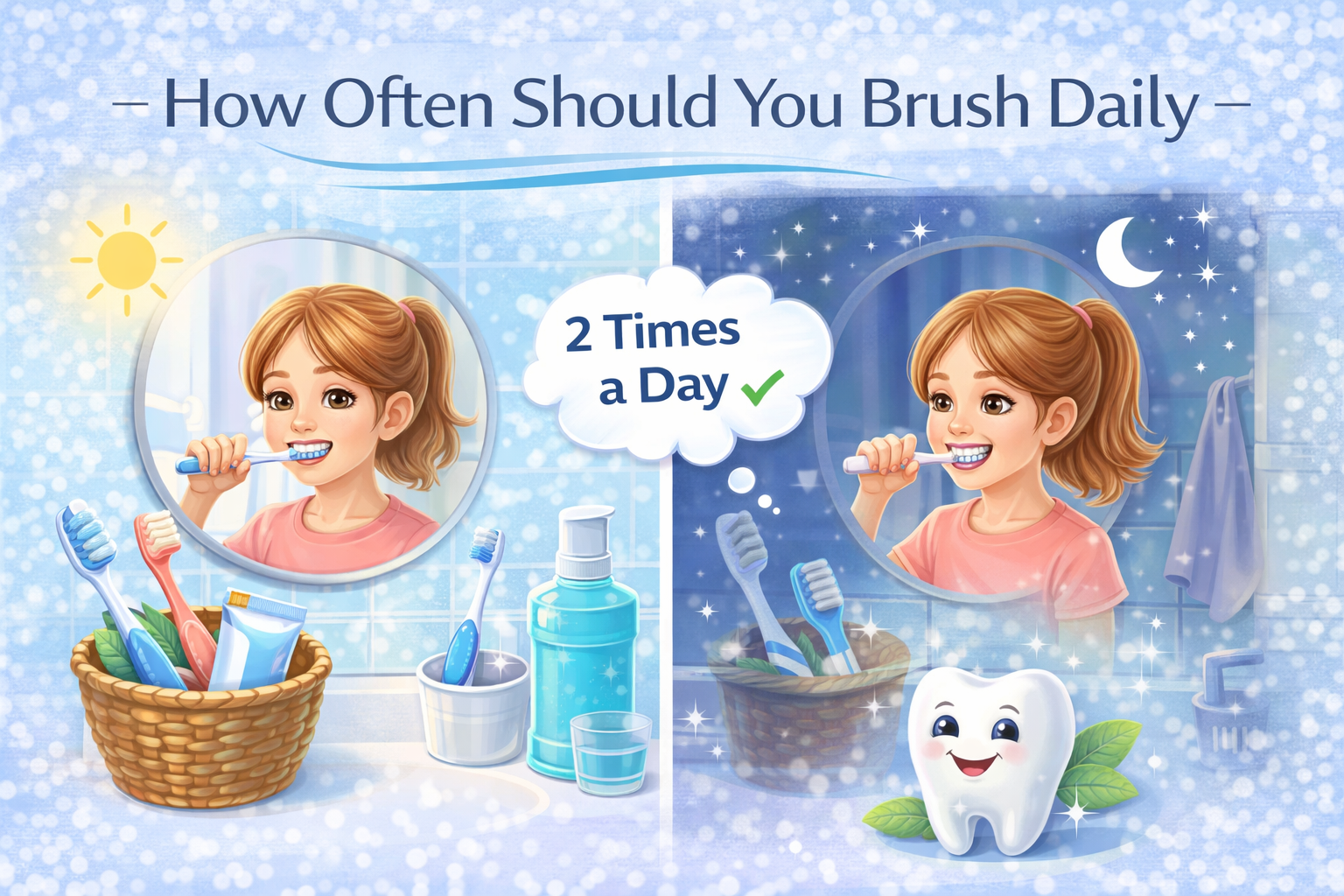
The short answer is simple: twice a day—once in the morning and once before bed. But the real story behind that answer is a little more interesting.
The Morning Brush: More Than Just Fresh Breath
There’s something oddly comforting about brushing your teeth in the morning. It’s one of the first signals that the day has begun. You’re standing there, still half-asleep, looking at your reflection, going through the motions.
At first glance, it might seem like brushing in the morning is just about fresh breath—and yes, that’s part of it. No one enjoys starting their day with that dry, stale feeling in their mouth. But it goes deeper than that.
While you sleep, your mouth becomes a kind of playground for bacteria. Saliva production decreases, and bacteria multiply. That “morning breath” isn’t just unpleasant—it’s a sign of that overnight buildup. Brushing in the morning helps remove that layer and gives your mouth a clean slate.
But there’s also something psychological about it. That first brush of the day feels like a reset button. It’s a small act of care that says, “I’m starting fresh today.” And sometimes, that matters more than we realize.
The Night Brush: The One You Should Never Skip
If there’s one brushing session that matters the most, it’s the one before bed.
At night, after a full day of eating, drinking, and talking, your mouth carries everything you’ve consumed. Food particles linger in tiny spaces between your teeth. Sugars and acids settle on the enamel. Bacteria thrive in that environment.
Skipping your nighttime brush is like leaving dirty dishes in the sink overnight—but worse, because your mouth doesn’t get a break. While you sleep, bacteria continue to feed on what’s left behind, producing acids that can slowly damage your teeth.
Brushing before bed clears away that buildup. It gives your teeth a chance to rest in a cleaner, healthier environment.
And yet, this is the brush people skip the most.
You’ve probably been there—lying in bed, already comfortable, telling yourself, “I’ll do it in the morning.” It feels like such a small thing to skip. Just one night.
But habits aren’t built on big decisions. They’re built on small ones. And the nighttime brush is one of those quiet choices that add up over time.
What Happens If You Only Brush Once?
A lot of people wonder if brushing once a day is enough. After all, if you’re brushing well, doesn’t that count?
The reality is, brushing once is better than not brushing at all—but it leaves gaps in your oral care.
If you only brush in the morning, you’re going through the entire day and night with food particles and bacteria sitting on your teeth. If you only brush at night, you’re starting your day without clearing away the overnight buildup.
In both cases, you’re missing half the picture.
Think of it like washing your face or taking a shower. Doing it once helps, but doing it consistently—at the right times—makes a real difference.
It’s Not Just About Frequency
Here’s something people don’t talk about enough: brushing twice a day only works if you’re doing it properly.
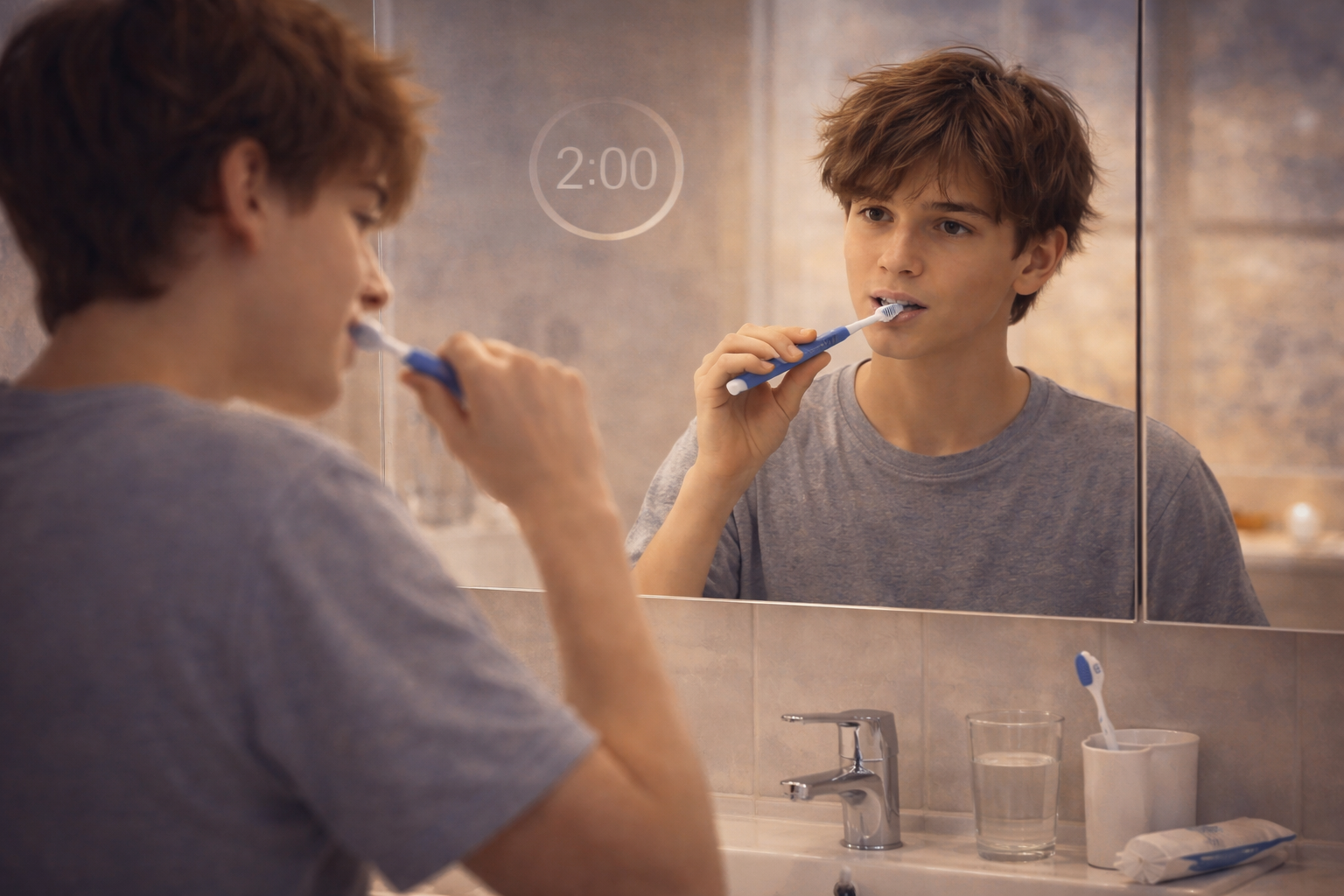
Rushing through it in 20 seconds doesn’t count as much as you think. Brushing should take about two minutes each time. That might not sound like a big deal, but when you’re tired or in a hurry, those two minutes can feel longer than they should.
Technique matters too. Gentle, circular motions are more effective than aggressive scrubbing. Brushing too hard can actually harm your gums and wear down enamel over time.
And then there’s the toothbrush itself. Using a worn-out brush with frayed bristles won’t do much good. Replacing your toothbrush every three to four months—or sooner if it looks worn—is part of the process.
These details might seem small, but they’re the difference between brushing as a habit and brushing as effective care.
The Role of Routine
One of the most interesting things about brushing your teeth is how tied it is to routine.
You don’t usually forget to brush because you don’t care. You forget because your routine is off. Maybe you woke up late. Maybe you stayed up too long. Maybe your day didn’t follow its usual pattern.
Brushing twice a day works best when it’s attached to something else—waking up and going to bed. These are anchors in your day. No matter how chaotic things get, those moments are usually still there.
And that’s what makes brushing such a powerful habit. It’s simple, repeatable, and easy to build into your life.
Beyond Teeth: What Brushing Really Teaches You
It might sound strange to say that brushing your teeth can teach you something about life, but it does.
It teaches consistency. You don’t brush once and expect perfect teeth forever. You do it every day, even when you don’t feel like it.
It teaches patience. Results don’t show up immediately, but they build over time.
And it teaches self-care—not the glamorous kind you see online, but the quiet, everyday kind. The kind that doesn’t get noticed but makes a real difference.
These lessons extend beyond the bathroom. They show up in how you study, how you work, how you take care of yourself in other areas.
Common Mistakes People Make
Even people who brush twice a day can fall into habits that reduce the effectiveness of their routine.
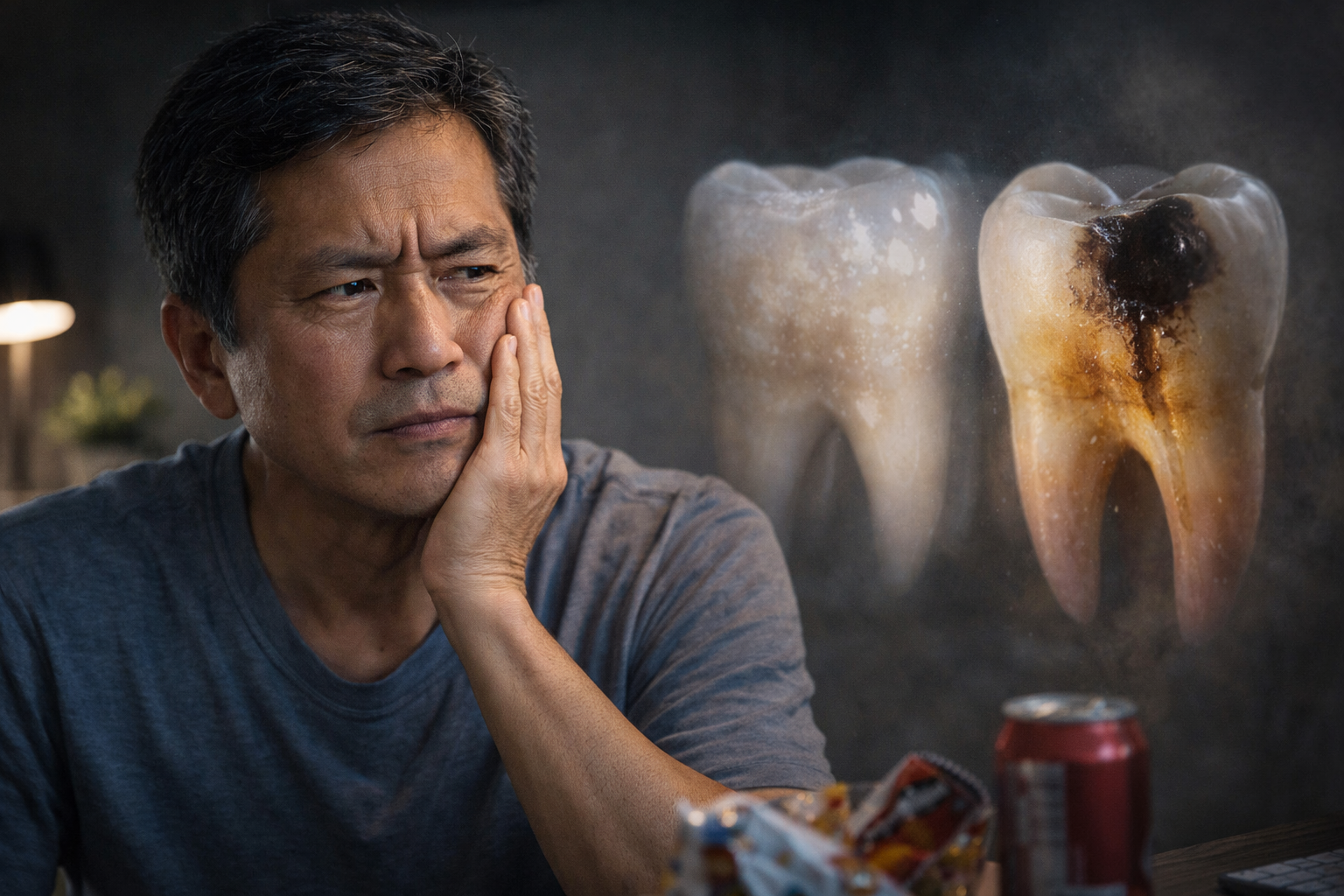
One common mistake is brushing immediately after eating, especially after acidic foods or drinks like citrus or soda. Your enamel is temporarily softened, and brushing right away can cause damage. Waiting about 30 minutes is a better approach.
Another mistake is ignoring flossing. Brushing cleans the surfaces of your teeth, but it doesn’t reach between them. Skipping flossing leaves a significant portion of your mouth uncleaned.
And then there’s overconfidence. Thinking, “I brushed this morning, so I’m good,” can lead to skipping the second brush. But oral care isn’t a one-time task—it’s ongoing.
So, How Often Should You Brush?
After all of this, the answer still comes back to the same point:
Brush twice a day. Every day.
Once in the morning to start fresh.
Once at night to clean everything away.
It’s simple advice, but it’s grounded in both science and experience.
A Small Habit That Stays With You
If you think about it, brushing your teeth is something you’ll do thousands of times in your life. It’s one of the most consistent habits you’ll ever have.
And yet, it’s easy to overlook.
Maybe that’s because it’s not exciting. It doesn’t feel like a big achievement. No one congratulates you for brushing your teeth.
But that’s exactly why it matters.
It’s a quiet form of discipline. A small promise you keep to yourself every day.
So the next time you pick up your toothbrush—whether you’re half-awake in the morning or tired at night—remember that it’s not just about your teeth.
It’s about showing up for yourself in the smallest way possible.
And sometimes, those are the habits that shape you the most.