I didn’t always think much about brushing my teeth. Growing up, it was just one of those things adults reminded me to do—like cleaning my room or finishing my homework. I’d rush through it, sometimes skipping flossing altogether, convincing myself that one quick brush at night was enough. After all, nothing hurt, nothing looked wrong, and I figured that meant everything was fine.
It wasn’t until a routine dental check-up a few years ago that my perspective began to shift. I remember sitting in that reclining chair, staring up at the bright overhead light while the dentist gently pointed out a few early signs of gum irritation. Nothing serious yet, he said—but it could become serious if I didn’t start paying closer attention to my daily habits.
That moment stuck with me. Not because it was alarming, but because it made me realize something simple and surprisingly powerful: oral health isn’t about occasional effort—it’s about consistency.
The Small Things We Overlook
At first glance, brushing your teeth twice a day doesn’t seem like a big deal. It takes, what, two minutes? Flossing might add another couple of minutes. Mouthwash, maybe thirty seconds. Altogether, it’s less than five minutes a day—hardly a major investment of time.
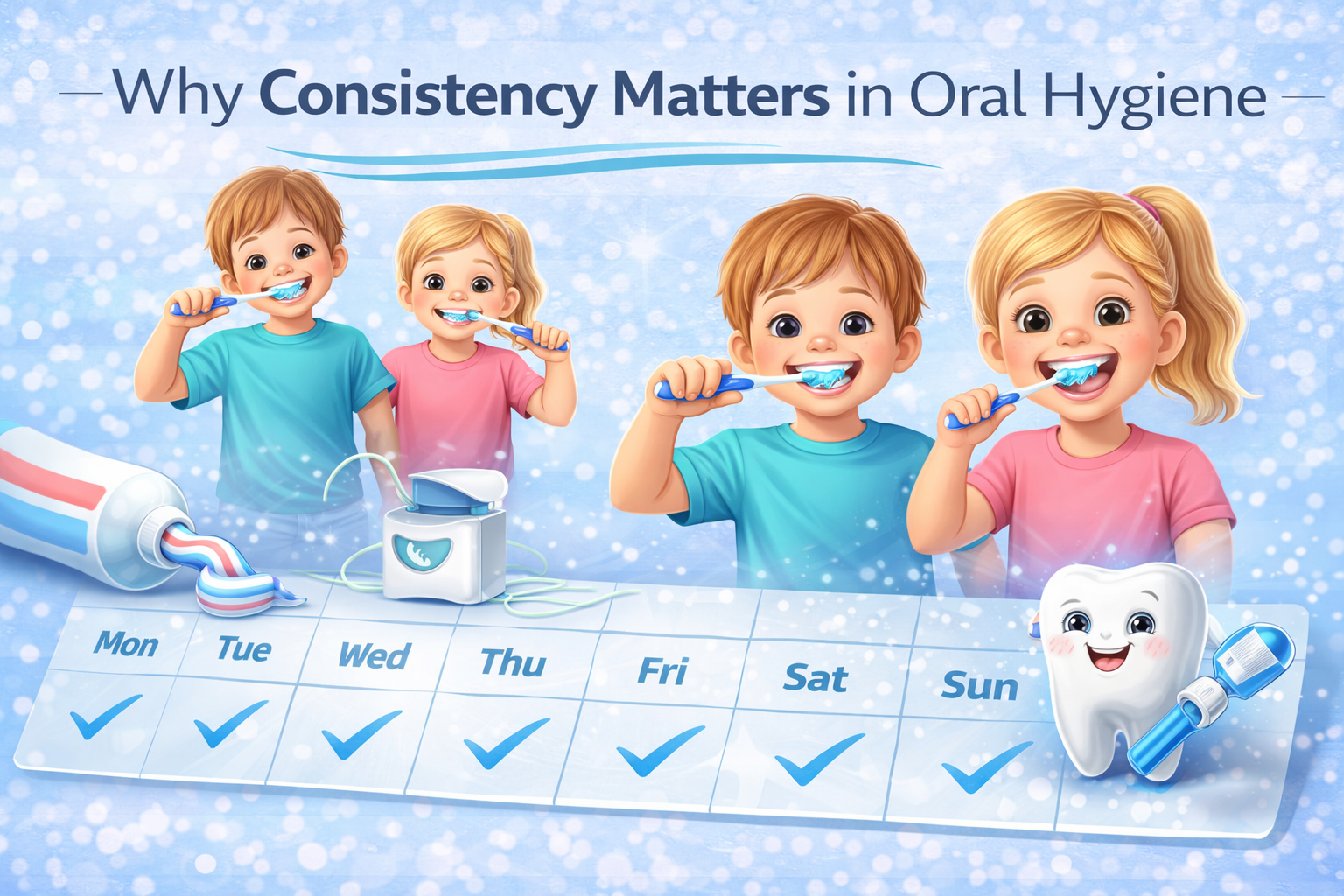
But here’s the catch: it’s not the intensity of those five minutes that matters. It’s the fact that they happen every single day.
Skipping one day might not seem like much. Skipping a few days might still feel harmless. But over time, those small gaps begin to add up. Plaque doesn’t take days off. Bacteria don’t pause and wait for you to get back on track. They build, slowly and steadily, often without any noticeable signs at first.
That’s what makes consistency so important—it prevents problems before they even have a chance to begin.
The Quiet Build-Up
One thing I’ve learned is that oral health issues rarely appear overnight. Cavities, gum disease, bad breath—these don’t just suddenly show up one morning. They develop quietly, often without pain or obvious symptoms in the early stages.
That’s part of what makes inconsistency so risky. When there’s no immediate consequence, it’s easy to assume everything is fine. You might skip flossing for weeks and still feel okay. You might brush quickly instead of thoroughly and not notice any difference.
But beneath the surface, things are changing.
Plaque hardens into tartar. Gums become slightly inflamed. Tiny areas of decay begin to form. None of it feels urgent in the moment—but over time, it creates a foundation for bigger problems.
Consistency acts like a quiet defense system. It keeps everything in balance, even when you can’t see the results right away.
Building a Habit That Sticks
One of the hardest parts about maintaining good oral hygiene isn’t knowing what to do—it’s actually doing it consistently.
For me, the turning point came when I stopped treating oral care as a chore and started treating it as a non-negotiable part of my day. Like eating or sleeping, it became something I just do—no debate, no skipping.
I found that attaching it to existing habits helped a lot. Brushing right after waking up and right before bed made it feel natural. Flossing became part of my nighttime routine, not an optional extra.
At first, it took effort. There were nights when I felt tired and tempted to skip it. But over time, it became automatic. And once something becomes a habit, it stops feeling like work.
That’s the real power of consistency—it turns effort into routine.
Confidence Starts with Small Actions
Another thing I didn’t expect was how much consistent oral hygiene would affect my confidence.
It’s not something people always talk about, but it makes a difference. Knowing your breath is fresh, your teeth are clean, and your smile looks healthy—it changes how you carry yourself. You speak more freely. You smile more naturally.
It’s not about perfection or having a “perfect” smile. It’s about feeling comfortable and confident in everyday interactions.
And that confidence doesn’t come from one good brushing session—it comes from showing up for those small habits day after day.
The Long-Term Perspective
One of the most valuable lessons I’ve learned is to think long-term.
It’s easy to focus on immediate results. We tend to ask, “What difference does this make today?” But oral hygiene doesn’t really work that way. The benefits are gradual, cumulative, and often invisible in the short term.
Consistency is like planting seeds. You don’t see the results right away, but over time, they grow into something meaningful.
Regular brushing and flossing help prevent cavities, reduce the risk of gum disease, and keep your teeth strong as you age. They also help you avoid more complicated (and often uncomfortable) dental treatments down the line.
When you think about it that way, those five minutes a day start to feel like a pretty smart investment.
Breaking the Cycle of Neglect
I’ve noticed that inconsistency often comes from an all-or-nothing mindset. If we miss one day, we feel like we’ve failed—and that makes it easier to skip the next day, and the next.
But consistency doesn’t mean perfection.
There were times when I slipped out of my routine. Busy days, late nights, travel—it happens. The difference now is that I don’t let those moments turn into long gaps. I just pick up where I left off.
That mindset shift makes a huge difference. Instead of aiming for perfect streaks, I focus on returning to the habit as quickly as possible.
Consistency isn’t about never missing a day—it’s about not letting missed days become a pattern.
Making It Personal
Another thing that helped me stay consistent was making the routine feel more personal.
I started paying attention to the products I used—finding a toothbrush that felt comfortable, a toothpaste I liked, even a floss that didn’t feel like a hassle. These small details made the experience more enjoyable and less like a chore.
I also began to see oral hygiene as a form of self-care rather than just maintenance. It became a moment in my day where I could slow down, take care of myself, and reset.
That shift in perspective made it easier to stay committed.
The Ripple Effect
What surprised me most was how consistency in oral hygiene started to influence other areas of my life.
Once I proved to myself that I could stick to a simple daily habit, it became easier to build other habits—drinking more water, maintaining a regular sleep schedule, staying organized.
It created a sense of discipline and self-trust.
It might sound like a small thing, but showing up for yourself in these tiny, everyday ways builds momentum. And that momentum can carry into bigger goals.
Final Thoughts
Looking back, I realize that consistency in oral hygiene isn’t really about teeth—it’s about mindset.
It’s about understanding that small actions, repeated over time, create meaningful results. It’s about showing up for yourself, even when it feels insignificant. And it’s about trusting that those small efforts are adding up, even when you can’t see it right away.
If there’s one thing I would say to anyone struggling to stay consistent, it’s this: don’t overcomplicate it.
Start small. Keep it simple. Focus on showing up every day, even if it’s not perfect.
Because in the end, consistency isn’t about doing everything right—it’s about doing something regularly.
And sometimes, that’s more than enough to make a lasting difference.