I still remember the first time I truly thought about my toothbrush.
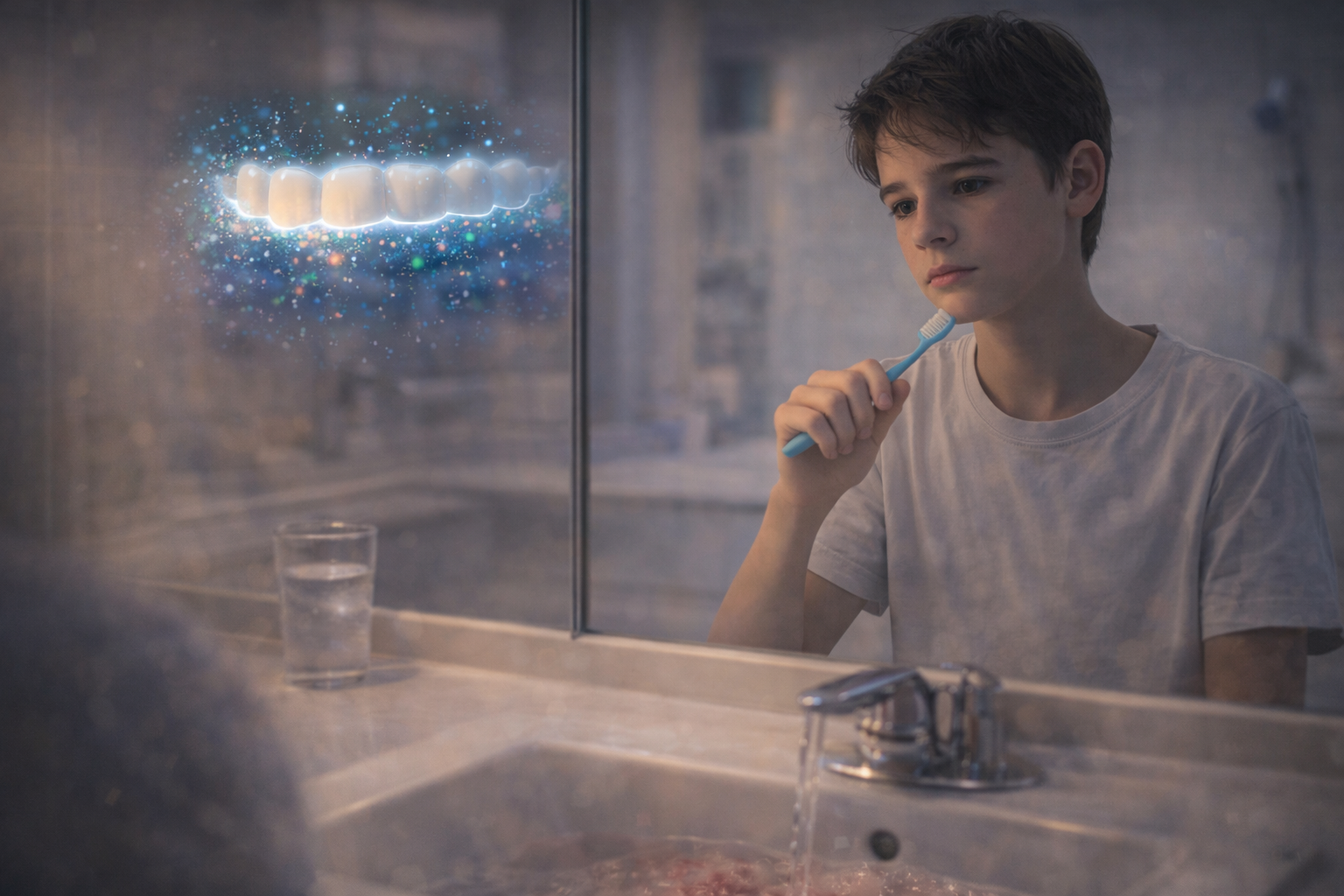
It wasn’t during a dentist visit, or while browsing the dental aisle under bright supermarket lights. It happened on a quiet morning, standing in front of the mirror, half-awake, brushing my teeth out of habit. The repetitive motion, the familiar minty foam, the soft scratching sound of bristles against enamel—it all felt automatic. Routine. Almost invisible.
And then a simple question crossed my mind: Is this toothbrush actually doing its job?
It sounds like a small question, but the more I thought about it, the more it grew. Because a toothbrush, despite its humble appearance, plays a quiet yet powerful role in our daily lives. It stands between us and cavities, gum disease, bad breath, and even long-term health issues we rarely connect to oral care.
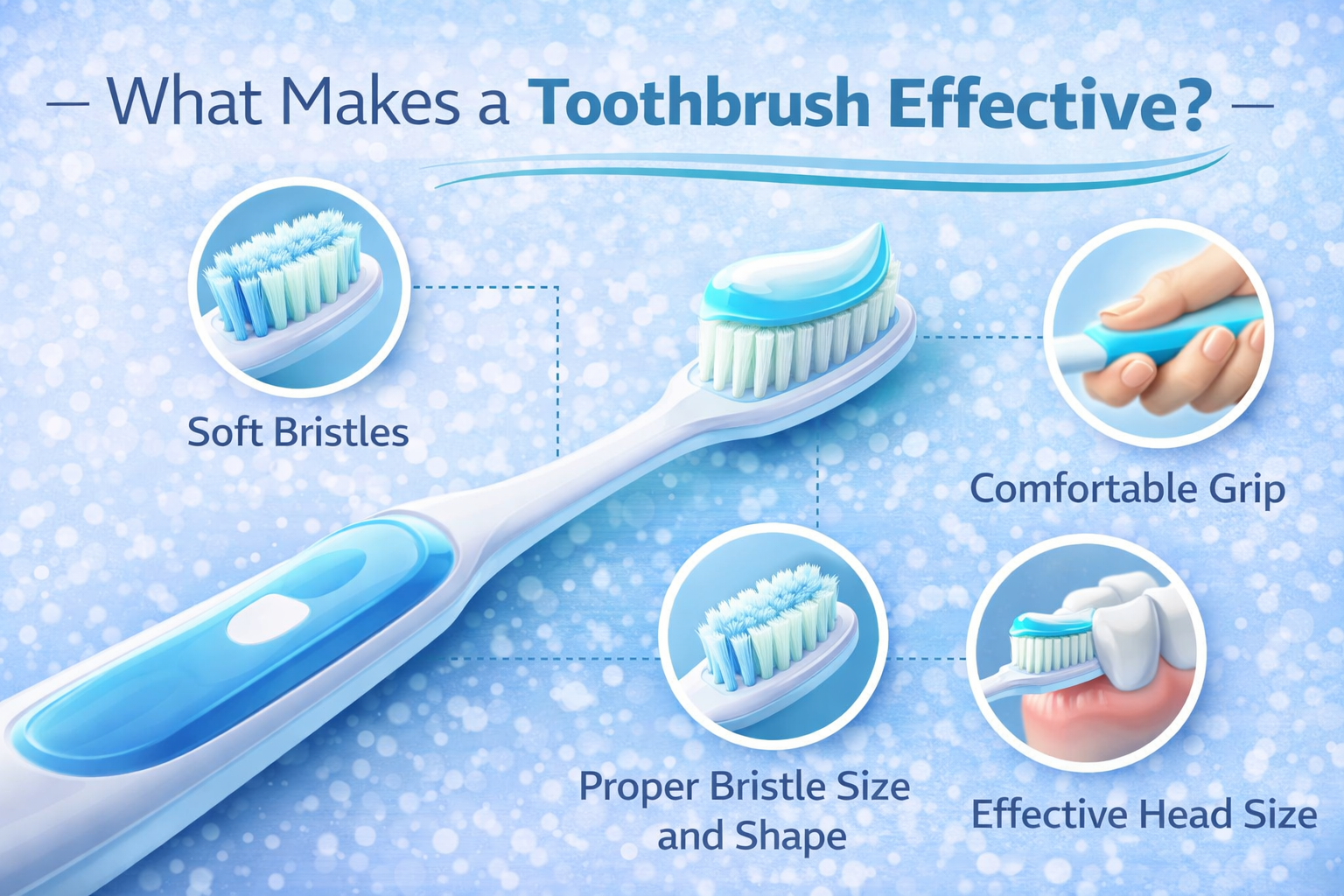
So what actually makes a toothbrush effective?
The First Lesson: Not All Bristles Are Equal
Growing up, I thought harder bristles meant a better clean. It made sense, at least in a child’s logic. Scrubbing harder must mean removing more, right?
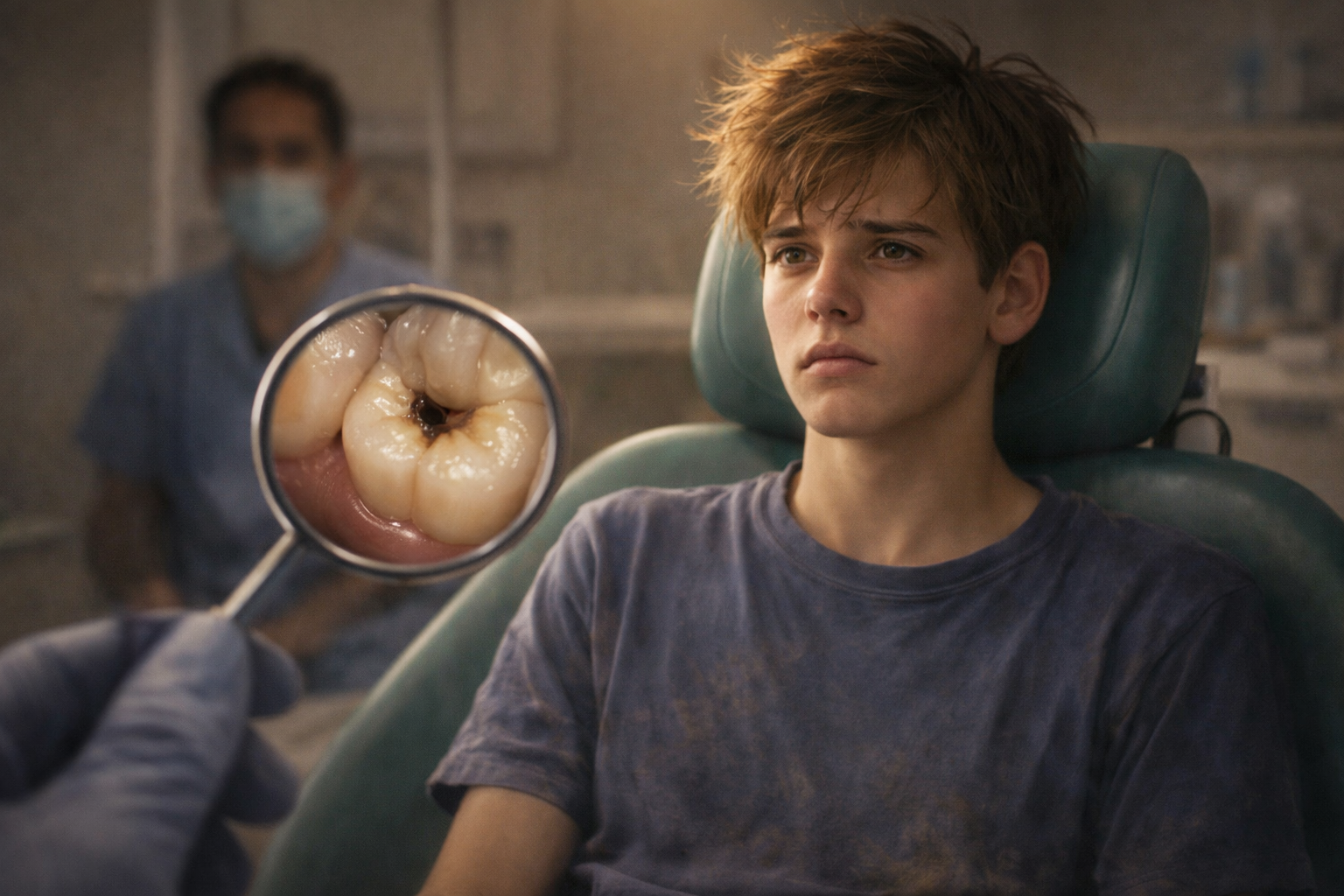
But over time—and after a few uncomfortable dentist visits—I learned that this assumption was completely wrong.
Soft bristles are, in most cases, the best choice. They’re gentle on your gums while still being effective at removing plaque. Hard bristles, on the other hand, can do more harm than good. They can wear down enamel and irritate your gums, especially if you brush with too much force.
An effective toothbrush doesn’t attack your teeth—it works with them. It cleans without causing damage. That balance is what truly matters.
The Shape of the Brush Matters More Than You Think
One day, I picked up a new toothbrush simply because it “looked better.” Sleeker handle, angled head, a design that felt modern and precise. I didn’t expect much difference.
But I noticed something surprising.
I could reach the back of my mouth more easily. The awkward corners that I used to rush through suddenly felt accessible. It was easier to angle the brush along my gumline, where plaque tends to hide.
That’s when I realized: design isn’t just about appearance—it’s about function.
A small head allows better access to hard-to-reach areas. A well-designed handle gives you control without straining your wrist. Even slight angles in the neck can make a difference in how effectively you clean each tooth.
An effective toothbrush isn’t just about the bristles—it’s about how naturally it fits into your hand and adapts to your mouth.
Consistency Over Complexity
At one point, I became fascinated with electric toothbrushes.
They promised everything: deeper cleaning, smarter timers, pressure sensors, even Bluetooth connectivity. It felt like upgrading from a bicycle to a high-tech vehicle.
And to be fair, electric toothbrushes can be incredibly effective. They help maintain consistent motion, ensure proper brushing time, and reduce the chance of brushing too hard.
But here’s what I learned: the best toothbrush is the one you actually use properly.
You can own the most advanced toothbrush in the world, but if you rush through brushing or skip it altogether, it won’t help. On the other hand, a simple manual toothbrush, used correctly and consistently, can do an excellent job.
Effectiveness isn’t just about the tool—it’s about the habit.
Technique: The Hidden Factor
For years, I brushed my teeth the way most people do: quick, horizontal strokes, moving from side to side, trying to cover everything in under a minute.
It felt efficient. But it wasn’t effective.
When I finally paid attention to proper technique, everything changed. Gentle circular motions, angling the bristles toward the gumline, taking time to clean each section—suddenly, brushing felt more intentional.
And yes, it took longer.
But it also felt better. Cleaner. More complete.
An effective toothbrush supports good technique, but it can’t replace it. The real difference lies in how you use it.
Timing Is Everything
I used to think brushing was just about “getting it done.” Morning and night, quick and easy.
But I later realized that timing plays a big role.
Dentists often recommend brushing for at least two minutes. At first, that sounded excessive. Two full minutes can feel surprisingly long when you’re standing in front of a mirror doing the same motion.
But when I started timing myself, I noticed how uneven my brushing used to be. I would spend too much time on the front teeth and barely touch the back ones.
An effective toothbrush, especially electric ones with built-in timers, can guide you toward better habits. But even without one, simply being aware of time can improve your routine.
When to Let Go
This might be the simplest lesson, yet one of the most overlooked.
Toothbrushes don’t last forever.
I used to hold onto mine far longer than I should have—until the bristles were bent, frayed, and uneven. At that point, it wasn’t really cleaning anymore; it was just going through the motions.
A good rule is to replace your toothbrush every three months, or sooner if the bristles start to wear out.
An effective toothbrush is one that’s still in good condition. Once it loses its shape, it loses its purpose.
The Emotional Side of Small Habits
It’s interesting how something as small as a toothbrush can reflect larger patterns in life.
Brushing your teeth is one of the first habits we learn, and one of the last we think about. It’s quiet, repetitive, and easy to overlook. But it’s also a form of self-care—one that happens twice a day, every day.
When I started paying attention to my toothbrush, I realized I was also paying attention to myself. Slowing down, being more mindful, taking a few extra moments to do something properly—it changed how I approached other routines too.
In a way, an effective toothbrush isn’t just about cleaning teeth. It’s about supporting a habit that keeps you grounded.
Choosing What Works for You
There’s no single “perfect” toothbrush for everyone.
Some people prefer manual brushes because they offer more control. Others love electric ones for their convenience and consistency. Some focus on eco-friendly materials, choosing bamboo handles or recyclable heads.
The key is finding what fits your needs and your lifestyle.
Ask yourself:
- Is it comfortable to hold?
- Can you reach all areas of your mouth easily?
- Are the bristles gentle but effective?
- Do you feel encouraged to brush regularly?
If the answer is yes, you’ve likely found a good match.
The Quiet Impact of the Right Choice
We often think big decisions shape our lives—but small ones matter too.
Choosing an effective toothbrush won’t feel like a life-changing moment. There’s no dramatic transformation, no instant results. But over time, it adds up.
Healthier gums. Cleaner teeth. Fewer dental problems. More confidence in your smile.
And all of that starts with something so simple, it’s easy to ignore.
A Final Thought
That morning in front of the mirror, when I first questioned my toothbrush, nothing looked different on the surface. The same sink, the same reflection, the same routine.
But something had shifted.
I was no longer brushing on autopilot.
I was paying attention.
And maybe that’s what truly makes a toothbrush effective—not just its design or features, but the awareness it encourages. The small reminder, twice a day, that even the simplest habits deserve care.
Because sometimes, it’s the quietest tools that have the biggest impact.