I still remember the day my orthodontist handed me my retainer. After years of wearing braces, tightening wires, and carefully avoiding sticky foods, I was finally done. My teeth looked straight, my smile felt new, and I thought the hard part of the journey was over.
Then came the retainer.
“It’s important that you wear this every night,” my orthodontist explained. “And make sure you keep it clean.”
At the time, I didn’t think much about the cleaning part. A retainer looked small, simple, and harmless. It wasn’t like brushing your teeth or flossing, which everyone knows is important. A retainer seemed like just a piece of plastic.
But after a few weeks, something changed.
One morning I took my retainer out of its case and noticed a strange smell. It wasn’t terrible, but it was enough to make me pause. When I held it up to the light, I noticed something else: the once crystal-clear plastic looked slightly cloudy.
That moment made me wonder something many retainer wearers eventually ask themselves:
How dirty are retainers really?
To find the answer, I started looking into what dentists and orthodontists say about it. What I learned was surprising—and a little unsettling.
The Hidden World on Your Retainer
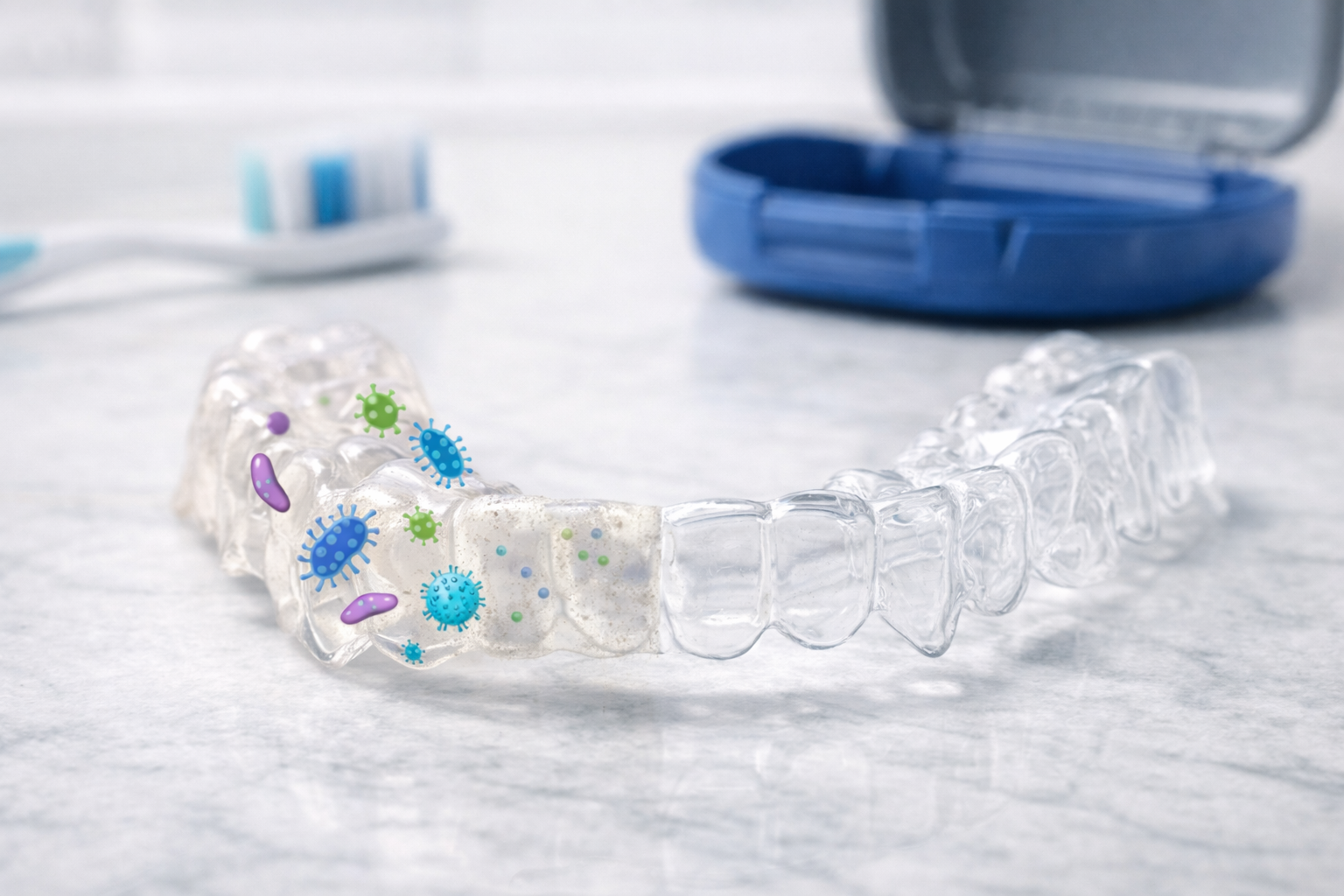
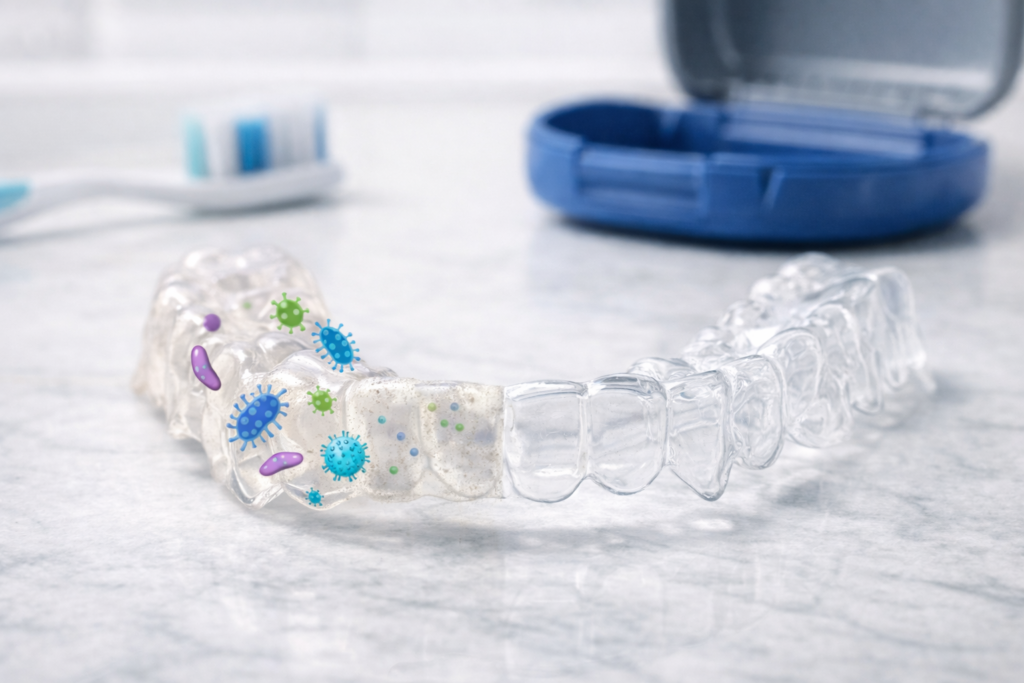
Most of us think of retainers as clean objects. After all, they sit in our mouths, and we usually rinse them with water. But according to dentists, retainers can quickly become home to bacteria, plaque, and other microorganisms.
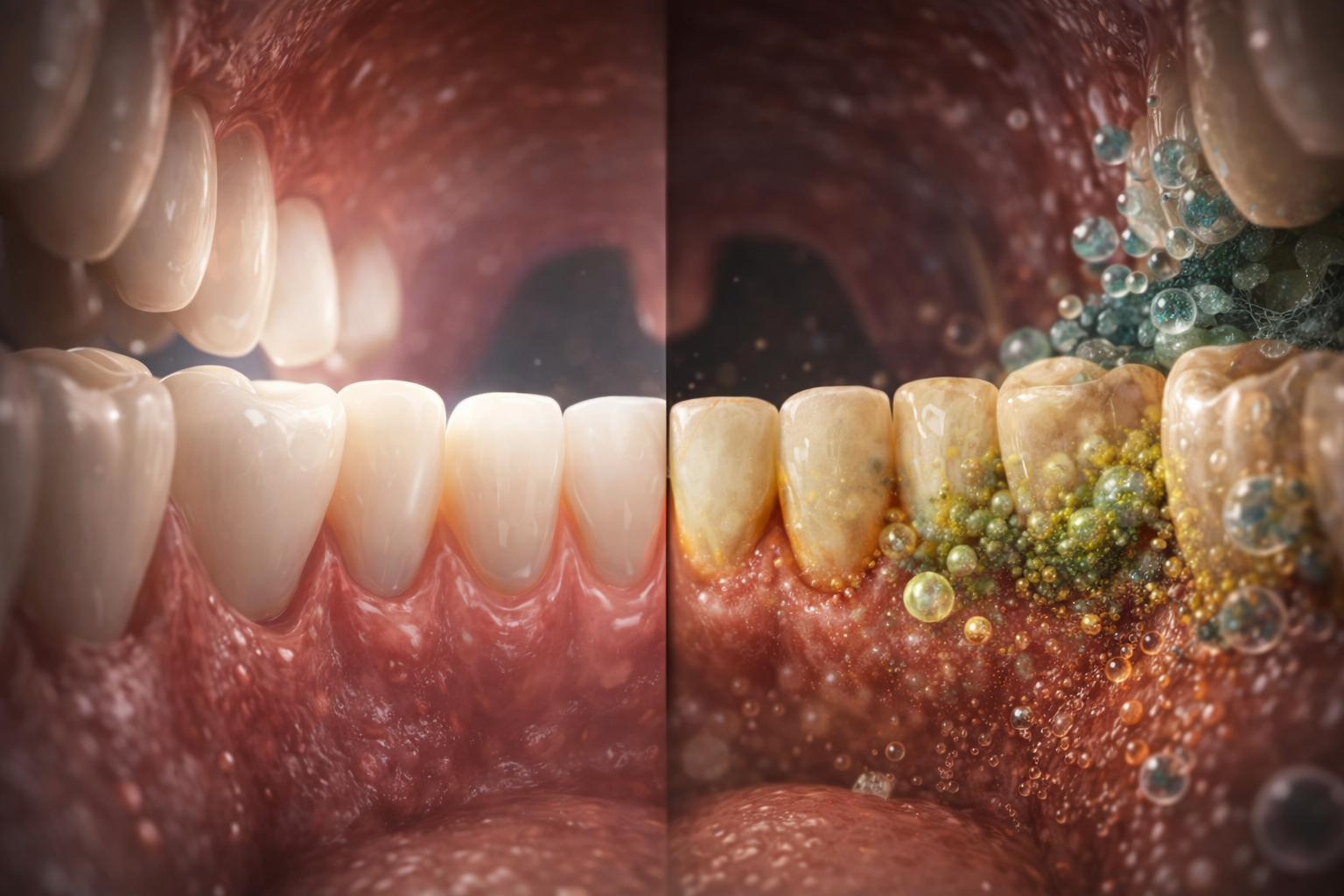
The human mouth contains hundreds of types of bacteria. Some are harmless, and some are even beneficial. But when bacteria accumulate on surfaces—like teeth or retainers—they can form a sticky layer known as biofilm.
Biofilm is the same substance that creates plaque on teeth.
And unfortunately, retainers are the perfect place for it to grow.
A retainer sits snugly against your teeth and gums, often for many hours at a time, especially overnight. It traps saliva, warmth, and moisture—all of which create an ideal environment for bacteria.
Dentists often explain it this way: a retainer is almost like a tiny container that holds bacteria against your teeth.
What Dentists Have Found
Some dental studies have actually examined what lives on retainers. The results may make you think twice about skipping a cleaning.
Researchers have found that retainers can contain:
- Streptococcus bacteria (associated with tooth decay)
- Lactobacillus bacteria
- Candida yeast
- Other microorganisms commonly found in plaque
These microbes don’t appear overnight. Instead, they gradually accumulate if the retainer isn’t cleaned properly.
In fact, some dentists say that a retainer can become just as dirty as unbrushed teeth if it’s neglected.
That realization surprised me. I had always assumed my retainer was clean because I rinsed it with water every morning.
But as it turns out, rinsing alone isn’t enough.
Why Retainers Get Dirty So Quickly
Once you understand how the mouth works, it becomes easier to see why retainers collect bacteria so quickly.
1. Warm, Moist Environment
Bacteria love warmth and moisture. The inside of your mouth provides both.
When you wear a retainer overnight, it sits in that environment for hours, allowing bacteria to multiply.
2. Trapped Food Particles
Even if you brush your teeth before wearing your retainer, tiny food particles can still remain.
These particles can get trapped between the retainer and your teeth, giving bacteria something to feed on.
3. Saliva Minerals
Saliva contains minerals such as calcium and phosphate. Over time, these minerals can form hard deposits on retainers, similar to tartar on teeth.
This buildup can make the retainer look cloudy or rough.
4. Limited Airflow
Unlike teeth, which are constantly exposed to saliva flow and movement in the mouth, retainers have small spaces where bacteria can hide.
Those spaces can allow microbes to grow undisturbed.
Signs Your Retainer Might Be Dirty
Many people don’t realize their retainer is dirty until the signs become obvious.
Looking back, I realized my retainer had shown several warning signs before the smell appeared.
Here are some common indicators dentists mention:
- A cloudy or white film on the plastic
- A sour or unpleasant odor
- A strange taste when wearing it
- Visible yellow or brown stains
- A slightly slimy texture
If you notice any of these signs, it usually means bacteria and plaque have begun to accumulate.
What Happens If You Don’t Clean Your Retainer?
When I first heard dentists talk about dirty retainers, I wondered if it was mostly a cosmetic issue.
But it turns out that poor retainer hygiene can affect your oral health in several ways.
Bad Breath
Bacteria on retainers produce sulfur compounds that create unpleasant odors. These odors can contribute to chronic bad breath.
Plaque Transfer to Teeth
A dirty retainer can transfer bacteria back onto your teeth each time you wear it.
This can increase plaque buildup and raise the risk of cavities.
Gum Irritation
In some cases, bacteria and microorganisms on retainers can irritate the gums, causing redness or discomfort.
Oral Infections
Though less common, certain microbes—such as Candida yeast—can grow on retainers and contribute to oral infections if hygiene is poor.
For these reasons, dentists often emphasize that retainers should be cleaned just like teeth.
What Dentists Recommend for Cleaning Retainers
After learning how dirty retainers can become, I started paying closer attention to cleaning mine.
Dentists generally recommend a simple but consistent routine.
Daily Brushing
Use a soft toothbrush to gently clean the retainer every day. This helps remove plaque before it hardens.
Rinse After Removal
Whenever you take your retainer out, rinse it with lukewarm water to wash away saliva and debris.
Deep Cleaning
Many dentists suggest soaking retainers occasionally in a retainer cleaning solution or tablet.
These solutions help break down stubborn buildup and reduce bacteria.
Avoid Harsh Chemicals
Strong cleaners like bleach or alcohol should never be used unless specifically recommended by a dental professional.
These substances can damage the retainer material.
Keep the Case Clean
Dentists also remind patients to clean the retainer case regularly. Otherwise, bacteria from the case can contaminate the retainer again.
A Small Habit That Protects Your Smile
After going through orthodontic treatment, wearing a retainer might feel like a small responsibility.
But that small device plays an important role in keeping your teeth straight.
And keeping it clean protects more than just the retainer—it helps protect your entire oral environment.
Once I realized how quickly bacteria could build up on my retainer, cleaning it became part of my daily routine.
It only takes a minute or two each day, but it makes a noticeable difference.
The retainer stays clear, fresh, and comfortable to wear.
The Bottom Line
So, how dirty are retainers really?
According to dentists, they can become surprisingly dirty if they aren’t cleaned regularly. Because they sit in a warm, moist environment for hours at a time, retainers can quickly collect bacteria, plaque, and mineral deposits.
The good news is that keeping them clean doesn’t require complicated tools or expensive products.
With simple habits—like daily brushing, occasional soaking, and proper storage—you can keep your retainer fresh and safe to wear.
And after all the effort it takes to straighten your teeth, taking care of that small piece of plastic is a simple way to protect the smile you worked so hard to achieve. 😁