
I didn’t always think saliva was worth paying attention to.
In fact, if you had asked me a few years ago what role saliva played in oral health, I probably would’ve shrugged and said something vague like, “It keeps your mouth from being dry, I guess.” It felt like one of those background details—always there, never important enough to notice.
That changed on an unexpectedly quiet afternoon at the dentist.
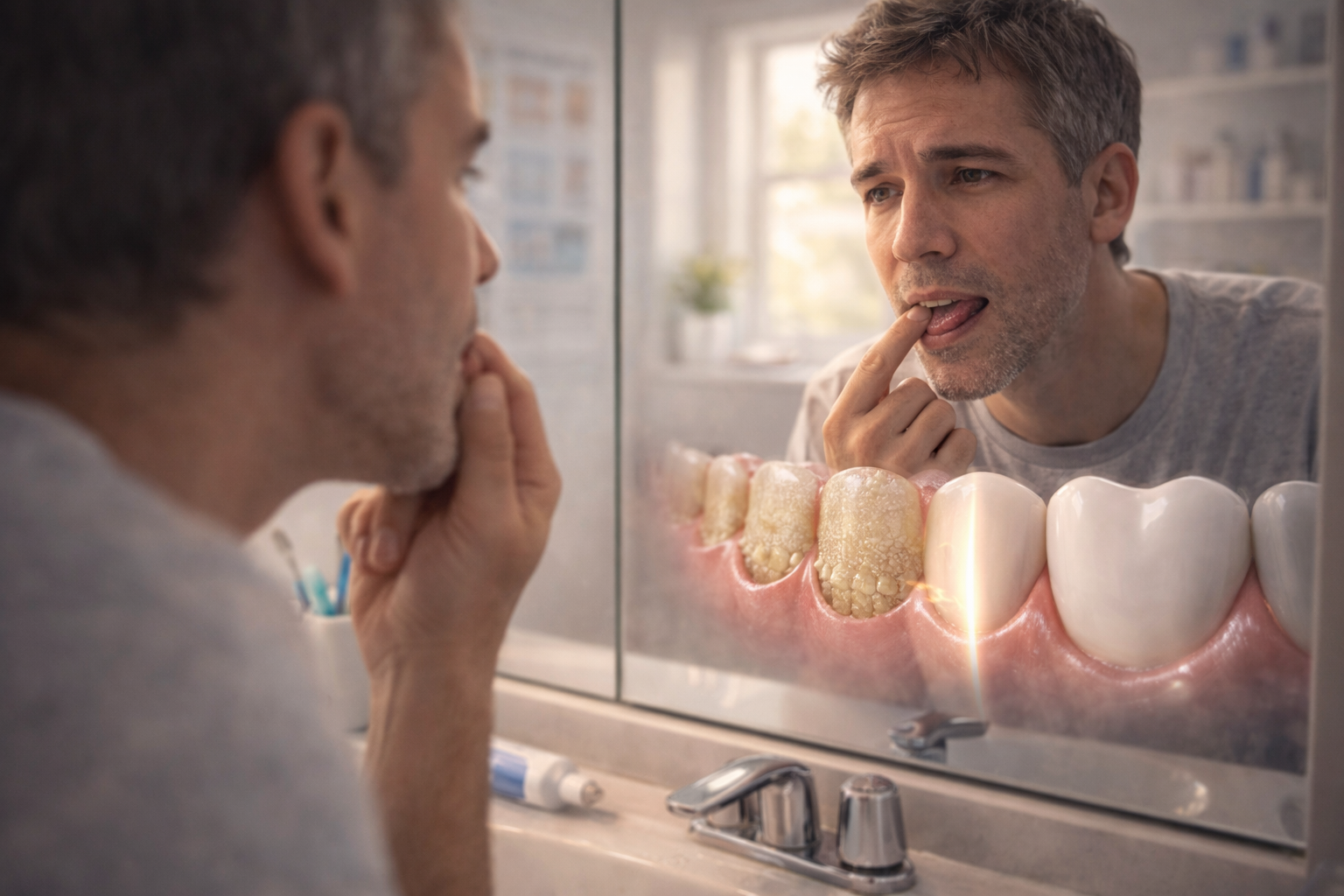
I had gone in for what I thought would be a routine check-up. No pain, no obvious issues, just the usual cleaning and polite small talk. But somewhere between the scraping, rinsing, and that familiar overhead light, my dentist paused and asked me a question that caught me off guard:
“Do you ever feel like your mouth gets dry often?”
I thought about it. Late nights, long study sessions, waking up with that slightly sticky feeling in my mouth… yeah, it did happen more than I realized.
“Sometimes,” I said.
She nodded, not alarmed—but attentive. And then she said something that stuck with me:
“Saliva does a lot more than people think. When it’s not doing its job properly, your mouth notices.”
The Invisible Protector
That was the first time I started seeing saliva differently—not as something passive, but as something active. Almost like a quiet protector working behind the scenes.
Saliva isn’t just water. It’s a complex fluid filled with enzymes, minerals, and proteins that constantly interact with your teeth and gums. It helps break down food, yes—but more importantly, it helps protect your mouth from damage.
Every time you eat, especially sugary or acidic foods, your mouth becomes a temporary battleground. Bacteria feed on leftover food particles and produce acids that can weaken your enamel.
And this is where saliva steps in.
It helps wash away food debris, neutralize harmful acids, and even begin repairing early damage to your teeth. It’s like a built-in defense system that’s always on duty—without you ever having to think about it.
When You Start Noticing It
The strange thing about saliva is that you only really notice it when something feels off.
Dry mouth isn’t just uncomfortable—it can be a signal.
I started paying attention to those moments: waking up with a dry throat, needing water more often than usual, or feeling like my mouth just wasn’t as “fresh” even after brushing.
At first, it didn’t seem like a big deal. But over time, I realized those small changes were connected to something bigger.
Without enough saliva, your mouth loses one of its main defenses.
Food particles stick around longer. Bacteria have more time to grow. Acids linger instead of being neutralized.
It’s subtle, but the effects build up quietly.
The Balance You Don’t See
One of the most interesting things my dentist explained is that oral health is really about balance.
There’s always bacteria in your mouth—some helpful, some harmful. The goal isn’t to eliminate them completely (which isn’t possible anyway), but to keep things in balance.
Saliva plays a huge role in maintaining that balance.
It regulates the environment in your mouth, keeping things from tipping too far in the wrong direction. Think of it like a natural stabilizer—adjusting, buffering, and supporting everything at once.
When saliva flow is normal, your mouth has a way of correcting small problems before they turn into bigger ones.
But when that balance is disrupted, even slightly, things can start to shift.
Everyday Habits That Affect Saliva
What surprised me most was how many everyday habits can influence saliva production.
Things I never questioned—like not drinking enough water, staying up late, or even breathing through my mouth—can all affect how much saliva your body produces.
Stress, too, plays a role.
I noticed that during busy or stressful periods, my mouth felt drier. It wasn’t something I had consciously connected before, but once I started paying attention, the pattern became clear.
Even certain drinks—like coffee or sugary sodas—can contribute to that dry feeling over time.
It wasn’t about cutting everything out completely. It was about awareness.
Small adjustments—like drinking more water, taking breaks, or being mindful of what I was consuming—started to make a difference.
The Connection to Bad Breath
This might be a bit awkward to talk about, but it’s real.
Bad breath isn’t always about what you eat. Sometimes, it’s about what’s missing.
Saliva helps control the bacteria that cause odors. When your mouth is dry, those bacteria can multiply more easily, leading to unpleasant smells.
It’s not something people always realize. You might brush your teeth, use mouthwash, and still feel like something’s off.
That lingering feeling? It could be linked to saliva.
Once I understood that, it changed how I thought about “freshness.” It wasn’t just about covering up smells—it was about addressing the underlying balance in my mouth.
Nighttime: When Things Slow Down
Another thing I hadn’t considered before: your body naturally produces less saliva while you sleep.
That’s why your mouth often feels dry in the morning.
During the night, your mouth is more vulnerable. There’s less saliva to wash away bacteria or neutralize acids, which means oral hygiene before bed becomes even more important.
That realization made me take my nighttime routine more seriously.
It wasn’t just about brushing because I was supposed to—it was about preparing my mouth for several hours without its usual level of protection.
Food, Chewing, and Natural Stimulation
Here’s something simple but surprisingly effective: chewing stimulates saliva production.
Foods that require more chewing—like crunchy fruits and vegetables—can naturally help your mouth produce more saliva.
Even something as basic as chewing sugar-free gum can encourage saliva flow.
It’s not a replacement for brushing or flossing, but it’s another way your body can support itself.
I started noticing how my mouth felt after eating different types of food. Some meals left my mouth feeling clean and balanced, while others made it feel dry or heavy.
It wasn’t random—it was connected.
More Than Just Your Mouth
What really stayed with me, though, was this idea: saliva isn’t just about oral health—it reflects your overall health, too.
Your body is interconnected in ways we don’t always notice.
Hydration levels, stress, sleep, diet—they all influence how your body functions, including saliva production.
So when something feels off in your mouth, it might be worth looking beyond just your teeth.
It’s not about overthinking every small change, but about recognizing patterns.
A Quiet Appreciation
These days, I don’t think about saliva all the time—but I do notice it more.
It’s in those small moments: sipping water and feeling refreshed, finishing a meal and noticing how your mouth resets, waking up and being aware of how your body feels.
It’s easy to overlook things that work quietly in the background.
But sometimes, those are the things doing the most important work.
What Dentists Wish You Understood About Saliva
If I had to sum up everything I’ve learned, it would be this:
Saliva is not just a detail—it’s a foundation.
It protects, balances, repairs, and supports your mouth in ways that are easy to miss but hard to replace.
Taking care of your oral health isn’t just about brushing and flossing—it’s also about supporting the natural systems your body already has in place.
And sometimes, that starts with something as simple as paying attention.
I still think back to that quiet moment in the dentist’s chair.
“Do you ever feel like your mouth gets dry often?”
At the time, it felt like a small question.
Now, I realize it was pointing to something much bigger—something I had been experiencing every day without truly noticing.
And maybe that’s the point.
The most important parts of our health aren’t always the loudest.
Sometimes, they’re the ones we almost forget are there at all.