
I didn’t really think much about morning breath when I was younger. It was just one of those small, slightly embarrassing parts of being human—like bed hair or sleep marks on your face. But one morning, standing in front of the bathroom mirror, I paused. There was something oddly fascinating about it. Why does it happen to everyone? Why does it feel so strong right after waking up, even if you brushed your teeth the night before?
That curiosity stuck with me, and over time, I started to understand that morning breath isn’t just a random inconvenience. It’s actually a quiet story your body tells overnight.
Let me walk you through it.
The Night Shift Your Mouth Never Asked For
While you sleep, your body slows down in ways you don’t usually notice. Your heart rate drops, your muscles relax, and your breathing becomes deeper and more rhythmic. But one of the most important changes happens in your mouth—your saliva production decreases.
During the day, saliva is constantly working behind the scenes. It washes away food particles, neutralizes acids, and keeps bacteria in check. You could think of it as your mouth’s natural cleaning system.
But at night, that system goes into low-power mode.
With less saliva flowing, your mouth becomes drier. And in that dry environment, bacteria begin to multiply more actively. These bacteria feed on leftover food particles and dead cells in your mouth, breaking them down and releasing compounds that don’t exactly smell pleasant.
That’s the root of morning breath.
It’s Not Just About Hygiene
For a long time, I thought morning breath meant I hadn’t brushed well enough. But that’s not entirely true. Even people with excellent oral hygiene experience it.
Of course, brushing and flossing help a lot—they reduce the amount of bacteria and food residue before you go to sleep. But they can’t completely stop the natural processes happening overnight.
It’s like cleaning your room before going to bed. You can make it spotless, but by morning, a little dust will still settle. It’s unavoidable.
That realization was oddly comforting. Morning breath isn’t a failure. It’s just biology.
The Role of Bacteria (The Unseen Characters)
If you could zoom into your mouth under a microscope, you’d see an entire ecosystem. Hundreds of different types of bacteria live there, most of them harmless, some even helpful.
At night, though, certain bacteria become more active. They break down proteins and release sulfur compounds—the main reason behind that familiar “morning smell.”
It sounds unpleasant, but it’s actually part of a natural balance. Your body isn’t doing something wrong—it’s just doing its job.
Breathing Through Your Mouth Changes Everything
One thing I noticed about myself is that on nights when I slept with my mouth open, the morning breath felt worse.
That’s not a coincidence.
Mouth breathing dries out your mouth even more, which gives bacteria an even better environment to grow. It’s like leaving a window open in a dry desert instead of a humid forest—the conditions shift dramatically.
People who snore or have nasal congestion often experience stronger morning breath for this reason. It’s not just about what happens in your mouth, but how you breathe while you sleep.
What You Eat Before Bed Matters
There was a time when I loved late-night snacks—especially sugary or garlicky food. I didn’t connect it to anything at first, but over time, I realized those choices followed me into the morning.
Food particles left behind overnight become fuel for bacteria. Strong-smelling foods, like garlic or onions, can also release compounds that linger in your system longer than you’d expect.
It’s not about avoiding your favorite foods completely. It’s just about timing and awareness. Your body keeps processing even after you fall asleep.
Your Tongue Tells a Story Too
One morning, I noticed a thin white coating on my tongue. At first, it seemed strange, but it turns out that this coating is made up of bacteria, dead cells, and debris.
The tongue is actually one of the biggest contributors to morning breath.
Its textured surface makes it easy for bacteria to settle and stay there overnight. That’s why brushing your teeth alone sometimes isn’t enough—you might still wake up with that lingering taste or smell.
Once I started paying attention to this, I understood why some people include tongue cleaning as part of their routine. It’s not about perfection—it’s about understanding how your body works.
Hydration: The Overlooked Factor
There’s something simple that makes a big difference: water.
When you’re dehydrated, your body produces even less saliva. That means your mouth becomes drier, and bacteria can grow more freely.
I noticed that on days when I didn’t drink enough water, my morning breath felt stronger. It wasn’t dramatic, but it was noticeable.
Sometimes, the smallest habits—like drinking water throughout the day—have effects you only recognize later.
It’s Temporary (And That’s the Point)
What’s interesting about morning breath is how quickly it disappears. Within minutes of brushing your teeth, drinking water, or eating breakfast, it fades away.
That’s because your mouth “wakes up” along with you. Saliva production increases again, washing away bacteria and restoring balance.
It’s a daily reset.
And maybe that’s what makes it so human. Every morning starts a little imperfect, but your body knows exactly how to bring things back to normal.
What Morning Breath Taught Me
At some point, I stopped seeing morning breath as something embarrassing. Instead, I started seeing it as a small reminder of how complex and active the human body is—even when you’re asleep.
It’s easy to think of sleep as a pause. But it’s not. It’s more like a different shift—one where your body quietly continues its work without you noticing.
Morning breath is just one of the signs.
Simple Ways to Manage It
Even though it’s natural, there are ways to reduce it:
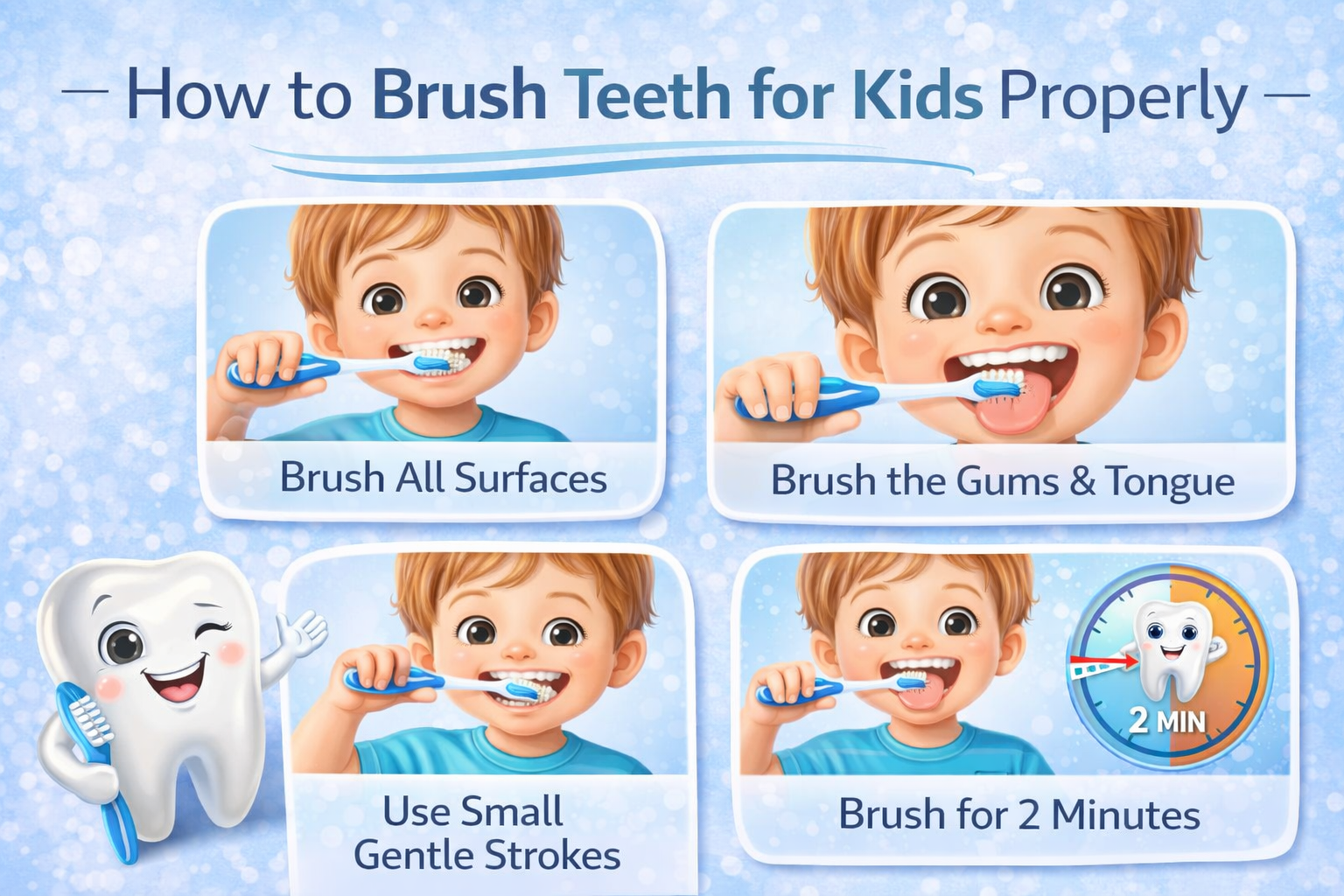
- Brush and floss before bed
- Clean your tongue gently
- Stay hydrated throughout the day
- Avoid heavy or strong-smelling foods right before sleeping
- Try to breathe through your nose instead of your mouth
None of these completely eliminate morning breath—and they don’t need to. They just help keep things balanced.
A Small, Honest Detail of Being Human
In the end, morning breath is one of those universal experiences we don’t talk about much, but everyone understands.
It’s not glamorous. It’s not something you’d put in a highlight reel of your life. But it’s real.
And sometimes, those small, real details are the most interesting ones.
Because they remind you that your body is always working—quietly, consistently, and in ways you don’t always notice.
Even while you sleep.