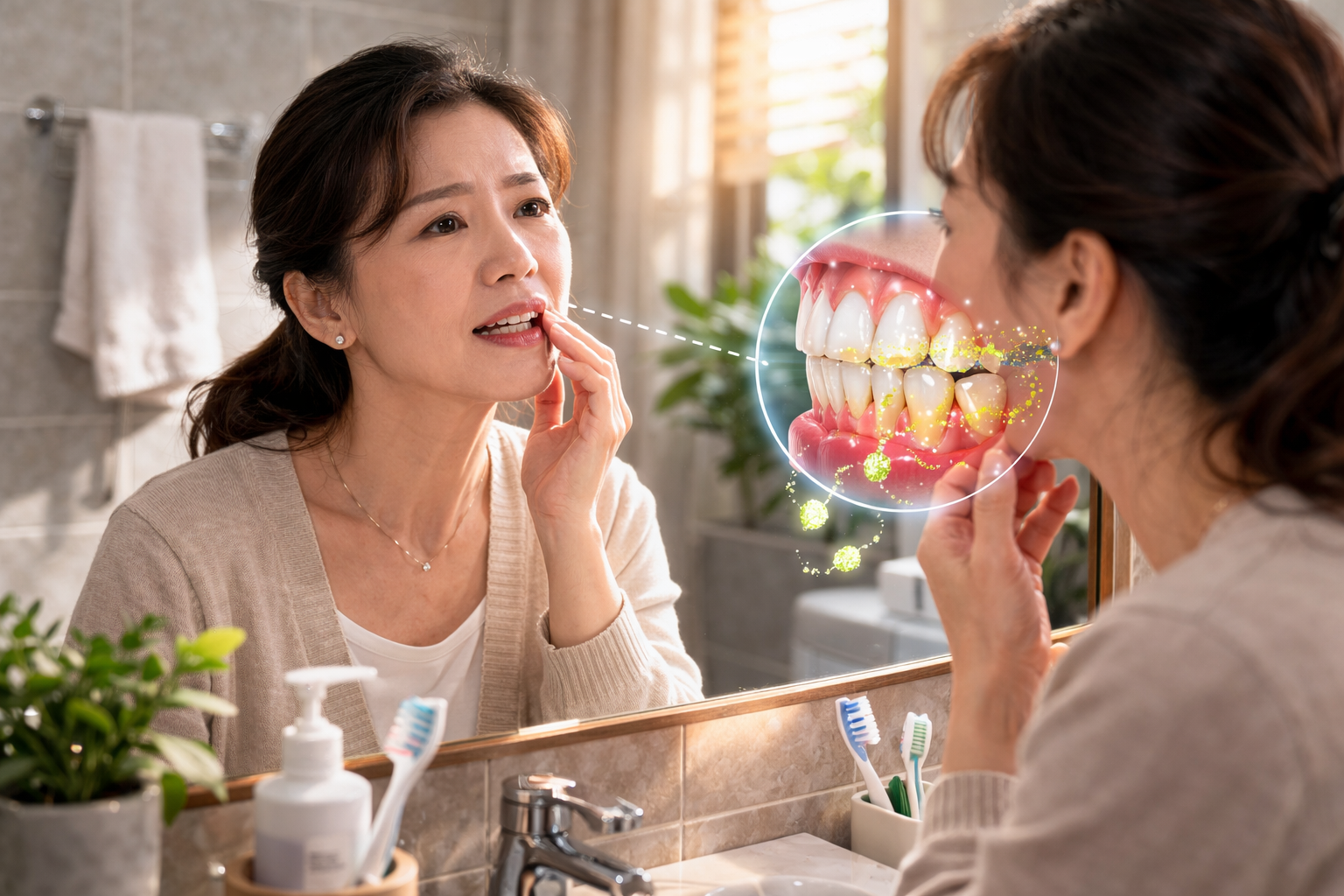
I used to think plaque was just that fuzzy feeling on your teeth when you wake up in the morning.
You know the one—when your tongue runs across your teeth and something feels… off. Not painful, not even alarming. Just slightly rough, like your mouth is reminding you that you forgot something the night before.
For the longest time, I treated it like a minor inconvenience. A quick brush, maybe some mouthwash, and it was gone. Problem solved, right?
Not exactly.
It took me a while to understand that plaque isn’t just something you feel—it’s something that’s constantly forming, constantly changing, and quietly affecting your health in ways you don’t immediately notice.
The Invisible Film You Can’t Ignore
Plaque is a soft, sticky film of bacteria that forms on your teeth throughout the day.
Every time you eat—especially foods containing sugar or carbohydrates—bacteria in your mouth feed on those leftovers. As they break them down, they produce acids. Those acids don’t just sit there harmlessly. They begin to attack the enamel, the protective outer layer of your teeth.
At first, it’s subtle.
You won’t see dramatic changes overnight. There’s no flashing warning sign. But plaque builds up faster than most people realize—within hours, not days.
I remember being surprised when I learned that even if your teeth look clean, plaque can still be there. It’s often colorless, blending in so well that you don’t notice it unless it hardens into something worse.
When Plaque Becomes Something More
If plaque isn’t removed regularly, it doesn’t just stay soft.
It hardens into tartar (also called calculus), and that’s where things start to get more complicated. Unlike plaque, tartar can’t be removed by brushing alone. It bonds to your teeth and creates a rough surface where even more bacteria can stick.
I didn’t realize how quickly this could happen until a dentist pointed it out during a routine check-up.
“You’ve got some buildup here,” they said, gently tapping a spot near my gumline.
It didn’t hurt, but hearing that made it real. This wasn’t just theory anymore—it was happening in my own mouth.
And once tartar forms, the only way to remove it is through professional cleaning.
The Slow Damage to Your Teeth
The real problem with plaque isn’t just that it exists—it’s what it does over time.
Those acids produced by bacteria slowly weaken your enamel. At first, it might show up as sensitivity. Cold drinks feel sharper. Sweet foods leave a lingering discomfort.
Then come cavities.
A cavity doesn’t appear overnight. It starts as a tiny area of demineralization—so small you wouldn’t notice it without a dentist’s tools. But left untreated, it grows deeper, eventually reaching the inner layers of the tooth.
I remember thinking cavities were just “holes” that suddenly appeared. In reality, they’re the result of a long, quiet process that starts with something as simple as plaque.
Your Gums Are Part of the Story Too
For a long time, I thought oral hygiene was all about teeth.
But plaque doesn’t just sit on your teeth—it also gathers along the gumline. And that’s where another set of problems begins.
When plaque irritates the gums, they become inflamed. This condition, known as gingivitis, is often the first stage of gum disease.
The signs are easy to miss: slight redness, mild swelling, occasional bleeding when brushing.
Sound familiar?
I used to brush a little more carefully when I saw blood, thinking I was just being too rough. But in reality, it was a sign that something deeper was wrong.
If gingivitis isn’t addressed, it can progress into more serious gum disease, where the gums start to pull away from the teeth, creating pockets that trap even more bacteria.
It becomes a cycle—one that’s harder to break the longer it continues.
Why It Matters More Than You Think
It’s easy to think of plaque as just a dental issue.
Brush your teeth, keep your smile looking good, avoid cavities—that’s the usual mindset. But the impact of plaque goes beyond appearance.
Your mouth is connected to your entire body.
When gums are inflamed or bleeding, it creates a pathway for bacteria to enter your bloodstream. From there, those bacteria can travel and potentially contribute to other health problems.
While it might sound surprising, studies have linked poor oral health to conditions like heart disease and complications with diabetes.
I didn’t take it seriously at first. It felt like one of those things people say to scare you into brushing more.
But the more I learned, the more I realized it’s not about fear—it’s about awareness.
The Daily Battle You Don’t See
One of the most interesting things I’ve learned is that plaque is constantly forming.
It doesn’t take a break. There’s no “safe zone” where you’re completely free from it.
Even after a thorough brushing, plaque begins to rebuild within hours.
At first, that idea felt overwhelming. What’s the point of trying if it just comes back?
But then I started to see it differently.
Oral hygiene isn’t about eliminating plaque forever—it’s about managing it consistently.
It’s a daily reset.
Every time you brush and floss, you’re interrupting the process. You’re stopping plaque from hardening, from causing damage, from turning into something more serious.
Changing Small Habits
My perspective started to shift when I stopped thinking of brushing as a chore.
Instead of rushing through it, I began paying attention—making sure I reached every area, especially along the gumline where plaque tends to hide.
Flossing, which I used to skip more often than I’d like to admit, became part of the routine too. It felt tedious at first, but over time, it became automatic.
And the results weren’t dramatic, but they were noticeable.
My mouth felt cleaner for longer. My gums looked healthier. That morning “fuzzy” feeling became less intense.
It wasn’t about perfection—it was about consistency.
A Lesson That Stays With You
Looking back, I realize how easy it is to underestimate something you can’t always see.
Plaque doesn’t demand your attention. It doesn’t cause immediate pain. It works quietly, in the background, building up little by little.
But that’s exactly why it matters.
Because the earlier you understand it, the easier it is to control.
You don’t need complicated tools or expensive treatments to manage plaque. Most of it comes down to simple, daily habits—done properly and consistently.
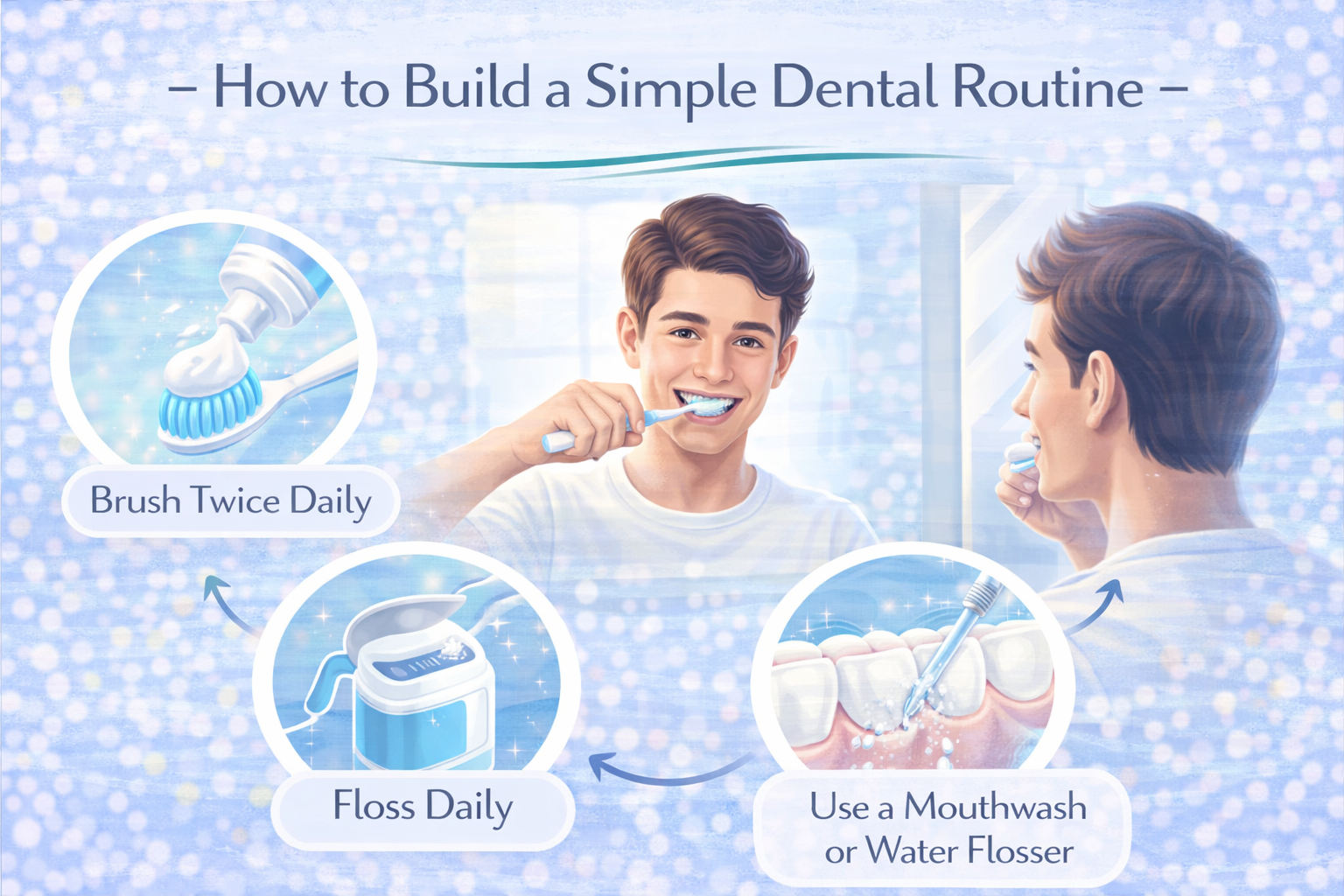
Brush your teeth. Floss regularly. Pay attention to what your mouth is telling you.
More Than Just a Routine
Now, when I brush my teeth, it feels different.
It’s not just something I do because I’m supposed to. It’s something I do because I understand why it matters.
Plaque isn’t just a film on your teeth—it’s a reminder.
A reminder that small things, left unchecked, can grow into bigger problems. And that taking care of yourself doesn’t always require big changes—just steady, intentional ones.
So the next time you feel that familiar roughness on your teeth in the morning, don’t ignore it.
It’s not just a feeling.
It’s a signal.