
It didn’t happen all at once.
If you had asked me a year ago whether coffee was affecting my teeth, I probably would’ve laughed it off. Coffee, to me, was comfort. It was the quiet warmth of early mornings, the familiar routine before a long day, the small pause between responsibilities. It wasn’t something I thought of as harmful—at least, not in any visible way.
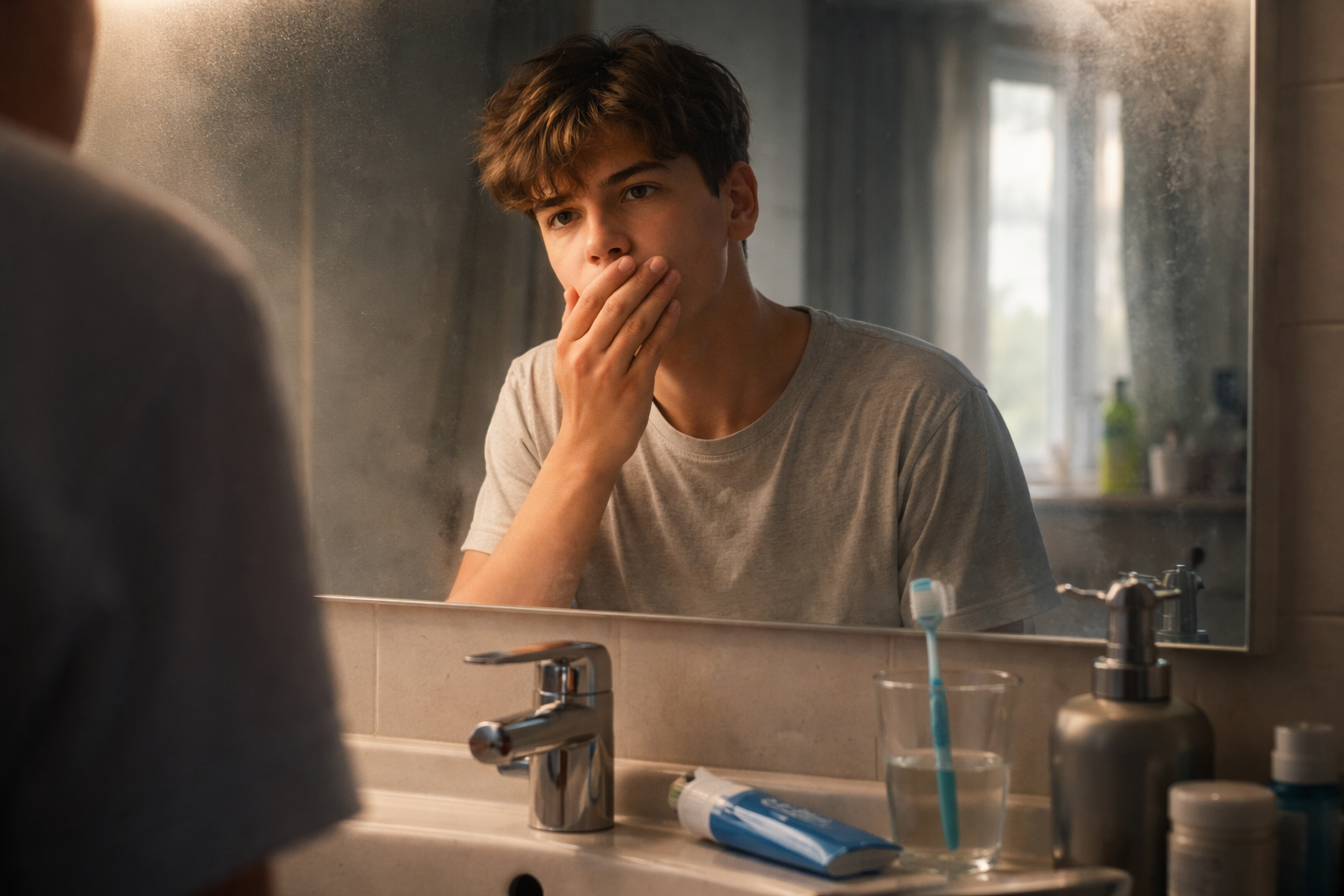
But one morning, while scrolling on my phone and half-paying attention to my reflection, I noticed something different.
My smile didn’t look the same.
At first, I couldn’t quite place it. My teeth weren’t dramatically yellow or damaged, but there was a subtle dullness—like they had lost some of their brightness. It was the kind of change you only notice after it’s been there for a while.
And suddenly, I started connecting the dots.
The Daily Habit That Adds Up
Coffee had become part of my daily rhythm without me even thinking about it.
One cup turned into two. Sometimes three on busy days. It wasn’t just about staying awake—it was about feeling grounded, focused, and, in a strange way, comforted.
What I didn’t realize was that every sip carried more than just flavor and caffeine.
Coffee is rich in compounds called tannins. These are naturally occurring substances that give coffee its deep color and slightly bitter taste. But tannins also have a way of clinging to surfaces—especially the porous enamel of your teeth.
At first, the stains are almost invisible.
But like most things with oral health, it’s the repetition that matters.
Day after day, sip after sip, those tiny particles begin to settle in.
Why Teeth Are More Vulnerable Than You Think
I used to think teeth were solid and unchanging, like polished stone.
But they’re not.
Enamel, the outer layer of your teeth, might be the hardest substance in the human body, but it’s also surprisingly porous at a microscopic level. That means it can absorb pigments from what you eat and drink.
Coffee doesn’t just pass over your teeth—it interacts with them.
And there’s more.
Coffee is also slightly acidic. Over time, that acidity can weaken enamel, making it easier for stains to stick and harder to remove. It’s like creating the perfect conditions for discoloration without even realizing it.
That’s when I started to understand: it wasn’t just the color of coffee, but the chemistry behind it.
The Mirror Doesn’t Lie
Once I noticed the change, I couldn’t unsee it.
Every time I smiled in photos or caught my reflection in a window, my eyes went straight to my teeth. Were they always this shade? Had it gotten worse?
It’s strange how something so small can shift your perception of yourself.
I found myself smiling a little less openly. Not because anything was drastically wrong, but because it didn’t feel the same anymore. That natural confidence—the kind you don’t think about—was slightly off.
And it wasn’t just about appearance.
It was about realizing that a habit I loved had consequences I had ignored.
The Slow Build of Stains
Coffee stains are what dentists call “extrinsic stains,” meaning they affect the outer surface of the teeth.
The good news? They’re not permanent—at least not at first.
The bad news? If left untreated, they can become more stubborn over time.
I started noticing that even after brushing, the brightness didn’t fully return. It wasn’t like food debris you can just clean away. These stains had settled in, becoming part of the surface.
And the more frequently I drank coffee, the less chance my teeth had to recover.
It’s not just about how much coffee you drink—but how often.
Sipping slowly throughout the day, for example, exposes your teeth to staining agents for longer periods. It’s like repeatedly painting thin layers over a surface—eventually, it builds up.
Small Habits That Make It Worse
Looking back, I realized I had unknowingly made things worse.
I used to sip coffee over long periods, sometimes for hours while studying or working. I rarely rinsed my mouth afterward. And brushing right after coffee? I thought that would help—but doing it immediately after something acidic can actually be harsh on softened enamel.
These weren’t huge mistakes on their own.
But combined, they created the perfect environment for stains to develop.
It’s funny how habits that feel harmless can quietly work against you.
Trying to Fix It
Once I became aware of the problem, I wanted to fix it—quickly.
I tried whitening toothpaste first. It helped a little, but not as much as I expected. The change was gradual, subtle.
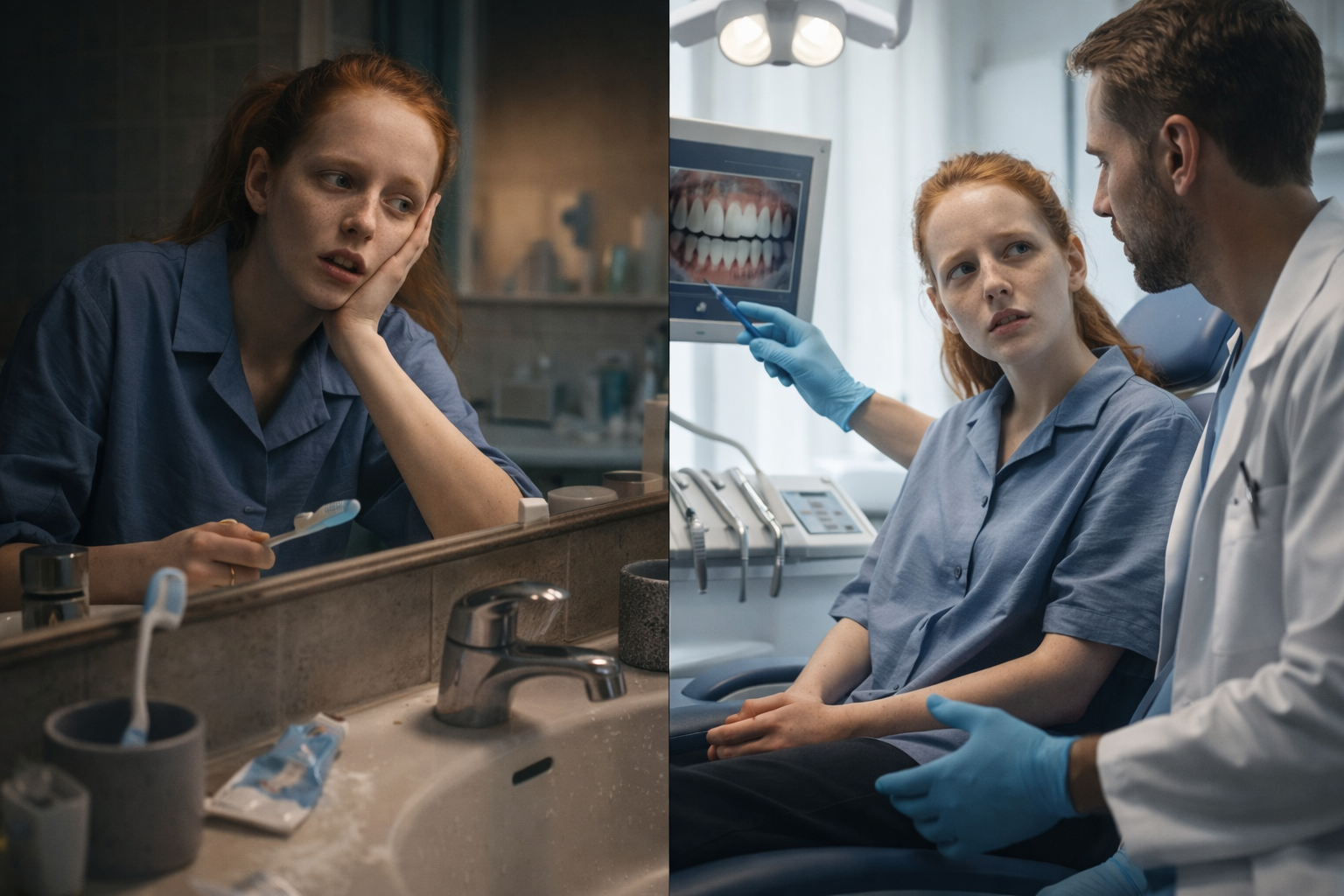
Then I started researching more—understanding that not all stains can be removed with basic brushing. Some require professional cleaning, where dental tools can remove built-up plaque and surface stains more effectively.
The idea of going to the dentist wasn’t exactly exciting, but at that point, it felt necessary.
And honestly, it helped more than I thought it would.
After a cleaning, my teeth looked noticeably brighter—not artificially white, but closer to their natural color. It felt like a reset.
Finding a Balance
The biggest realization wasn’t that I needed to give up coffee.
That would’ve been unrealistic.
Instead, it was about balance.
I started making small changes—nothing extreme, just more mindful.
Drinking coffee in a shorter time instead of sipping all day. Rinsing my mouth with water afterward. Being more consistent with brushing and flossing. And occasionally choosing alternatives when I didn’t really need that extra cup.
These changes didn’t feel like sacrifices.
They felt like adjustments.
And over time, they made a difference.
It’s Not Just About Appearance
At first, I thought this was just a cosmetic issue.
But like many things related to oral health, it goes deeper.
Stains can sometimes signal broader habits—like frequent exposure to acidic drinks or inconsistent oral care. Paying attention to them can be a way of catching bigger issues early.
It’s less about having perfectly white teeth and more about maintaining a healthy environment in your mouth.
A Quiet Lesson in Awareness
If there’s one thing coffee taught me—beyond the obvious—it’s awareness.
Not everything that affects us does so in obvious ways. Some changes are gradual, almost invisible, until one day you notice them and realize they’ve been there for a while.
Coffee didn’t ruin my teeth.
But it did remind me that even the most comforting routines deserve a second look.
Now, when I make my morning cup, I still enjoy it the same way. The warmth, the smell, the quiet start to the day—it’s all still there.
But there’s also a small shift in how I approach it.
A little more awareness. A little more care.
And sometimes, that’s all it takes to turn a habit from harmful into harmless.