
I used to think sugar was harmless.
Not in a completely naive way—I knew candy wasn’t exactly “healthy,” and I’d heard the usual warnings growing up. “Too much sugar will rot your teeth.” It sounded dramatic, almost like one of those exaggerated things adults say to scare kids into brushing before bed.
So I didn’t take it seriously.
Sugar was everywhere in my daily life, but it never felt like a threat. It was in the soda I drank after school, the snacks I grabbed while studying, the desserts that made long days feel a little better. It was comfort, reward, and habit—all wrapped into one.
And for a long time, nothing seemed wrong.
The Sweet Routine
My days had a rhythm to them, and sugar was quietly woven into it.
A sweet coffee in the morning. A packaged snack between classes. Maybe a chocolate bar or a sugary drink in the afternoon. None of it felt excessive on its own. It was just small things, spread throughout the day.
That’s the tricky part about sugar—it doesn’t always come in obvious forms. It hides in foods you wouldn’t expect. Bread, sauces, even “healthy” snacks can contain surprising amounts of added sugar.
I wasn’t eating piles of candy every day. I was just consuming a little bit of sugar… all the time.
And that constant exposure is where the real problem begins.
What I Didn’t See Happening
Inside my mouth, something was changing—but I couldn’t see it.
Every time I ate something sugary, the bacteria in my mouth fed on those sugars. As they broke them down, they produced acids. These acids didn’t just disappear—they stayed on my teeth, slowly weakening the enamel.
Tooth enamel is strong, but it’s not invincible.
Repeated acid attacks begin to wear it down. At first, the damage is microscopic. You won’t feel it. You won’t notice it in the mirror. Everything seems fine.
But over time, the enamel starts to lose its strength.
And once it’s gone, your body can’t naturally replace it.
The First Signs
Looking back, the signs were there—I just didn’t connect them to sugar.
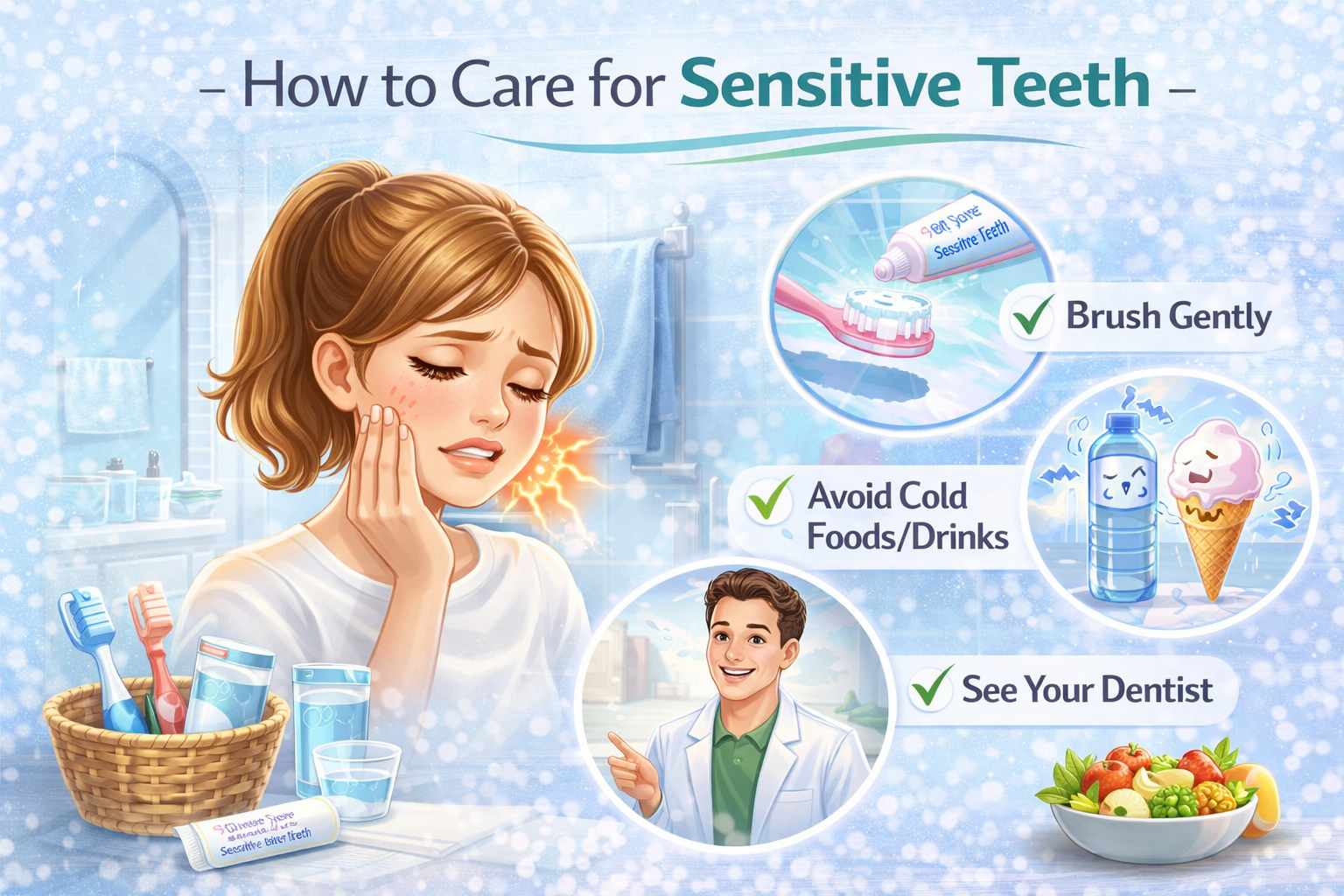
My teeth started to feel more sensitive. Cold drinks made me pause. Sweet foods sometimes caused a strange, uncomfortable sensation that lingered longer than it should have.
I brushed it off, thinking maybe I just needed a different toothpaste.
Then came the small discolorations. Tiny spots that didn’t look quite right. They were easy to ignore at first—barely noticeable unless you were really looking.
But they were the beginning of something deeper.
The Role of Frequency, Not Just Amount
One thing I didn’t understand back then was that it’s not just how much sugar you eat—it’s how often you eat it.
If you consume a lot of sugar in one sitting, your mouth has a chance to recover afterward. Saliva helps neutralize acids and repair early damage.
But when you’re constantly snacking or sipping sugary drinks throughout the day, your teeth are under near-constant attack.
That’s exactly what I was doing without realizing it.
Every sip of soda, every bite of something sweet restarted the process. My teeth never got a break.
The Dentist Visit I Had Been Avoiding
Eventually, I couldn’t ignore it anymore.
The sensitivity got worse. I started favoring one side of my mouth when chewing. And there was a dull ache that came and went, just enough to be annoying but not enough to force immediate action.
Still, I knew.
So I finally scheduled a dental appointment I had been putting off for months.
Sitting in that chair, I felt a mix of anxiety and regret. I already had a feeling I wouldn’t hear what I wanted.
The dentist didn’t need long to confirm it.
There were cavities.
More than I expected.
Hearing the Truth
What surprised me wasn’t just the diagnosis—it was the explanation.
The dentist didn’t ask if I ate candy all the time. Instead, they asked about my habits. How often I snacked. Whether I drank sugary beverages throughout the day. If I brushed right after consuming sugar or waited hours.
That’s when it clicked.
It wasn’t about occasional treats. It was about constant exposure.
Sugar had been quietly affecting my teeth, not in dramatic bursts, but in steady, repeated moments I never thought twice about.
The Cost of Small Choices
Fixing the problem wasn’t as simple as changing a habit overnight.
There were fillings to take care of the cavities. Sensitivity that took time to improve. And a lingering awareness that some of the damage could have been avoided.
It made me realize something important: small, daily choices matter more than we think.
It’s easy to dismiss one sugary drink or one snack. But when those choices stack up over weeks, months, and years, they tell a different story.
Changing My Relationship with Sugar
I didn’t decide to completely eliminate sugar—that didn’t feel realistic.
Instead, I changed how I consumed it.
I started paying attention to timing. If I had something sweet, I tried to have it with a meal rather than as a separate snack. I cut back on sipping sugary drinks throughout the day and switched to water more often.
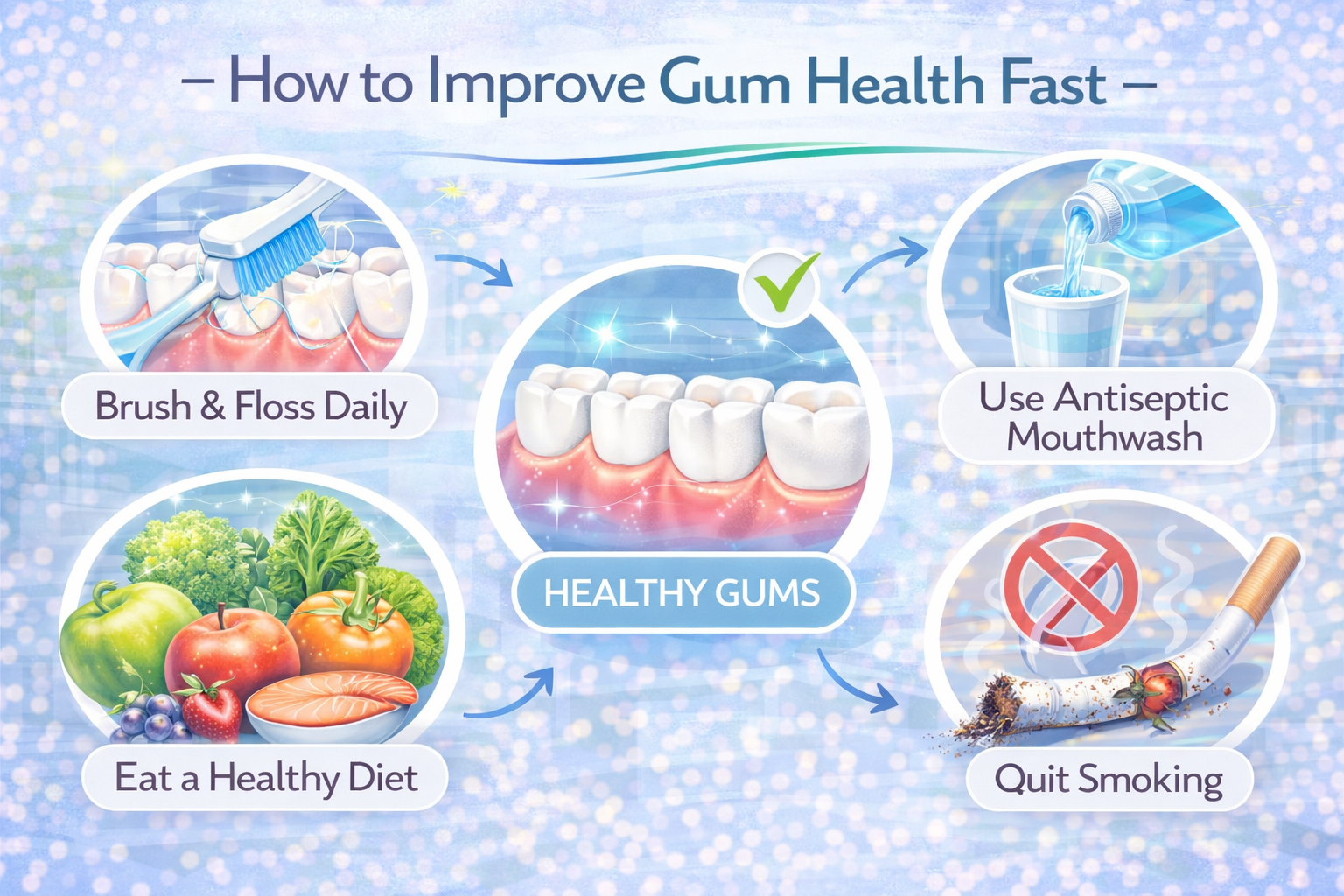
I also became more consistent with brushing, especially at night. And flossing—something I used to skip—became part of my routine.
These changes weren’t dramatic, but they were intentional.
And over time, they made a difference.
What Sugar Really Does
Now, when I think about sugar and teeth, I don’t think of it as the “enemy.”
It’s more accurate to see it as something that requires awareness.
Sugar feeds bacteria. Bacteria produce acid. Acid weakens enamel. And weakened enamel leads to decay.
It’s a chain reaction.
But the good news is that it’s a chain you can interrupt.
By reducing frequency, improving oral hygiene, and giving your teeth time to recover, you can significantly lower the risk.
A Quiet Lesson
If there’s one thing this experience taught me, it’s that not all damage is immediate or obvious.
Some of it builds quietly, in the background of everyday life.
You don’t feel enamel weakening. You don’t notice acid attacks. And by the time you do feel something, the process has already been going on for a while.
That’s what makes sugar’s impact on your teeth so easy to underestimate.
Looking Back, Moving Forward
I still enjoy sweet things.
But now, there’s a sense of balance that wasn’t there before. I’m more aware of how often I’m exposing my teeth to sugar, and I make small adjustments that add up over time.
And maybe that’s the real takeaway.
It’s not about fear or restriction. It’s about understanding.
Because once you understand what’s happening—and how easily it can be prevented—you start to see your daily habits differently.
A Simple Reminder
Next time you reach for something sweet, pause for just a second.
Not to stop yourself, but to be aware.
Think about how often your teeth are exposed to sugar, not just how much. Think about whether you’re giving your mouth time to recover.
And later, when you brush your teeth, don’t rush it.
Because those few minutes each day aren’t just routine—they’re protection.
Protection against something that, for a long time, I didn’t realize was quietly shaping my health.
And once you see it, it’s hard to ignore.