I used to think my mouth was clean just because it felt clean.
After brushing, there’s that familiar minty freshness—the kind that convinces you everything is under control. No strange taste, no visible food stuck between teeth, no obvious discomfort. It gives you a quiet sense of reassurance, like you’ve done enough.
But what I didn’t realize back then was this: just because something feels clean doesn’t mean it actually is.
Bacteria don’t care about how fresh your mouth feels. They don’t need permission, and they definitely don’t wait for you to notice them.
They just grow.
It Begins with What You Can’t See
The story of bacteria in your mouth starts in silence.
Every time you eat, especially foods rich in sugar or carbohydrates, tiny particles remain behind—even after you think you’ve swallowed everything. These particles settle into the small crevices between your teeth, along the gumline, and even on your tongue.
That’s where bacteria come in.
Your mouth naturally hosts hundreds of different types of bacteria. Some are harmless, even helpful. But others? They thrive on leftover food debris, especially sugar.
I remember once reading that your mouth is like a small ecosystem. At the time, it sounded almost poetic.
Now I realize it’s also a little unsettling.
Because like any ecosystem, it can fall out of balance.
The First Layer: Plaque
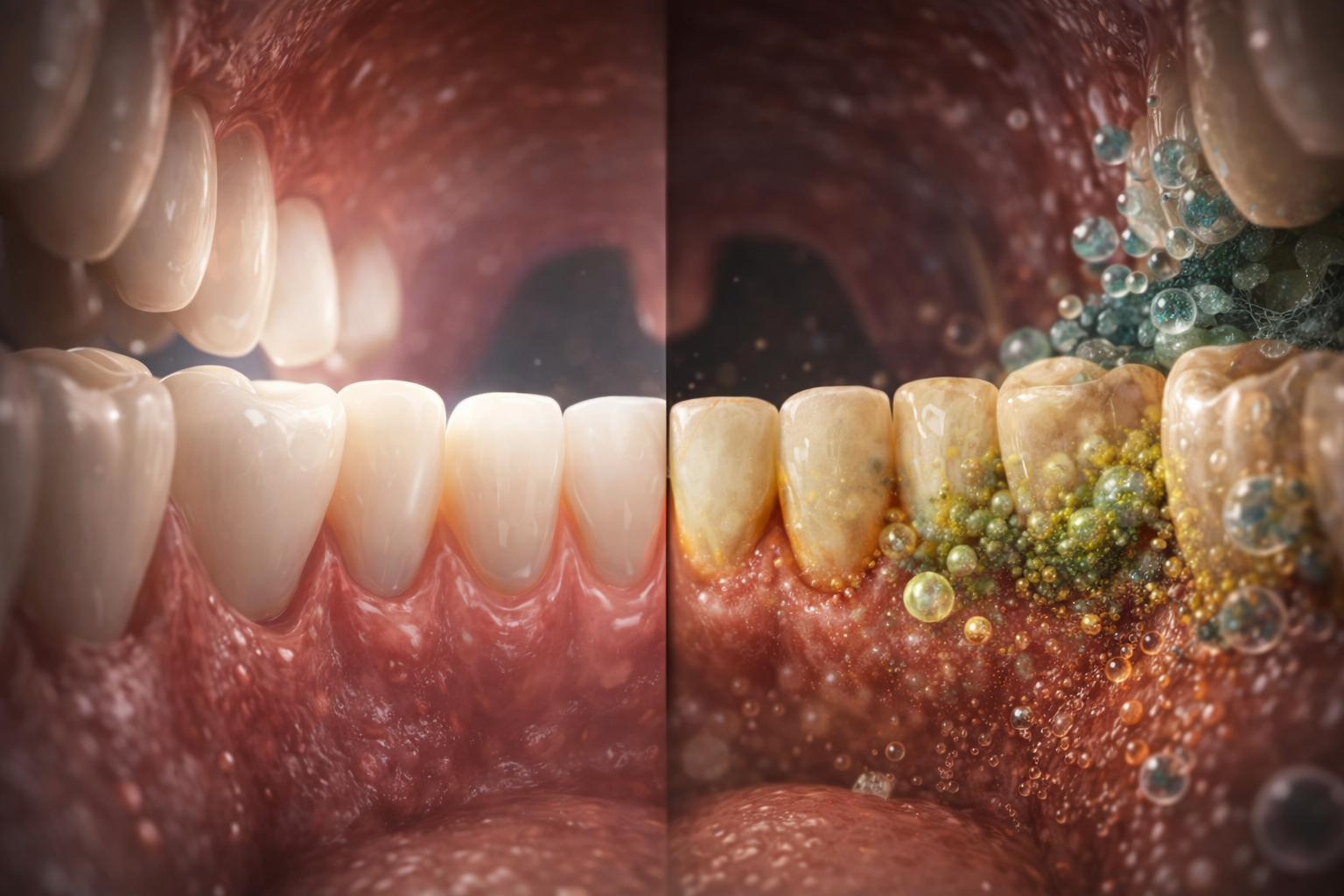
The first visible result of bacterial growth is something called plaque.
It’s not dramatic. You won’t suddenly notice a thick layer forming overnight. Instead, it develops gradually—a thin, sticky film that clings to the surface of your teeth.
At first, I didn’t notice it at all.
But over time, if I skipped brushing at night or rushed through it in the morning, I started to feel a faint fuzziness on my teeth. It was subtle, easy to ignore, but it was there.
That “fuzzy” feeling? That’s plaque.
Plaque is essentially a colony of bacteria. They gather, multiply, and form a biofilm that protects them from being easily washed away by saliva.
And once that layer forms, things begin to change.
Feeding the Growth
Bacteria need fuel to grow, and your diet plays a bigger role than you might think.
Sugary snacks, soft drinks, even simple carbohydrates like bread or chips—these all break down into sugars that bacteria can consume. And when they do, they produce acids as a byproduct.
These acids are the real problem.
They slowly erode the enamel—the hard outer layer of your teeth. You won’t feel it happening. There’s no immediate pain or warning.
But with every exposure, the damage accumulates.
I used to snack a lot while studying—cookies, chips, soda. It never crossed my mind that I was feeding something invisible, something that was quietly working against me.
Looking back, it wasn’t just about what I ate—it was about how often I ate. Constant snacking meant constant fuel for bacteria.
No breaks. No recovery time for my teeth.
When Plaque Hardens
If plaque isn’t removed regularly, it doesn’t just stay soft and harmless.
It hardens.
Within about 24 to 72 hours, plaque can turn into tartar (also called calculus). And once that happens, brushing alone isn’t enough to remove it.
Tartar is rough and porous, which makes it an even better surface for more bacteria to attach to.
It’s like giving them a stronger foundation to build on.
I didn’t understand this until a dental visit where the hygienist pointed out areas of buildup. Even though I thought I had been brushing “well enough,” there were places I consistently missed.
That’s the thing about bacterial growth—it takes advantage of inconsistency.
The Role of Saliva
For a long time, I underestimated saliva.
It seemed insignificant—just something your mouth naturally produces. But it actually plays a crucial role in controlling bacteria.
Saliva helps wash away food particles, neutralize acids, and maintain a balanced environment in your mouth.
But it has limits.
If bacterial growth becomes too aggressive—due to poor hygiene or frequent sugar intake—saliva alone can’t keep up.
I noticed this most when I woke up in the morning. My mouth would feel dry, and the taste wasn’t exactly pleasant. Overnight, saliva production decreases, giving bacteria more time to grow undisturbed.
It’s like they work the night shift.
The Turning Point: When Growth Becomes a Problem
At a certain point, bacterial growth stops being harmless and starts causing noticeable issues.
Bad breath is often the first sign. It’s not just about what you ate—it’s the result of bacteria releasing compounds as they break down food particles.
Then come the gum changes.
Redness. Swelling. Occasional bleeding.
I remember the first time I saw blood while brushing and thought, “Maybe I brushed too hard.” But the truth was simpler—and harder to ignore.
My gums were reacting to bacterial buildup.
And that’s when it clicked: this wasn’t random. It was the result of a process that had been building over time.
Why It’s Easy to Overlook
Bacterial growth in the mouth doesn’t feel urgent.
There’s no loud alarm, no immediate consequence that forces you to act. It’s gradual, almost patient.
That’s what makes it dangerous.
You can go days, weeks, even months without noticing anything serious. And during that time, bacteria continue to grow, spread, and strengthen their presence.
It’s easy to think, “I’ll take better care of it later.”
But later often comes with a cost.
Breaking the Cycle
The good news is that bacterial growth in your mouth is something you can control.
Not eliminate completely—that’s impossible—but manage.
For me, it started with awareness.
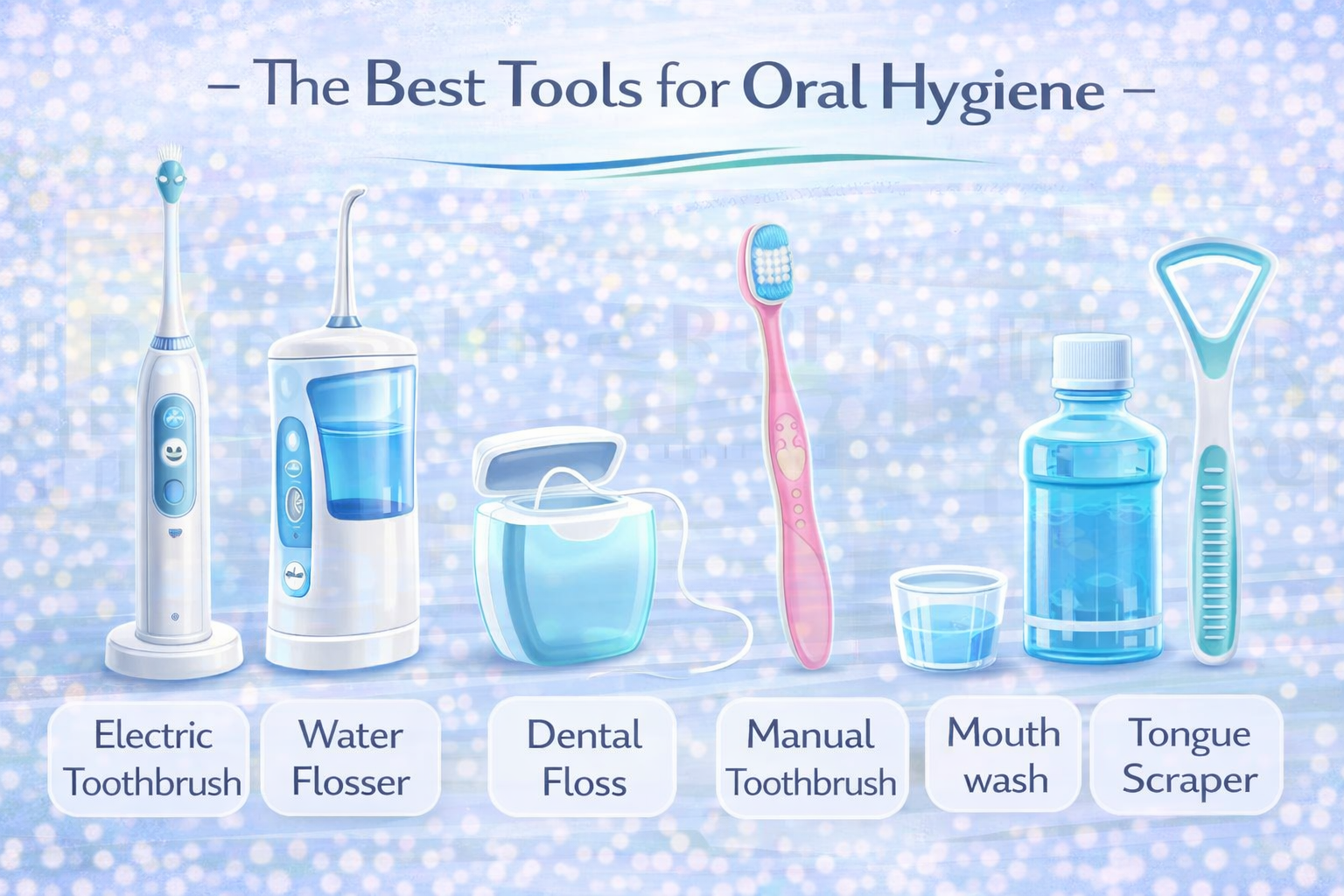
Understanding that brushing isn’t just about fresh breath—it’s about disrupting bacterial colonies. Flossing isn’t optional—it’s necessary to reach the spaces bacteria love most.
I began to slow down my routine.
Instead of brushing quickly, I paid attention to each section of my mouth. I made sure to reach along the gumline, where plaque tends to accumulate.
Flossing, which once felt like a chore, became part of the process rather than an afterthought.
And gradually, things changed.
A Different Perspective
Now, when I think about oral hygiene, I don’t see it as a simple daily task.
I see it as a form of maintenance—like taking care of something that’s constantly in use, constantly exposed, and constantly interacting with the outside world.
Your mouth is one of the busiest parts of your body.
It deserves more attention than we often give it.
The Quiet Lesson
If there’s one thing this experience taught me, it’s that the smallest things can grow into bigger problems when ignored.
Bacteria in your mouth are always there. That’s normal.
What matters is whether you let them take control.
Because they won’t announce themselves. They won’t ask for permission. They’ll just grow—quietly, steadily, and persistently.
And whether that growth leads to something harmless or something harmful depends, more than anything, on what you choose to do each day.
So the next time your mouth feels “clean,” take a moment to think beyond that feeling.
Because what you don’t see is often what matters most.